Artwork
Constantine John Ionides (1775–1852)
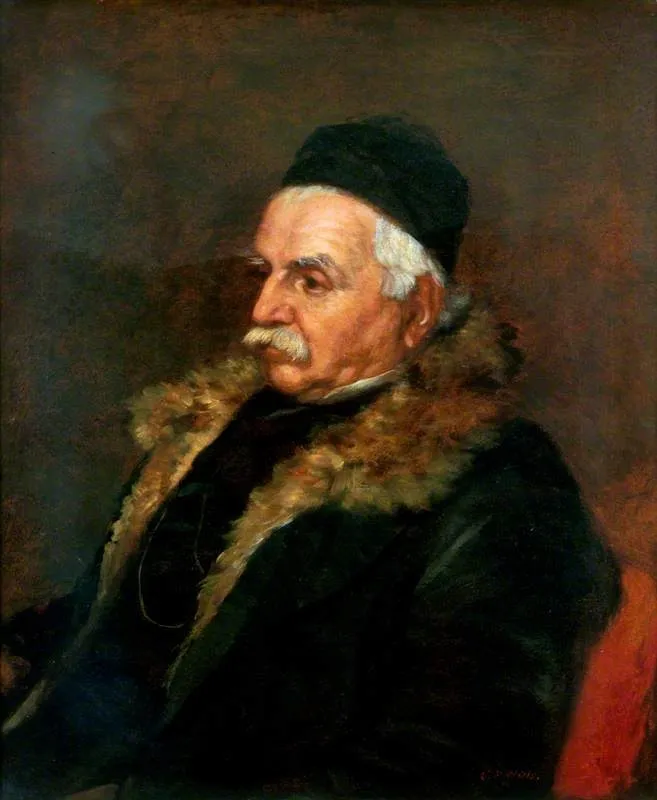
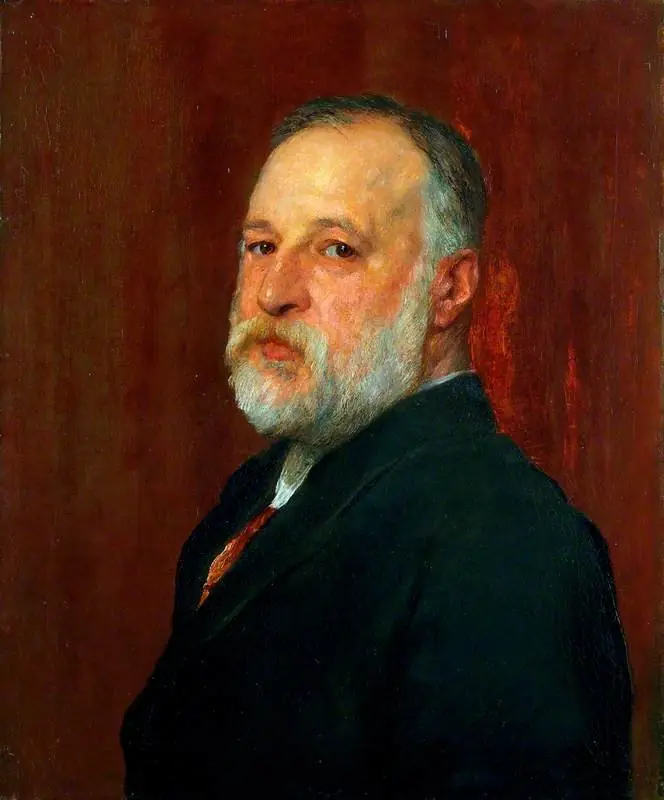
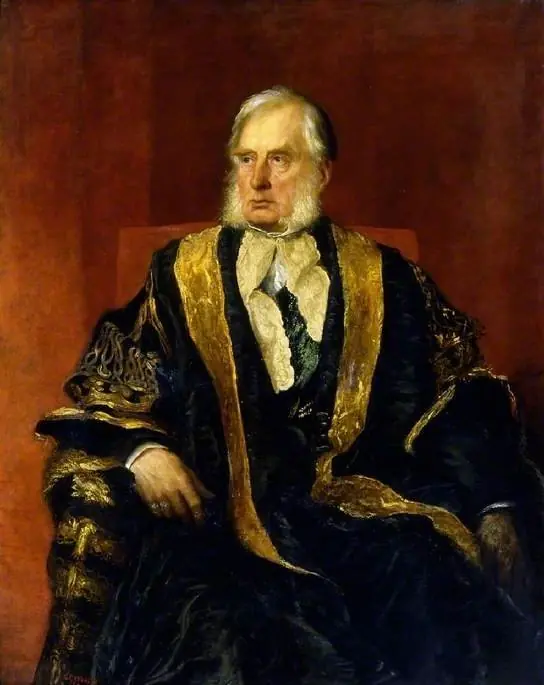
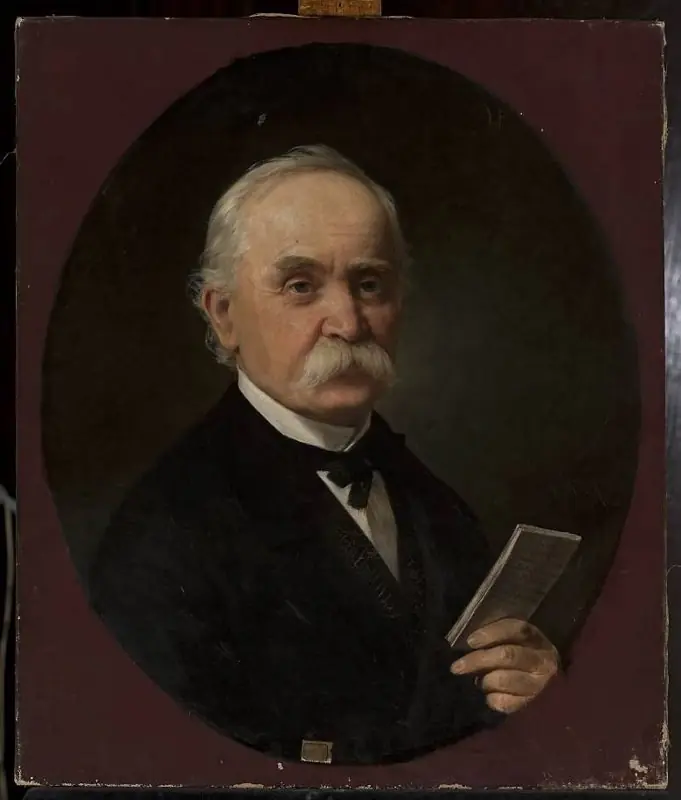
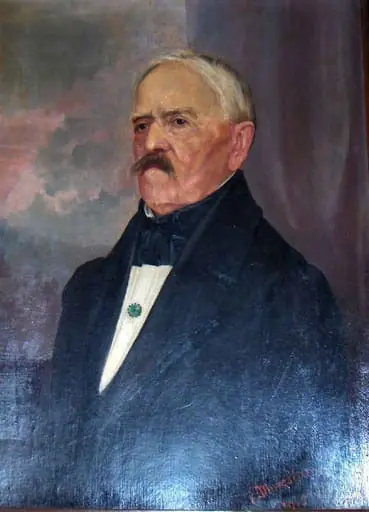
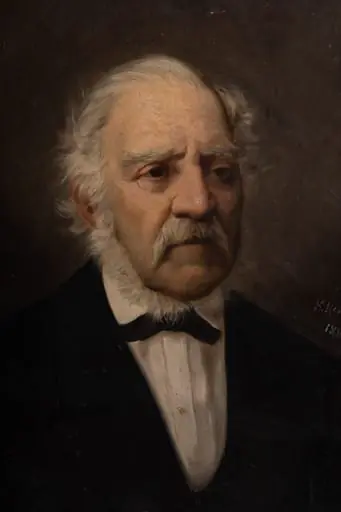
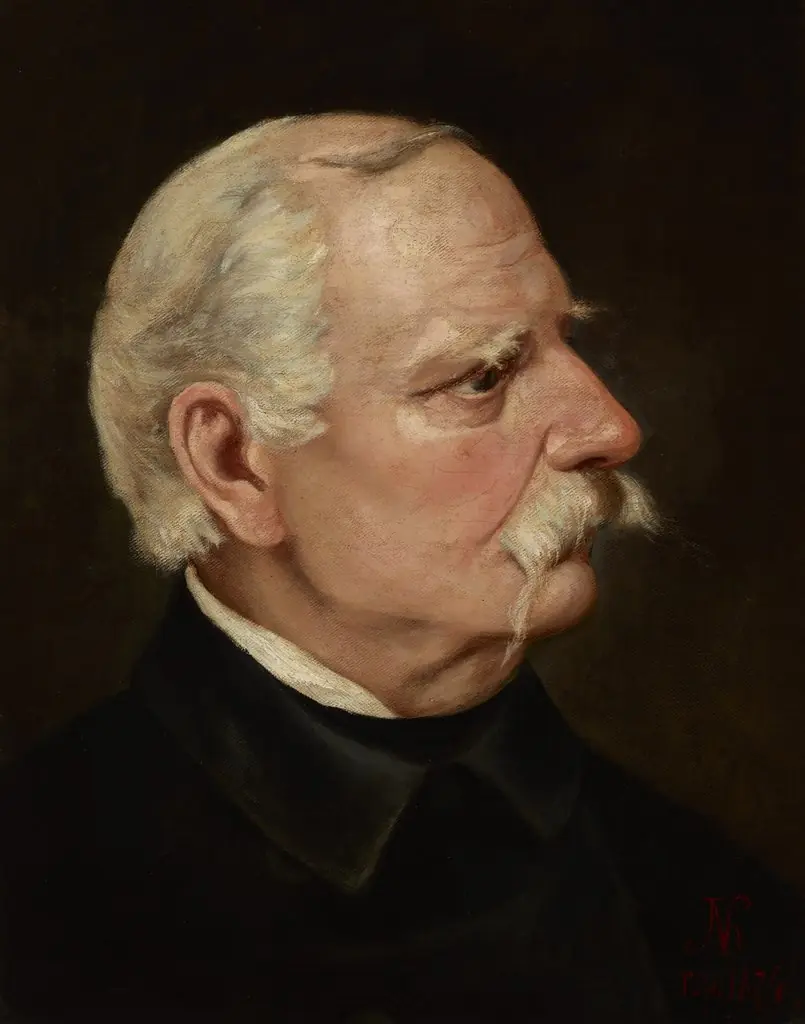
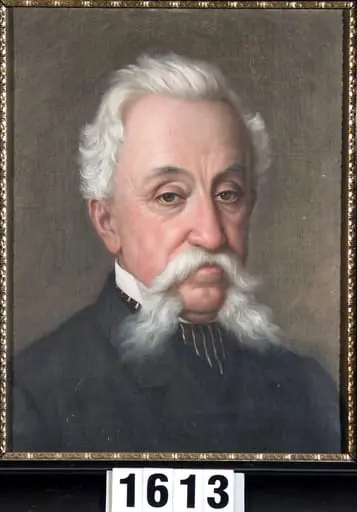
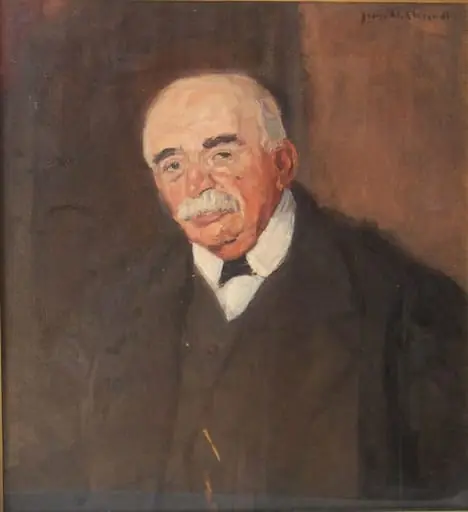
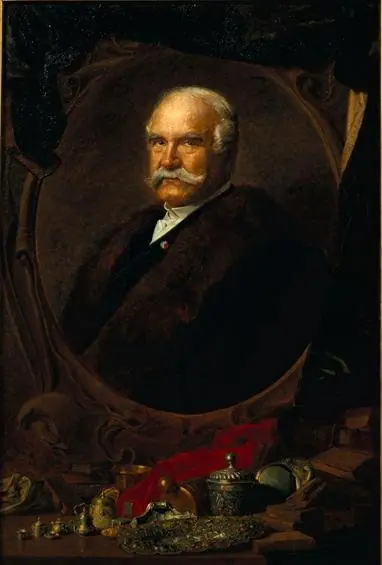
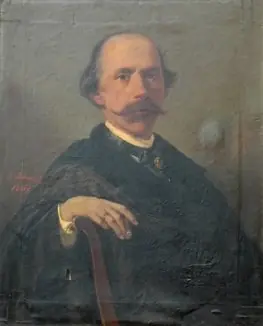
Constantine John Ionides (1775–1852) is an oil painting by George Frederic Watts. It dates from 1867 and is held in the collection of the Victoria and Albert Museum.
About this work
Overview
Painted around 1867 by George Frederic Watts, this oil portrait captures Constantine John Ionides, a member of the artist’s social circle. The work exemplifies Watts’s interest in psychological depth over mere likeness, rendered with restrained elegance. It resides in the Victoria and Albert Museum’s collection, where it stands as a quiet counterpoint to his more allegorical compositions.
Subject & Meaning
Ionides, a British collector and patron, is portrayed not as a public figure but as an individual immersed in introspection. His serious expression and still posture suggest contemplation rather than status. Watts avoids theatricality, focusing instead on the inner life of the sitter — a hallmark of his approach to portraiture, where character supersedes circumstance.
Technique & Style
Watts employs subtle chiaroscuro to model the face and hands, emphasizing texture in the fur collar and the weight of the coat. The dark, unobtrusive background isolates the figure, directing attention to his form and expression. Brushwork is controlled yet sensitive, avoiding overt detail to preserve a sense of quiet presence and emotional resonance.
History & Provenance
The portrait entered the Victoria and Albert Museum’s collection through the artist’s own donation, consistent with Watts’s practice of contributing works to public institutions. It was painted during a period when Watts increasingly turned to portraiture as a means of exploring human dignity, separate from his larger symbolic projects.
Context
In the 1860s, Watts was refining his approach to portraiture amid growing interest in psychological realism. While his allegorical works drew public attention, his private portraits like this one reveal a more intimate engagement with sitters. Ionides, connected to artistic and intellectual circles, represents the type of individual Watts sought to portray with dignity and restraint.
Legacy
This portrait endures as an example of Watts’s ability to convey inner life through minimal means. It influenced later British portraitists who valued emotional subtlety over grandeur. Though less celebrated than his allegories, it remains a key work in understanding his broader artistic philosophy — one rooted in quiet observation and human depth.
Artist & collection
Artist
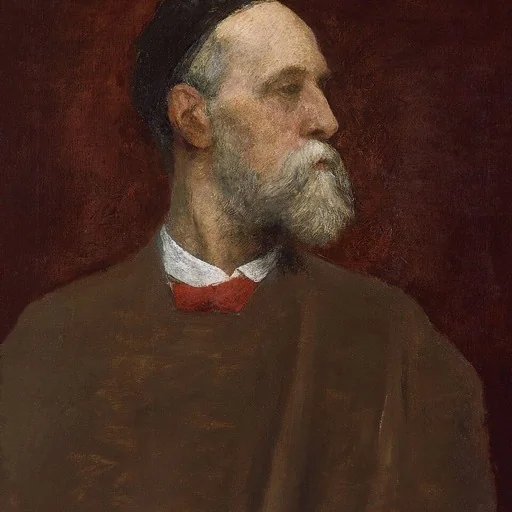
George Frederic Watts (23 February 1817 – 1 July 1904) was a British painter and sculptor associated with the Symbolist movement.