Artwork
Theophilos Kairis (1784 - 1853)
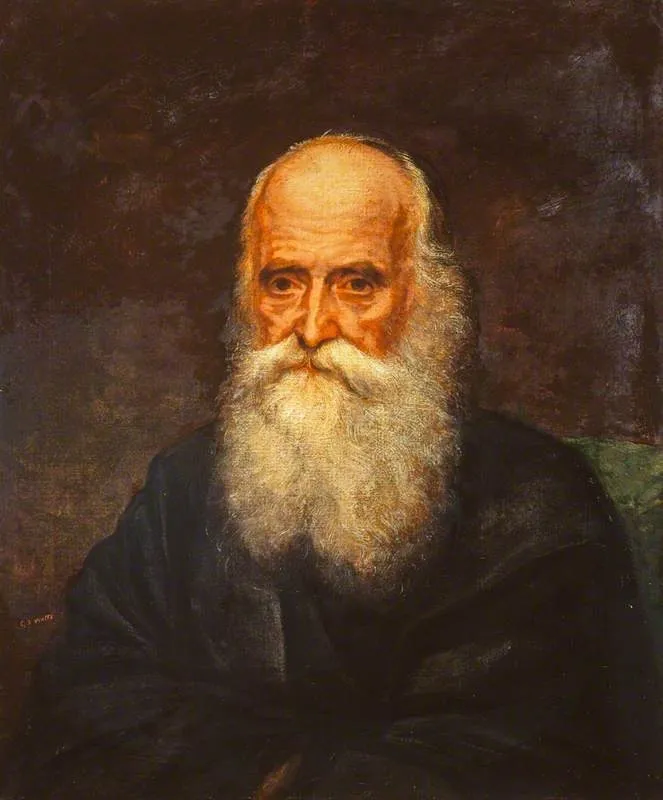
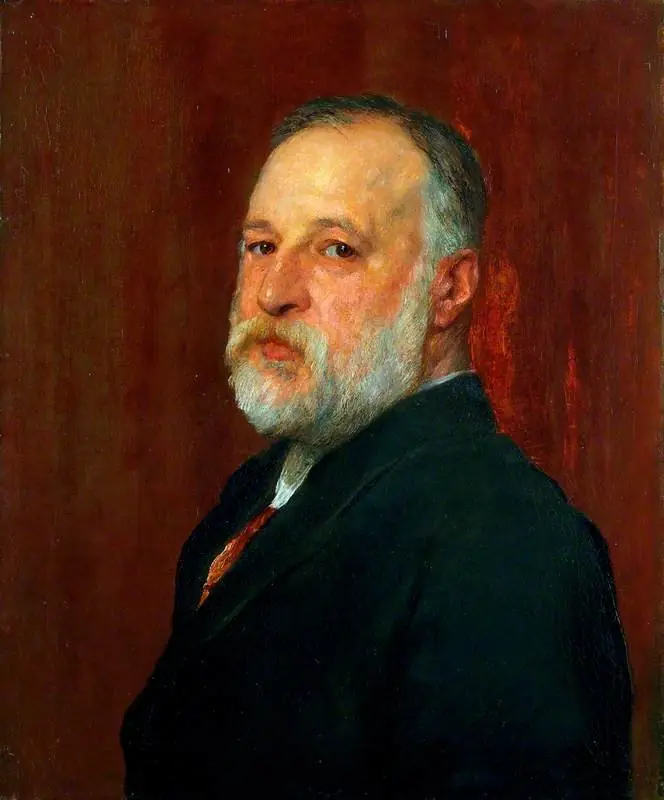
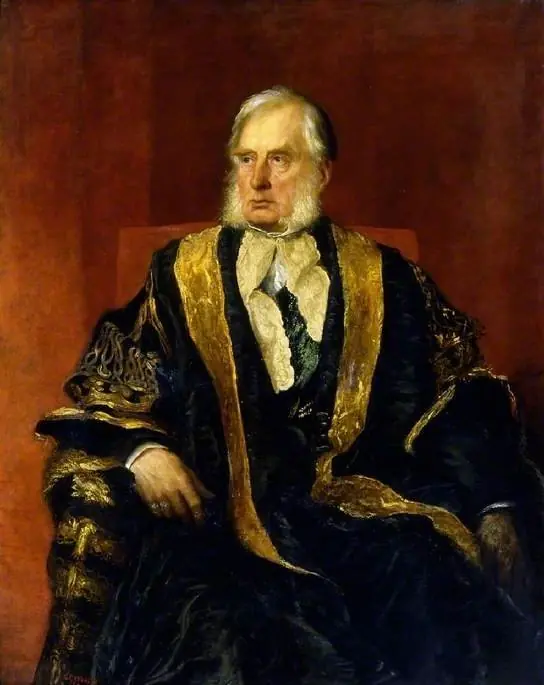
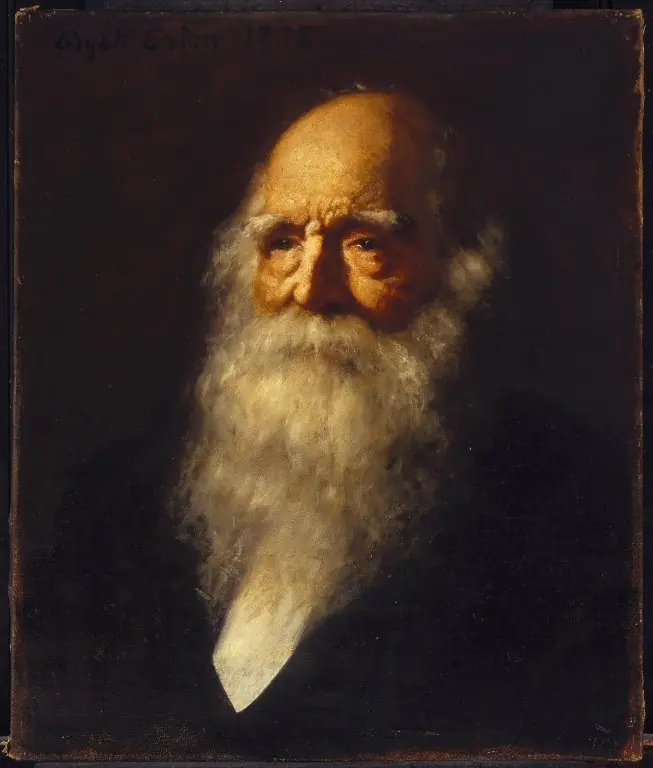
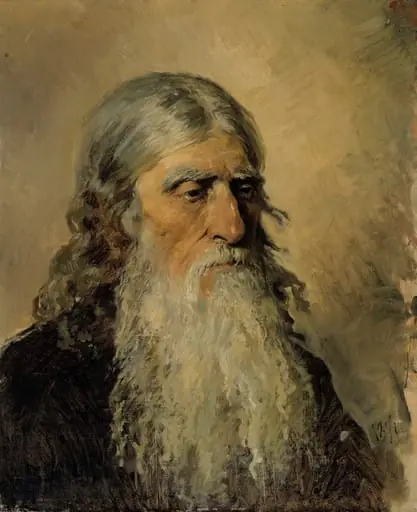
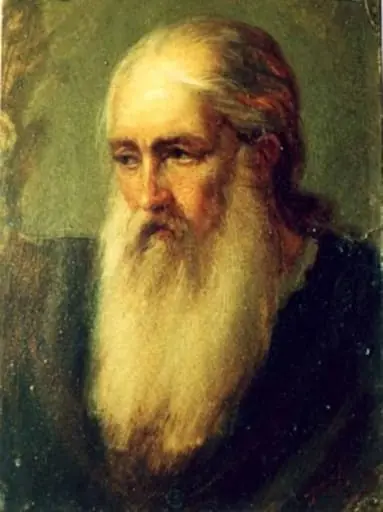
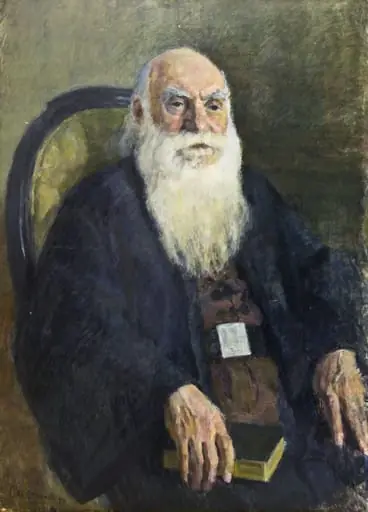
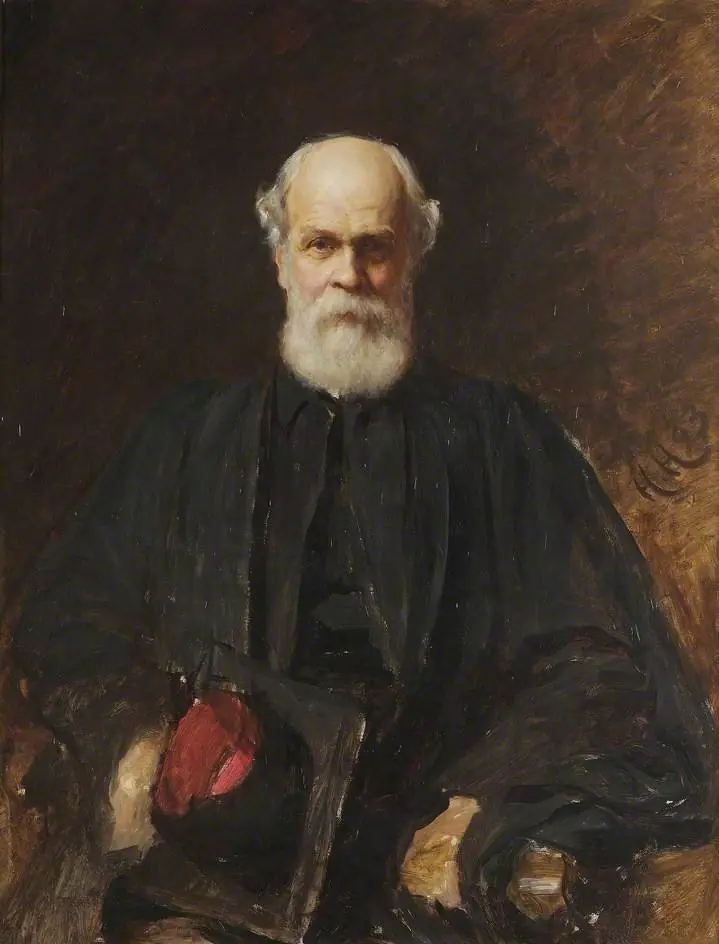
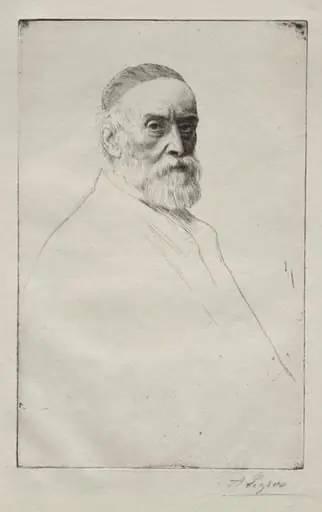
Theophilos Kairis (1784 - 1853) is an oil painting by the British Romanticist artist George Frederic Watts. It dates from 1845 and is held in the collection of the National Galleries Scotland.
About this work
Overview
Executed with careful attention to light and texture, it reflects the British Romantic tradition’s interest in individual character and moral gravity.
Painted in 1845 by George Frederic Watts, this oil portrait captures Theophilos Kairis, a Greek scholar and revolutionary figure. The work belongs to Watts’s early period, before his shift toward allegorical themes. Executed with careful attention to light and texture, it reflects the British Romantic tradition’s interest in individual character and moral gravity. The painting is held in the collection of the Scottish National Gallery.
Subject & Meaning
Theophilos Kairis was a Greek intellectual, priest, and advocate for Enlightenment ideals during the War of Independence. Watts portrays him as a contemplative elder, his downward gaze suggesting introspection or sorrow. The somber attire and muted tones convey a sense of dignity tempered by hardship. Rather than emphasizing political triumph, the portrait honors Kairis’s intellectual legacy and quiet resilience.
Technique & Style
Watts employs chiaroscuro to model the face and beard with subtle gradations of light, lending volume and emotional weight. The dark, uneven background isolates the figure, drawing focus to his aged features. Brushwork is restrained yet precise, particularly in the rendering of white hair against the deep robe. The composition avoids ornamentation, aligning with Romanticism’s preference for psychological depth over decorative flourish.
History & Provenance
Watts painted Kairis during a period of personal and artistic development, likely inspired by contemporary interest in Greek independence. The portrait entered the Scottish National Gallery’s collection in the late 19th century, where it has remained since. Its acquisition reflects Victorian Britain’s cultural engagement with the Greek struggle and its admiration for enlightened reformers.
Context
In the mid-1840s, British artists and intellectuals followed the Greek War of Independence with sympathy, viewing it as a revival of classical ideals. Kairis, as a teacher and reformer, embodied this spirit. Watts, though not yet known for allegory, was drawn to figures who represented moral or intellectual struggle. This portrait stands as a quiet tribute within a broader European fascination with Greece’s rebirth.
Legacy
Though less famous than Watts’s later symbolic works, this portrait remains a significant example of his early portraiture. It demonstrates his capacity to convey inner life through restrained means. The painting continues to be studied for its technical discipline and its role in documenting a key figure of modern Greek history through the lens of British Romantic sensibility.
Artist & collection
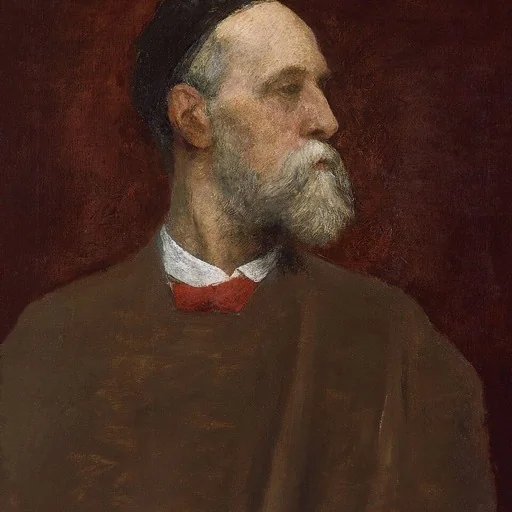
Artist
George Frederic Watts (23 February 1817 – 1 July 1904) was a British painter and sculptor associated with the Symbolist movement.