Artwork
Untitled
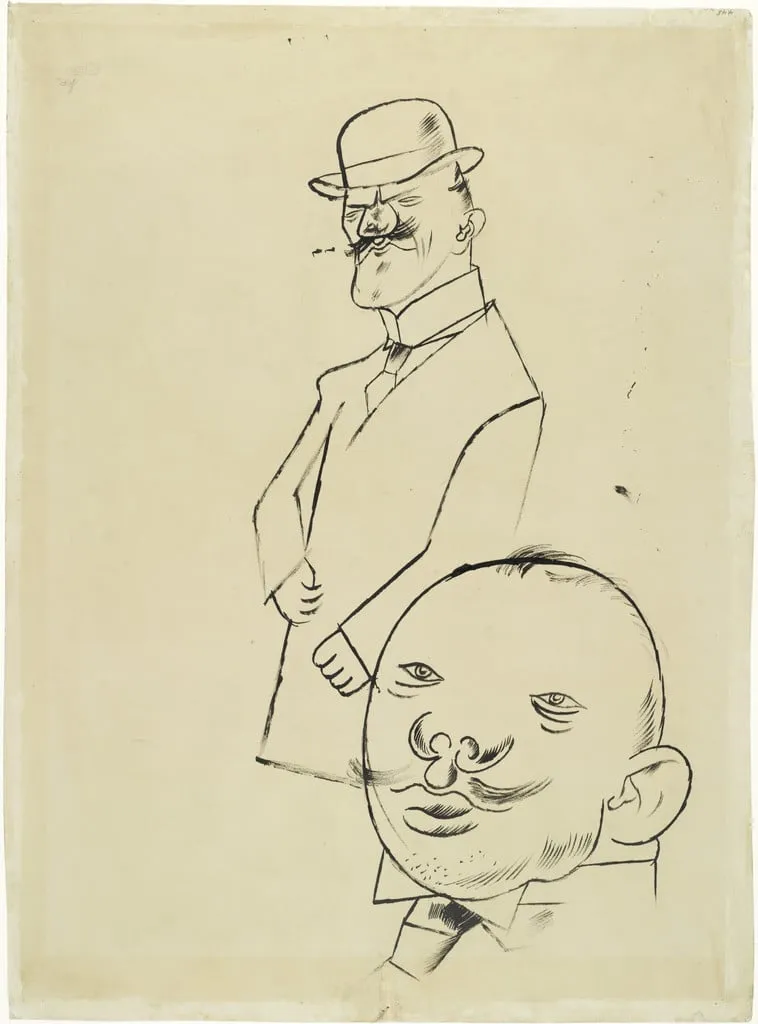
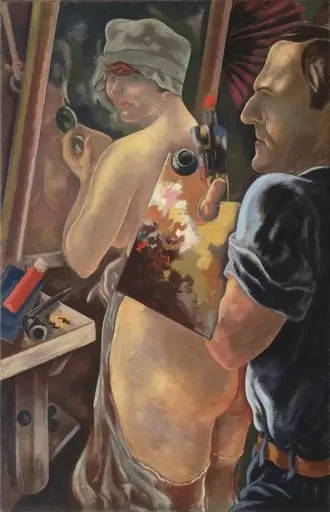
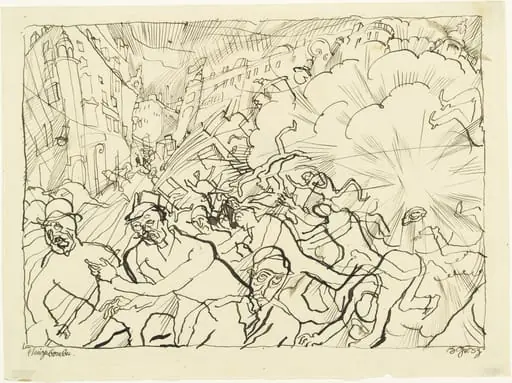
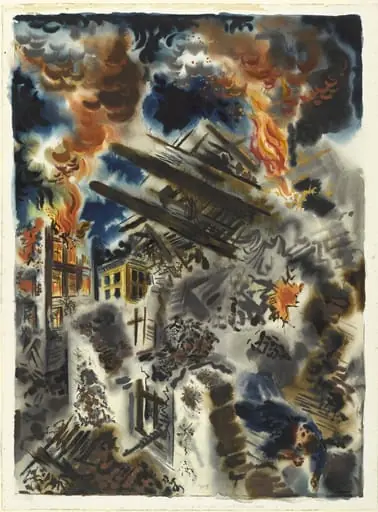
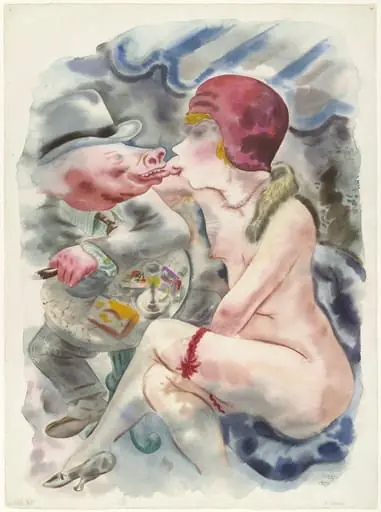
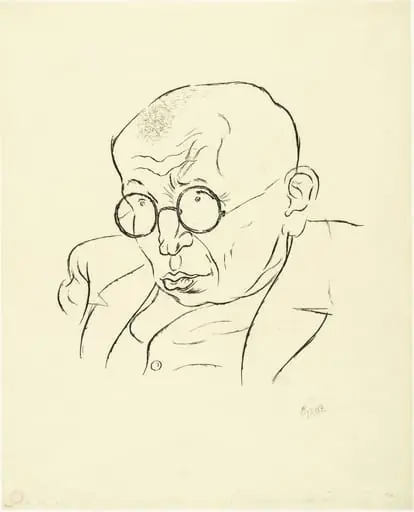
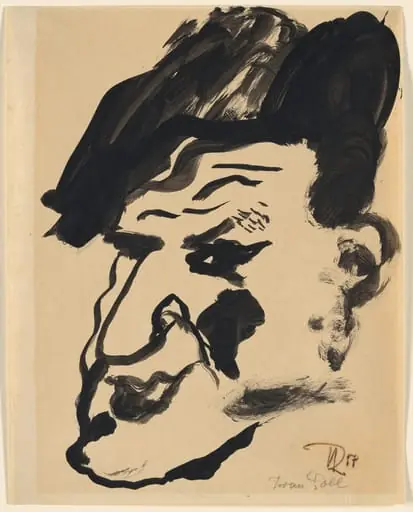
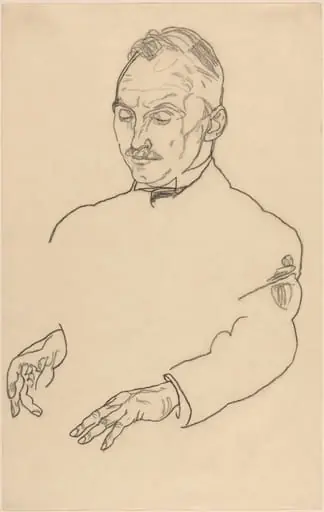
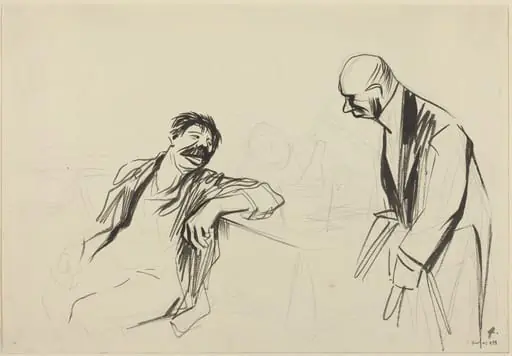
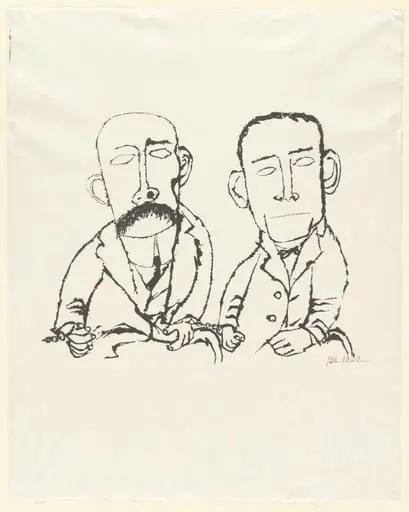
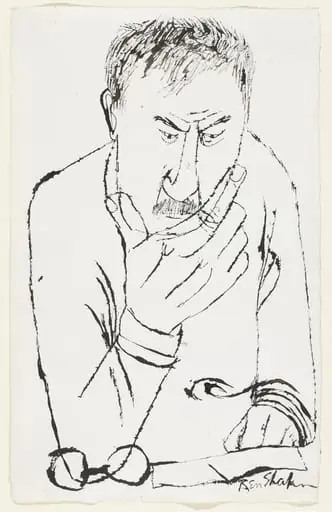
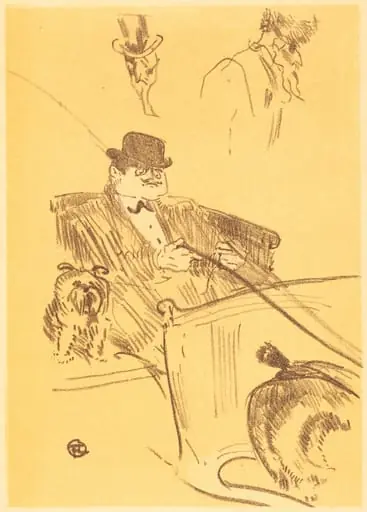
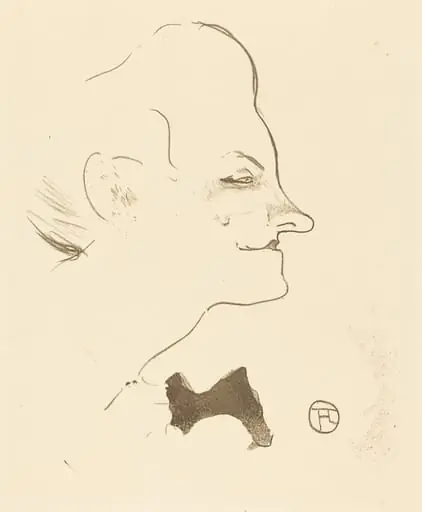
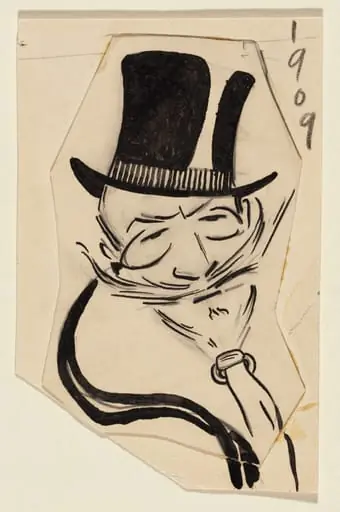
Untitled is an ink drawing by George Grosz. It dates from 1920 and is held in the collection of the Museum of Modern Art.
About this work
Overview
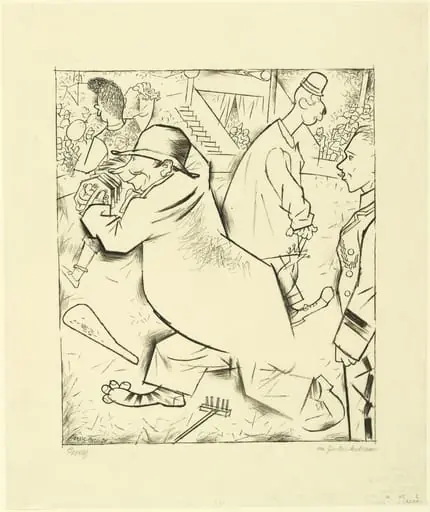
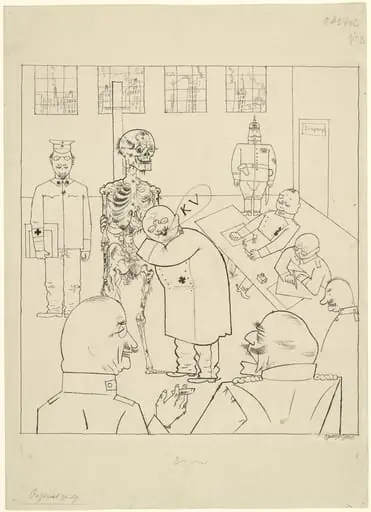
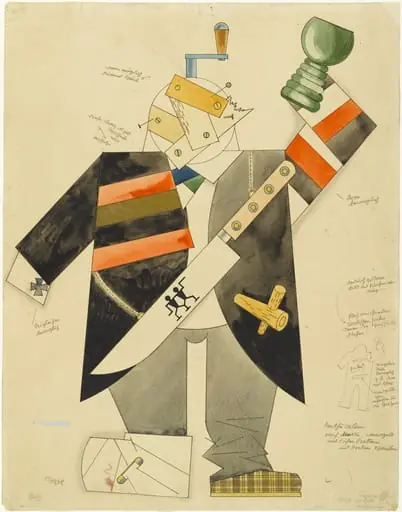
Created around 1920, this ink drawing on paper by George Grosz features two distinct figures on a yellowed sheet, drawn on both recto and verso. The work is part of the collection at The Museum of Modern Art. Rendered with rapid, confident strokes, the sketches convey a sense of immediacy and psychological tension, typical of Grosz’s observational style during his Berlin years.
Subject & Meaning
The contrast between the full figure and the fragmented head may imply duality: public persona versus private anxiety, a recurring theme in his interwar work.
The two figures—a man in formal attire with a bowler hat and a close-up of a face turned sharply left—suggest a study of urban types. Grosz often depicted bourgeois figures with satirical precision, hinting at their rigidity or inner unease. The contrast between the full figure and the fragmented head may imply duality: public persona versus private anxiety, a recurring theme in his interwar work.
Technique & Style
Executed in black ink, the drawing employs bold, fluid lines and deliberate smudges to suggest motion and texture. The artist avoids shading, relying instead on contour and pressure to define form. The loose, almost sketch-like quality conveys spontaneity, reflecting Grosz’s interest in capturing fleeting expressions and gestures rather than idealized portraits.
History & Provenance
The drawing entered The Museum of Modern Art’s collection in the mid-20th century, likely through acquisitions focused on German Expressionist and Dadaist works. Its condition—yellowed paper, ink fading slightly—reflects its age and the fragility of paper-based media from the early 1920s. No record of prior ownership before MoMA’s acquisition is publicly documented.
Context
Made during the turbulent Weimar Republic, this drawing aligns with Grosz’s critical portrayal of German society post-WWI. His sketches often targeted the hypocrisy of the middle class and military elites. In this period, he frequently worked on paper, producing rapid studies that later informed larger paintings and satirical publications, serving as visual commentary on social decay.
Legacy
This work exemplifies Grosz’s influence on 20th-century social realism and caricature. His unflinching line work and psychological insight inspired later artists engaged with urban alienation and political critique. Though modest in scale, such drawings remain vital to understanding how graphic art functioned as both documentation and dissent in interwar Europe.
Artist & collection

Artist
George Grosz was a German artist known especially for his caricatural drawings and paintings of Berlin life in the 1920s.