Artwork
Robert Jones
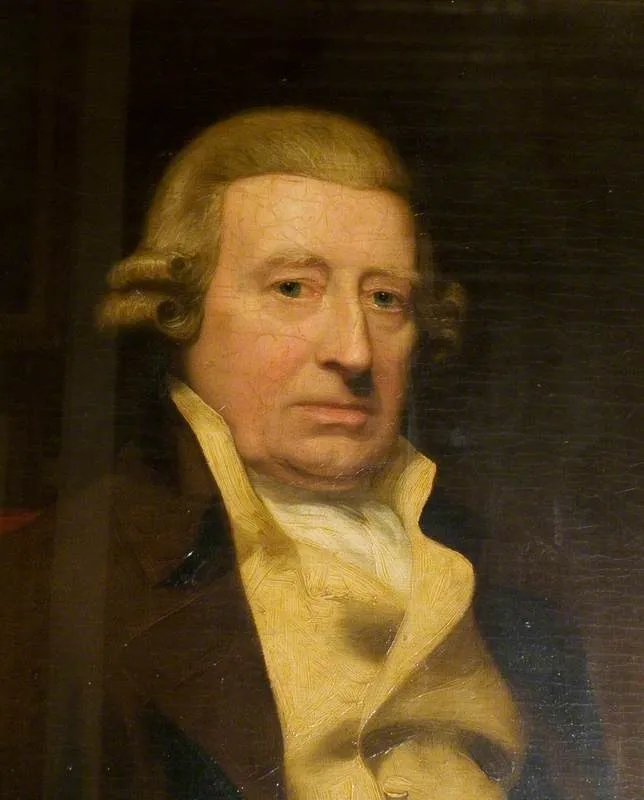
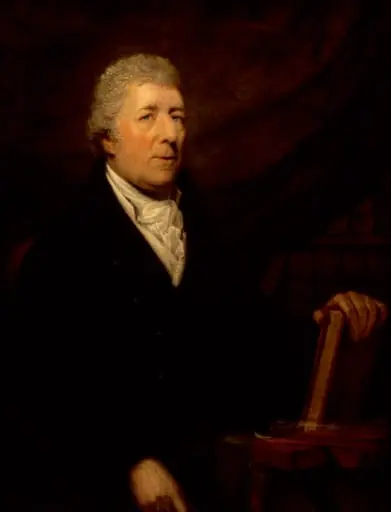
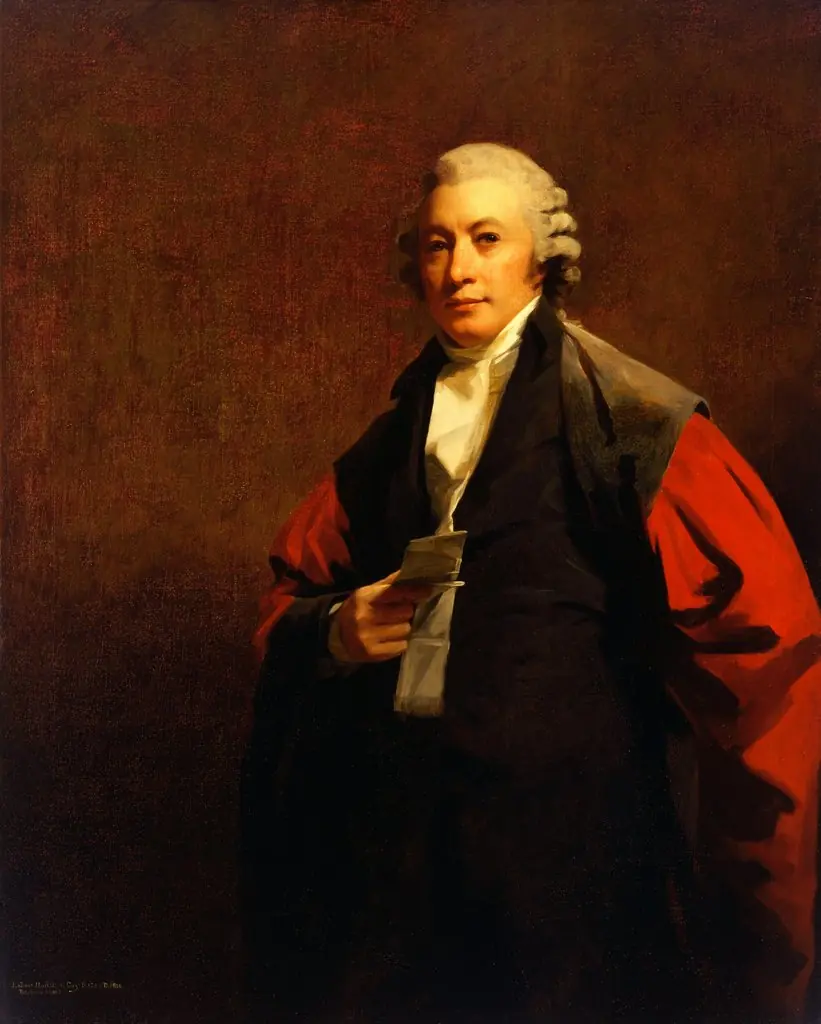
Robert Jones is an oil painting by the British Romanticist artist George Henry Harlow. It dates from 1805 and is held in the collection of the Victoria and Albert Museum.
About this work
Overview
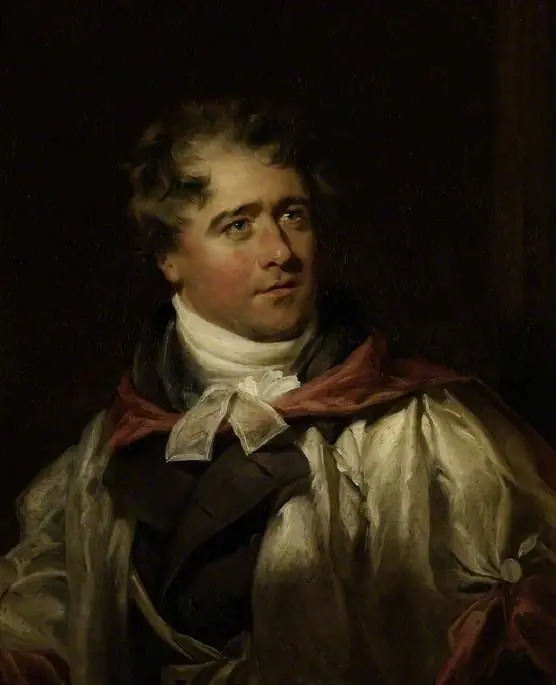
Painted in 1805 by George Henry Harlow, this oil portrait depicts Robert Jones, a man of modest social standing. The work is part of the Victoria and Albert Museum’s collection, where it is preserved as an example of early 19th-century British portraiture. Its restrained composition and muted palette reflect the period’s preference for quiet realism over theatrical display.
Subject & Meaning
Robert Jones is portrayed with a composed, introspective demeanor. His downward gaze and neutral expression suggest contemplation rather than engagement with the viewer. The absence of symbolic objects or elaborate settings implies an emphasis on personal character over status. The painting conveys a sense of inner resolve, typical of portraits that valued moral gravity over external display.
Technique & Style
Harlow employed thin, layered oil paint to achieve subtle tonal transitions, particularly in the skin and fabric textures.
Harlow employed thin, layered oil paint to achieve subtle tonal transitions, particularly in the skin and fabric textures. The dark background, softened by faint vertical strokes, isolates the figure and enhances his three-dimensionality. The palette is restrained—dominated by browns, creams, and muted yellows—emphasizing naturalism over ornamentation, aligning with the era’s shift toward understated elegance.
History & Provenance
The painting entered the Victoria and Albert Museum’s collection in the 19th century, likely through a donation or acquisition from a private estate. Its provenance before that is undocumented, but its preservation suggests it was valued by contemporaries for its quiet sincerity. No major exhibitions or alterations are recorded, indicating consistent stewardship since its acquisition.
Context
Created during the transition from Georgian to Regency aesthetics, the portrait reflects a broader cultural preference for restrained individualism. Unlike grand aristocratic portraits, this work focuses on an ordinary man, signaling a growing interest in middle-class identity. Harlow, trained in the academic tradition, adapted his style to suit this emerging social sensibility.
Legacy
Though not widely known outside institutional circles, the portrait remains a representative example of early 19th-century British portraiture that prioritized psychological presence over grandeur. It contributes to scholarly understanding of how non-elite subjects were rendered with dignity during a period of social change, offering insight into the evolving role of the individual in visual culture.
Artist & collection

 Francis Annesley
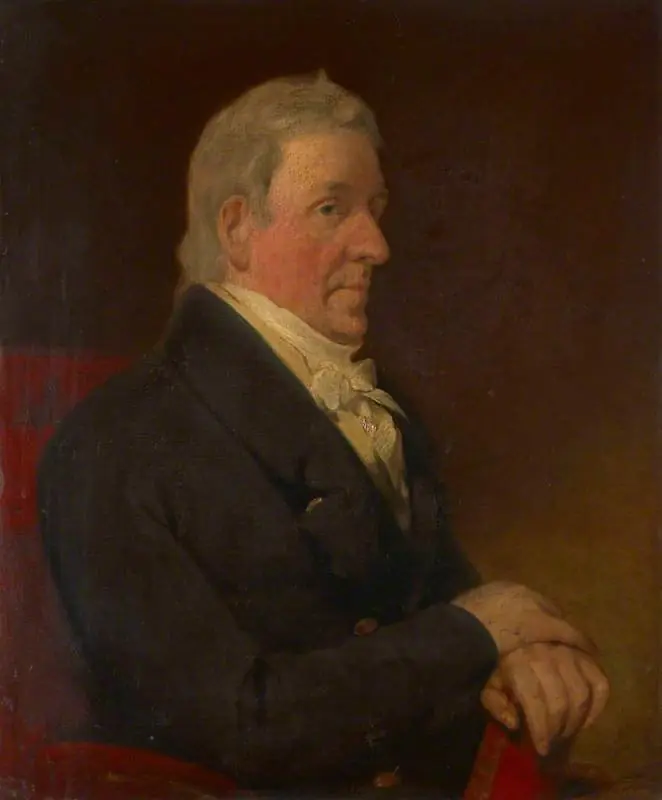 Peter Spalding (c. 1758 - 1826)
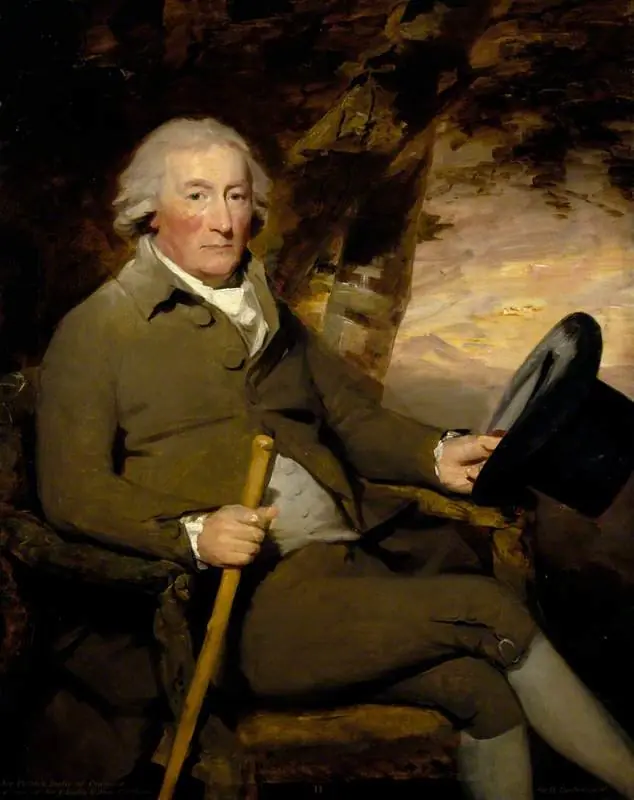 Sir Patrick Inglis, 5th Bart of Cramond (died 1817)
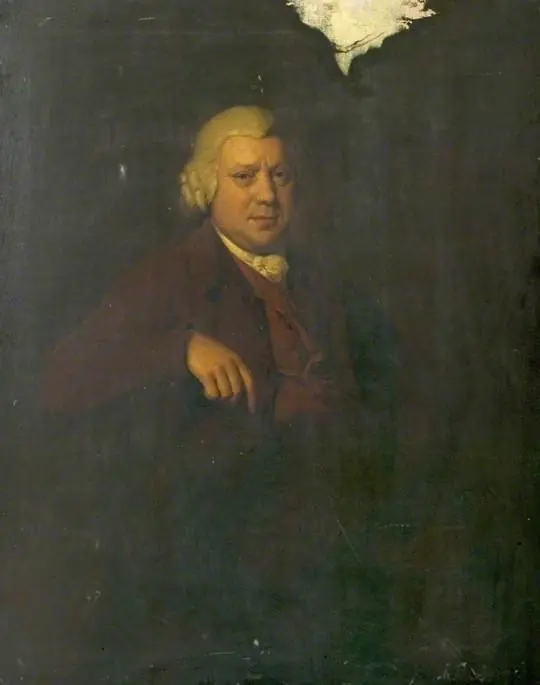 Sir Richard Arkwright (1732–1792)
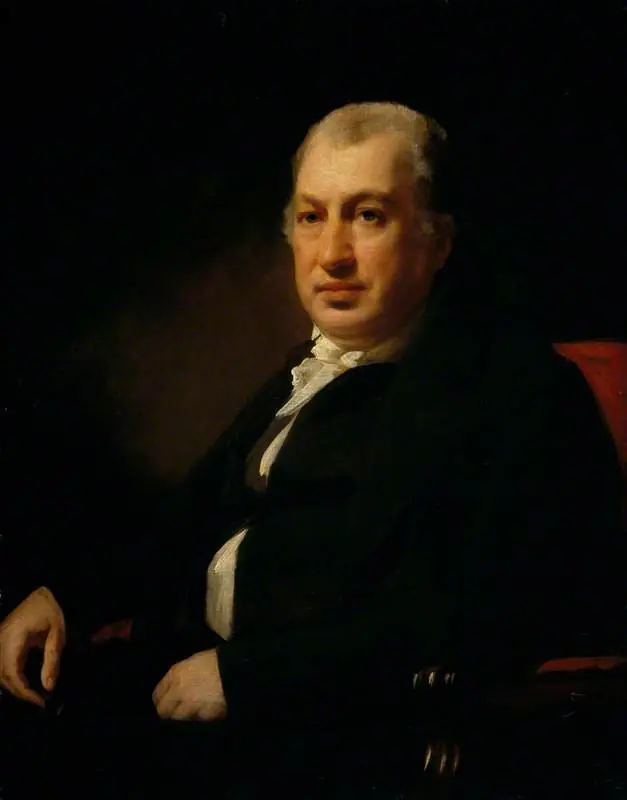 George Kinnear (1751 - 1823)
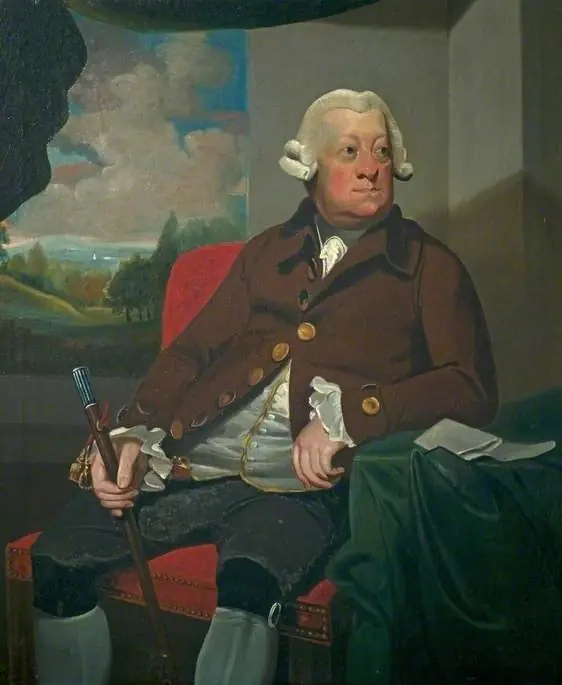 Lord George Augustus Cavendish (d.1794)
 Portrait of a Man
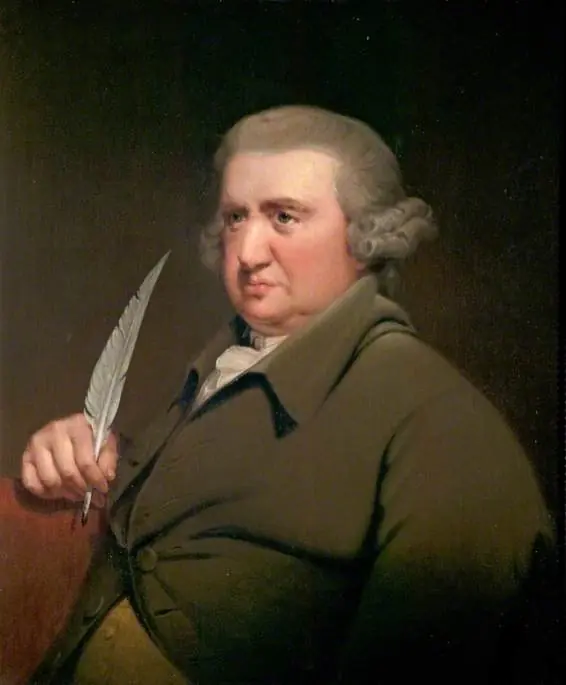 Erasmus Darwin (1731–1802)
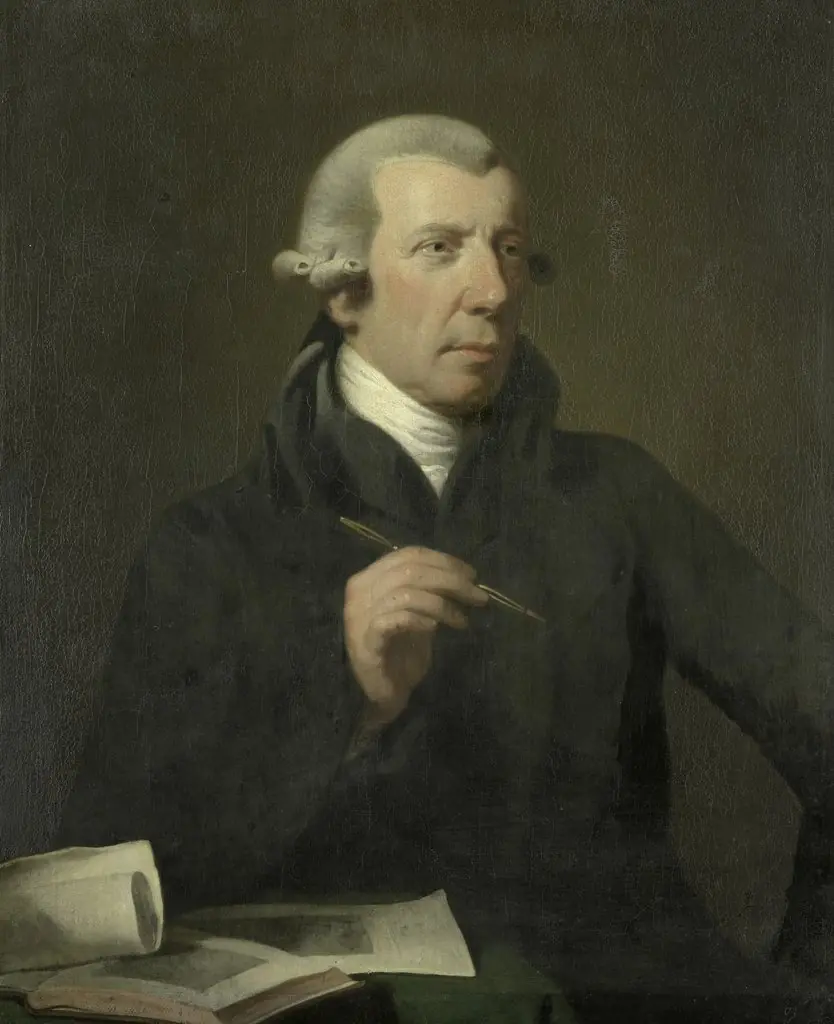 Portrait of Reinier Vinkeles, Draftsman and Engraver
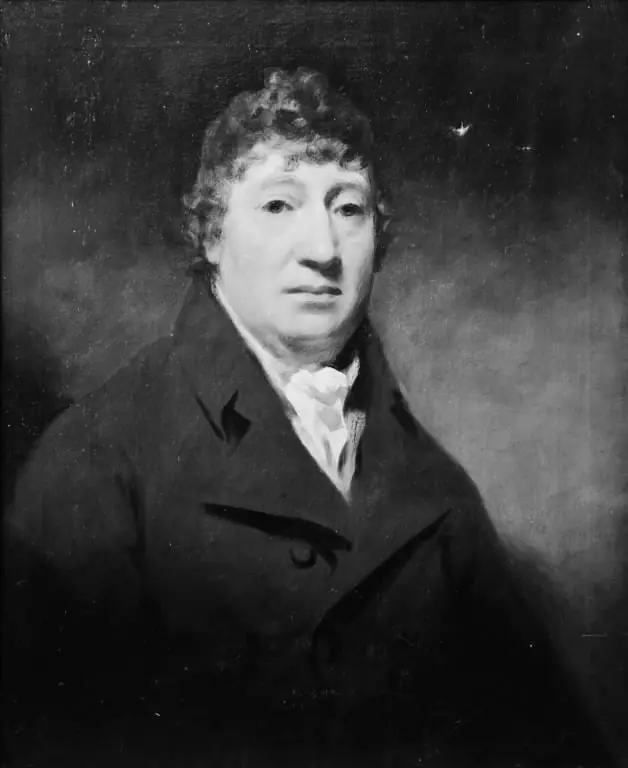 Portrait of a Man
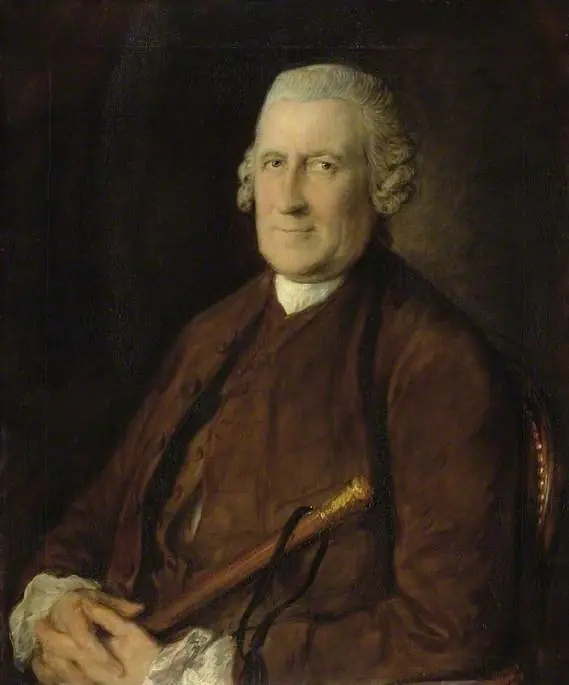 The Hon. William Fitzwilliam
 Robert Hodshon Cay