Artwork
Professor Charles Hague
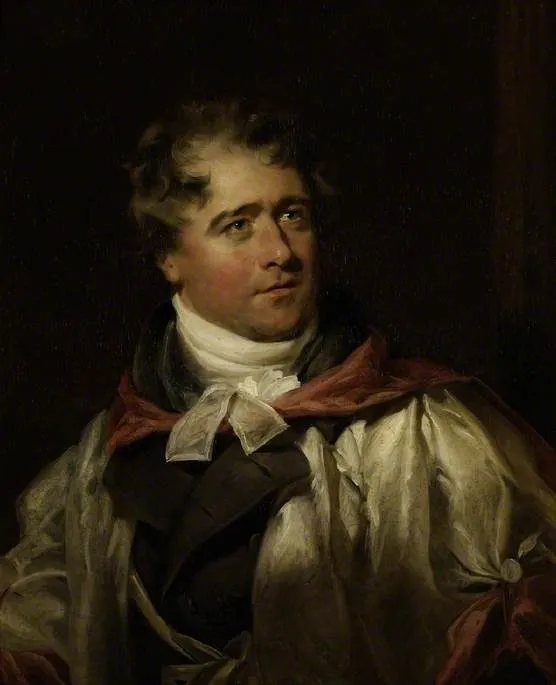
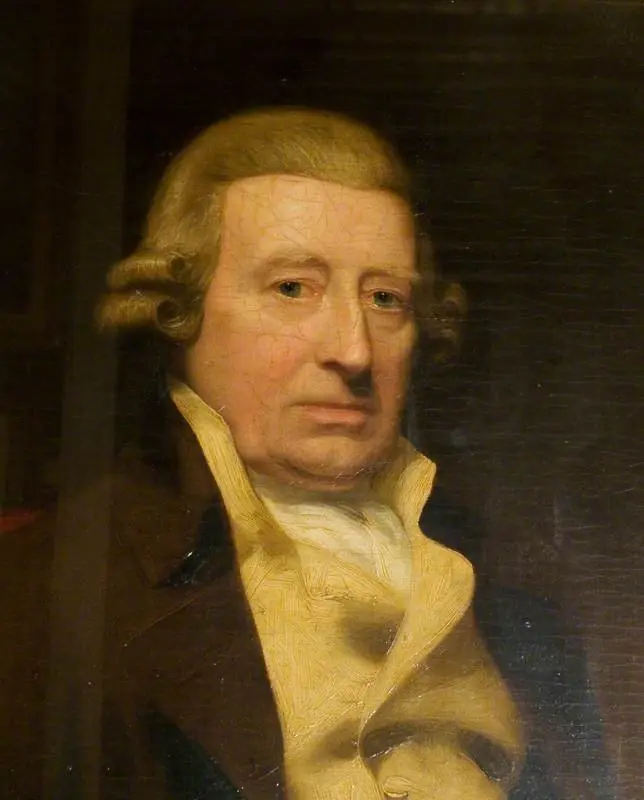
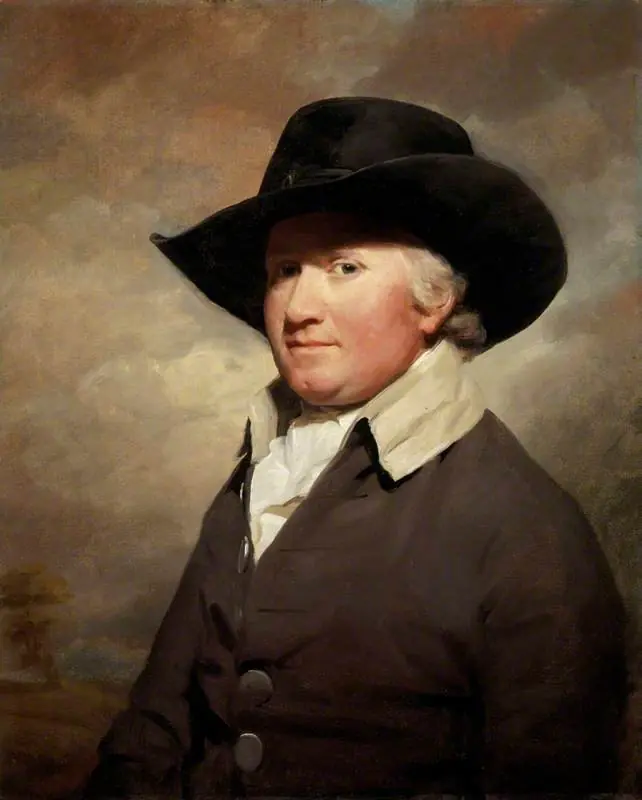
Professor Charles Hague is an oil painting by George Henry Harlow. It dates from 1813 and is held in the collection of the Fitzwilliam Museum.
About this work
Overview
George Henry Harlow’s 1813 oil portrait presents Charles Hague, a figure of early nineteenth‑century academic or clerical standing. Executed in a modest size, the work now belongs to the Fitzwilliam Museum’s collection, where it serves as a representative example of Harlow’s portraiture during his mature period.
Subject & Meaning
The sitter is shown with tightly curled hair, a crisp white shirt beneath a dark coat, and a distinctive red‑and‑white cape that hints at formal academic dress. The composition emphasizes his dignified bearing, suggesting a man respected for intellectual or ecclesiastical contributions rather than aristocratic lineage.
Technique & Style
Harlow employs a restrained chiaroscuro, allowing the darkened backdrop to recede while the illuminated face and garments emerge with clear modelling. The brushwork is smooth in the flesh tones, contrasting with a more textured handling of the cape’s folds, creating a subtle sense of depth without overt dramatization.
History & Provenance
Completed in 1813, the portrait entered the Fitzwilliam Museum’s holdings through acquisition in the early twentieth century, reflecting the institution’s focus on British portraiture. Its presence in the museum provides scholars a point of reference for Harlow’s approach to representing learned individuals of his era.
Artist & collection

 Philip Dupont
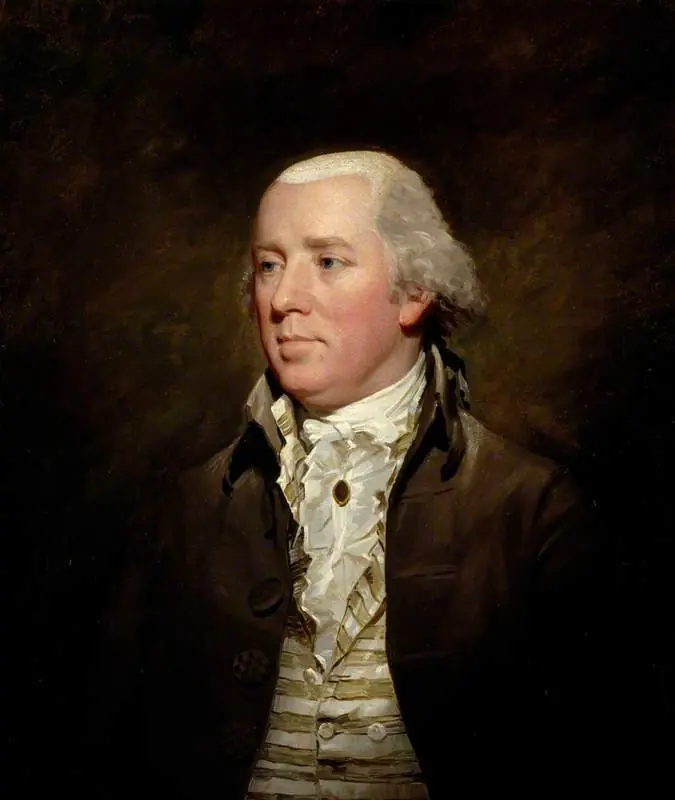 John Smith of Craigend (1739 - 1816)
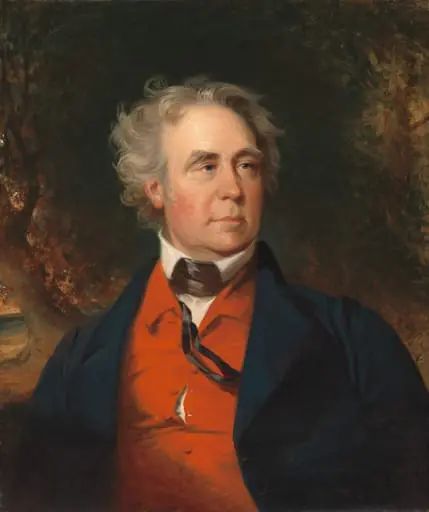 Richard Mentor Johnson
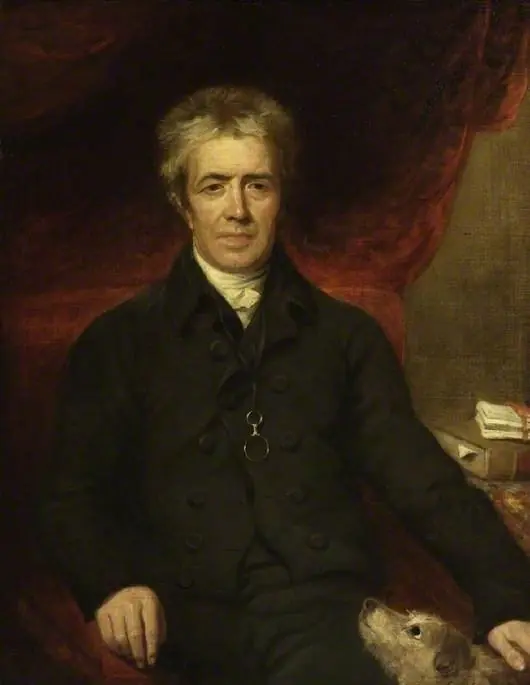 George Dyer, with his dog, Daphne
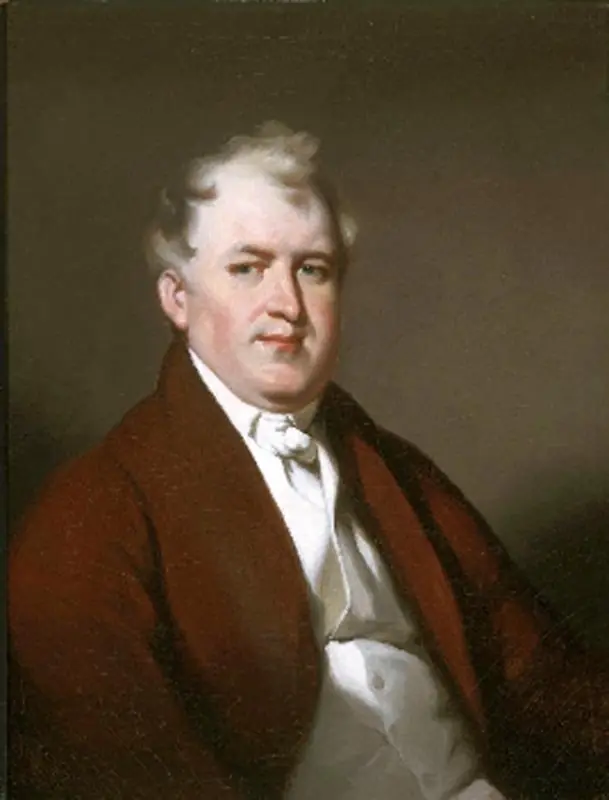 Portrait of Nathan Dunn
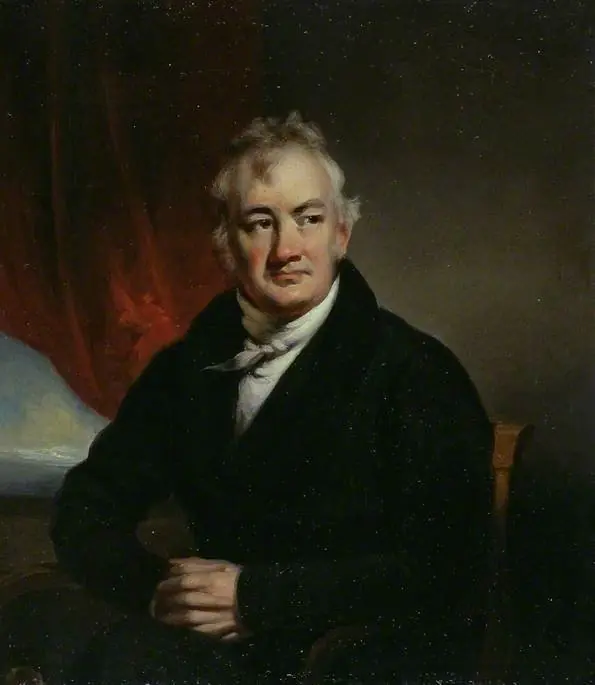 Portrait of John Reeves, 1774-1856
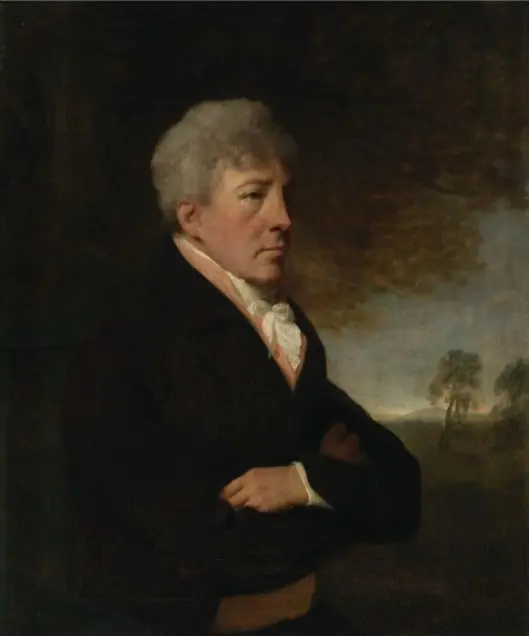 Portrait of Sir John Edward Browne
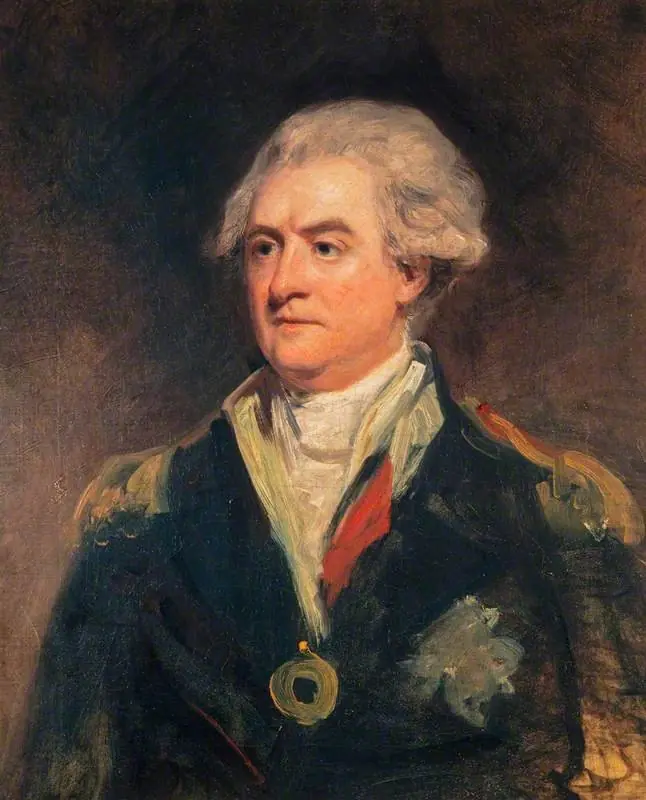 Admiral Adam Duncan, 1st Viscount Duncan of Camperdown (1731 - 1804)
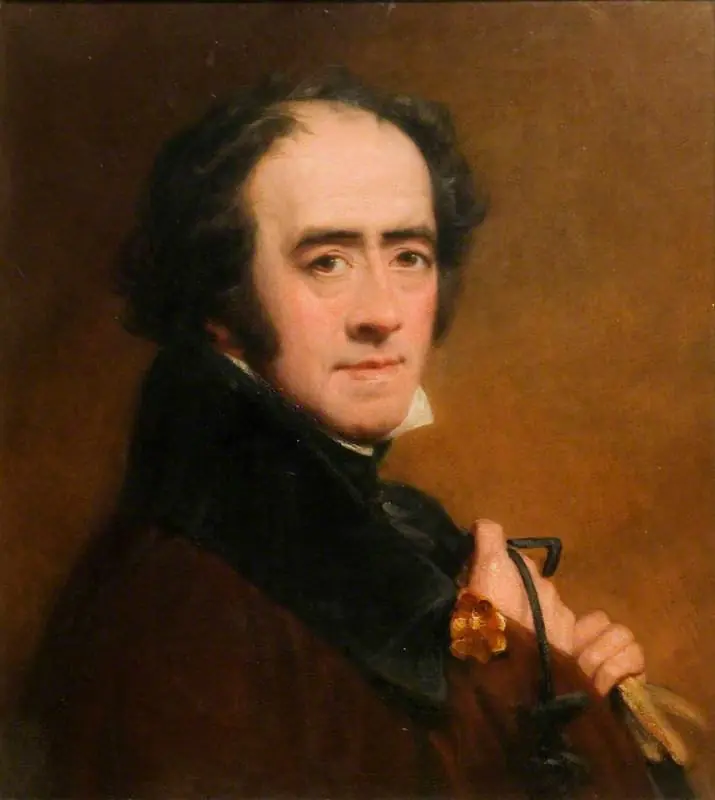 Self Portrait
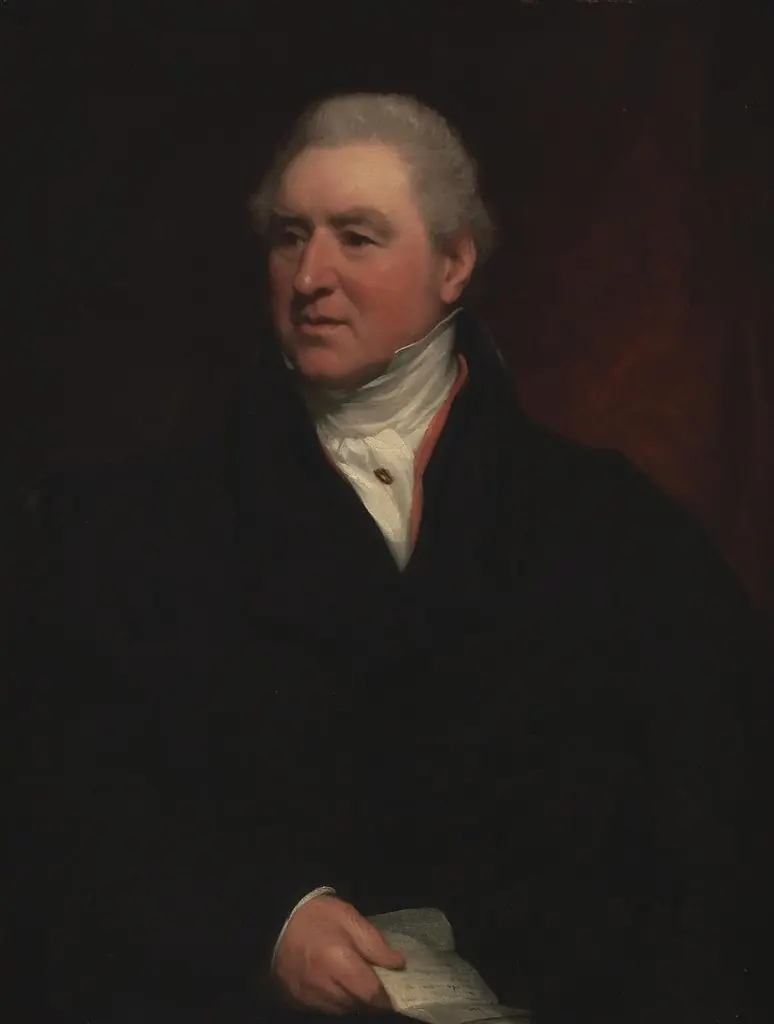 John Lloyd-Williams
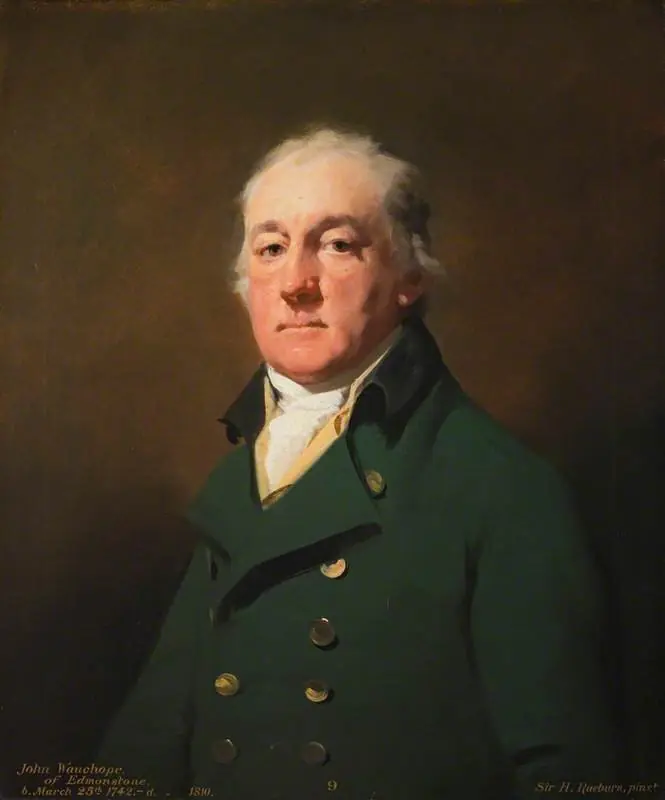 John Wauchope of Edmonstone (1742 - 1810)
 David Hunter of Blackness (died 1809)