Artwork
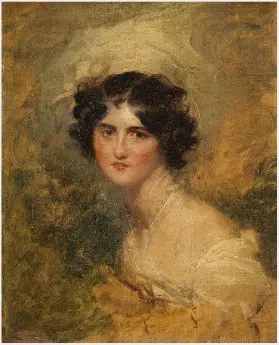
Portrait of a Young Lady
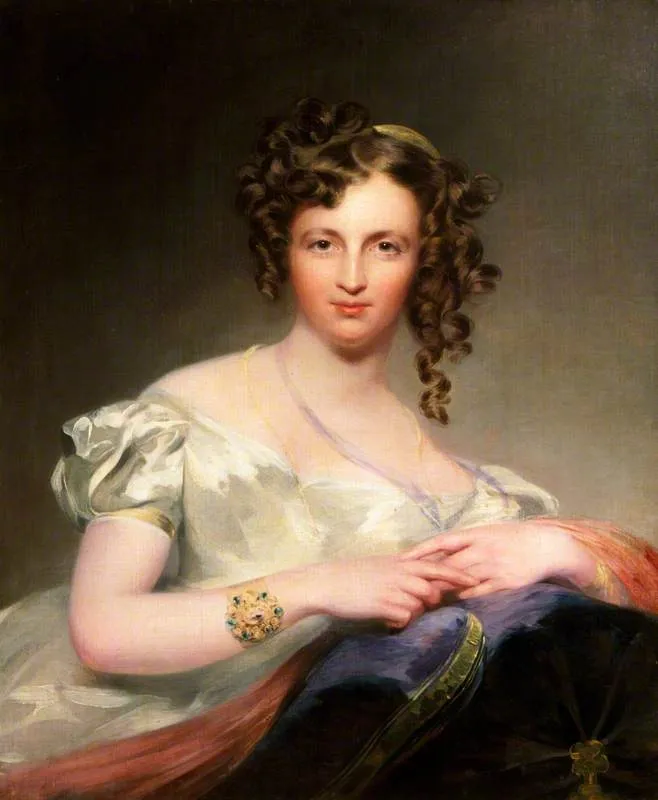
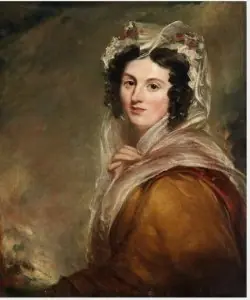
Portrait of a Young Lady is an oil painting by George Henry Harlow. It dates from 1813 and is held in the collection of the Victoria and Albert Museum.
About this work
Overview
George Henry Harlow’s oil portrait, dated around 1813, depicts a young woman rendered against a dark backdrop. The work resides in the Victoria and Albert Museum, representing an early‑19th‑century British approach to portraiture that emphasizes compositional clarity and restrained elegance.
Subject & Meaning
The sitter is presented in a white dress with voluminous sleeves, a gold necklace, and loosely curled brown hair. Her gaze meets the viewer directly, while her neutral expression conveys a calm, introspective presence, inviting contemplation rather than narrative drama.
Technique & Style
Executed in oil on canvas, Harlow employs a limited palette that contrasts the luminous white of the dress with the deep, muted background. The handling of light accentuates the texture of the fabric and jewelry, while the soft modeling of the face reflects the artist’s skill in rendering flesh tones with subtle gradations.
History & Provenance
Created circa 1813, the portrait entered the collection of the Victoria and Albert Museum, where it remains on display. Its acquisition history is documented through museum records, confirming its attribution to Harlow and its status as a representative example of his early work.
Context
Harlow worked during a period when British portraiture was shifting toward a more intimate, domestic focus. The painting’s subdued mood and emphasis on the sitter’s individuality align with contemporary tastes that favored personal representation over grand historical or mythological themes.
Artist & collection

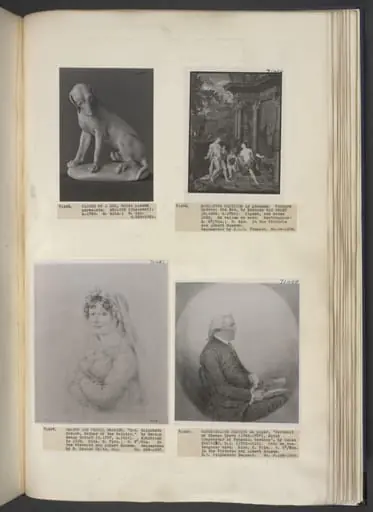
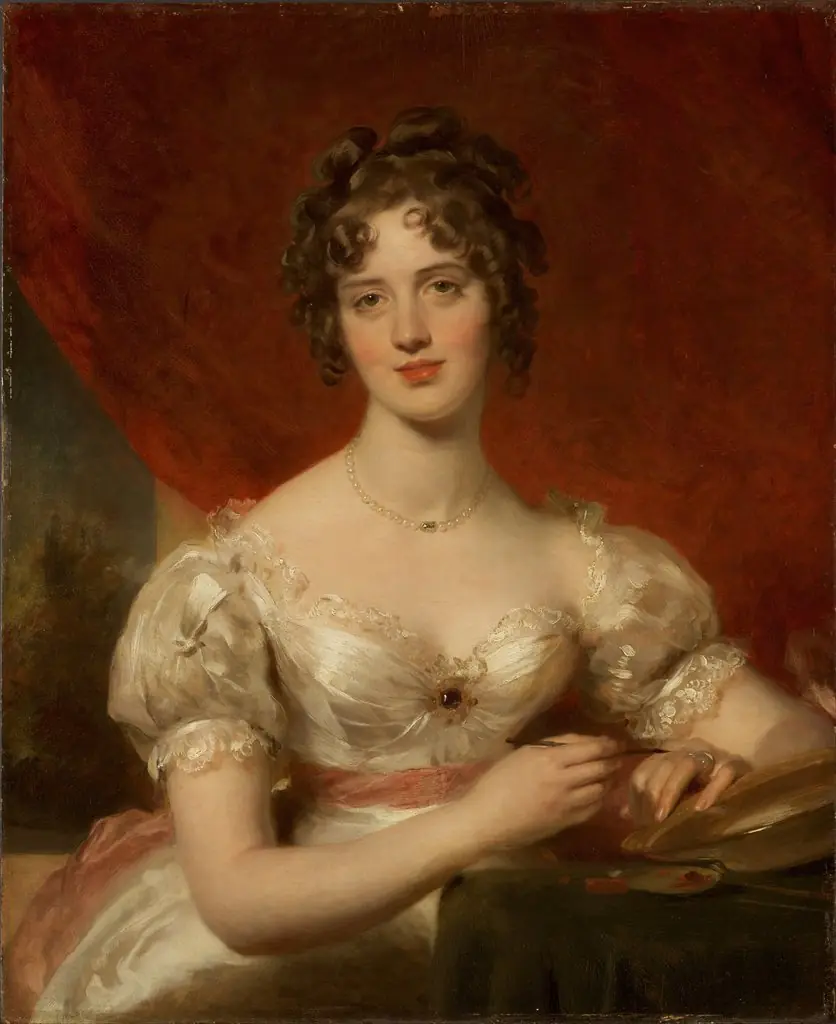 Portrait of Mary Anne Bloxam (later Mrs. Frederick H. Hemming)
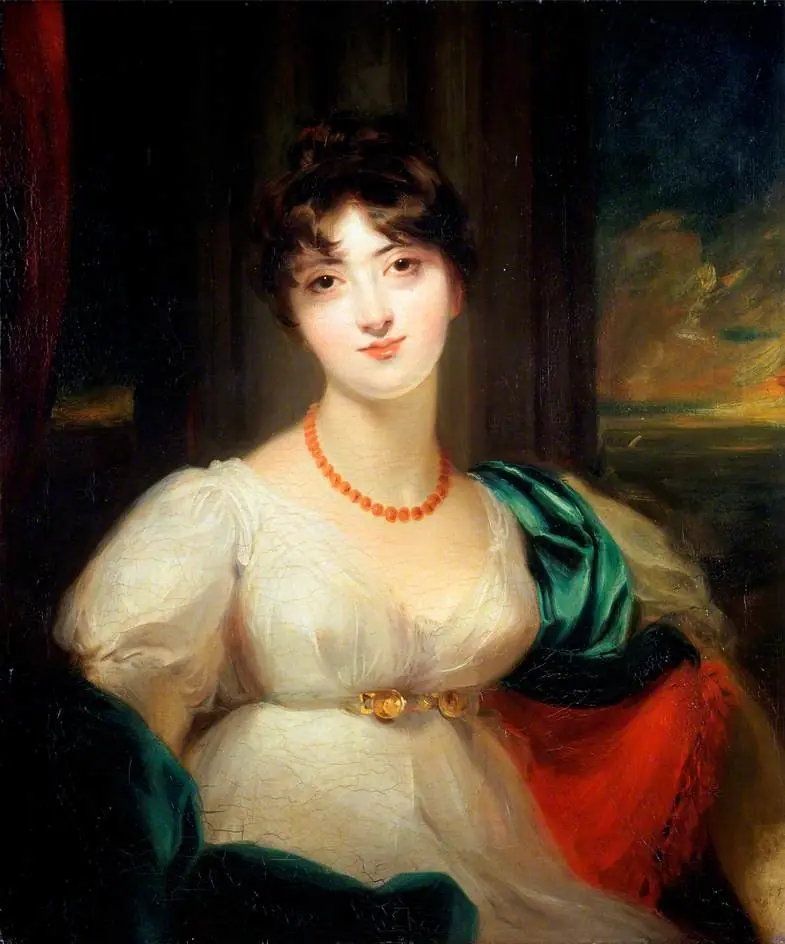 Paulina (1784–1823), First Wife of Sir Codrington Edmund Carrington
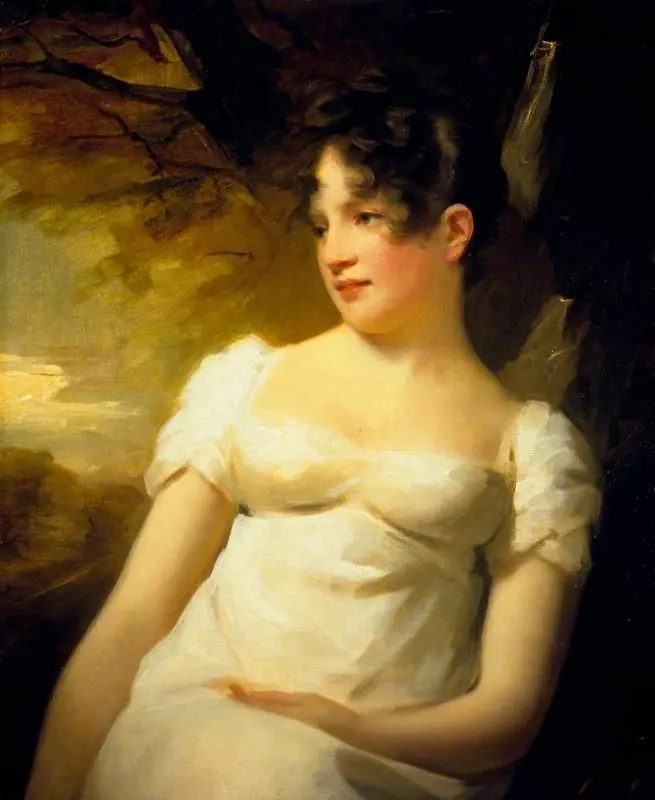 Miss Lamont of Greenock
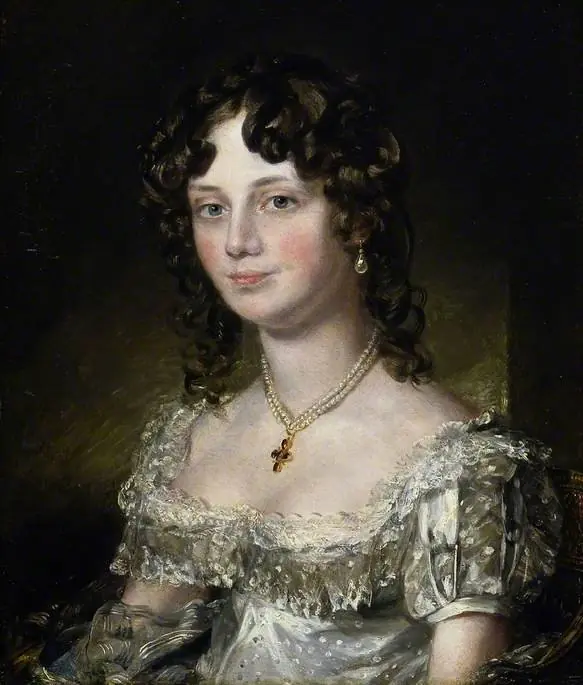 Mrs Mary Fisher
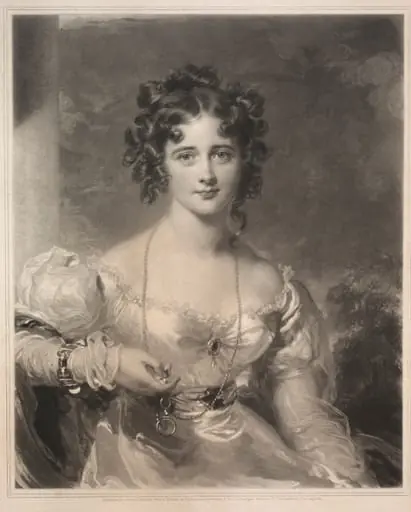 Miss Rosamond Croker
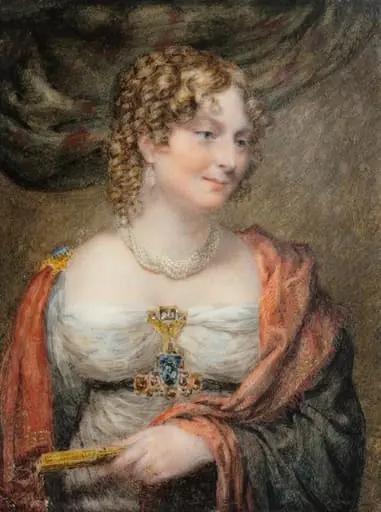 Portrait of Anne Law (née Towry), 1st Lady Ellenborough
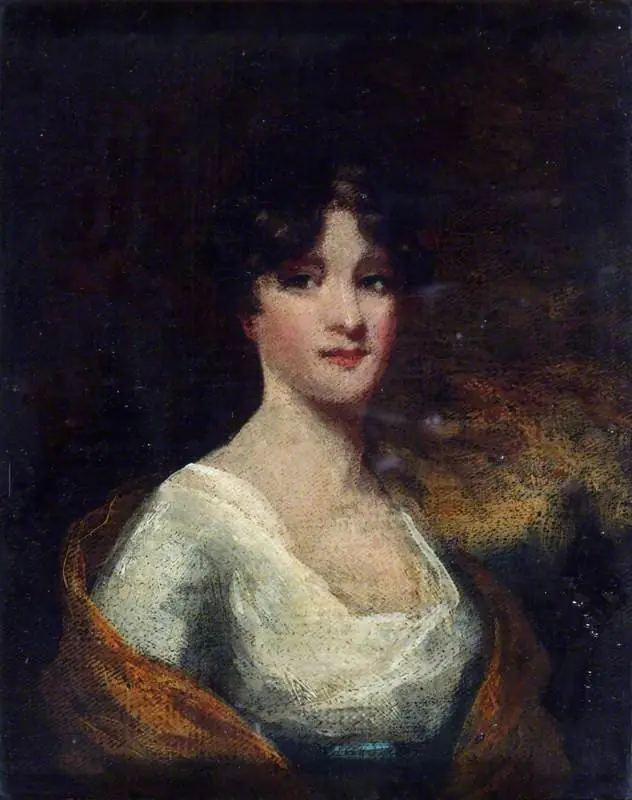 Portrait of a Lady
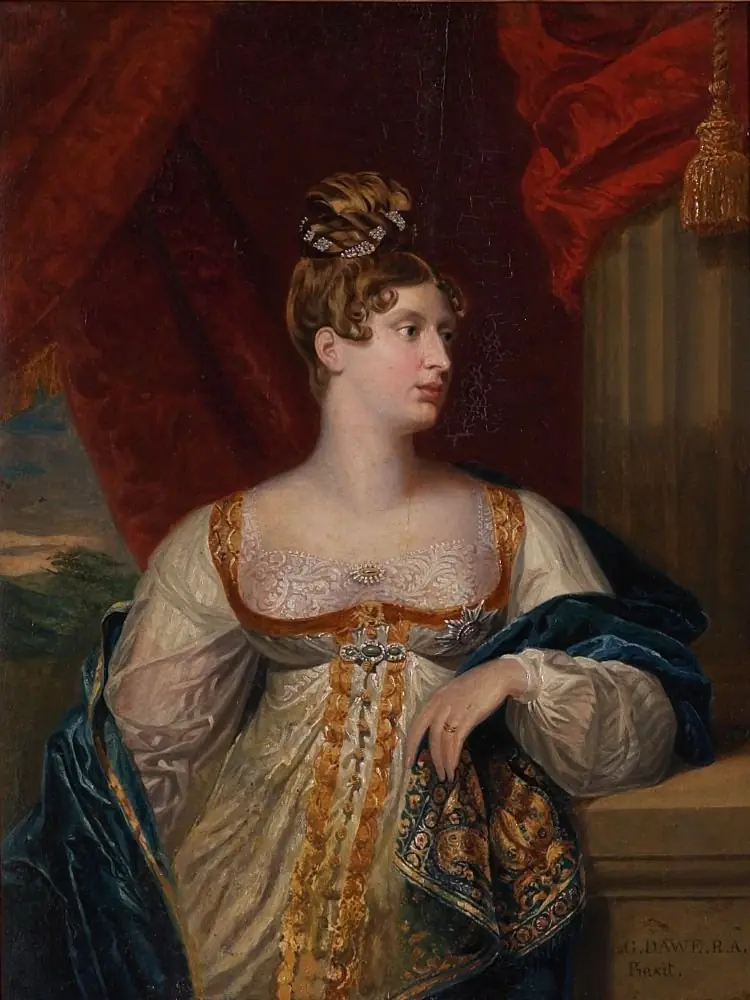 Portrait of Princess Charlotte of Wales
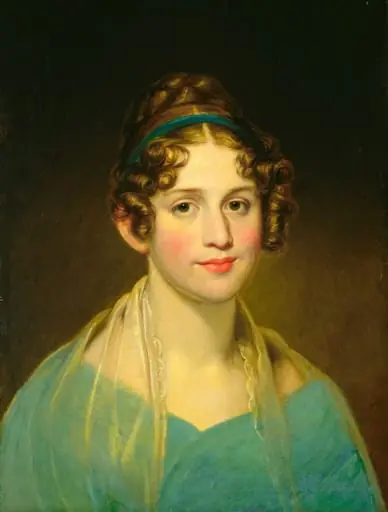 Sarah Blake Sturgis
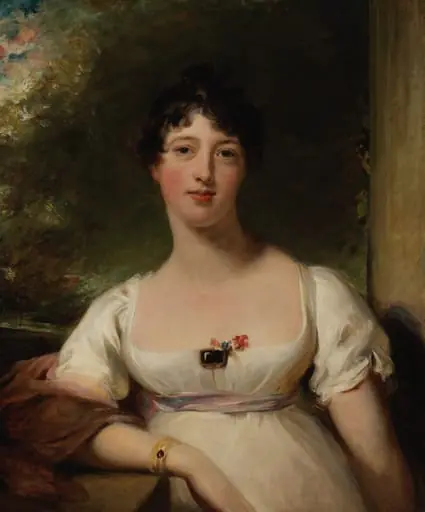 Anna Maria Dashwood, later Marchioness of Ely
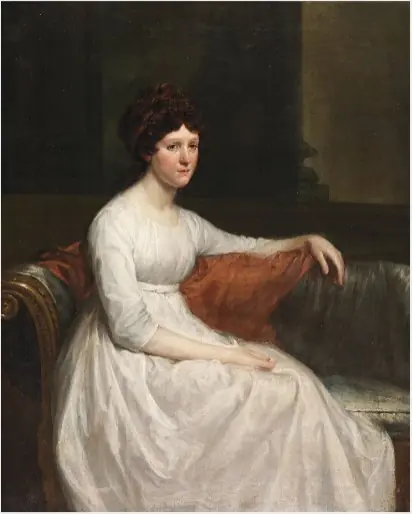 Portrait of Angelina Smith (1770-1808), Daughter of Michael Smith, future 1st Bt
 Portrait of Mrs Cregan (Jane Schwerzell)