Artwork
Scene in Perugia
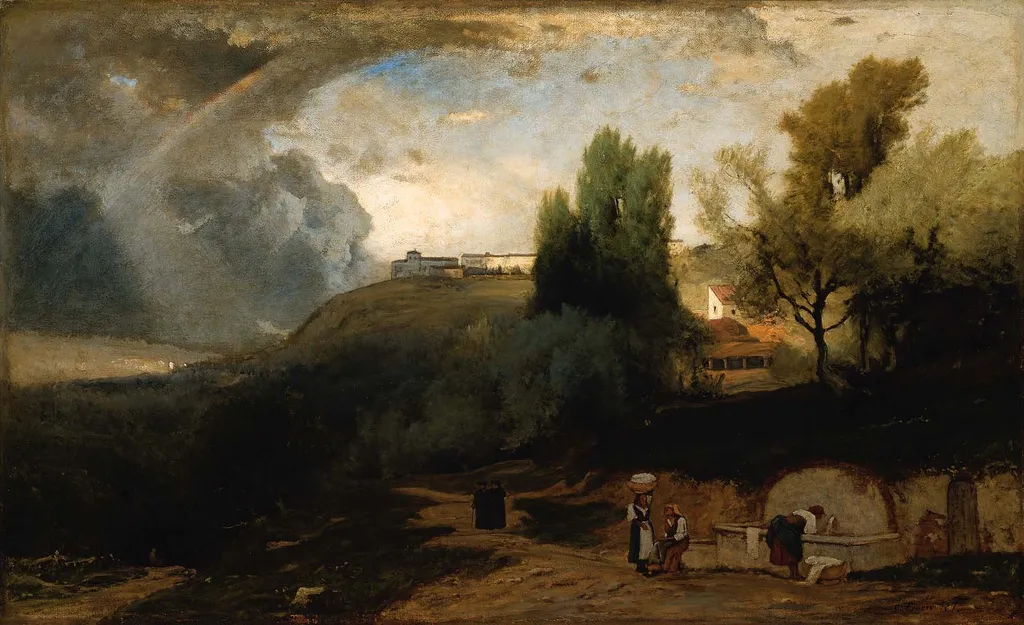
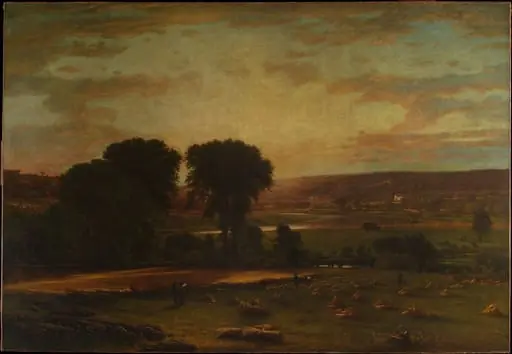
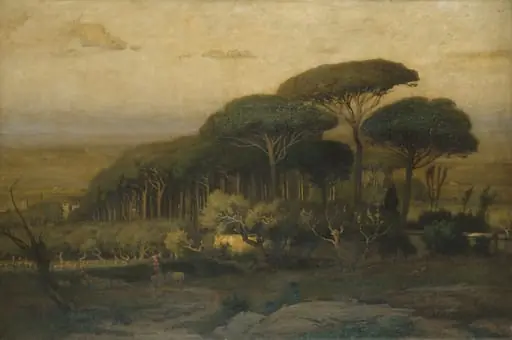
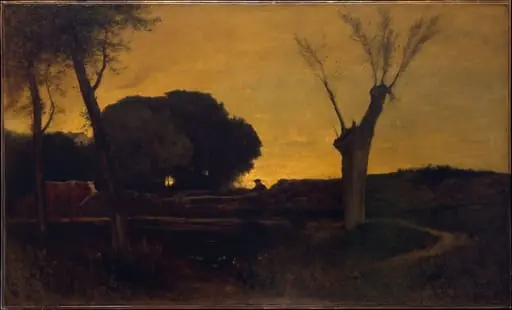
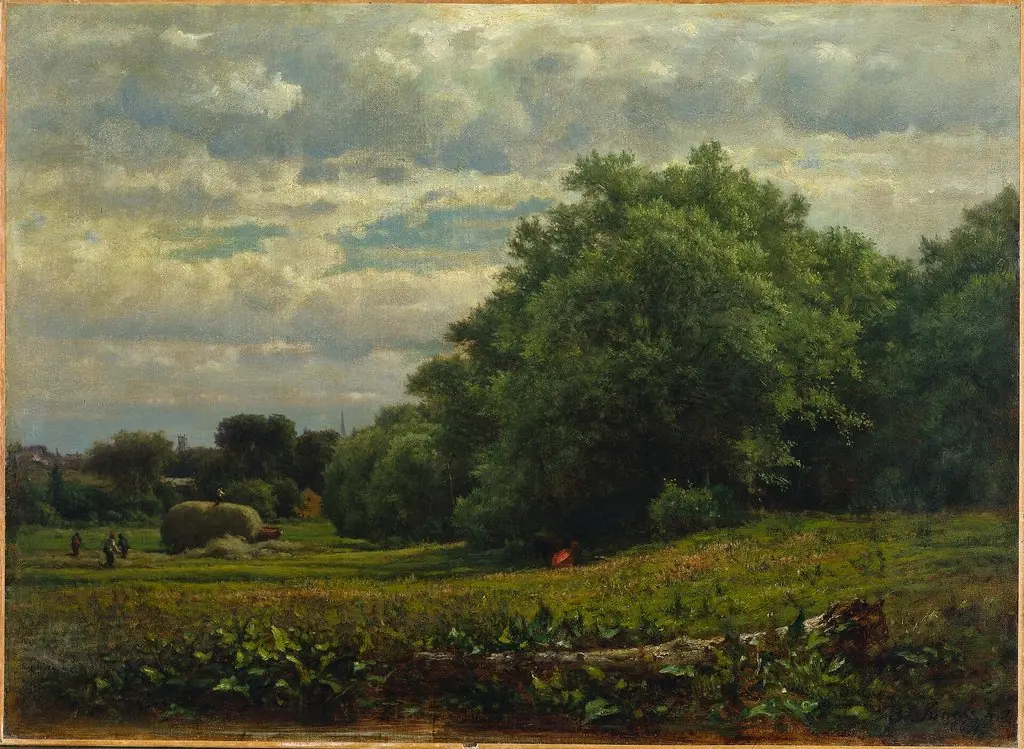
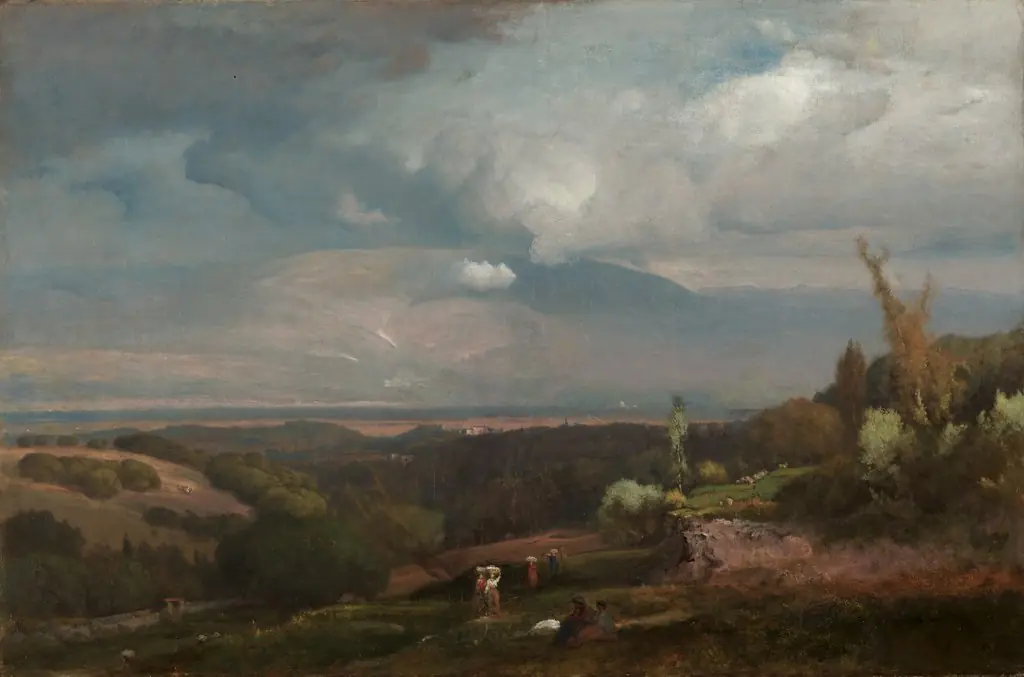
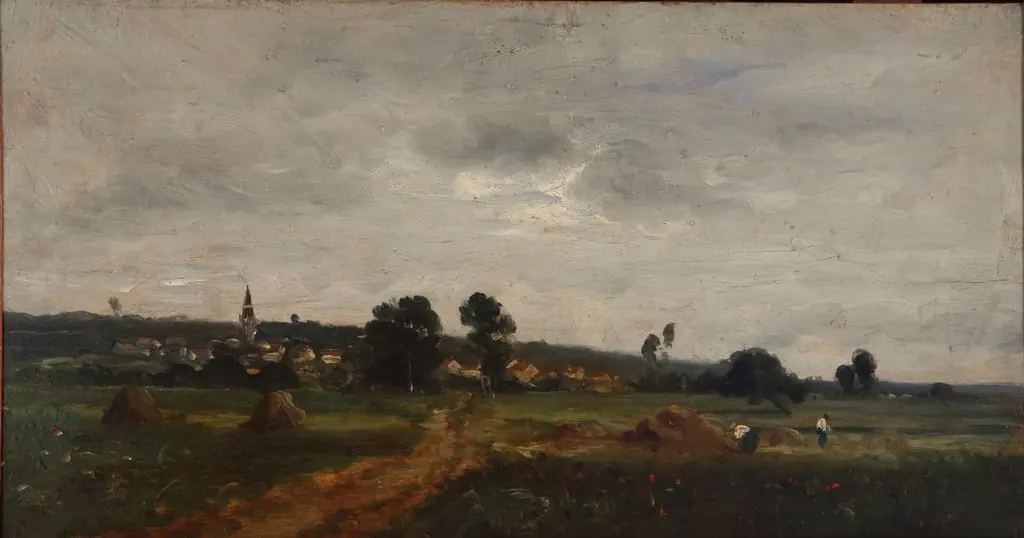
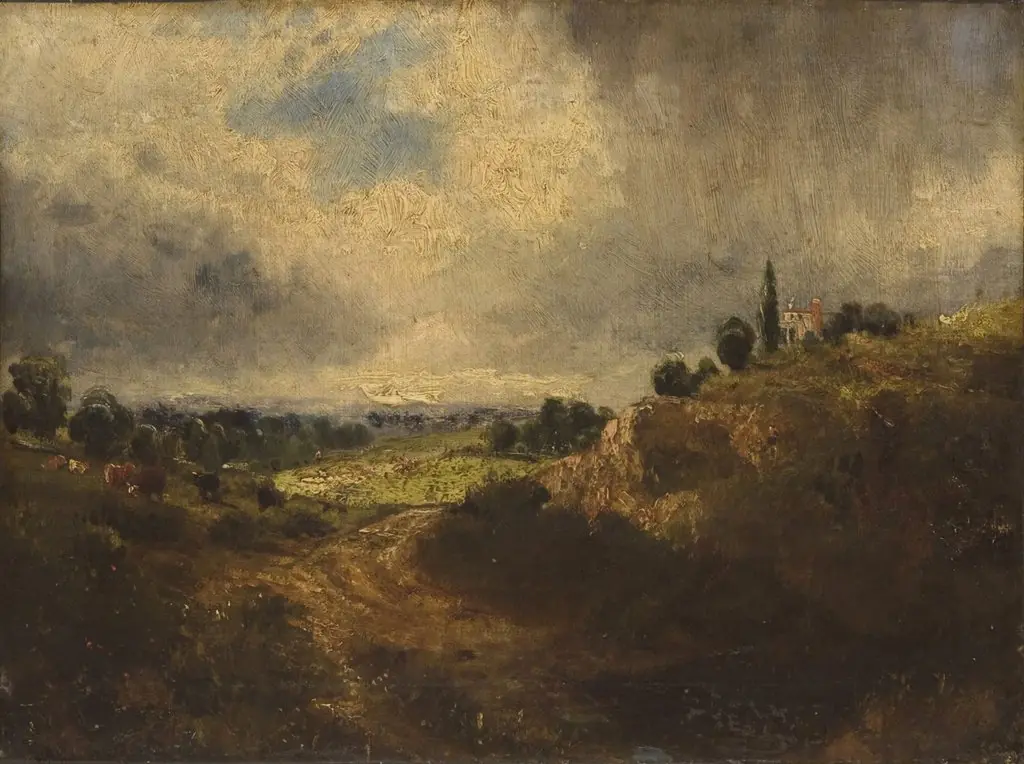
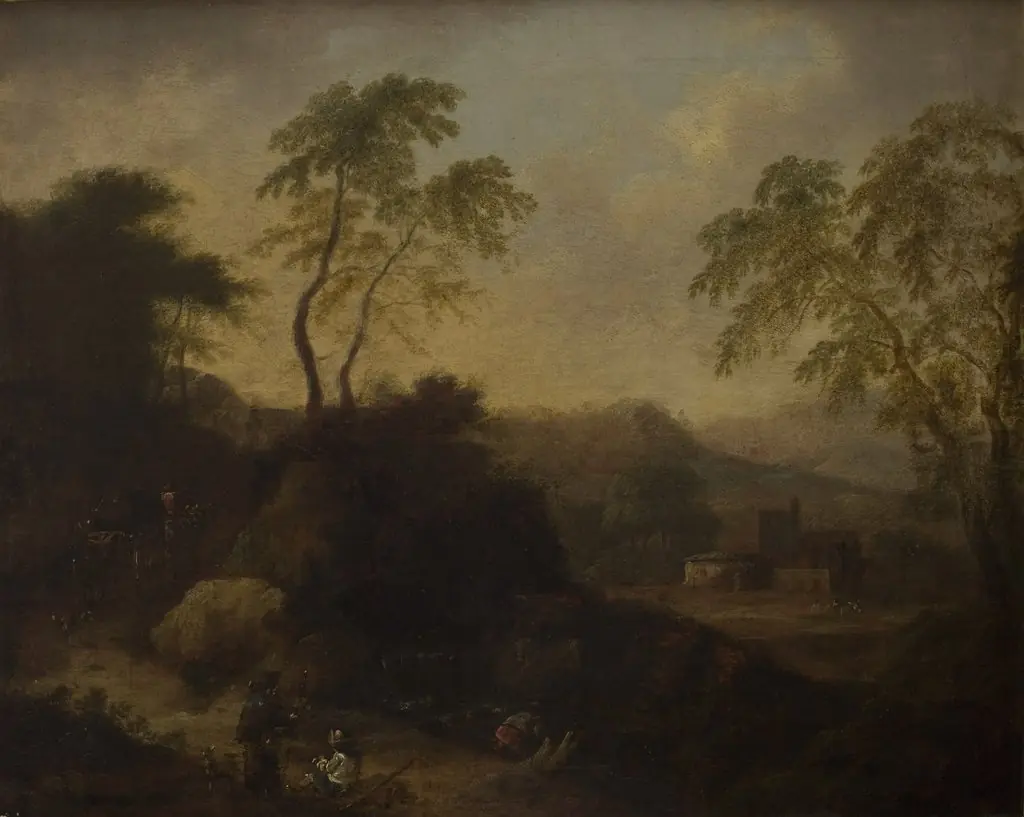
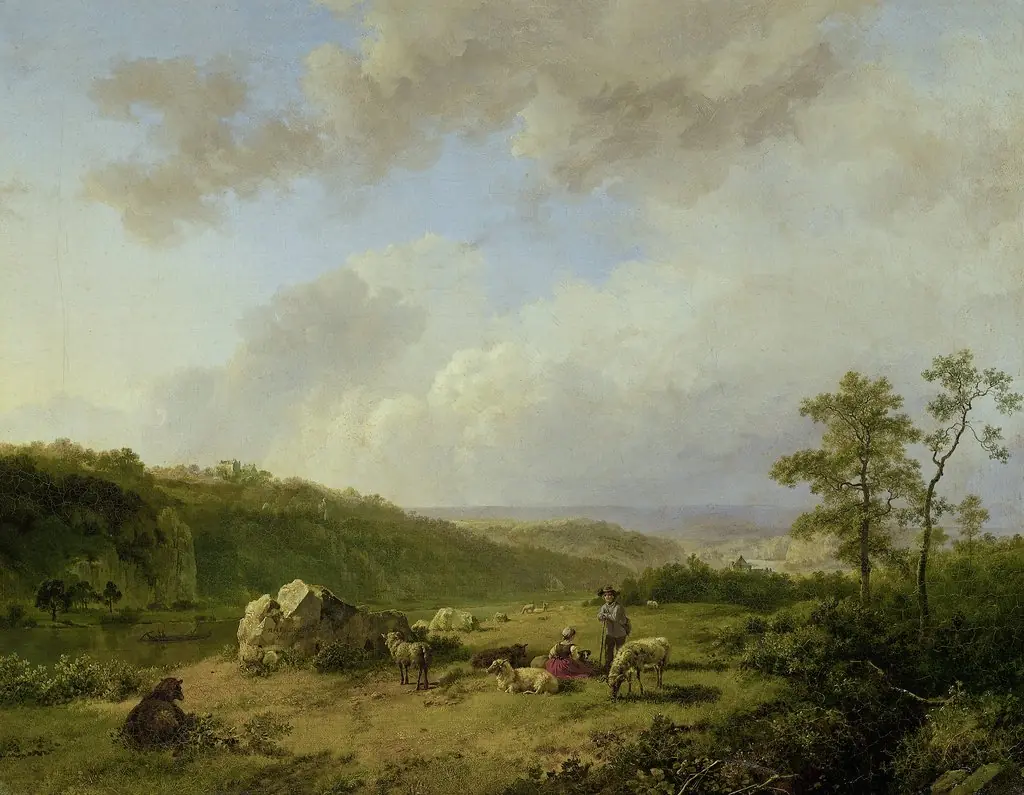
Scene in Perugia is an oil painting by the American Impressionist artist George Inness. It dates from 1875 and is held in the collection of the Museum of Fine Arts Boston.
About this work
Overview
The work reflects his transition from the detailed realism of the Hudson River School toward a more atmospheric, emotionally resonant style.
George Inness completed Scene in Perugia in 1875, an oil-on-canvas landscape capturing a quiet Italian countryside. Though American by training and residence, Inness drew from European traditions during this phase of his career. The work reflects his transition from the detailed realism of the Hudson River School toward a more atmospheric, emotionally resonant style. It is now part of the Museum of Fine Arts, Boston’s permanent collection.
Subject & Meaning
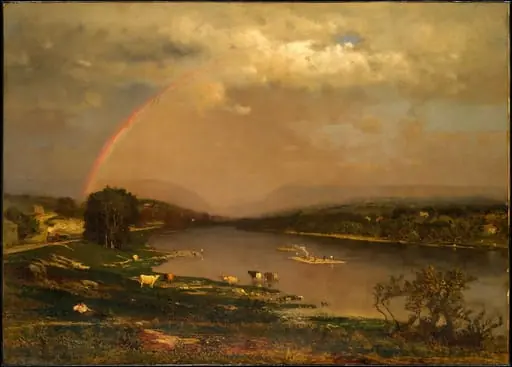
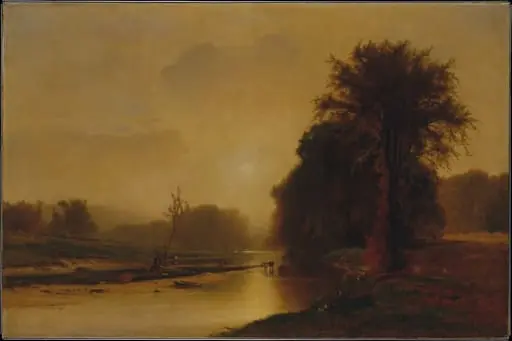
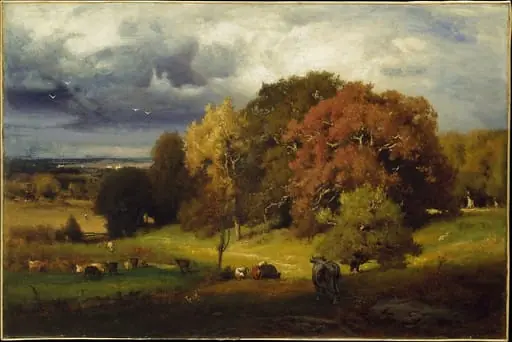
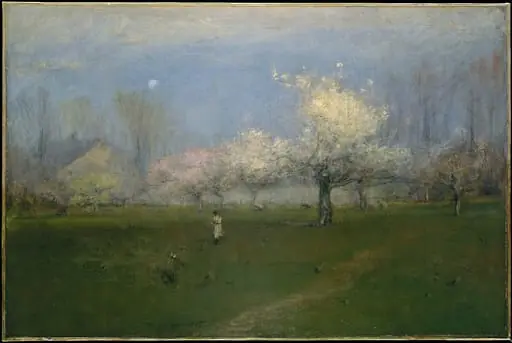
The painting depicts a serene, unpopulated stretch of land near Perugia, with rolling hills, scattered trees, and distant structures under a soft, overcast sky. There is no narrative focus—instead, Inness emphasizes mood and stillness. His interest in Swedenborgian spirituality informed this approach, suggesting the natural world as a vessel for inner contemplation rather than mere topographical record.
Technique & Style
Inness employed loose, visible brushwork and a restrained palette of earthy greens and browns to evoke atmosphere over detail. Light is diffused rather than sharply defined, creating a hazy, meditative quality. While not strictly adhering to chiaroscuro, he used subtle tonal shifts to suggest depth and volume, aligning with Barbizon School practices that prioritized emotional tone over precise rendering.
History & Provenance
Painted during Inness’s European travels, Scene in Perugia emerged from a period of intense artistic reevaluation. After early success in the Hudson River School style, he absorbed influences from French and Dutch landscape painters. The work entered the Museum of Fine Arts, Boston’s collection in the late 19th century, where it has remained as part of a broader effort to document American artists’ engagement with European traditions.
Context
In the 1870s, American artists increasingly looked beyond national borders for inspiration. Inness’s shift toward tonalism and spiritualized landscape mirrored broader trends in post-Civil War art, where emotional depth and introspection replaced grand narratives. His work stood apart from both academic realism and emerging Impressionism, carving a space between observation and inner experience.
Legacy
Scene in Perugia exemplifies Inness’s mature vision: landscapes as quiet vessels of spiritual reflection. Though less celebrated than his contemporaries, his influence extended to later American tonalists who prioritized mood and atmosphere. The painting remains a key example of how 19th-century American artists synthesized European aesthetics to articulate a uniquely personal, introspective mode of seeing.
Artist & collection

Artist
George Inness (May 1, 1825 – August 3, 1894) was an American landscape painter. Now recognized as one of the most influential American artists of the nineteenth century, Inness was influenced by the Hudson River School…