Artwork
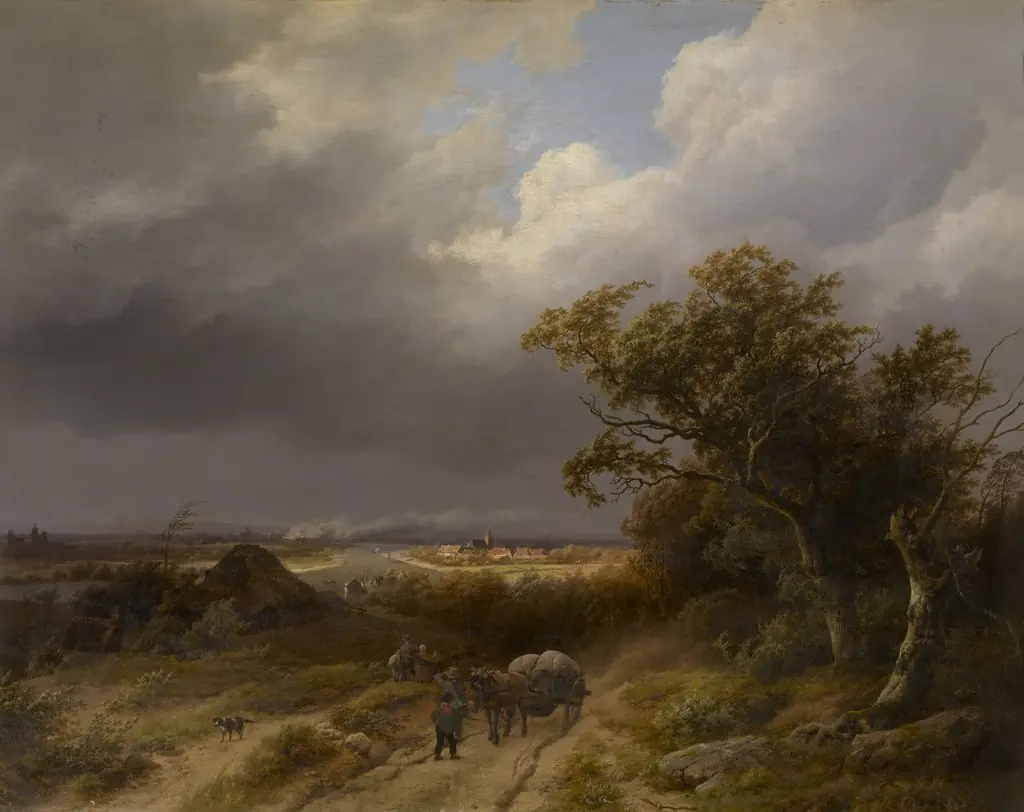
Landscape with an approaching Rainstorm
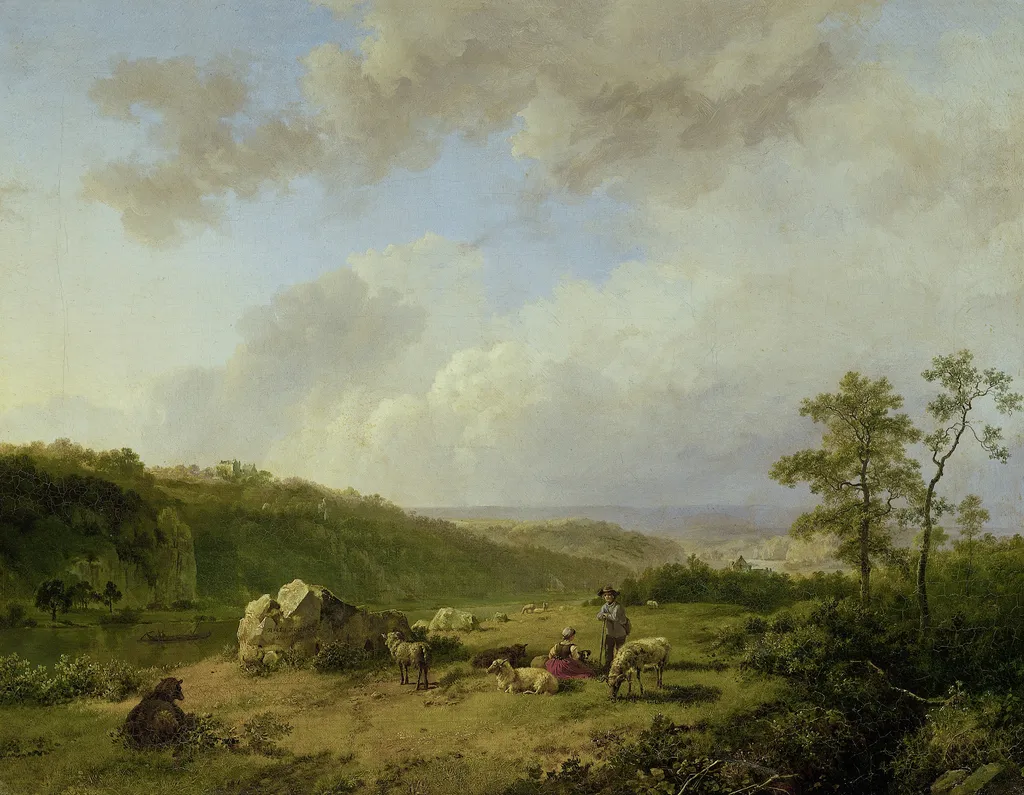
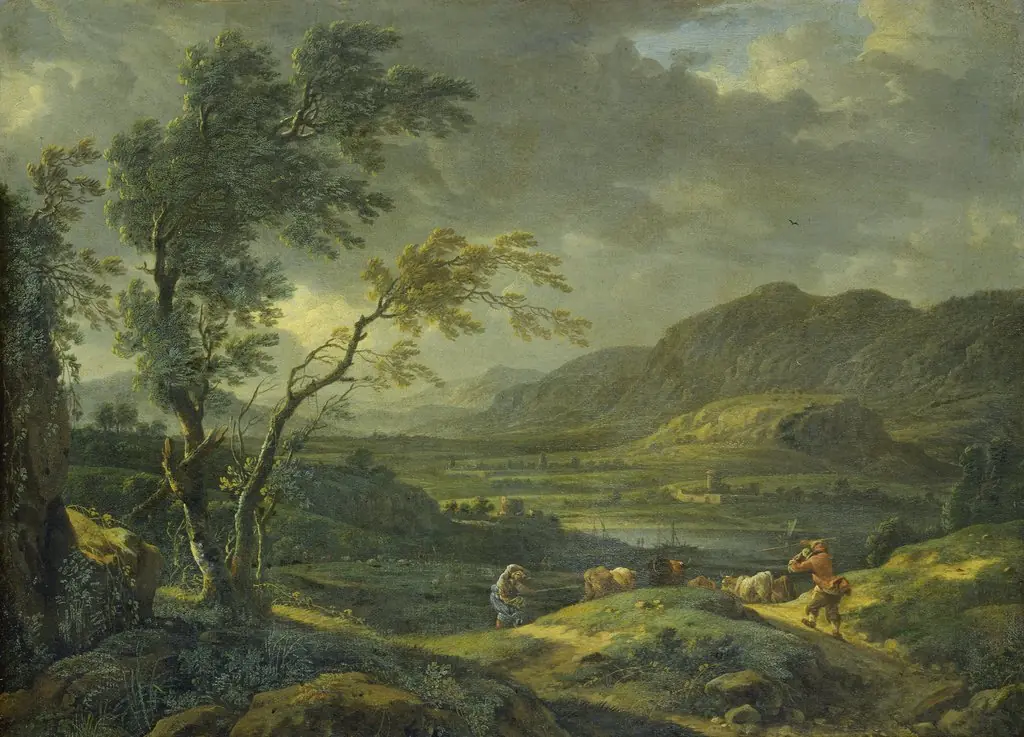
Landscape with an approaching Rainstorm is an oil painting by Barend Cornelis Koekkoek. It dates from 1825 and is held in the collection of the Rijksmuseum.
About this work
Overview
Koekkoek, a leading figure in his family of artists, focused on natural scenes with careful attention to atmospheric conditions and spatial depth.
Painted in 1825 by Barend Cornelis Koekkoek, this oil-on-canvas work captures a quiet moment before a storm arrives over a Dutch countryside. It belongs to the landscape tradition of 19th-century Dutch painting and is part of the Rijksmuseum’s collection. Koekkoek, a leading figure in his family of artists, focused on natural scenes with careful attention to atmospheric conditions and spatial depth.
Subject & Meaning
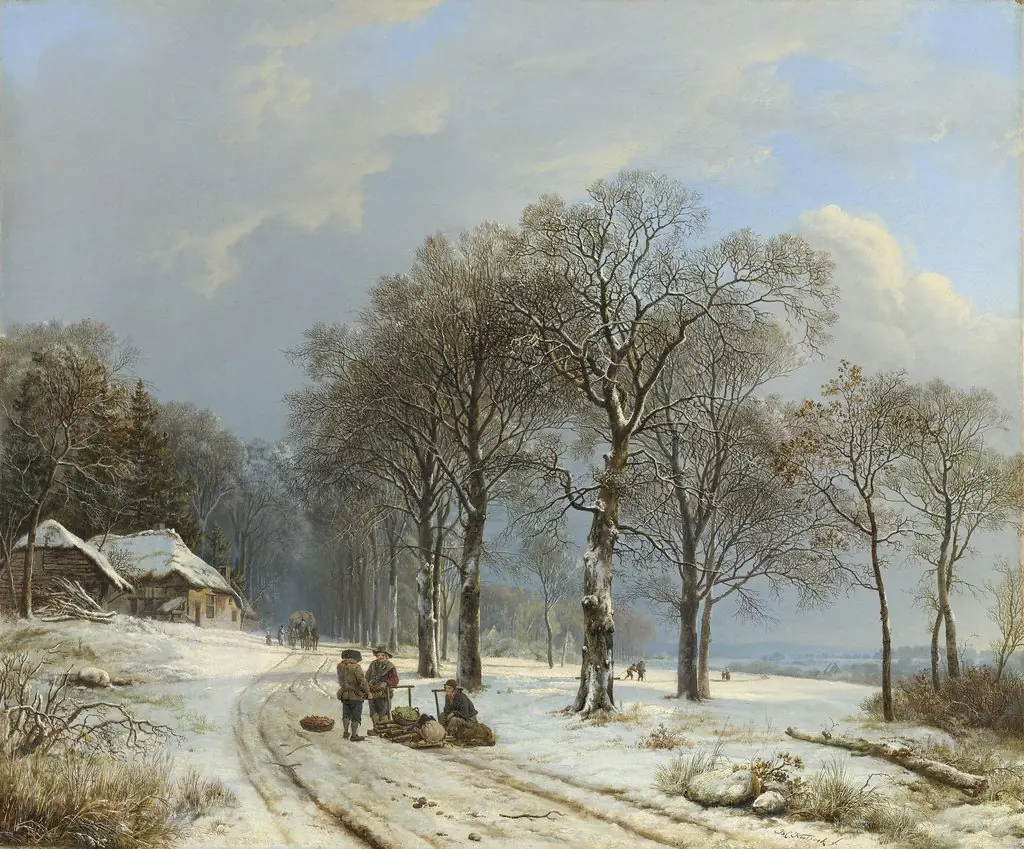
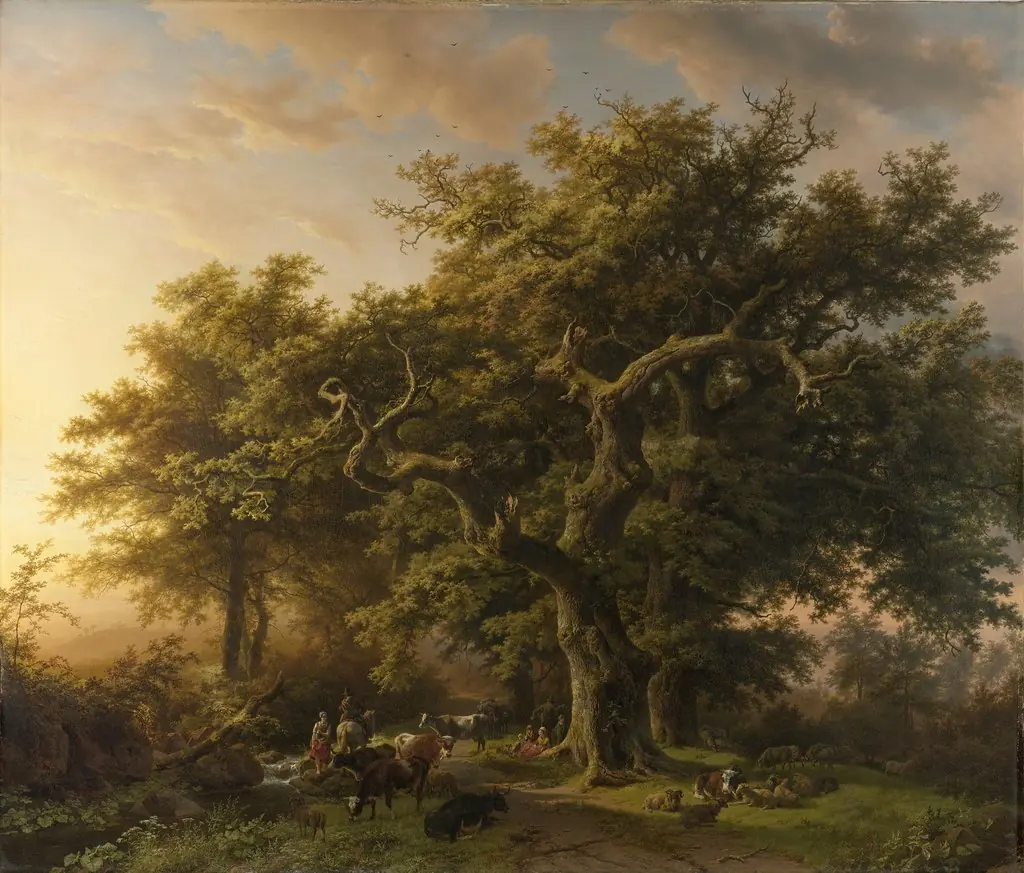
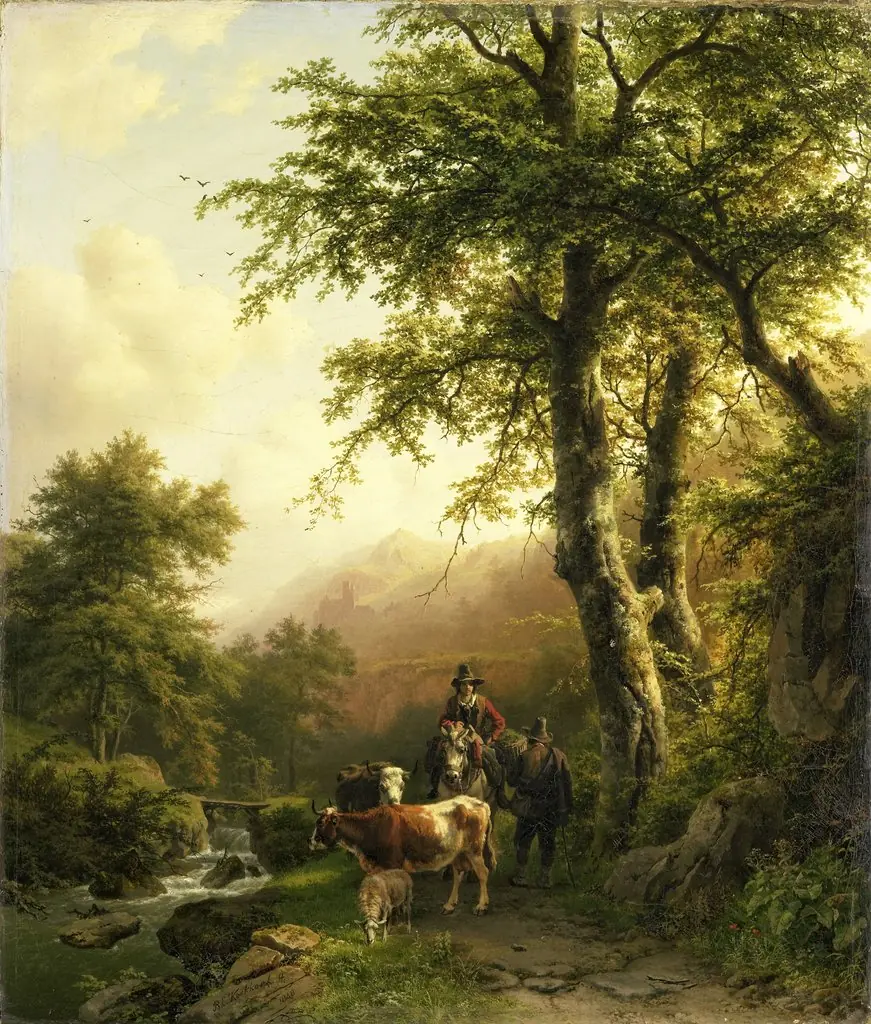
The scene depicts an open expanse of land under a heavy, darkening sky, with a body of water in the foreground reflecting the gathering clouds. Distant trees and a faint structure on a hill suggest human presence without disrupting the natural order. The painting evokes a sense of anticipation—not through drama, but through the stillness that precedes change, reflecting a Romantic sensitivity to nature’s quiet power.
Technique & Style
Koekkoek employed chiaroscuro to model the clouds and terrain, enhancing the illusion of depth and volume. The sky dominates the composition, rendered with layered brushwork that suggests shifting light and mass. Reflections in the water mirror the sky’s tones, unifying the foreground and background. Details in the trees and distant architecture are rendered with precision, yet remain subordinate to the overall mood.
History & Provenance
Created in 1825, the painting entered the Rijksmuseum’s holdings as part of its broader effort to document Dutch artistic heritage. Koekkoek’s reputation as a landscape specialist ensured his works were collected by institutions and private patrons alike. The painting’s preservation reflects its recognition within 19th-century Dutch art circles, though it was never widely exhibited outside national collections.
Context
In the early 1800s, Dutch artists revived interest in native landscapes as national identity took shape after the Napoleonic era. Koekkoek’s work aligned with this trend, emphasizing atmospheric realism over idealization. His focus on weather and light echoed broader European Romantic tendencies, yet remained rooted in the specific topography and light of the Netherlands.
Legacy
Koekkoek’s approach influenced later generations of Dutch landscape painters who prioritized observational accuracy and emotional tone. While not revolutionary in technique, his consistent rendering of natural phenomena helped sustain the landscape genre through the 19th century. The painting remains a representative example of how Dutch artists interpreted the sublime in everyday environments.
Own this work as a print
Artist & collection
Artist
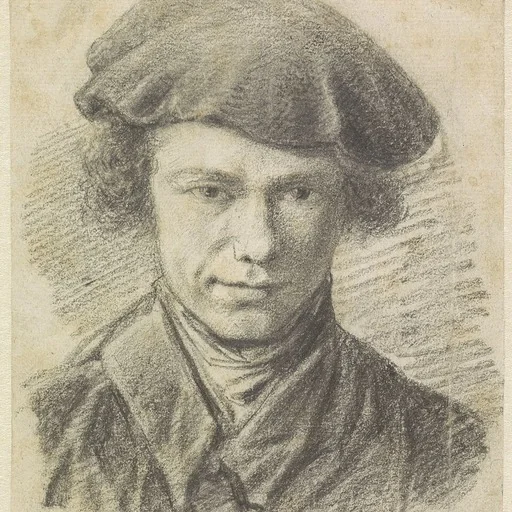
Barend Cornelis Koekkoek (October 11, 1803 – April 5, 1862) was a Dutch landscape artist and lithographer, and the most famous member of the Koekkoek family of painters.

 Landscape
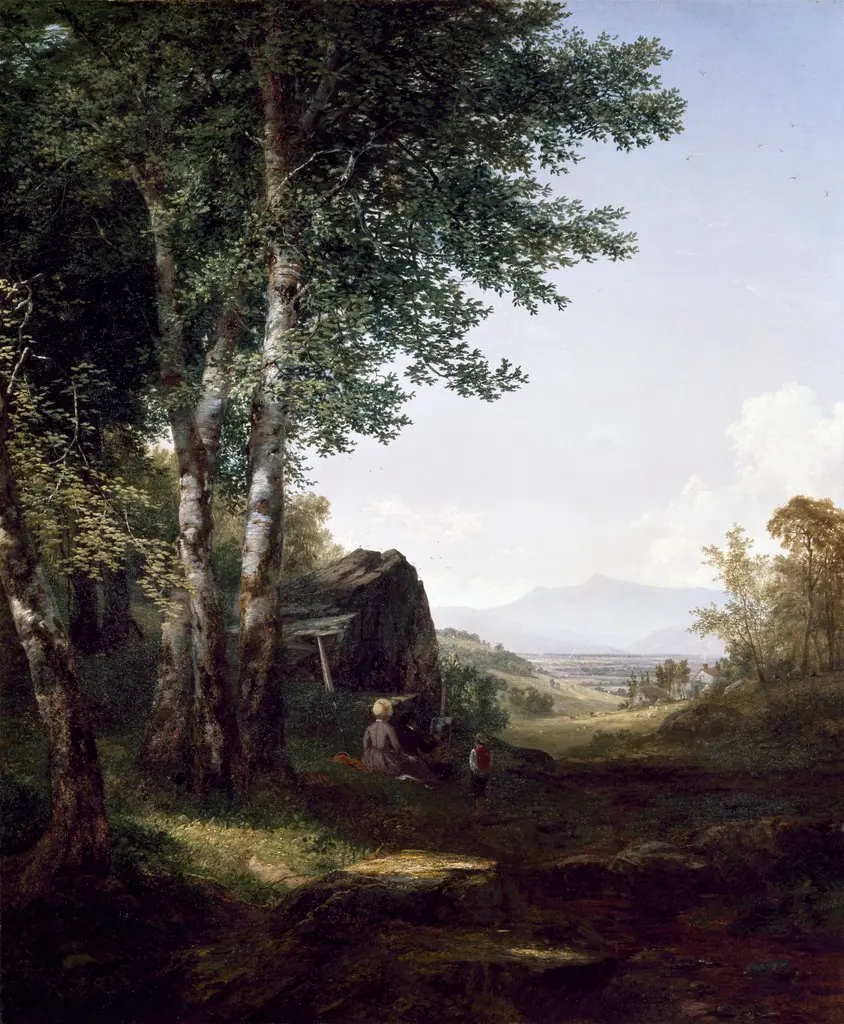 Distant View of the Mansfield Mountain, Vermont
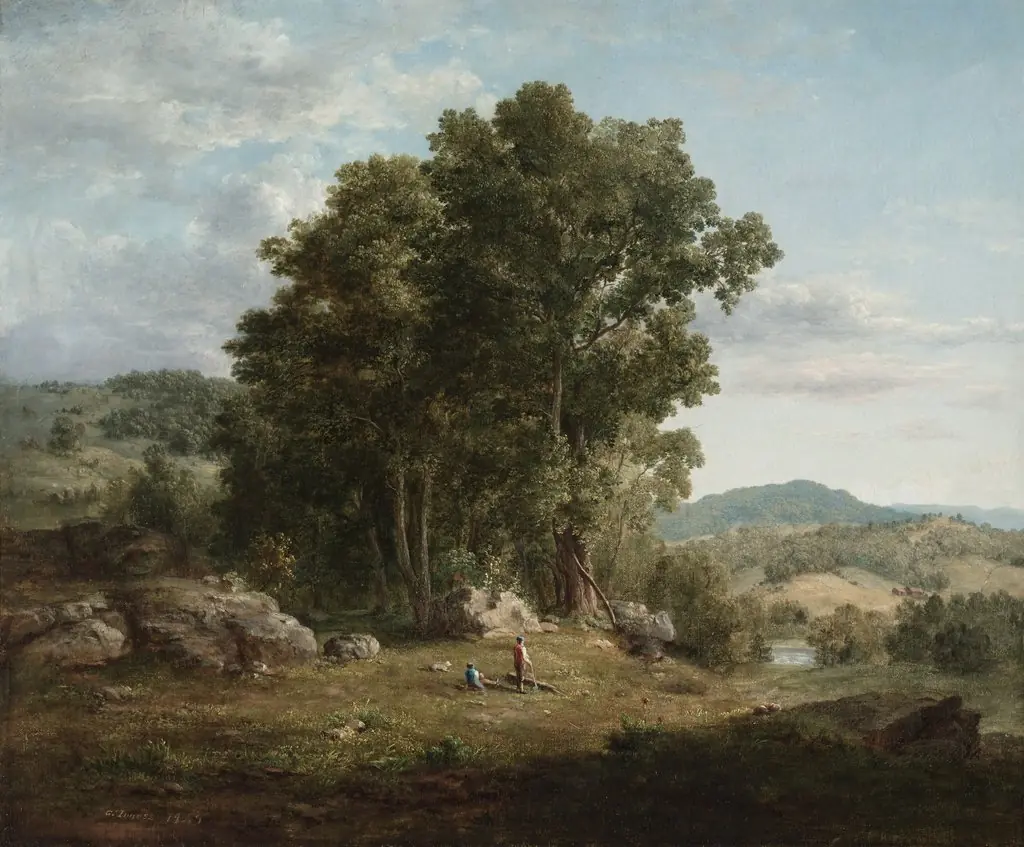 The Wood Chopper
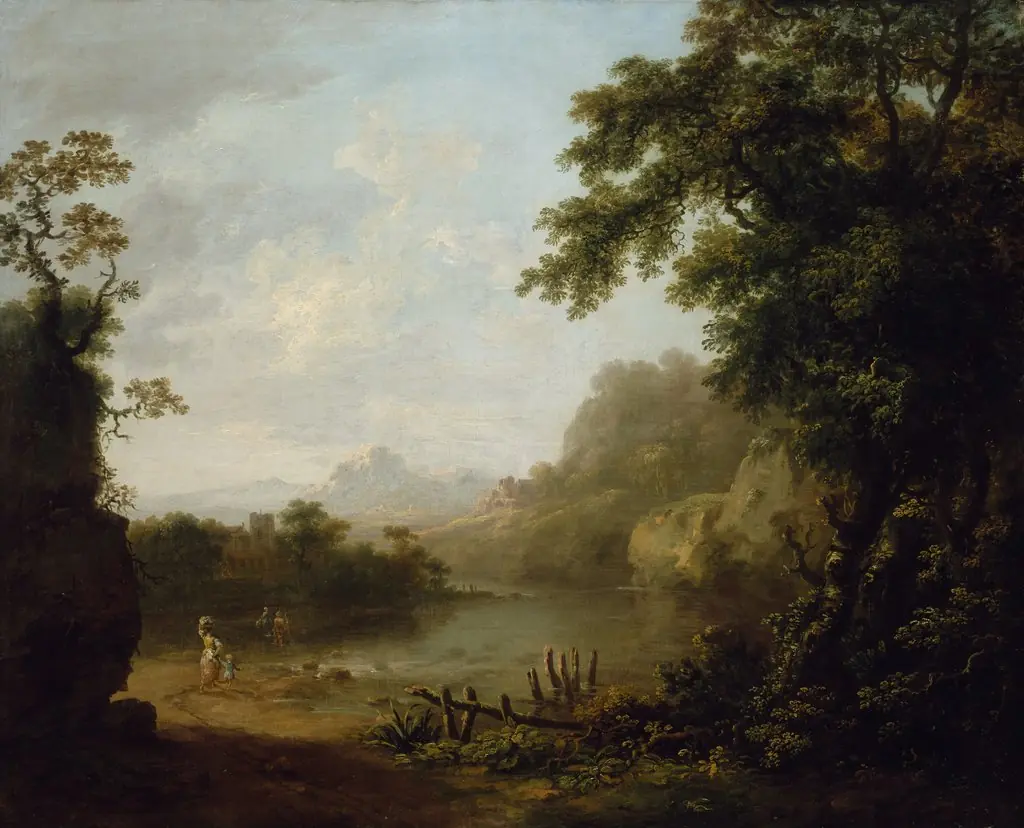 Self-Portrait
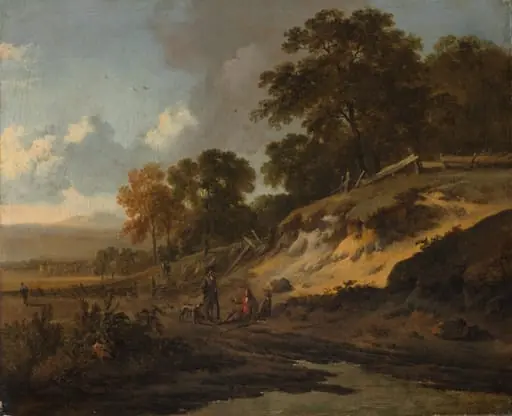 Landscape with Hunters
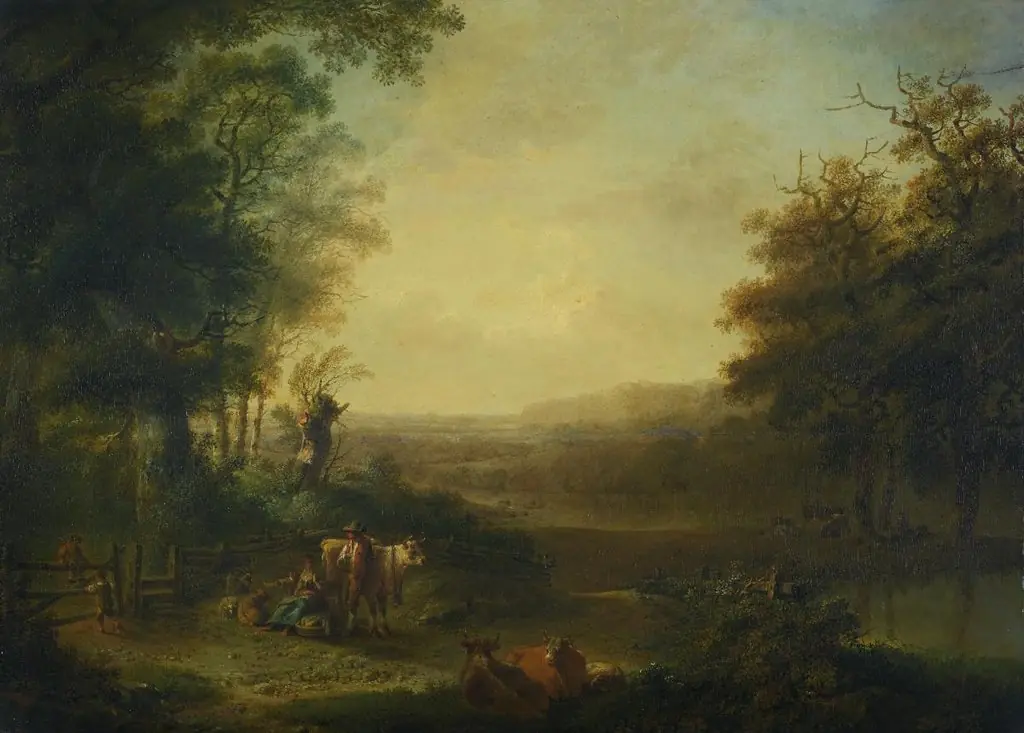 Abendlandschaft
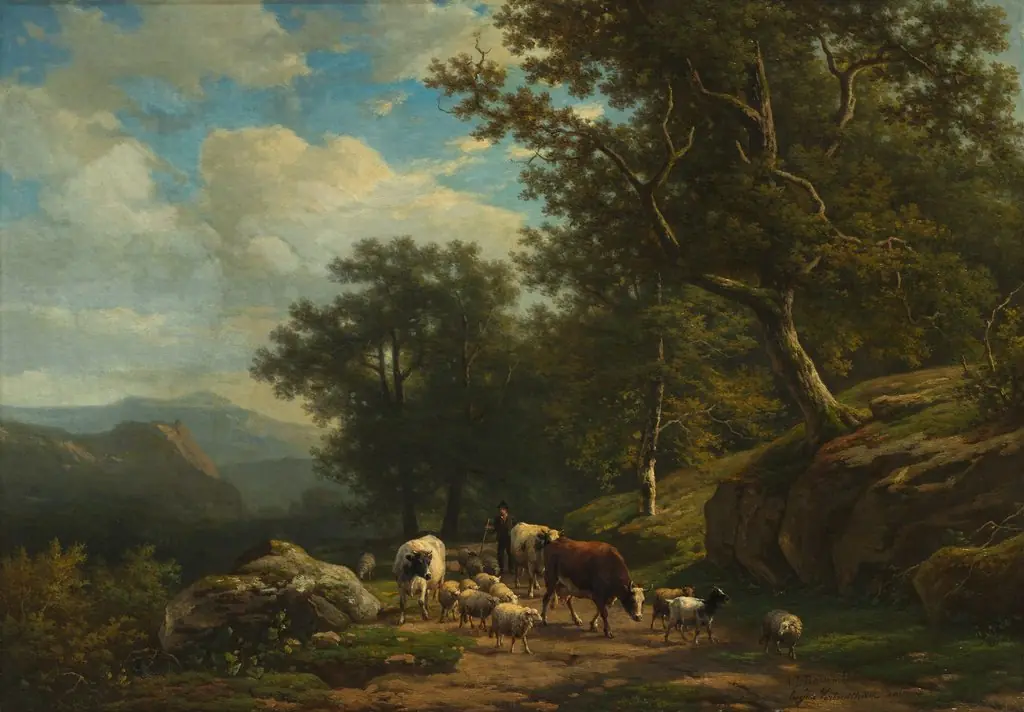 Landscape with a Peasant and His Flock
 Landscape with a Peasant and His Flock
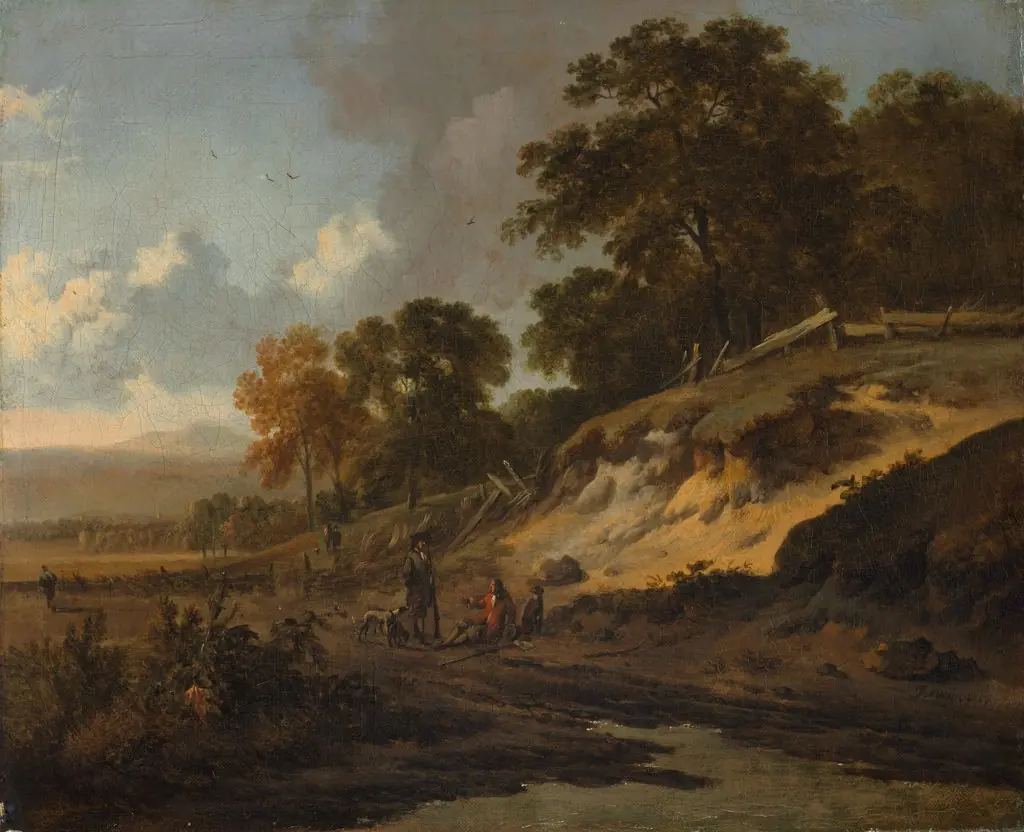 Landscape with Hunters
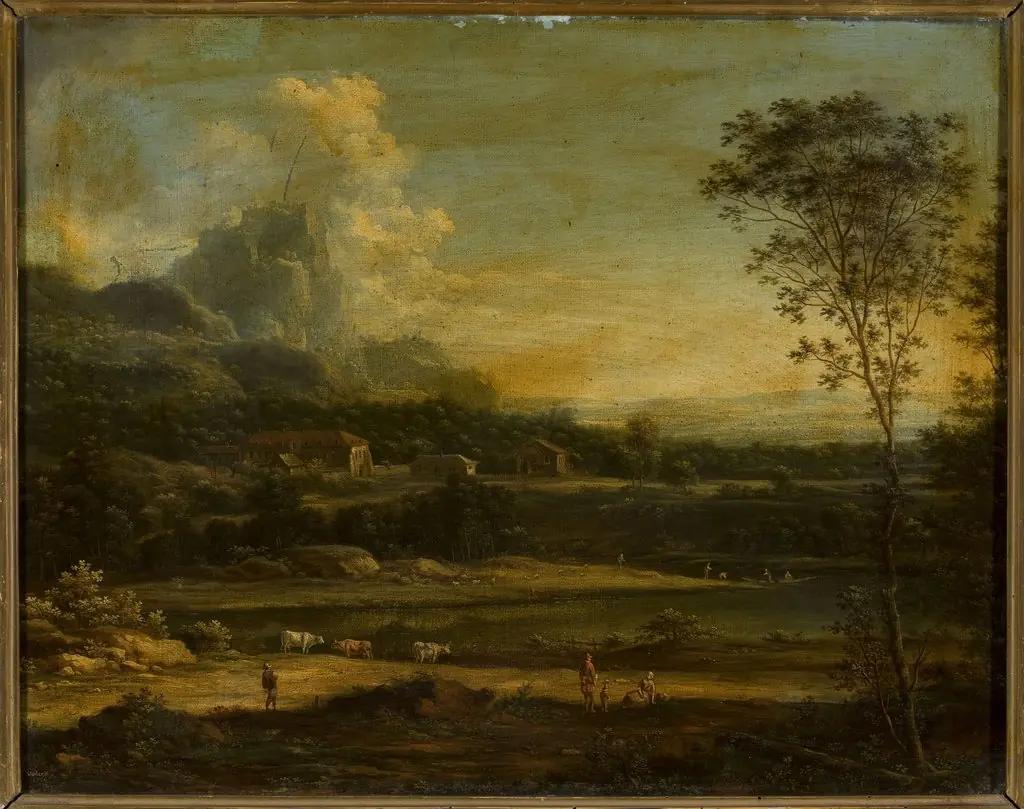 Mountain landscape with a lake and buildings
 The Wood Chopper
 Landscape after a Thunderstorm