Artwork
Portrait of a Man, called Robert, Mester Erskine, probably Colonel Alexander Erskine of Cambuskenneth (died 1640)
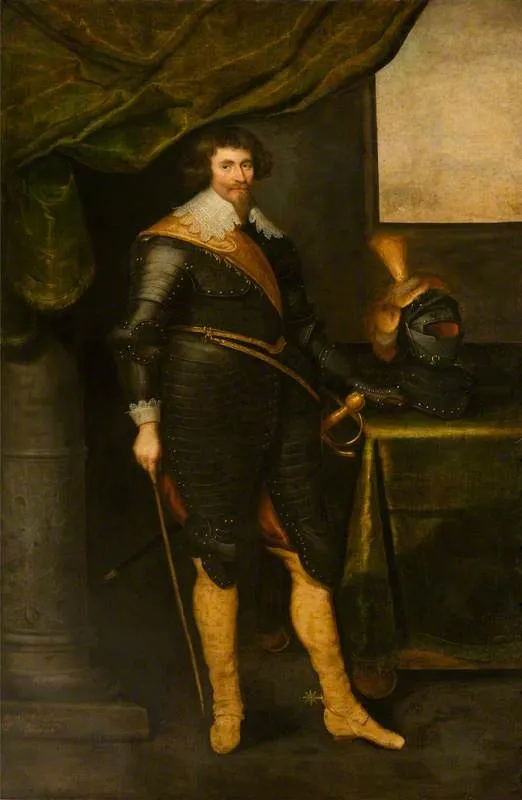
Portrait of a Man, called Robert, Mester Erskine, probably Colonel Alexander Erskine of Cambuskenneth (died 1640) is an oil painting by the Early Baroque Italian artist George Jamesone. It dates from 1627 and is held in the collection of the National Galleries Scotland.
About this work
Overview
Created in 1627, this oil portrait by George Jamesone—often regarded as Scotland’s first prominent portraitist—shows a seated gentleman in a three‑quarter view against a darkened backdrop. The sitter, identified as Robert Mester Erskine or possibly Colonel Alexander Erskine of Cambuskenneth (d. 1640), is rendered with a direct gaze that emphasizes his individual presence.
Subject & Meaning
The figure is dressed in a black leather doublet trimmed with a white lace collar and cuffs, the collar edged in gold. A modest array of round metal studs decorates the garment, while a sword hangs at his left side and a walking stick is held in his right hand, signalling both martial and genteel status. His long brown beard and hair frame a steady, confrontational stare.
Technique & Style
Jamesone employs a restrained early Baroque idiom, borrowing compositional elements from contemporary Italian portraiture. The dark, almost velvety background isolates the sitter, allowing subtle modelling of flesh tones and the sheen of leather to stand out. Light falls gently on the face and hands, creating a modest chiaroscuro that underscores the three‑dimensionality of the figure.
History & Provenance
Since its completion, the painting has remained in Scotland, eventually entering the collection of the Scottish National Gallery. Its attribution to Jamesone and its identification of the sitter have been supported by stylistic analysis and historical records linking the Erskine family to the artist’s early patronage.
Context
The work reflects the growing demand among Scottish lairds and military officers for portraiture that conveyed personal authority and lineage during the early seventeenth century. Jamesone’s practice of engaging directly with his sitters aligns with broader European trends toward more intimate, individualized representation.
Legacy
As an early example of Scottish portraiture, the painting illustrates Jamesone’s role in establishing a native school of painting that blended continental influences with local expectations of status and identity. It continues to serve as a reference point for scholars studying the development of portraiture in Scotland.
Artist & collection
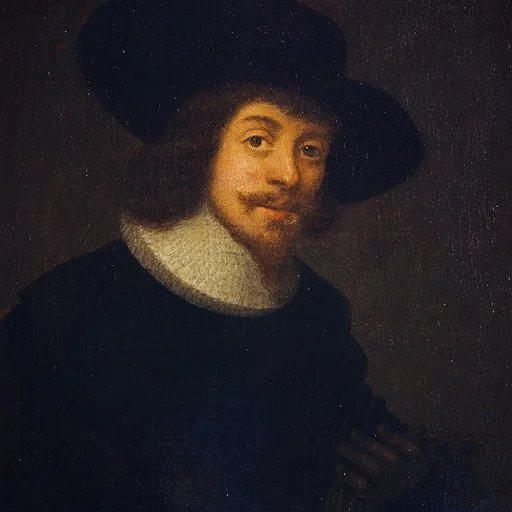
Artist
George Jamesone (or Jameson) (c. 1587 – 1644) was a Scottish painter who is regarded as Scotland's first eminent portrait-painter.

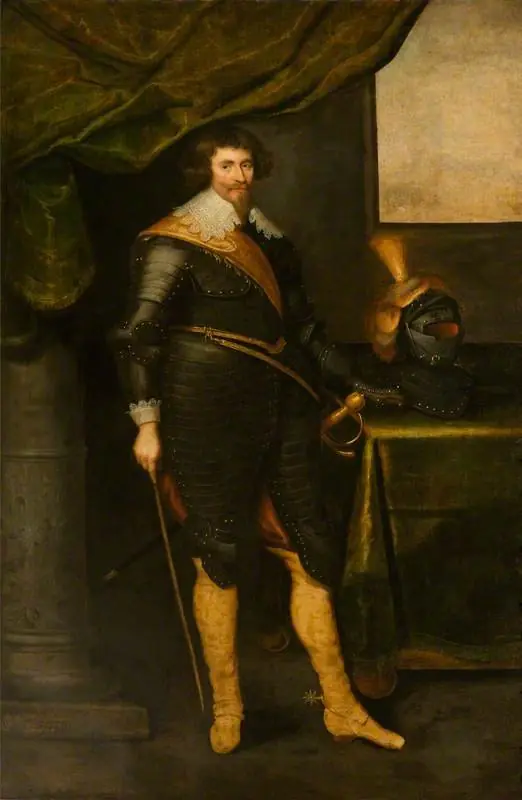
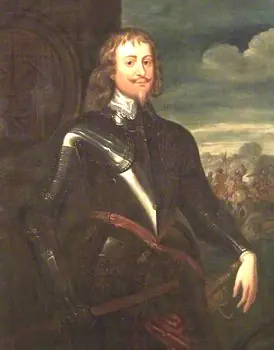 Sir Bevil Grenville (1596-1643)
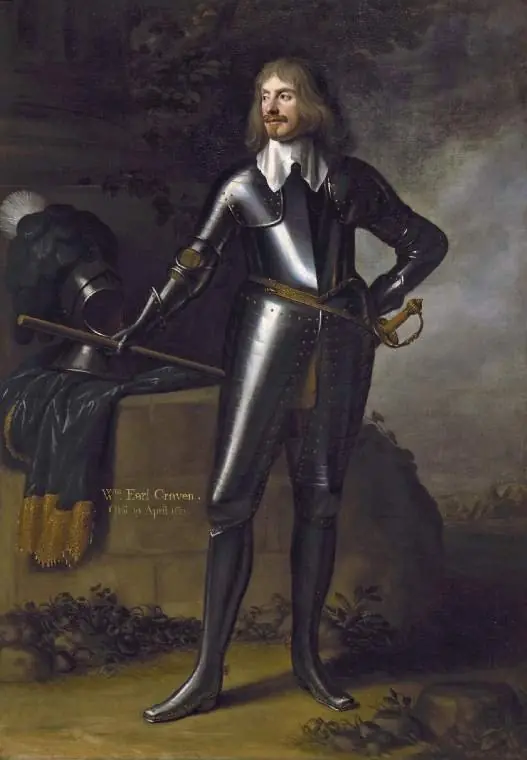 Portrait of William, Earl of Craven
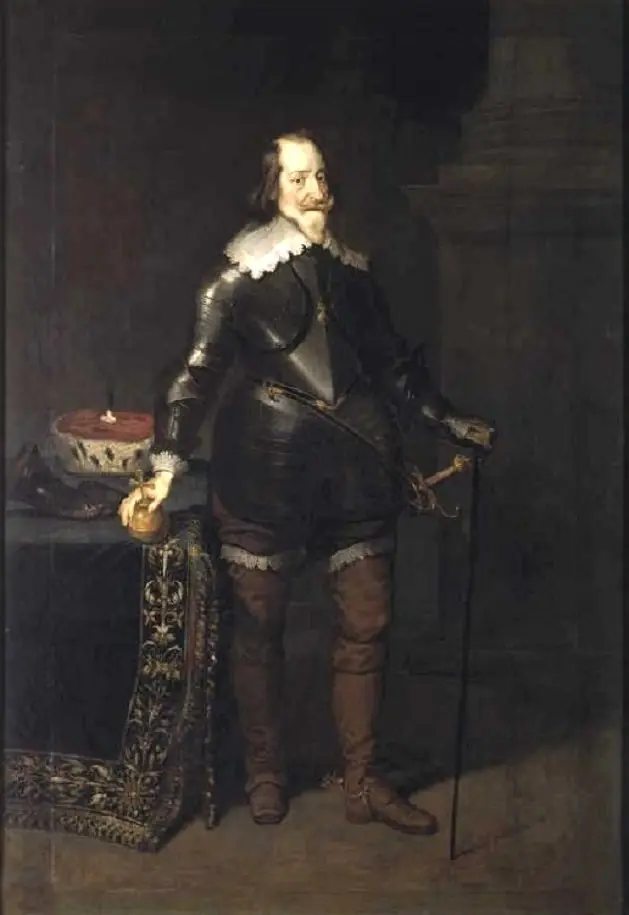 Portrait of Maximilian I, Duke, later Elect of Bavaria (1573-1651)
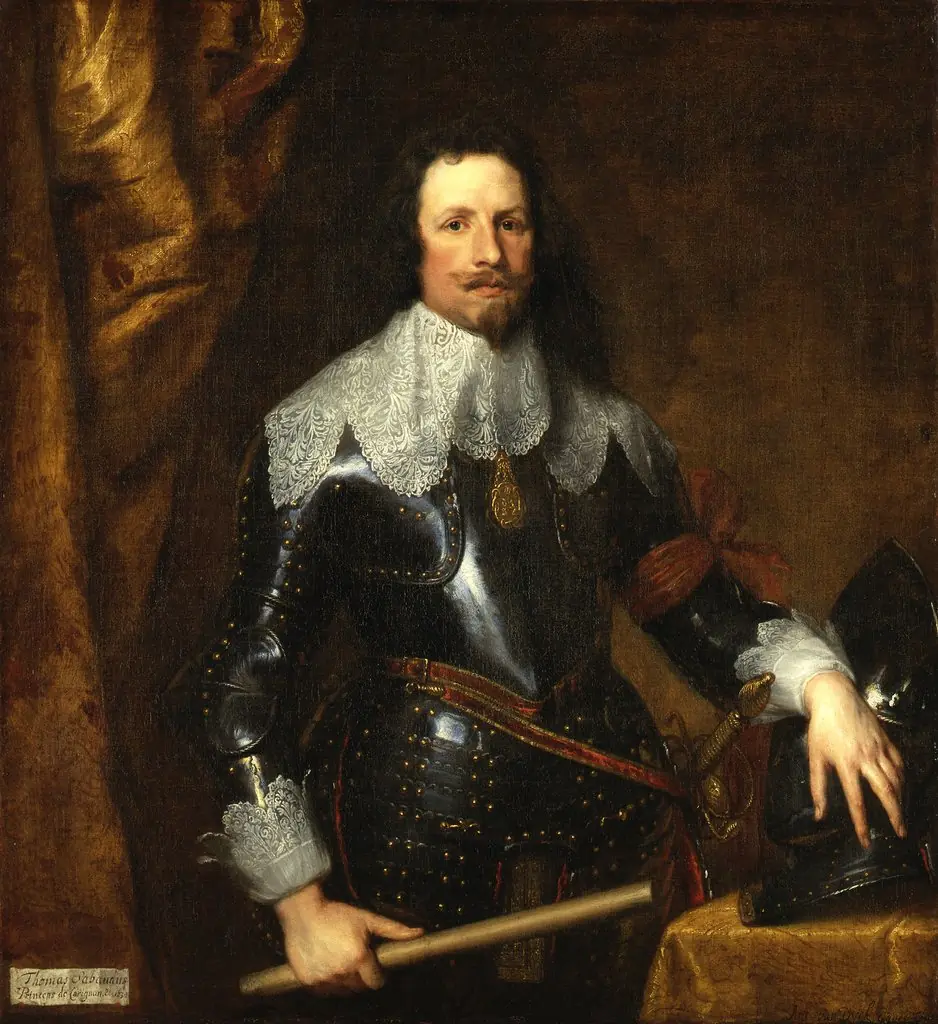 Portrait of Tomaso di Savoia-Carignano
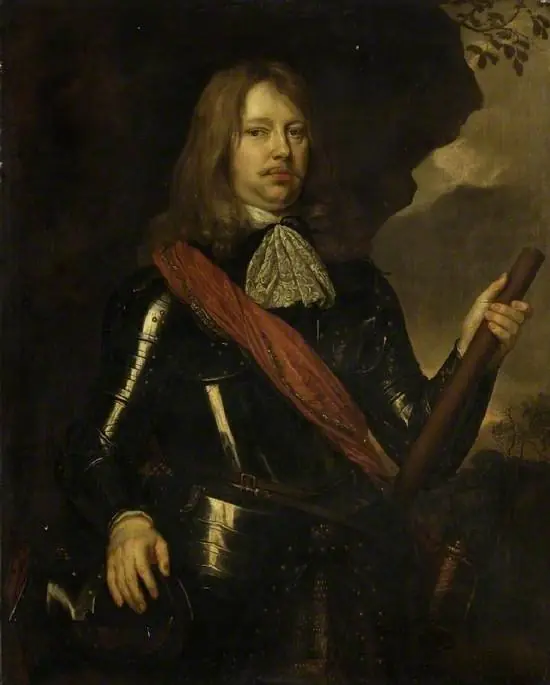 Man In armour, with yellow flowing hair
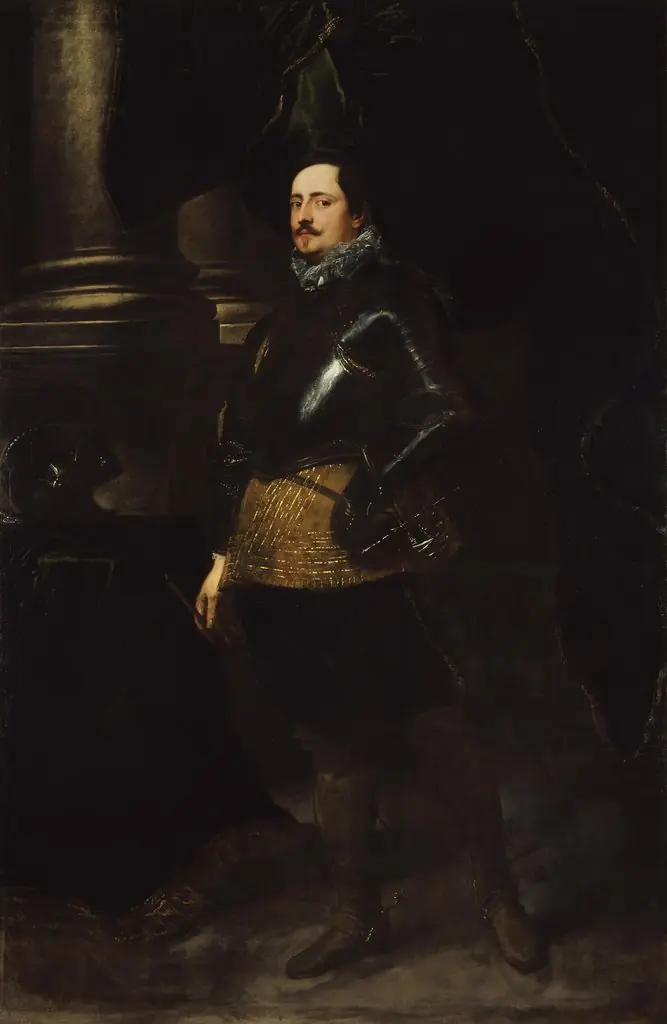 An Italian Noble
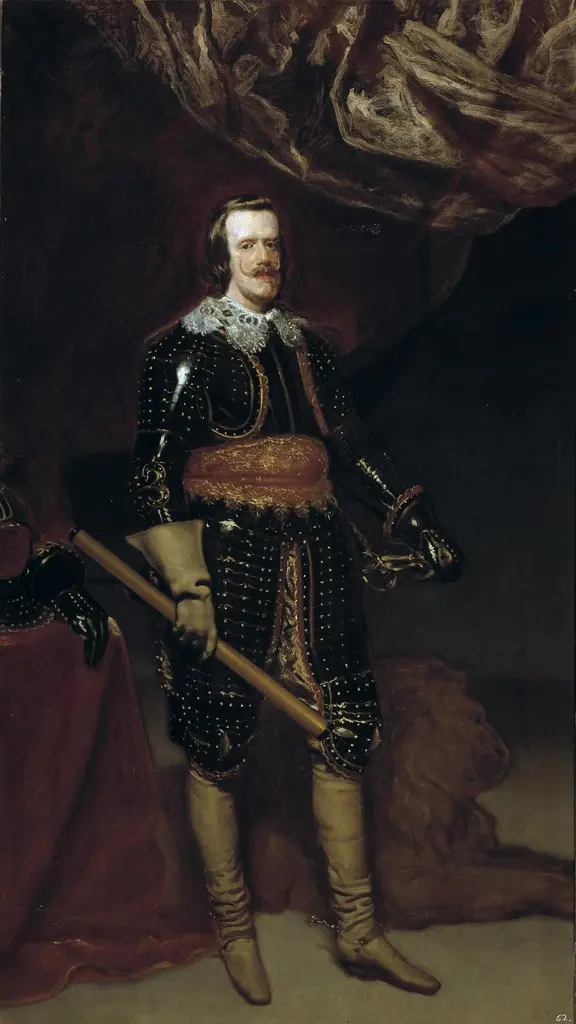 Philip IV in Armour, with a Lion at his Feet
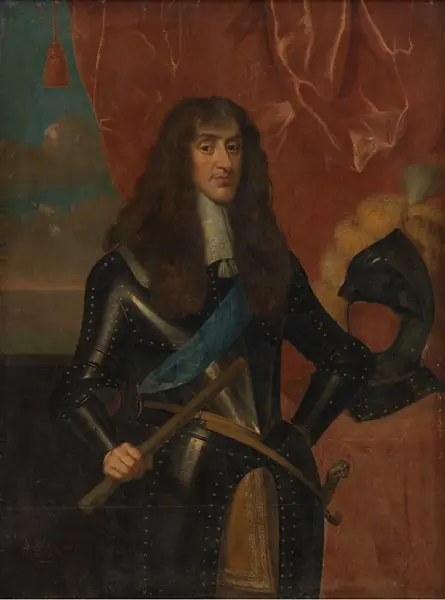 Portrait of James Stuart, Duke of York (1633-1701), later King James II of England
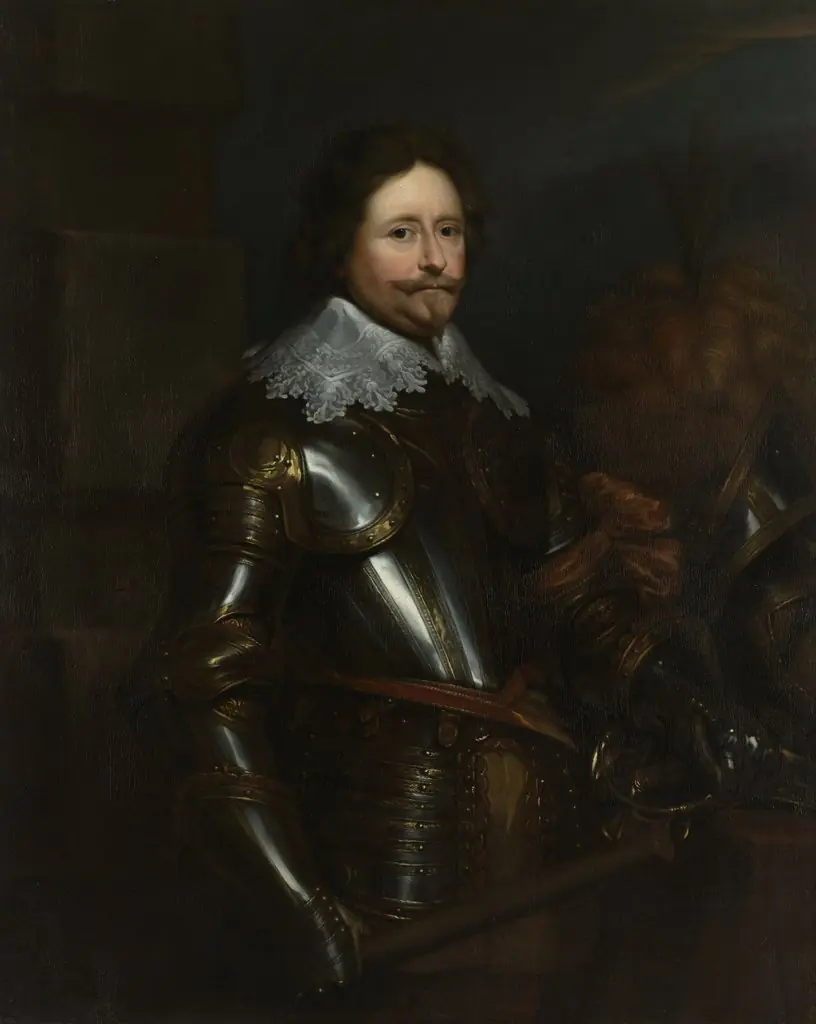 Portrait of Frederik Hendrik (1584-1647), prince of Orange
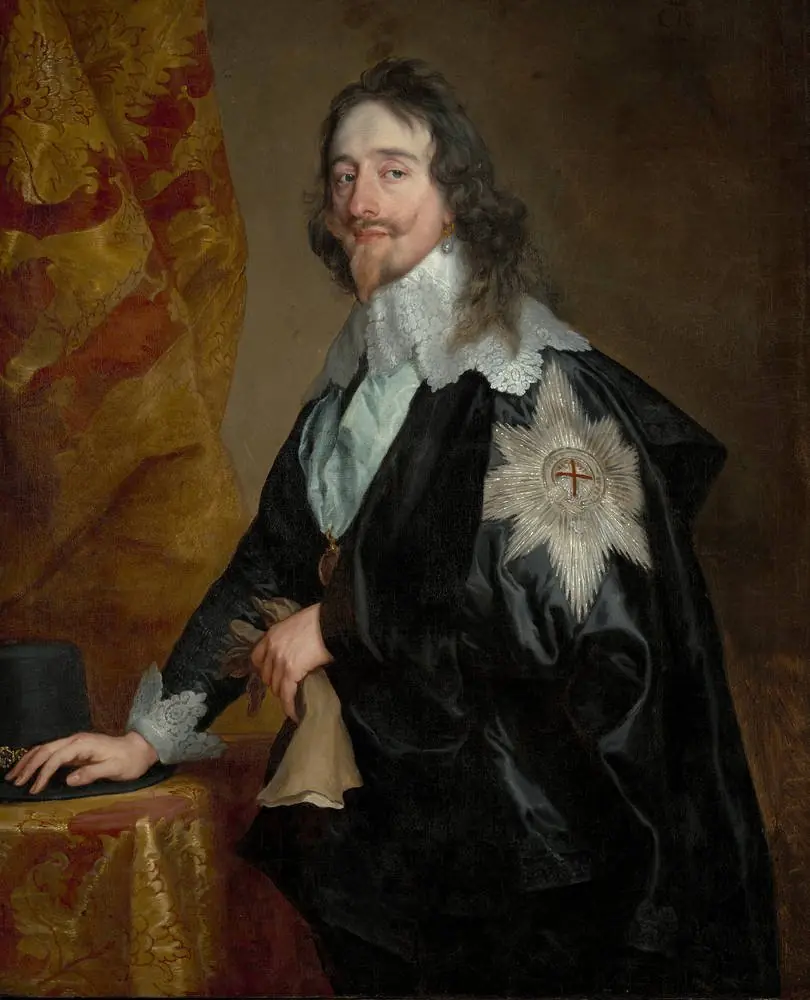 Portrait of King Charles I (1600-1649), with the Order of the Garter
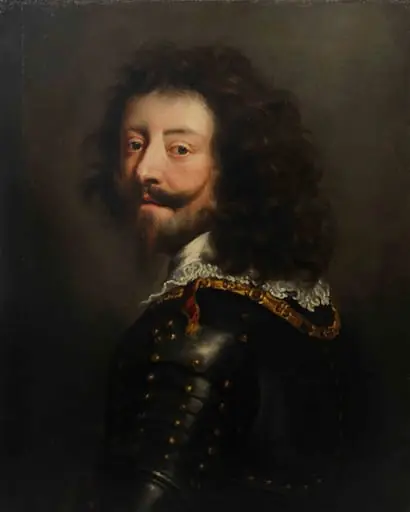 Portretul lui Albert de Ligne, prinț de Barbançon