Artwork
Portretul lui Albert de Ligne, prinț de Barbançon
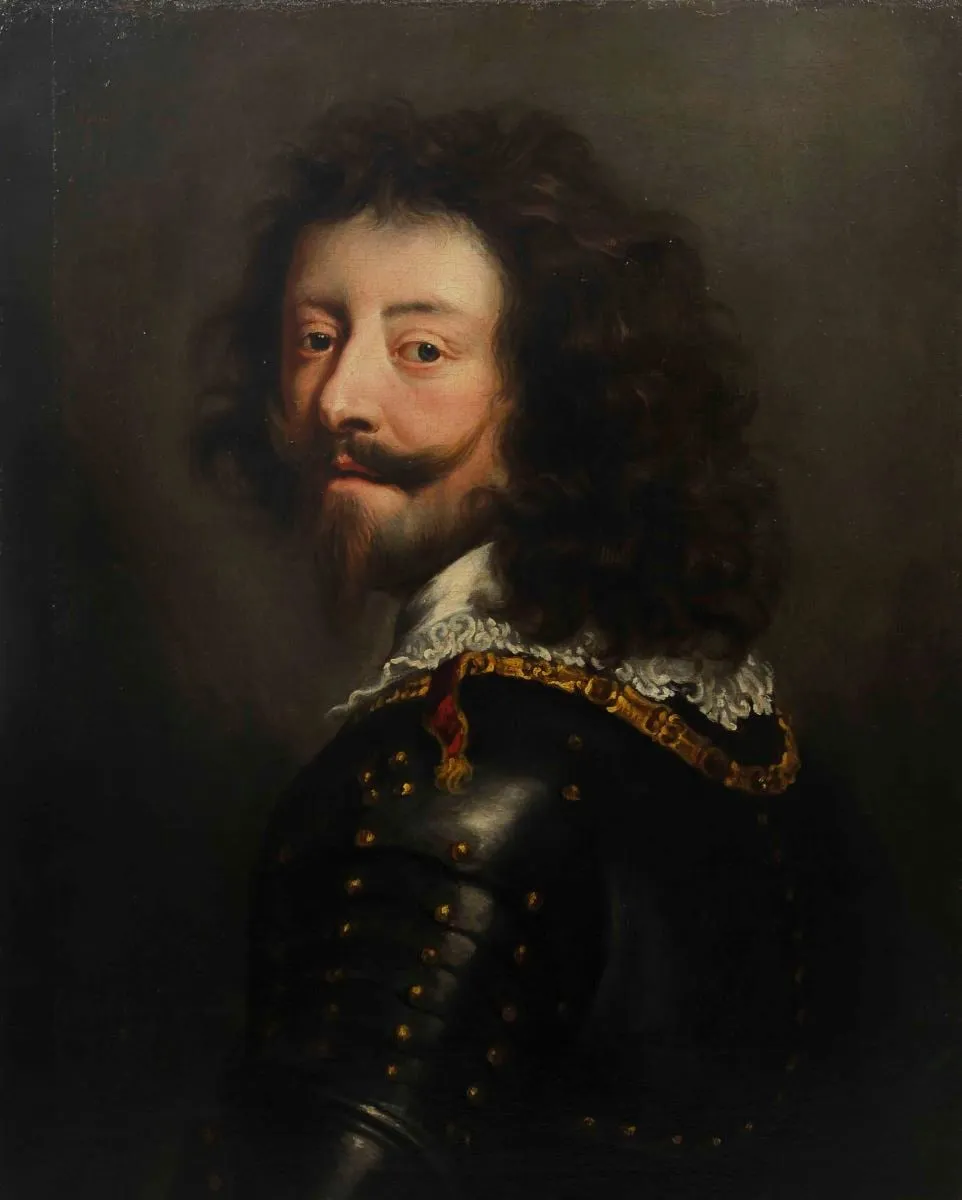
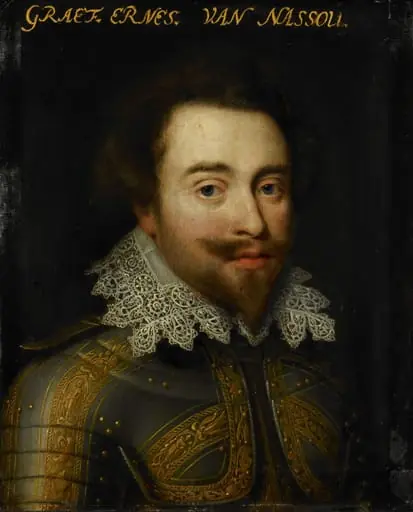
Portretul lui Albert de Ligne, prinț de Barbançon is an unspecified painting by the Baroque artist Hugo Kołłątaj. It is held in the collection of the National Museum of Art of Romania. This portrait presents Albert de Ligne, Prince of Barbançon, rendered with quiet precision.
About this work
Overview
Dressed in a black jacket embellished with gold studs and a crisp white lace collar, he is depicted in three-quarter view, his gaze turned leftward.
This portrait presents Albert de Ligne, Prince of Barbançon, rendered with quiet precision. Dressed in a black jacket embellished with gold studs and a crisp white lace collar, he is depicted in three-quarter view, his gaze turned leftward. The dark, unadorned background isolates his figure, emphasizing his composed demeanor and refined attire. The work reflects a deliberate focus on personal presence rather than narrative context.
Subject & Meaning
Albert de Ligne, a nobleman of the Spanish Netherlands, is portrayed not as a ruler in grandeur but as a contemplative individual. His expression is introspective, suggesting inner reflection rather than public performance. The restrained elegance of his clothing signals status without ostentation, aligning with early 17th-century aristocratic ideals of dignified restraint and personal gravitas.
Technique & Style
The artist employs subtle tonal transitions to model the face and fabric, creating a sense of volume without harsh lines. Light catches the lace collar and gold studs with delicate contrast, while the dark background enhances the figure’s three-dimensionality. The handling of texture—particularly in hair and lace—demonstrates close observation and controlled brushwork, though no evidence of sfumato is present in the provided description.
History & Provenance
The portrait likely originated in the early 1600s within the courtly circles of the Spanish Netherlands. Albert de Ligne was a prominent noble, and such portraits were often commissioned to affirm lineage and social standing. Its current location and ownership history are not specified, but its survival suggests it remained within family or institutional collections over centuries.
Context
In early 17th-century Flanders, portraiture served both personal and political functions. Nobles like de Ligne were depicted with understated luxury to convey authority through refinement rather than spectacle. This work aligns with regional trends favoring naturalism and psychological nuance, influenced by both Flemish realism and emerging French courtly aesthetics.
Legacy
The portrait stands as an example of aristocratic representation in the Spanish Netherlands during a period of political transition. Its emphasis on quiet dignity over theatrical display reflects a broader shift in elite self-presentation. While not widely reproduced, it contributes to the understanding of how nobility cultivated identity through controlled visual language in the Baroque era.
Artist & collection
Artist
This Polish folk painter worked in the late eighteenth and early nineteenth centuries, creating religious scenes with bold colors and simple shapes.

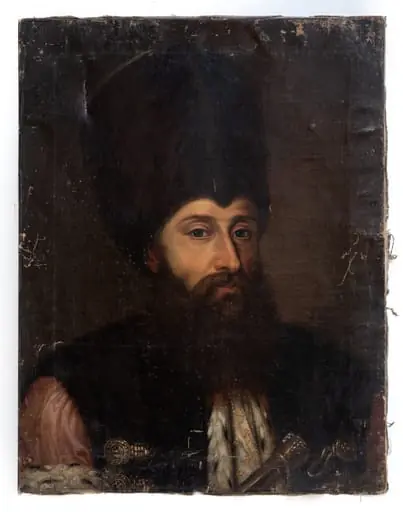 Alexandru Ipsilanti
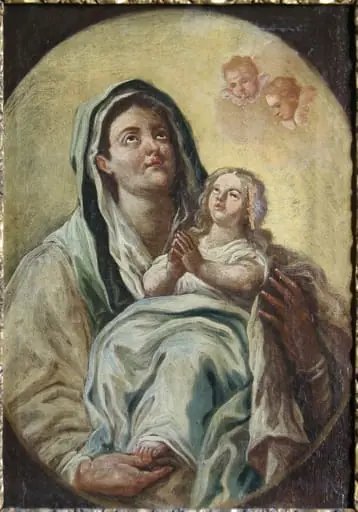 Fecioara Maria cu Pruncul Isus (în Reg. Inv.: Maria cu copilul Isus)
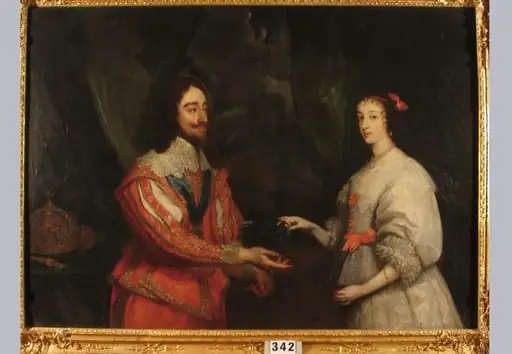 Regele Charles I Stuart al Angliei și soția sa Henrietta Maria de Franța (în Reg. Inv.: Carol I al Angliei și soția sa Henriette din Franța)
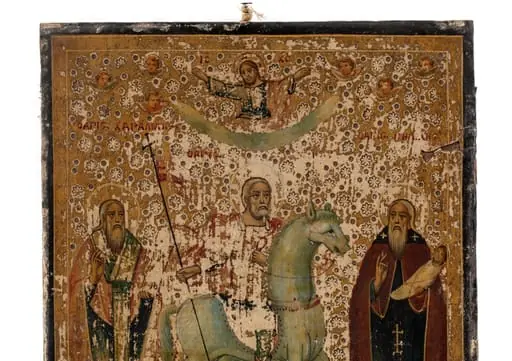 Sfântul Haralambie cu alți doi sfinți
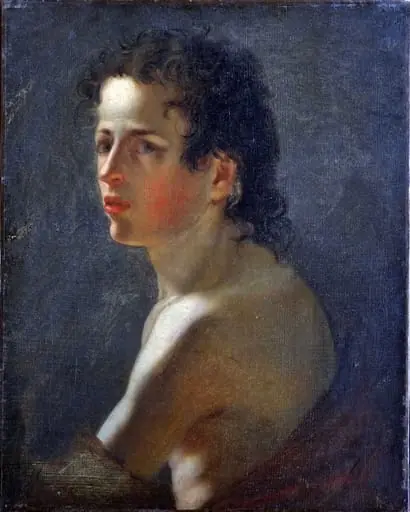 Portret de bărbat
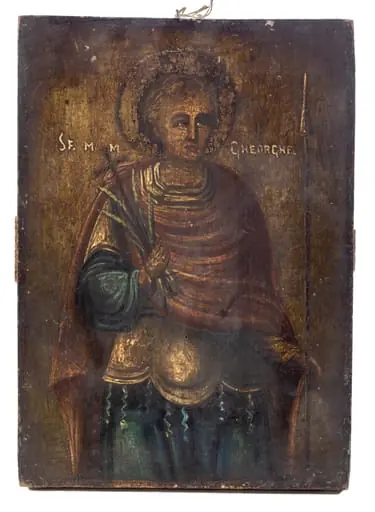 Sfântul Gheorghe
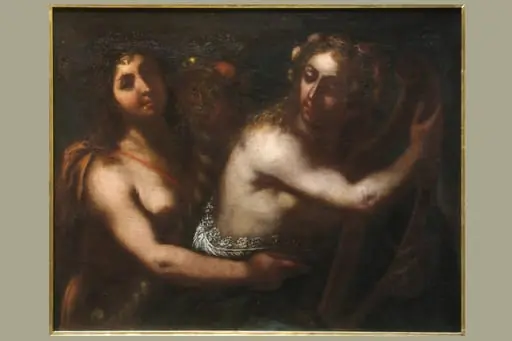 Vertumnus și Pomona (în Reg. Inv.: Vertumnus și Flora)
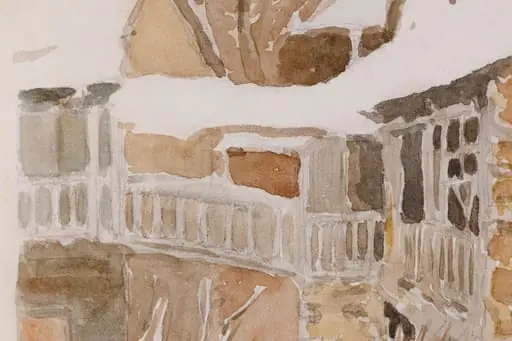 Iarnă
Iarnă
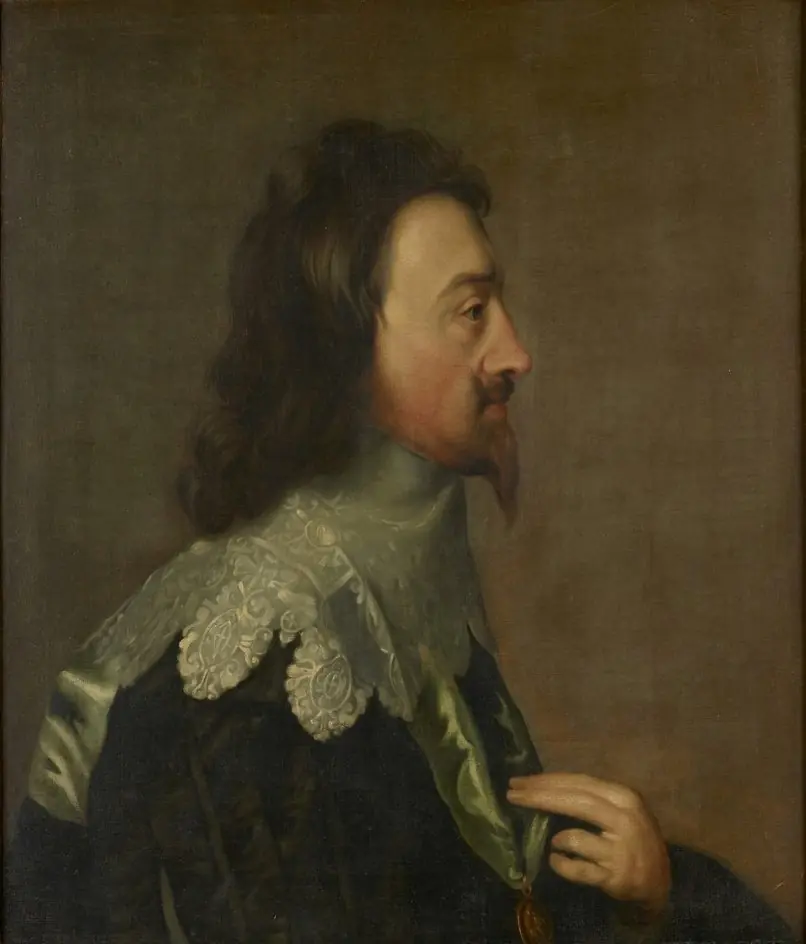 Charles I
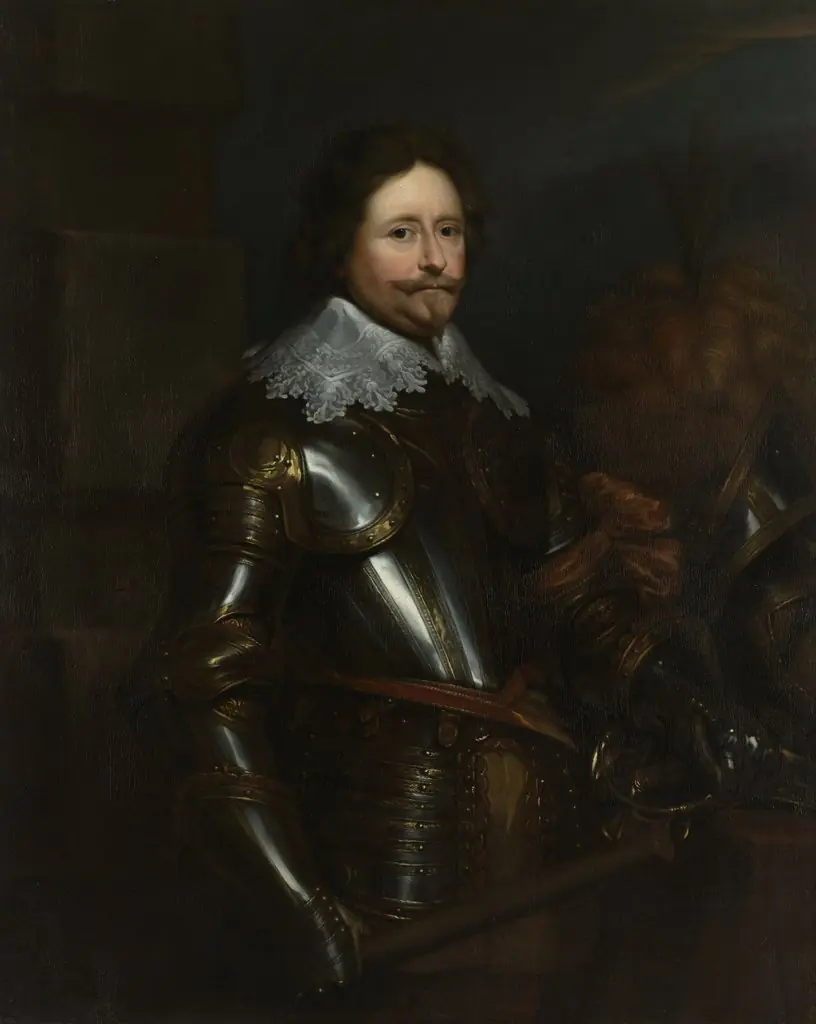 Portrait of Frederik Hendrik (1584-1647), prince of Orange
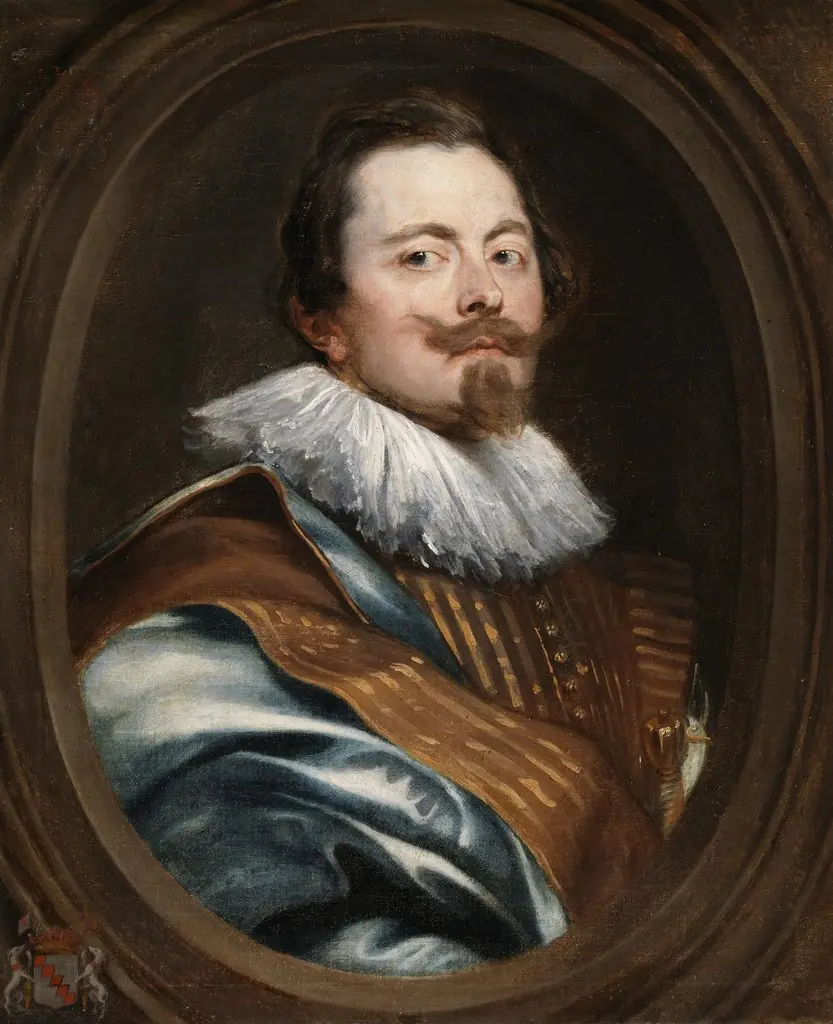 Portrait of Frederick Marselaer, Diplomat
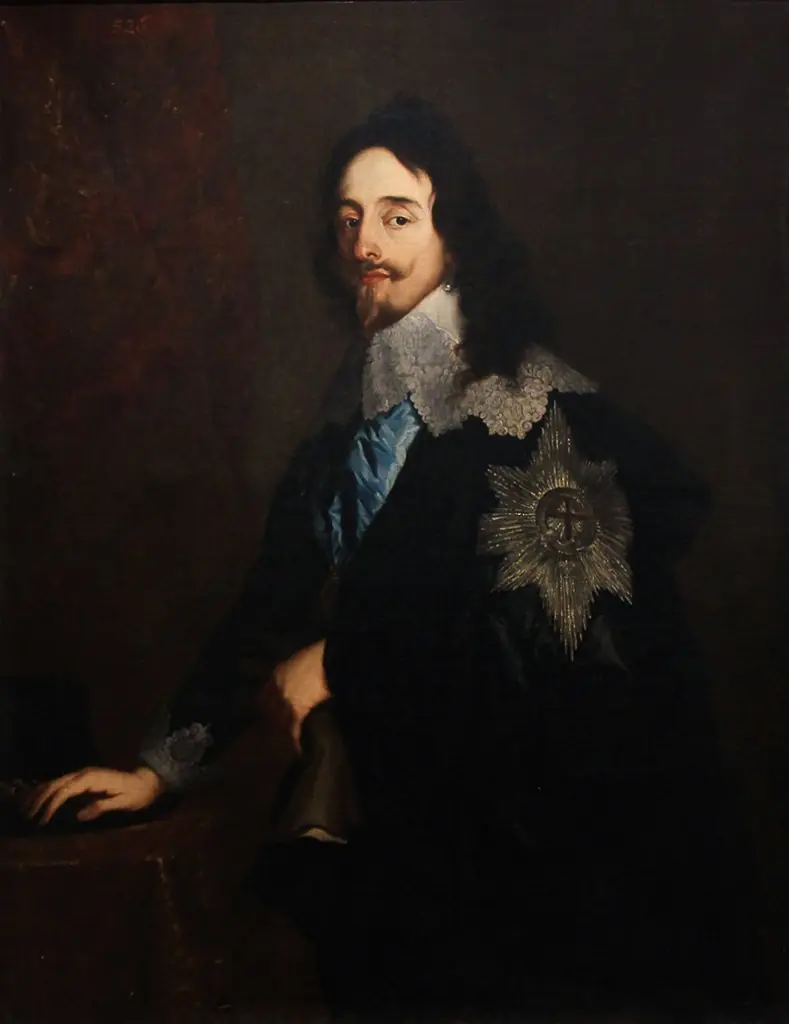 Portrait of Charles I of England
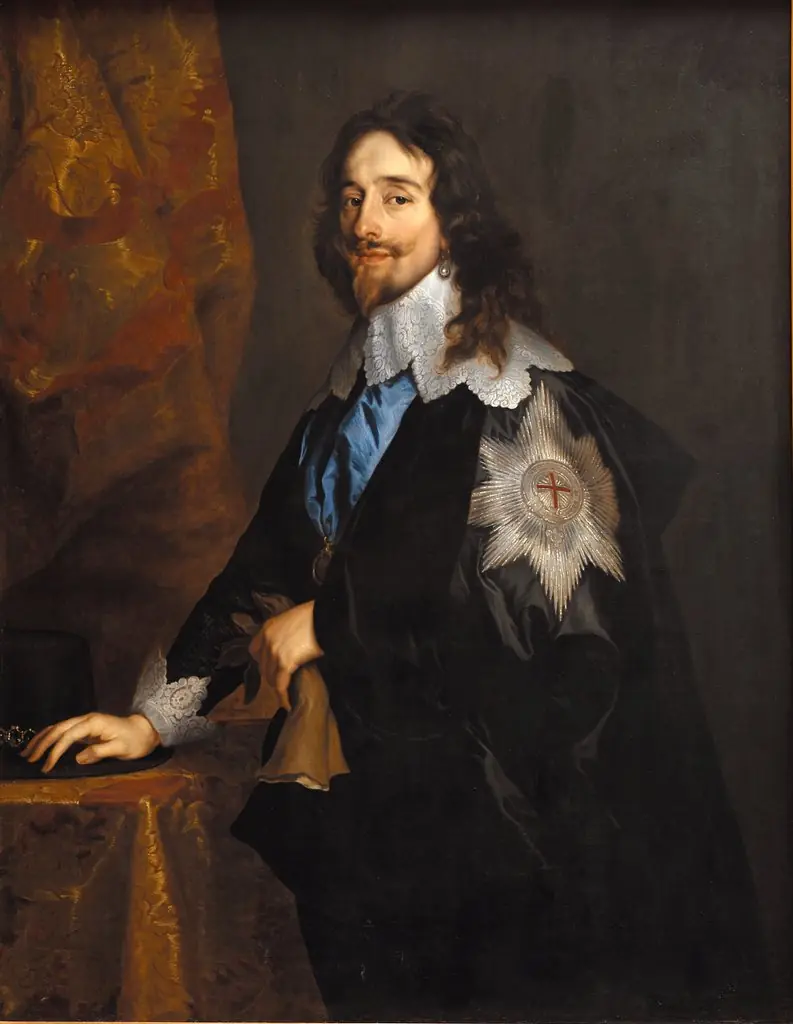 King Charles I of England
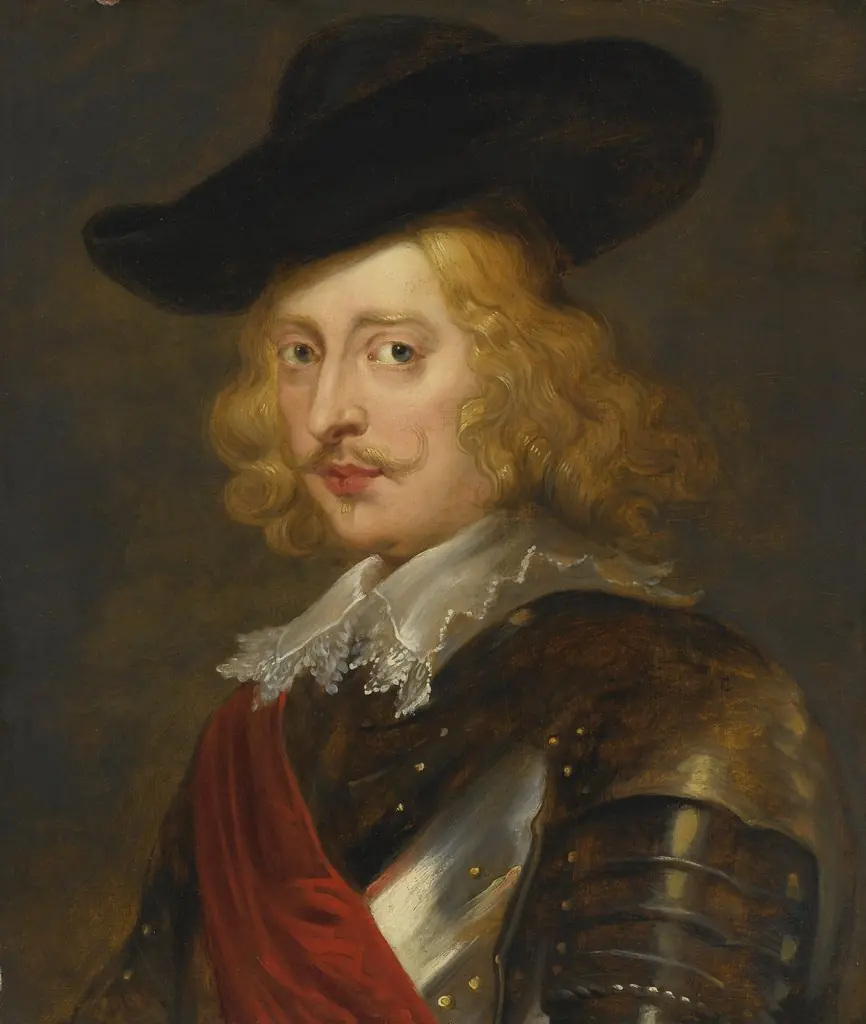 Portrait of cardinal-infante Ferdinand of Spain
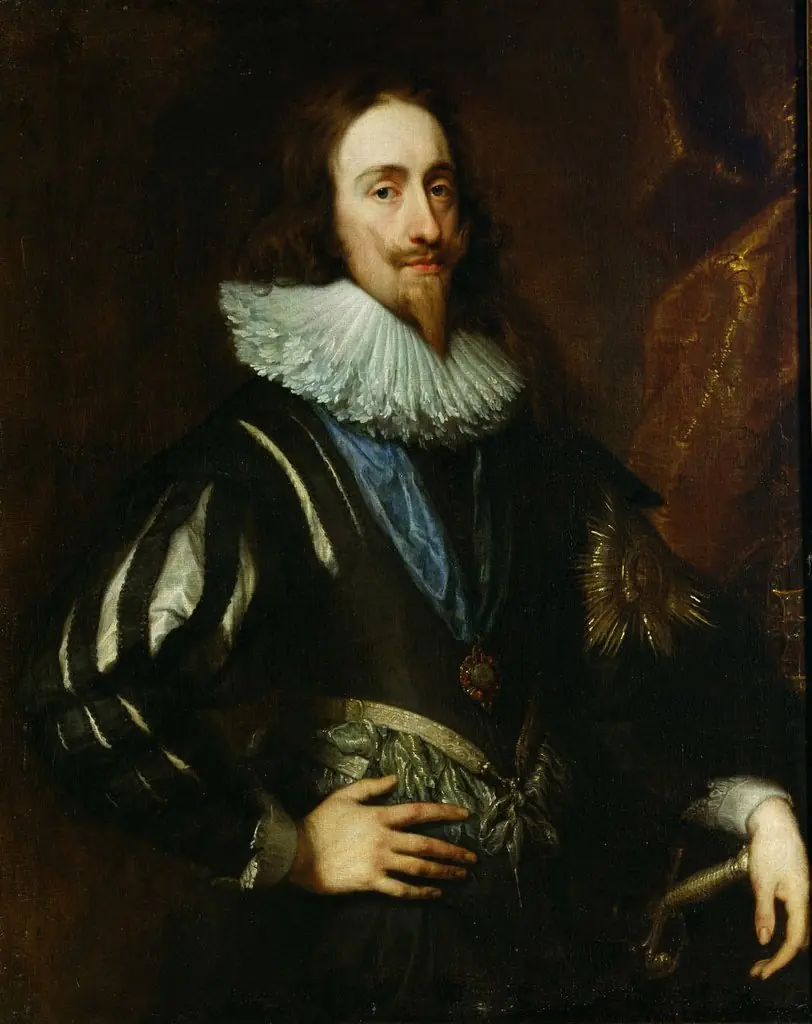 King Charles I of England (1600-1649), three-quarter portrait
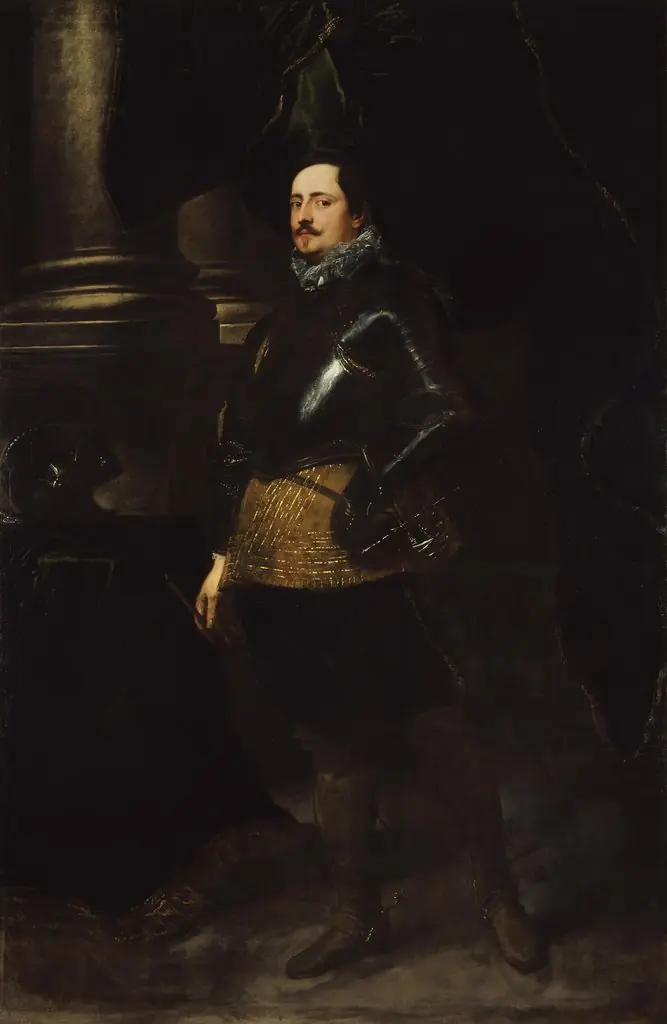 An Italian Noble
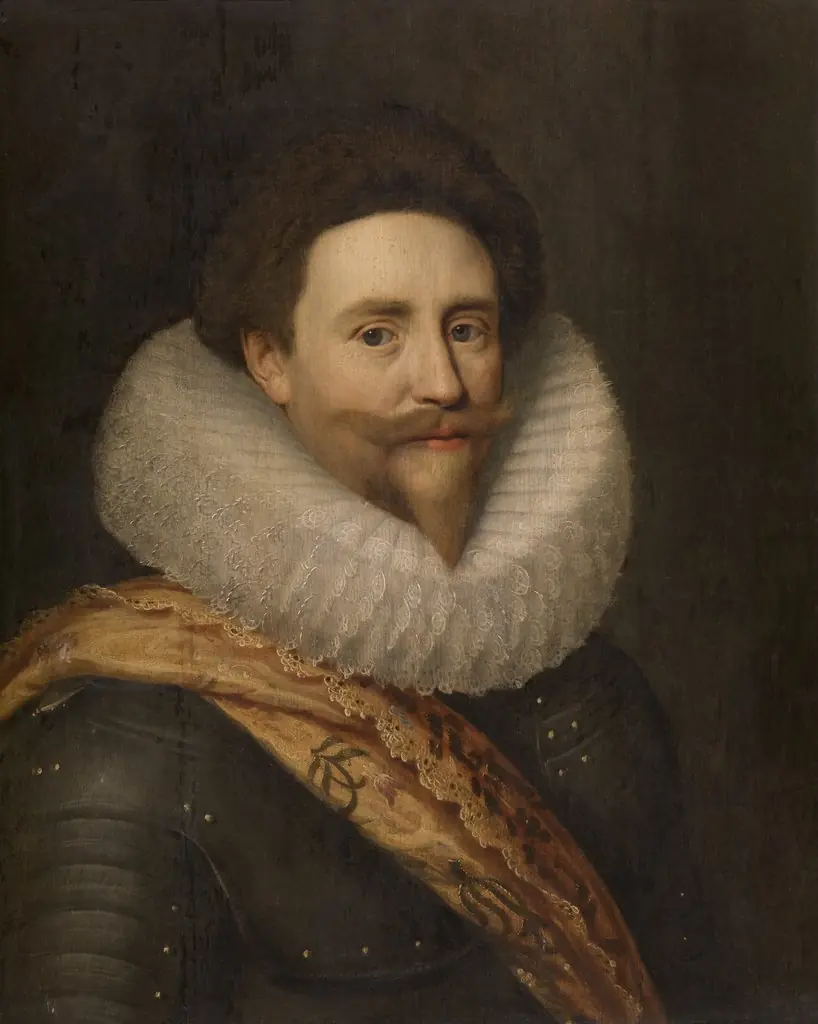 Frederik Hendrik Nassau, Prince of Orange
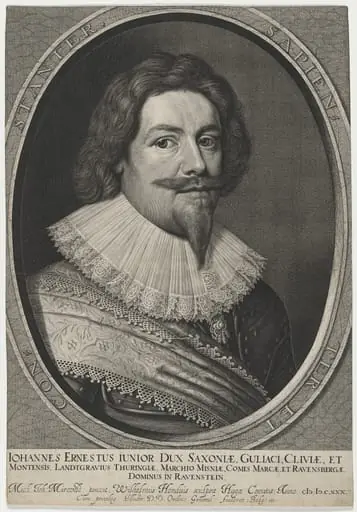 John Ernest, Jr., Duke of Saxony
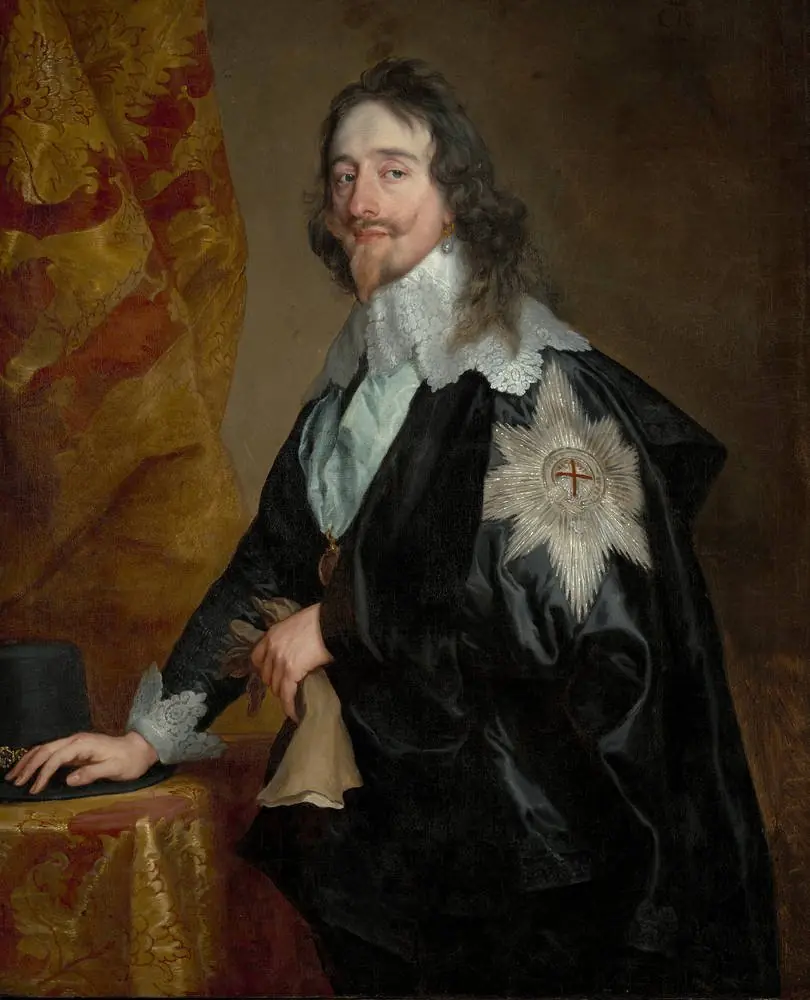 Portrait of King Charles I (1600-1649), with the Order of the Garter
 Untitled