Artwork
Untitled
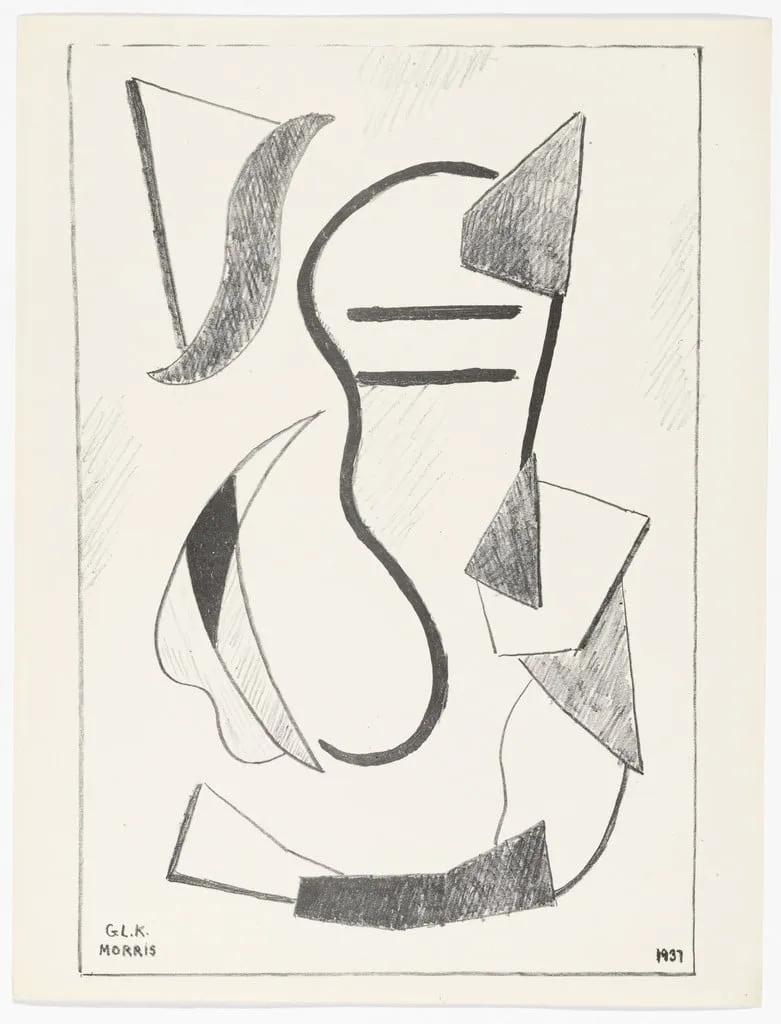
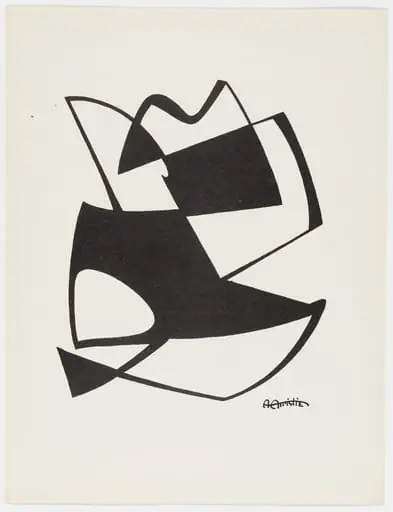
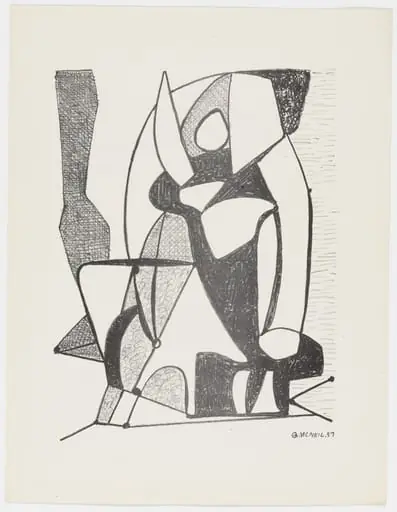
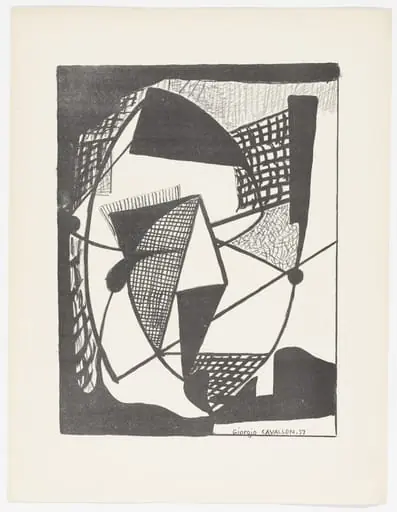
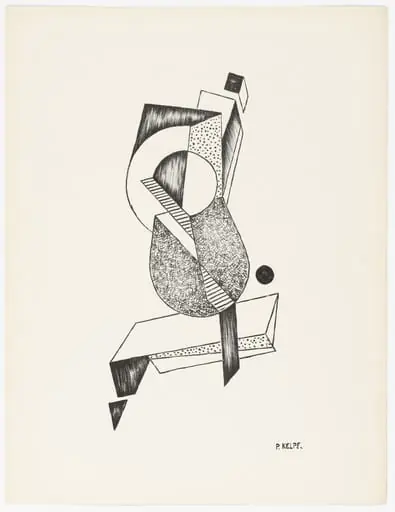
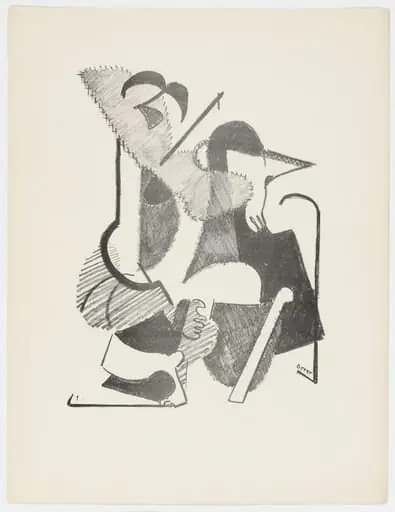
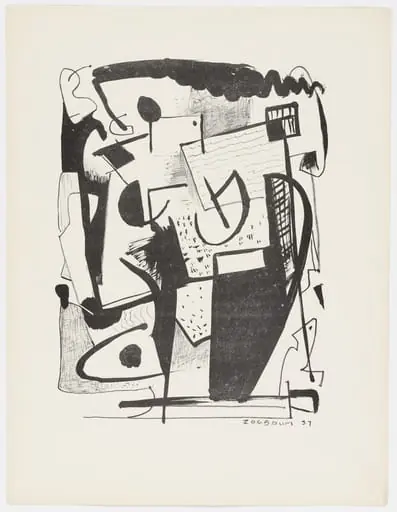
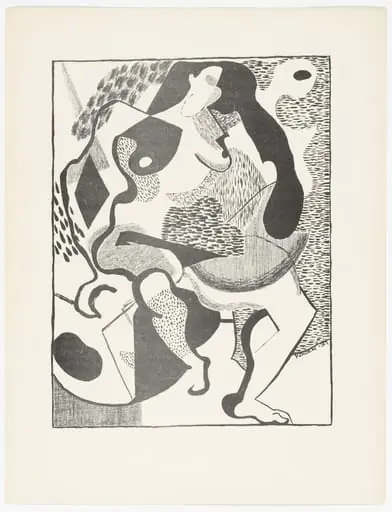
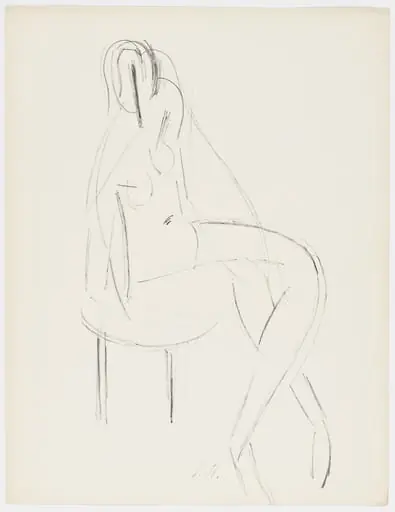
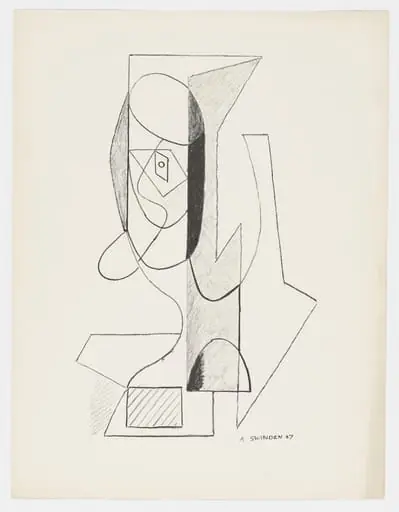
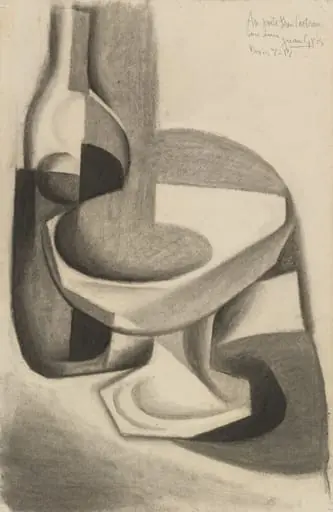
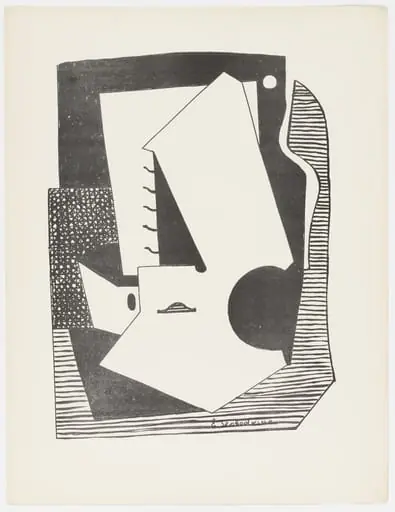
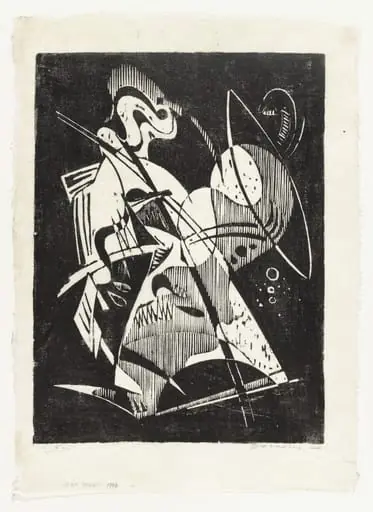
Untitled is an ink print by George L. K. Morris. It dates from 1937 and is held in the collection of the Museum of Modern Art. Created in 1937, this lithograph is one of thirty-one works in a portfolio by George L.
About this work
Overview
Its minimalist palette and structured composition reflect a deliberate move away from figurative traditions.
Created in 1937, this lithograph is one of thirty-one works in a portfolio by George L. K. Morris, an American artist and advocate for abstract art. The piece belongs to The Museum of Modern Art’s collection and exemplifies Morris’s engagement with geometric abstraction during a period when American artists were forging distinct non-representational styles. Its minimalist palette and structured composition reflect a deliberate move away from figurative traditions.
Subject & Meaning
The work carries no literal subject; its meaning emerges from formal relationships. Intersecting curves and straight lines generate dynamic, non-representational forms that suggest motion and spatial tension. The absence of color beyond black, white, and gray directs focus to structure and rhythm, inviting contemplation of balance and harmony rather than narrative or symbolism.
Technique & Style
Morris employed lithography to achieve sharp, clean lines and subtle tonal gradations. The composition relies on precise geometric arrangements, with negative space playing an active role in defining form. The interplay of solid shapes and empty areas creates visual depth without perspective, aligning with the principles of early American abstraction influenced by European Cubism and Constructivism.
History & Provenance
The lithograph was produced as part of a limited portfolio in 1937, a time when Morris was actively involved in promoting abstract art through writing and exhibition. It entered The Museum of Modern Art’s collection shortly after its creation, reflecting the institution’s early commitment to American modernist printmaking. Its preservation underscores its significance within the broader context of 1930s experimental art.
Context
In the late 1930s, American artists sought to establish a native abstract tradition distinct from European models. Morris, alongside peers like Stuart Davis and Charles Sheeler, contributed to this movement through both practice and advocacy. This lithograph reflects the era’s intellectual climate, where abstraction was seen as a rational, modern response to industrial and urban life.
Legacy
Morris’s portfolio helped legitimize abstract printmaking in the United States during a period when it was still emerging. While less widely known today than his contemporaries, his work remains a quiet but important reference in the history of American modernism. The lithograph’s inclusion in MoMA’s collection ensures its continued presence in scholarly and public discourse on 20th-century abstraction.
Artist & collection
Artist
George Lovett Kingsland Morris (November 14, 1905 – June 26, 1975) was an American artist, writer, and editor who advocated for an "American abstract art" during the 1930s and 1940s, and is best known for his Cubist sculptures and…