Artwork
Jewels - At the Great Exhibition
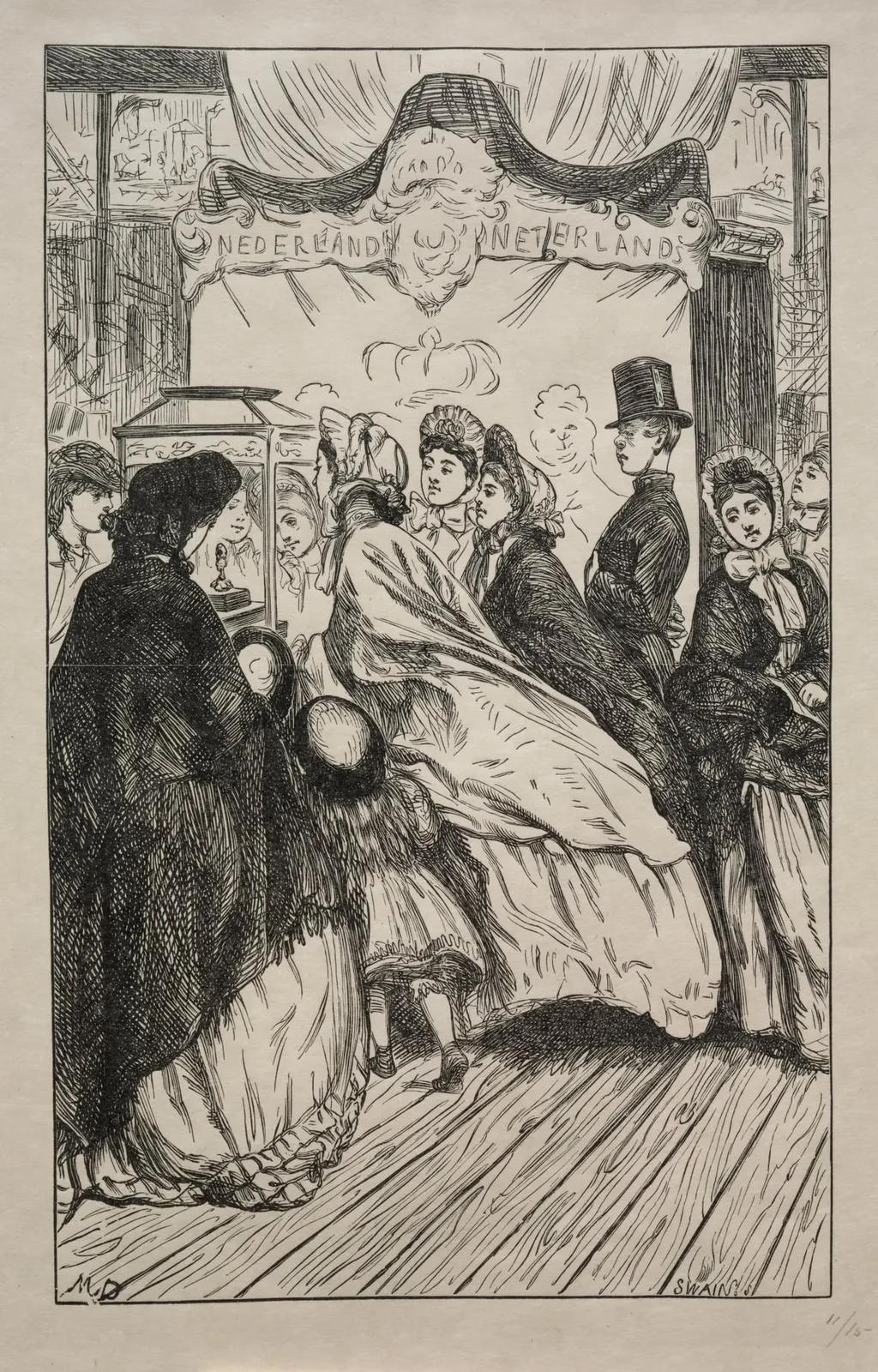
Jewels - At the Great Exhibition is a print by the Impressionist artist George Louis Palmella Busson Du Maurier. It dates from 1862 and is held in the collection of the Cleveland Museum of Art.
About this work
Overview
Created in 1862 by the French‑British illustrator George Louis Palmella Busson du Maurier, this print captures a moment from London’s Great Exhibition of that year. The work records a bustling interior where visitors gather around a glass display, illustrating the public fascination with exotic and valuable objects during the Victorian era.
Subject & Meaning
The composition centers on a glass case holding a necklace, its surface reflecting a woman’s face as she presents the jewel. Around the case, a crowd leans forward, some touching the glass, others conversing, conveying the collective curiosity and desire evoked by precious adornments.
Technique & Style
Executed in a sketchy, linear style, du Maurier employs swift lines and minimal shading to convey movement and density of the crowd. The emphasis on gesture and the interplay of reflected light within the glass case demonstrates his skill in rendering lively social scenes with economical draftsmanship.
Context
The Great Exhibition of 1862 was an international showcase of industry, art, and culture, attracting millions of visitors to the Crystal Palace. Du Maurier’s illustration reflects the Victorian public’s enthusiasm for technological progress and the spectacle of foreign displays, as indicated by the banner labeling the exhibit as “Nederland/Netherlands.”
History & Provenance
The print is part of the collection of the Cleveland Museum of Art, where it is held as an example of du Maurier’s early illustrative work before his later fame as a novelist and contributor to the satirical magazine Punch.
Artist & collection
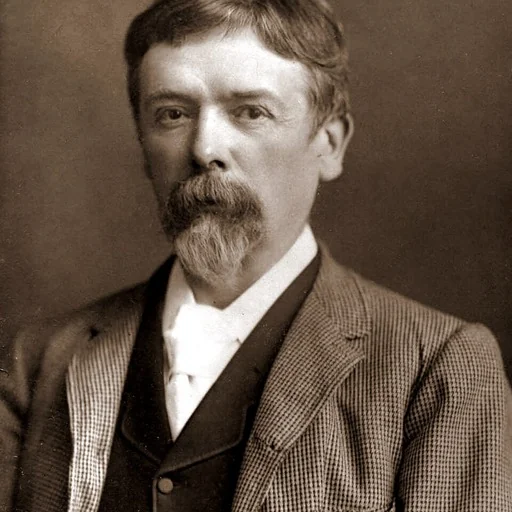
Artist
George Louis Palmella Busson Du Maurier
George Louis Palmella Busson du Maurier (French: ; 6 March 1834 – 8 October 1896) was a French-British cartoonist, illustrator, and novelist.

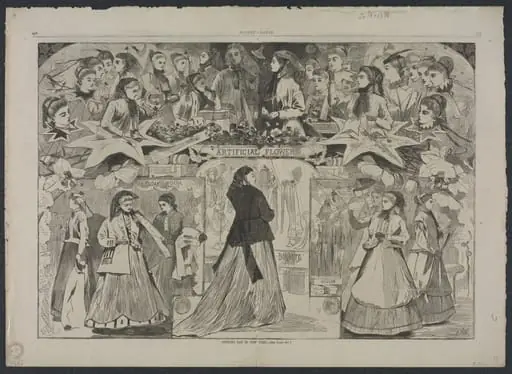 Opening Day in New York
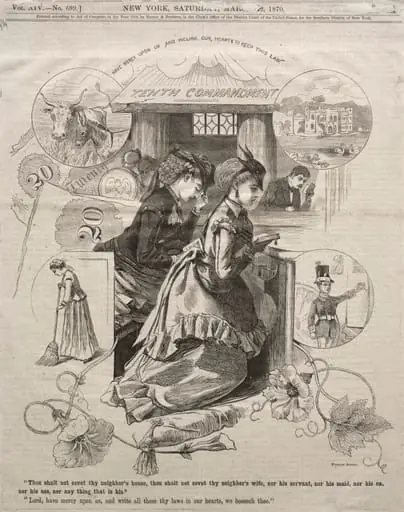 Tenth Commandment
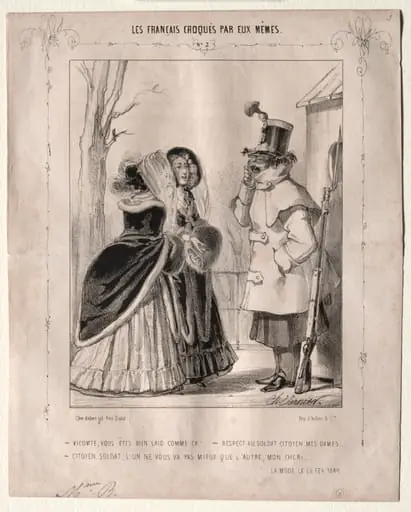 Les Français croquès par eux-mêmes: Vicomte, vous êtes bien laid comme ca!,,,Respect au soldat citoyen, mes dames...Citoyen, soldat, l'un ne vous va pas mieux que l'autre, mon cher!
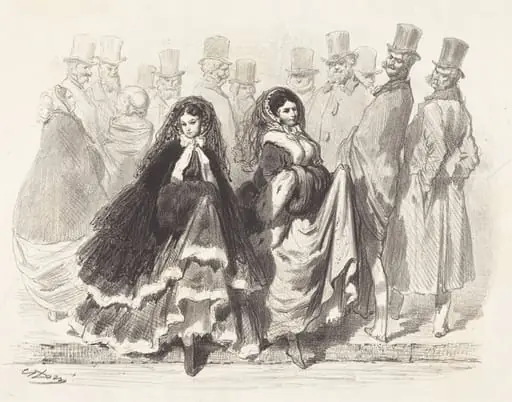 Street Scene
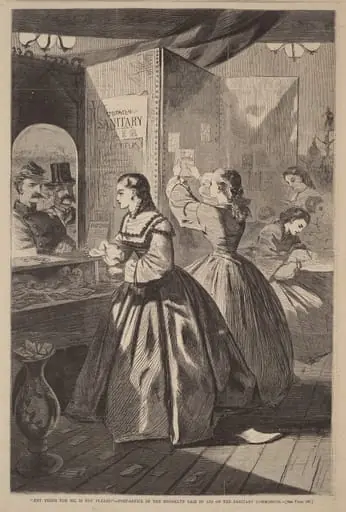 "Any Thing for Me, If You Please?" - Post Office of the Brooklyn Fair in Aid of the Sanitary Commission
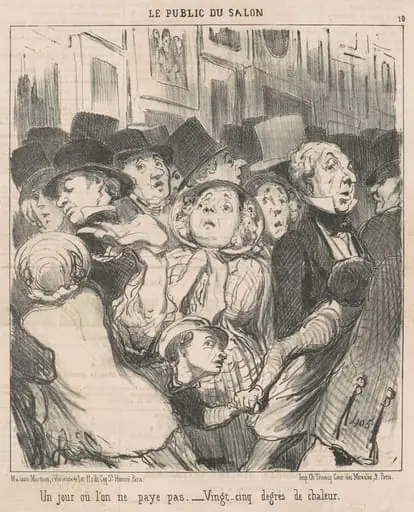 Un jour ou l'on ne paye pas
 Inconvénient d'acheter un journal...
 La Glaneuse
 Wedding at the Louvre
 The Living Stream at London Bridge - On the Bridge
 Comment ... tu as encore acheté un ... chapeau ...
 The Buds