Artwork
La Glaneuse
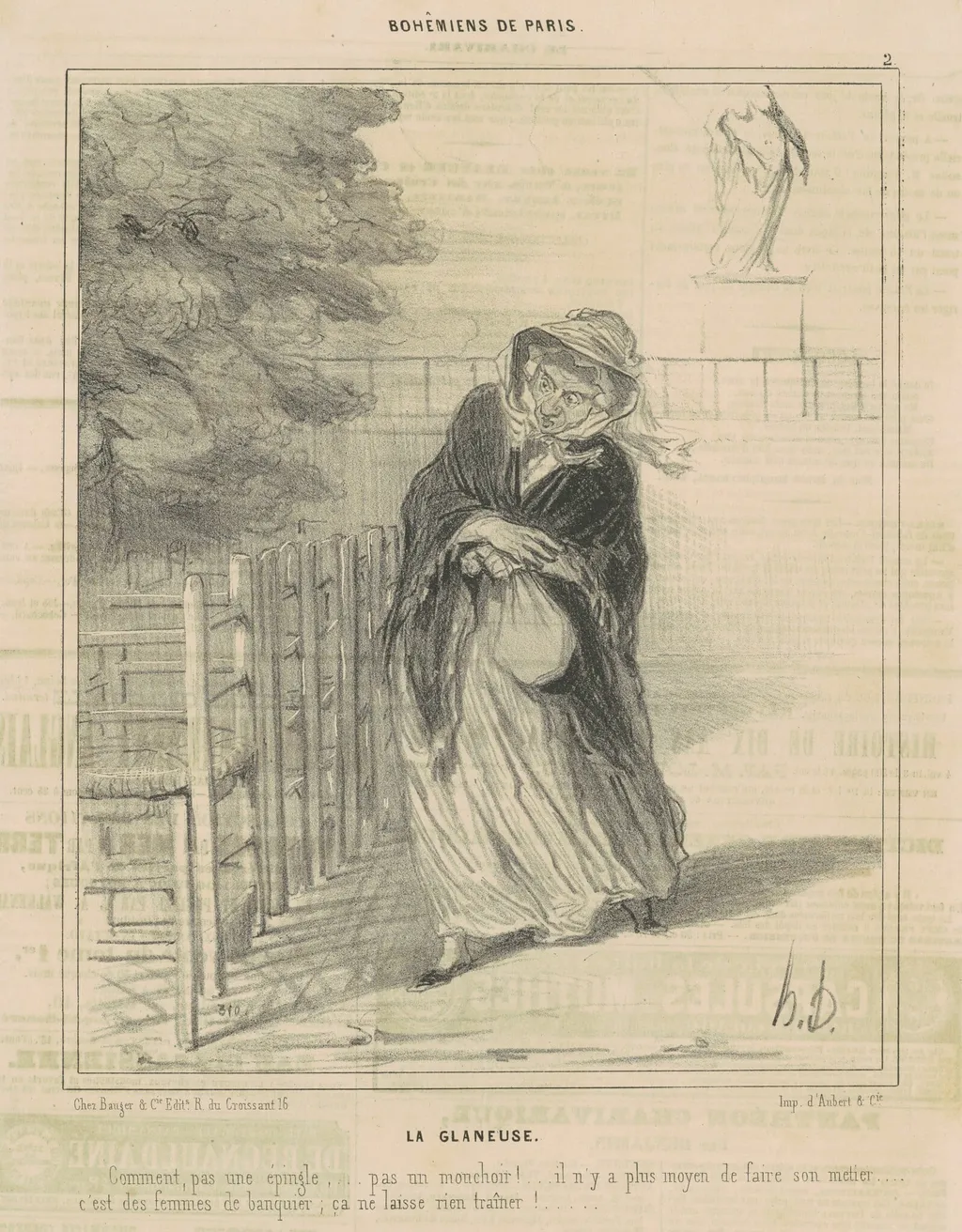
La Glaneuse is an ink print by the Romanticist artist Honoré Daumier. It dates from 1841 and is held in the collection of the National Gallery of Art.
About this work
See how he did it in person at the National Gallery of Art, Washington.
A woman in a faded dress bends over, clutching a sack to her chest.
Daumier exaggerated her features to show hard work and quiet strength.
This 1841 lithograph was made to protest unfair labor rules.
Lithography prints fast, letting artists reach big crowds cheaply.
Daumier used it to spread social messages about poverty.
The image makes you feel the weight in her shoulders.
See how he did it in person at the National Gallery of Art, Washington.
Overview
La Glaneuse is a lithograph created by Honoré Daumier in 1841, portraying a hunched woman clutching a sack, symbolizing the hardships of the working class through exaggerated yet dignified representation.
Subject & Meaning
The subject, a woman in a faded dress, embodies the struggles of laborers under unfair conditions. Her posture and features convey quiet strength amidst hardship, highlighting the dignity of often-overlooked workers.
Technique & Style
Daumier utilized lithography for its rapid reproduction capabilities, enabling widespread dissemination of social commentary. The exaggerated facial features and pose are characteristic of his social realist approach.
History & Provenance
Originally created in 1841 as a form of protest against labor injustices, the work's current location is the National Gallery of Art in Washington, where the physicality of the image can be closely examined.
Artist & collection
Artist
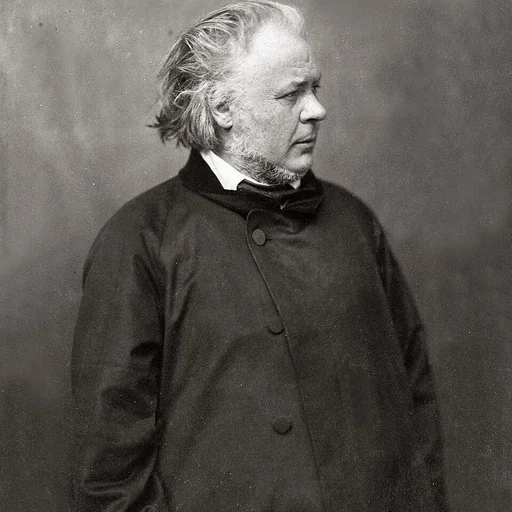
Honoré-Victorin Daumier was a French painter, sculptor, and printmaker, whose many works offer commentary on the social and political life in France, from the Revolution of 1830 to the fall of the Second French Empire in 1870.

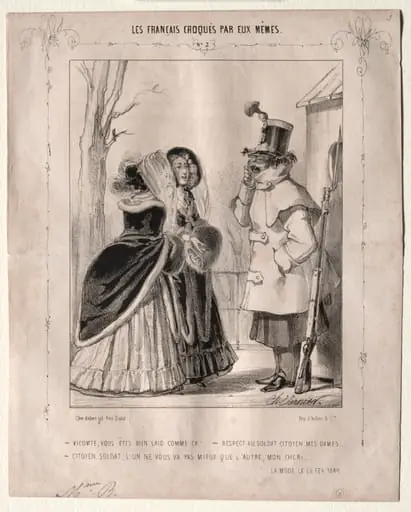 Les Français croquès par eux-mêmes: Vicomte, vous êtes bien laid comme ca!,,,Respect au soldat citoyen, mes dames...Citoyen, soldat, l'un ne vous va pas mieux que l'autre, mon cher!
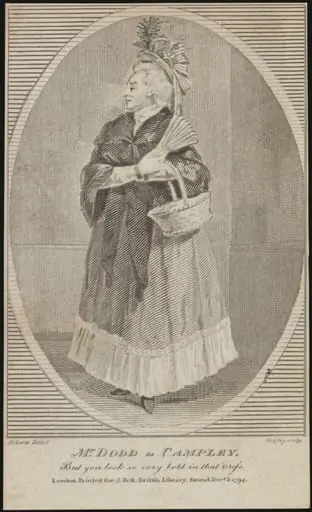 H Beard Print Collection
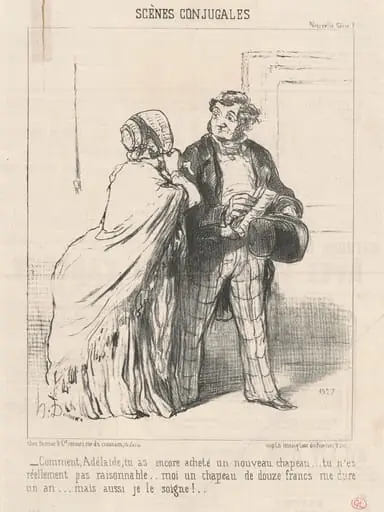 Comment ... tu as encore acheté un ... chapeau ...
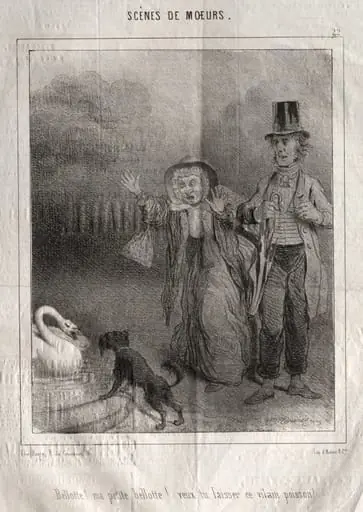 Scènes de moeurs: Bellotte! ma petite Bellote! veux-tu laisser ce vilain poisson!
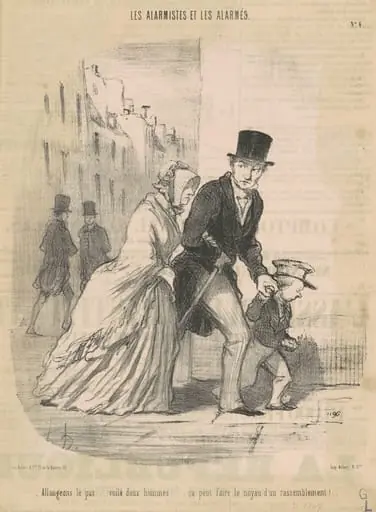 Allongeons le pas ... voila ceux hommes ...
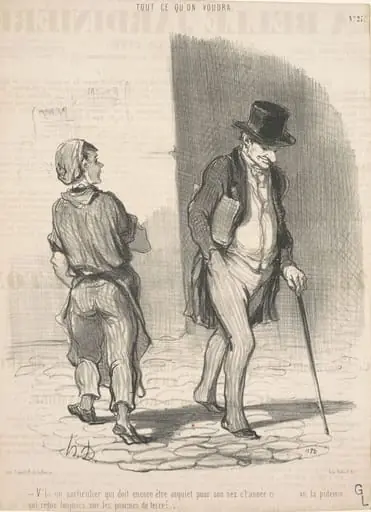 V'la un particulier qui doit ...être inquiet ...
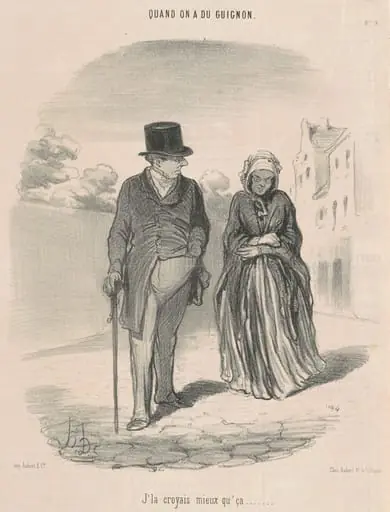 J'la croyais mieux qu'ça ...