Artwork
Untitled
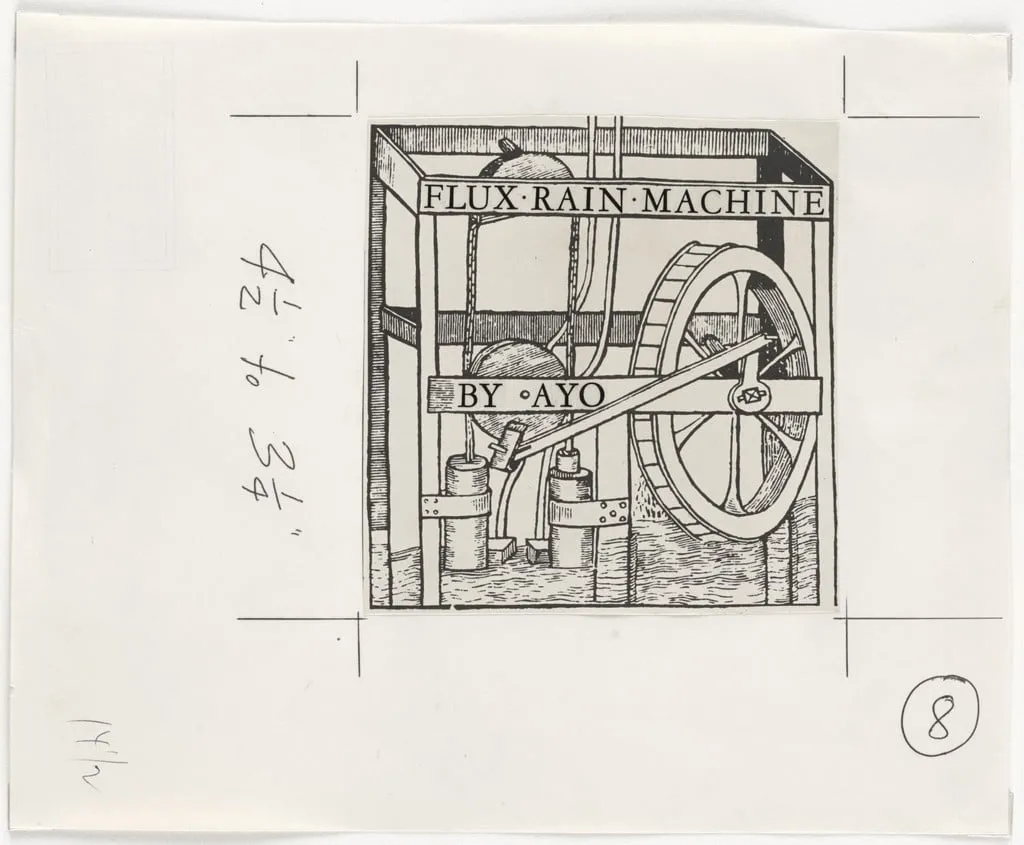
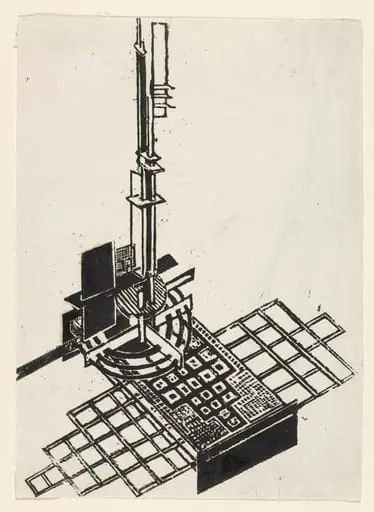
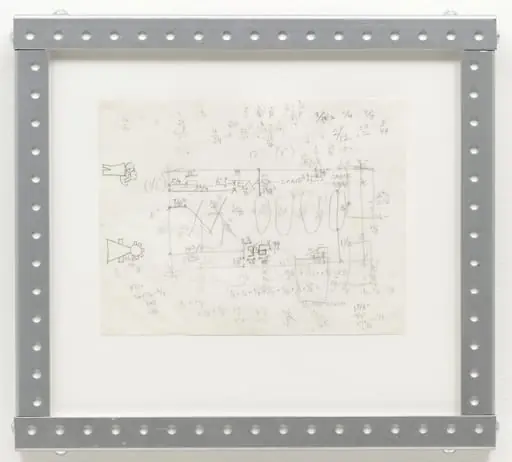
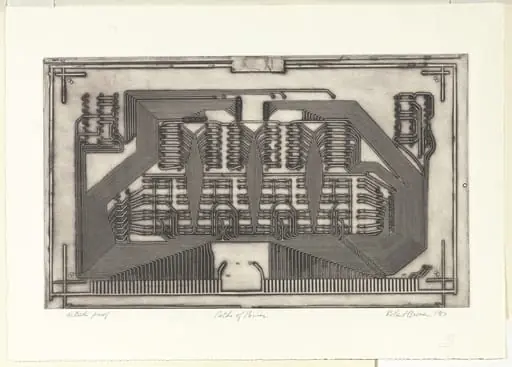
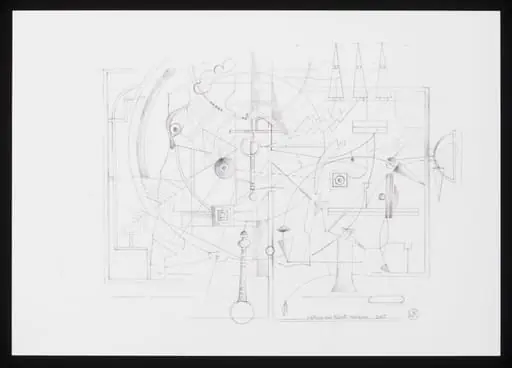
Untitled is a silver drawing by Ay-O George Maciunas. It dates from 1965 and is held in the collection of the Museum of Modern Art.
About this work
Overview
It belongs to the Fluxus movement, which embraced experimental, anti-art gestures.
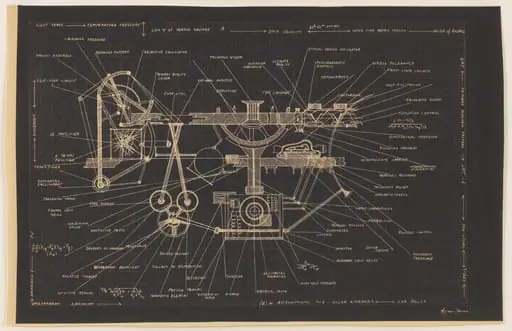
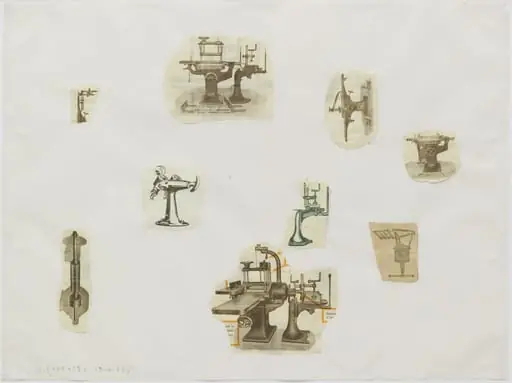
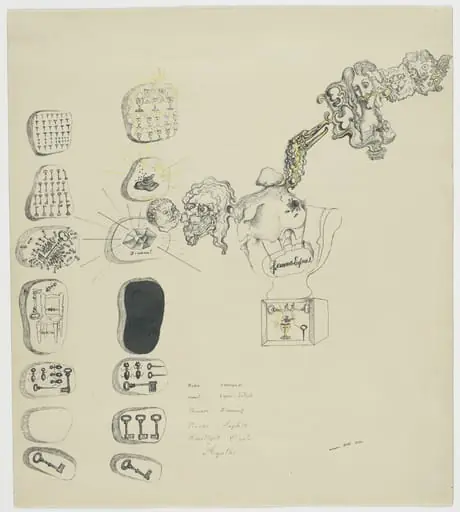
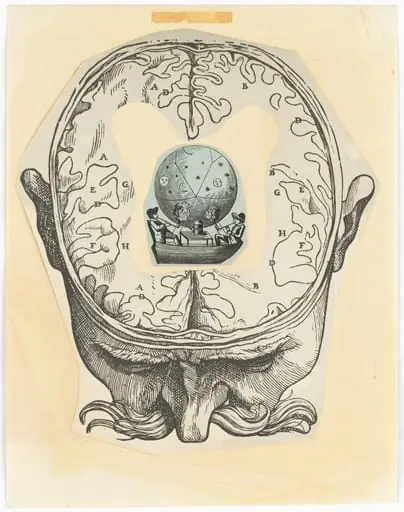
Created around 1965, this work is a mixed-media drawing by Ay-O, composed of cut-and-pasted gelatin silver prints layered with presstype, ballpoint pen, and felt-tip pen. It belongs to the Fluxus movement, which embraced experimental, anti-art gestures. The piece is held in the collection of The Museum of Modern Art and reflects the group’s interest in blending visual art with mechanical fantasy and textual play.
Subject & Meaning
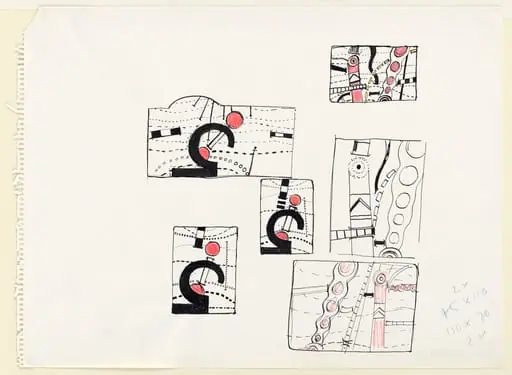
The drawing depicts a fictional device named 'Flux Rain Machine,' assembled from abstracted mechanical elements—gears, pipes, and a large wheel—rendered in stark black and white. Its purpose is deliberately nonsensical, evoking a satirical take on industrial utility. The label and signature, including Ay-O’s circle-and-star mark, frame the work as both a diagram and a joke, challenging conventional notions of function and authorship.
Technique & Style
Ay-O constructed the image by assembling photographic fragments with printed text, then overlaying them with hand-drawn lines in pen. The rough, collage-like surface merges mechanical precision with spontaneous mark-making. The use of multiple media—photographic print, presstype, and pen—creates a layered, tactile quality that mirrors Fluxus’s interest in material improvisation and the blurring of artistic boundaries.
History & Provenance
The work emerged during Ay-O’s active participation in the Fluxus network, centered in New York and Europe in the mid-1960s. It was acquired by The Museum of Modern Art as part of its broader effort to document experimental practices of the era. Its provenance traces directly to the artist’s personal archive and early Fluxus exhibitions, where such works were often distributed as ephemera.
Context
Fluxus artists rejected traditional art objects in favor of conceptual, performative, and often humorous interventions. Ay-O’s 'Flux Rain Machine' aligns with this ethos, resembling a schematic for an impossible device—part machine, part poem. Such works were shared in newsletters, mail art, and small-scale events, positioning art as a participatory, dematerialized experience rather than a static commodity.
Legacy
This drawing exemplifies how Fluxus redefined artistic production through irony and simplicity. Though not widely exhibited, it remains a representative artifact of 1960s experimental practice. Its presence in MoMA’s collection affirms its role in documenting a radical shift toward process, language, and play as central to contemporary art’s evolution.
Artist & collection