Artwork
Untitled
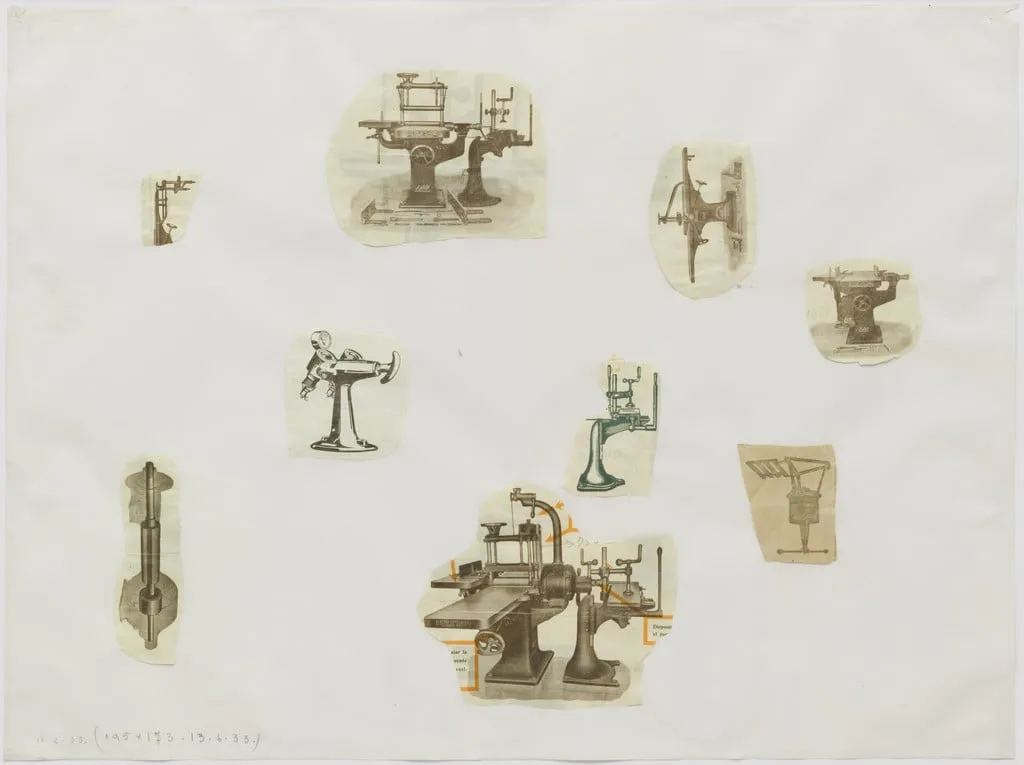
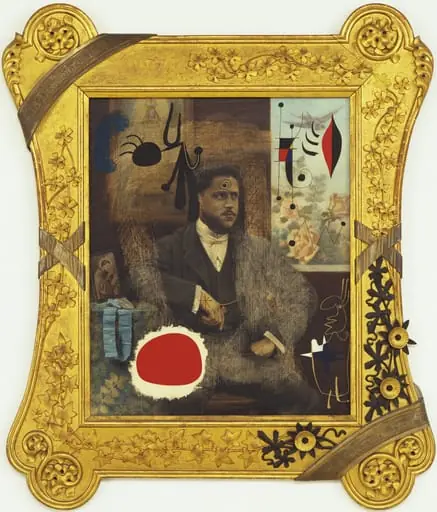
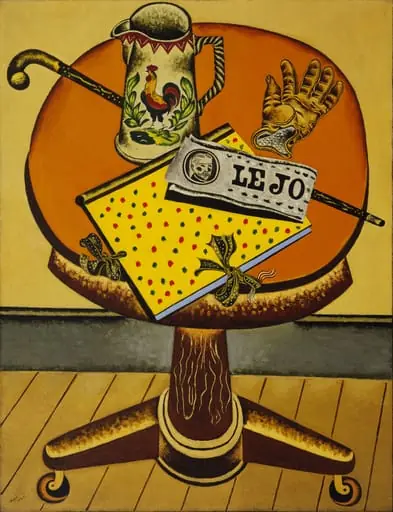
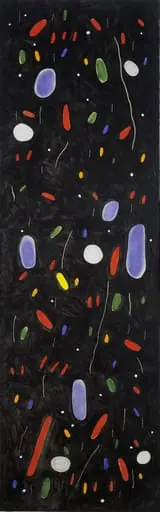
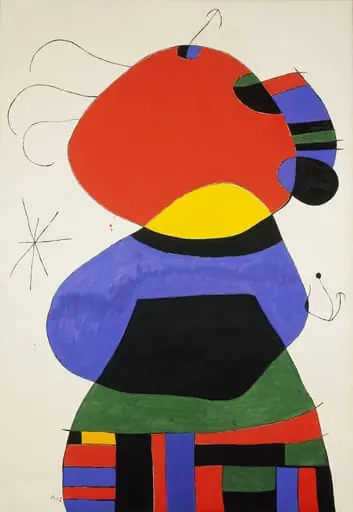
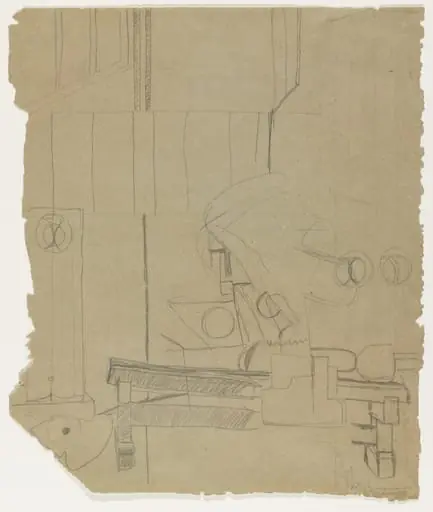
Untitled is a graphite drawing by Joan Miró. It dates from 1933 and is held in the collection of the Museum of Modern Art.
About this work
Overview
The composition is assembled from industrial fragments, arranged without narrative order, reflecting his interest in chance and non-rational composition.
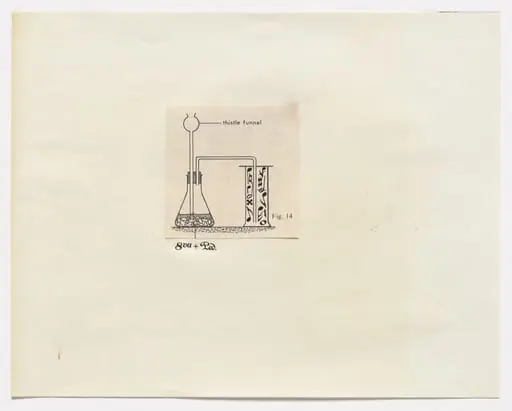
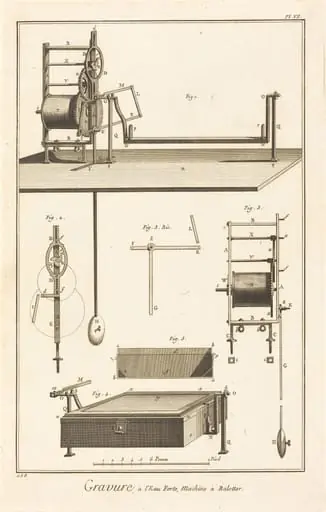
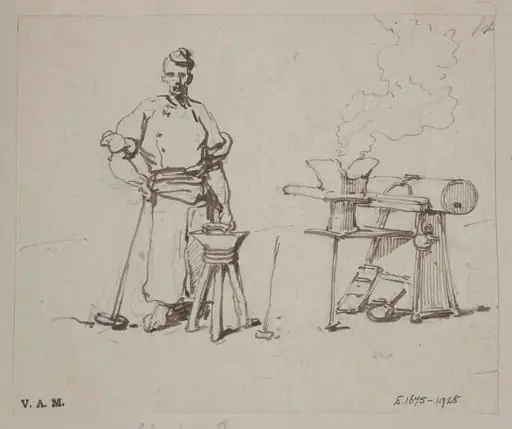
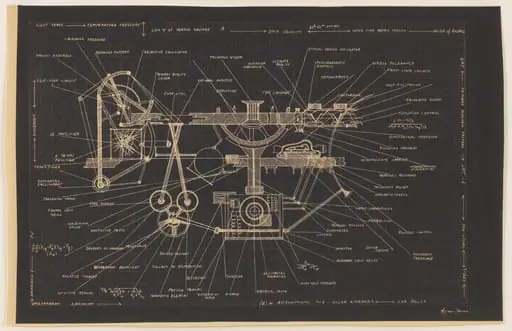
Created in 1933, this drawing by Joan Miró combines cut-out photomechanical images with graphite pencil on paper. It belongs to a series of works from the early 1930s in which Miró experimented with collage techniques to disrupt traditional pictorial space. The composition is assembled from industrial fragments, arranged without narrative order, reflecting his interest in chance and non-rational composition.
Subject & Meaning
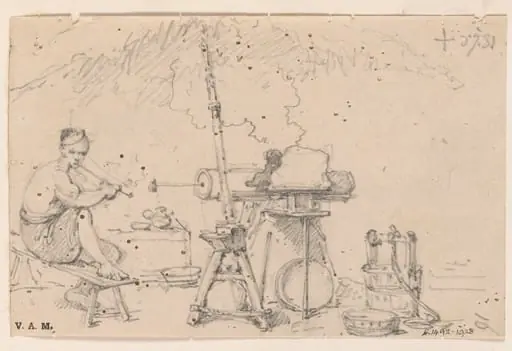
The work presents nine fragmented machine parts—lathes, drills, and unidentified metal components—devoid of human presence. These objects, drawn from technical manuals, are stripped of function and recontextualized as abstract signs. Their arrangement suggests a visual language of industry, not as a celebration of progress, but as a detached inventory of mechanical forms, evoking the surreal dislocation of everyday objects.
Technique & Style
Miró used torn or cut photomechanical reproductions, likely sourced from engineering catalogs, and adhered them to paper with graphite lines adding loose, gestural accents. The palette is restrained—browns, grays, and muted blues—with occasional orange strokes introducing subtle contrast. The rough edges and uneven placement emphasize manual intervention, contrasting the precision of the original sources with a childlike, improvisational quality.
History & Provenance
The work entered The Museum of Modern Art’s collection in the mid-20th century as part of its broader acquisition of Surrealist and avant-garde drawings. It was produced during a period when Miró was deeply engaged with collage, following his participation in Surrealist exhibitions in Paris. Its provenance traces back to his studio practice in the early 1930s, a time of intense formal experimentation.
Context
In the early 1930s, Miró was moving away from purely biomorphic forms toward more constructed compositions, influenced by Dadaist collage and the Surrealist emphasis on the unconscious. Industrial imagery, common in European art of the period, was repurposed by Miró not as commentary on labor, but as raw material for visual poetry—detached from utility, reassembled as dreamlike symbols.
Legacy
This work exemplifies Miró’s contribution to the expansion of drawing as a medium capable of incorporating found imagery and non-traditional materials. It influenced later artists exploring collage and assemblage, particularly those interested in the poetic potential of industrial detritus. Its quiet, unresolved composition remains a quiet counterpoint to the grand narratives of modern industry.
Artist & collection
Artist
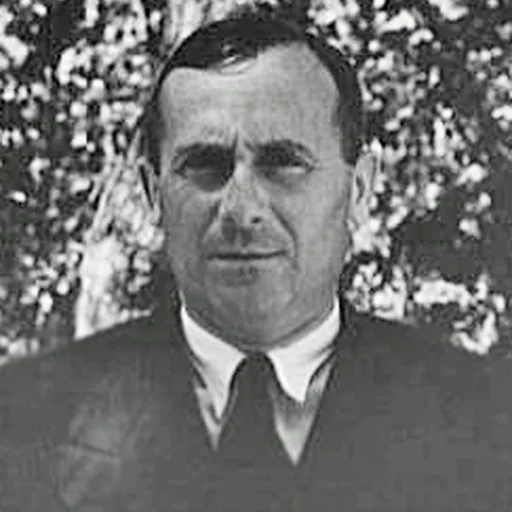
Joan Miró i Ferrà ( mirr-OH, US also mee-ROH, Catalan: ; 20 April 1893 – 25 December 1983) was a Catalan painter, sculptor and ceramist from Spain.