Artwork
Untitled
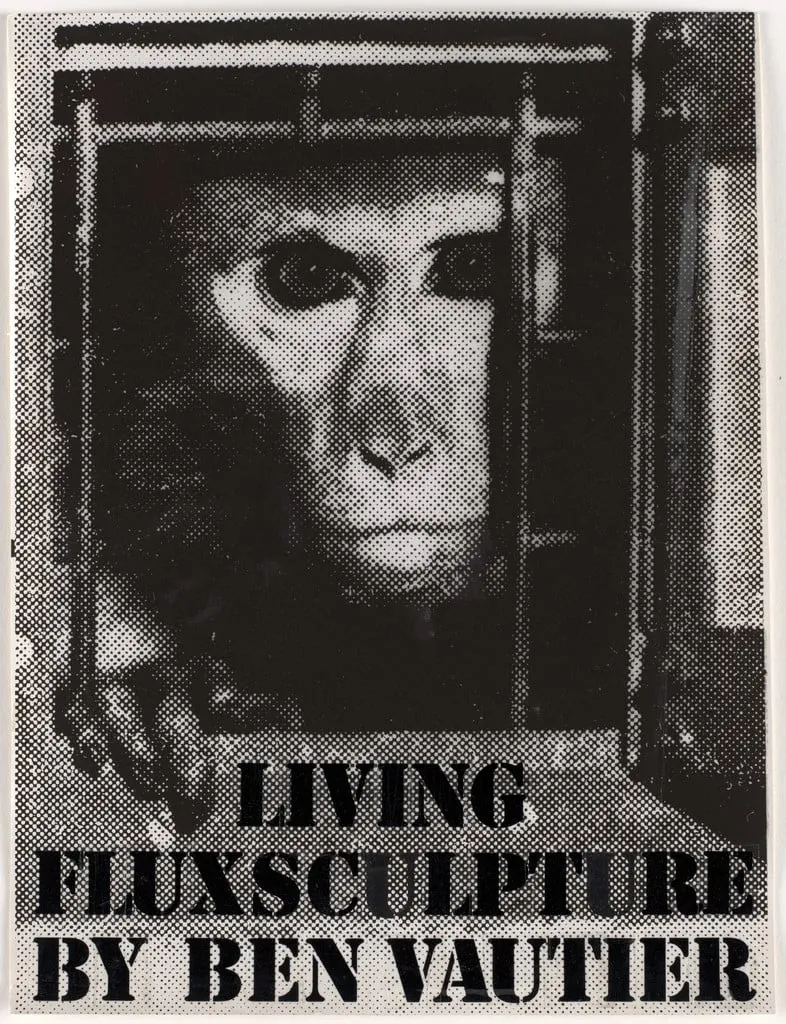
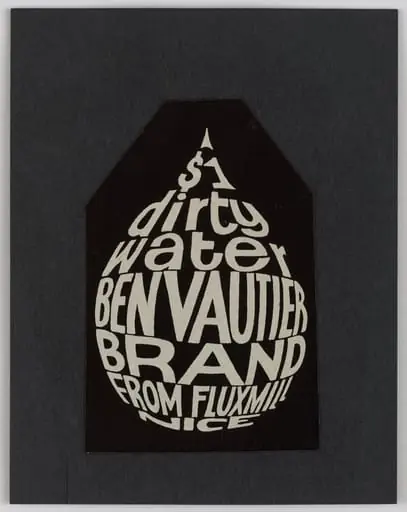
Untitled is a silver print by Ben Vautier George Maciunas. It dates from 1966 and is held in the collection of the Museum of Modern Art. This gelatin silver print with transfer type, dated around 1966, is attributed to Ben Vautier in collaboration with George Maciunas.
About this work
Overview
It combines a blurred photographic portrait with typed text, presenting a hybrid form that challenges traditional boundaries between photography and typography.
This gelatin silver print with transfer type, dated around 1966, is attributed to Ben Vautier in collaboration with George Maciunas. It combines a blurred photographic portrait with typed text, presenting a hybrid form that challenges traditional boundaries between photography and typography. The work is part of The Museum of Modern Art’s collection and reflects the experimental ethos of the Fluxus movement.
Subject & Meaning
The image depicts a face rendered in soft focus, its features indistinct yet recognizable as human. Below it, the phrase 'LIVING FLUXSCULPTURE' and the artist’s name are printed in bold, lowercase letters. The term suggests a rejection of static art objects in favor of transient, performative experiences. The blurred face may symbolize the dissolution of individual identity within collective artistic action.
Technique & Style
The work merges a photographic print with hand-set or typewritten text, creating a layered, anti-aesthetic composition. The photographic element is intentionally out of focus, undermining conventional ideals of clarity and representation. The stark black-and-white contrast and utilitarian typography align with Fluxus’s preference for raw, unpolished materials and processes over refined technique.
History & Provenance
Created circa 1966, the piece emerged during the height of Fluxus activity in Europe and the United States. It was produced through collaboration between Ben Vautier and George Maciunas, key figures in the movement. The work entered The Museum of Modern Art’s collection as part of its broader effort to document avant-garde practices that redefined art’s material and conceptual limits.
Context
Fluxus artists sought to dissolve distinctions between art and life, often using everyday materials and ephemeral actions. This print reflects their interest in textual ambiguity, anti-art gestures, and the democratization of artistic production. The term 'Fluxsculpture' itself merges sculpture with the fluid, unpredictable nature of flux, rejecting permanence in favor of process and participation.
Legacy
The work exemplifies how Fluxus redefined artistic authorship and medium specificity in the 1960s. Its combination of photographic ambiguity and typographic declaration influenced later conceptual and mail-art practices. While not widely exhibited, it remains a quiet but significant artifact of a movement that prioritized idea over object, challenging institutional norms of art presentation.
Artist & collection