Artwork
Untitled
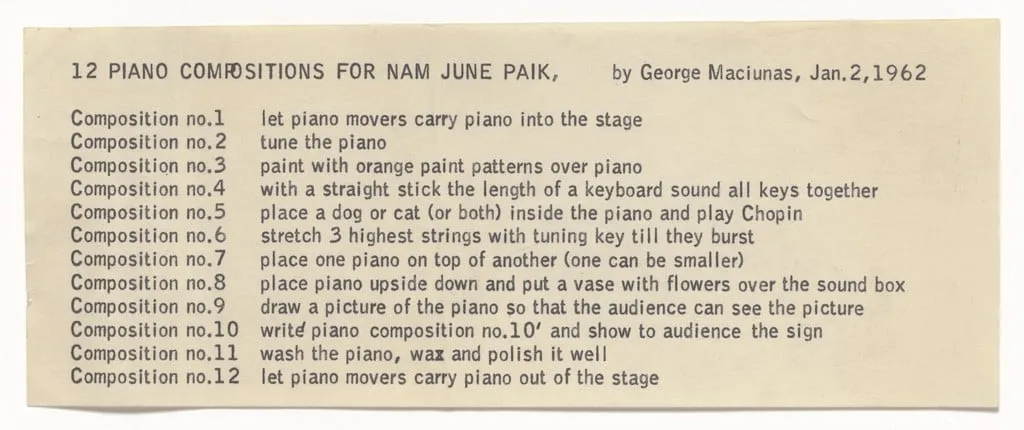
Untitled is a drawing by George Maciunas. It dates from 1962 and is held in the collection of the Museum of Modern Art.
About this work
The text is handwritten under each number, describing odd instructions like "tune the piano" or "place a dog or cat inside the piano and play Chopin.
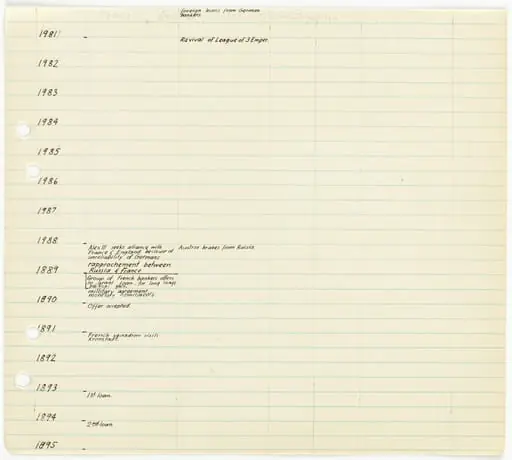
This is a typed list on yellowed paper. It’s titled *"12 Piano Compositions for Nam June Paik"* with a date: January 2, 1962. The text is handwritten under each number, describing odd instructions like "tune the piano" or "place a dog or cat inside the piano and play Chopin."
The list is part of a performance piece, not a painting. It’s a set of stage directions that treat a piano like an object to be altered, played with, or even destroyed.
Look up George Maciunas next to see more of his experimental work.
Overview
Created in 1962, this mimeograph-printed work by George Maciunas is a typed list of instructions for a performance involving a piano. Produced using an accessible, mechanical duplication method, it reflects Maciunas’s commitment to dematerializing art and rejecting traditional artistic hierarchies. The piece belongs to a broader series of Fluxus event scores that prioritize process over object.
Subject & Meaning
Titled '12 Piano Compositions for Nam June Paik,' the work consists of twelve unconventional directives, such as tuning the piano or placing an animal inside it to play Chopin. These instructions subvert classical musical norms, treating the piano not as an instrument to be revered but as a physical object open to disruption. The piece functions as a conceptual score, inviting unpredictable, often absurd, live interpretations.
Technique & Style
Executed via mimeograph on yellowed paper, the work’s crude, hand-typed aesthetic mirrors Fluxus’s embrace of low-tech reproduction. The handwritten annotations beneath each numbered item introduce spontaneity into an otherwise mechanical format. This blend of industrial reproduction and personal gesture underscores the movement’s interest in blurring boundaries between art, life, and mass production.
History & Provenance
Produced in early 1962, the piece emerged during Maciunas’s active coordination of Fluxus events in New York. It was created as a gift or collaborative proposal for Nam June Paik, a fellow artist and key Fluxus participant. The work entered The Museum of Modern Art’s collection as part of its broader acquisition of Fluxus materials, documenting the movement’s radical redefinition of artistic practice.
Context
This work belongs to a wave of experimental scores from the early 1960s that rejected traditional musical and visual art forms. Maciunas, alongside peers like John Cage and Yoko Ono, sought to dissolve distinctions between composer, performer, and audience. The piece reflects Fluxus’s ethos: art as an ephemeral, participatory act, rooted in everyday materials and irreverent humor.
Legacy
As one of many Fluxus event scores, this mimeograph remains a touchstone for later generations of performance and conceptual artists. Its emphasis on instruction, chance, and the deconstruction of instruments influenced developments in sound art, body art, and institutional critique. The work endures not as a finished product, but as a prompt for ongoing, open-ended action.
Artist & collection
Artist
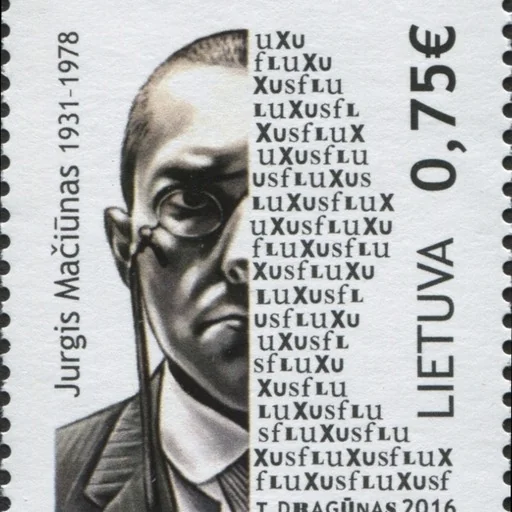
George Maciunas (English: ; Lithuanian: Jurgis Mačiūnas; November 8, 1931 – May 9, 1978) was a Lithuanian American artist, art historian, and art organizer who was the founding member and central coordinator of Fluxus,…