Artwork
Millicent Watson
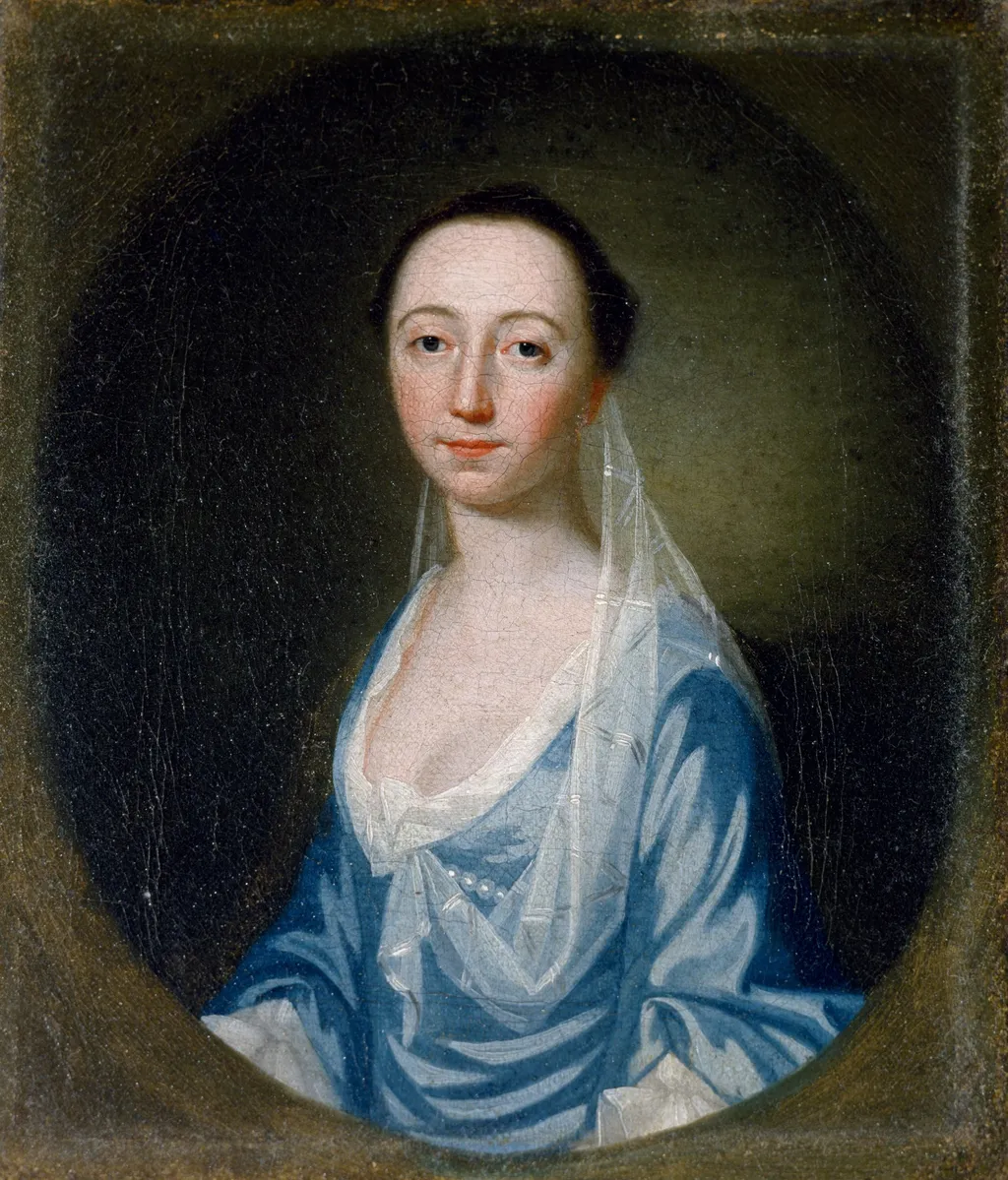
Millicent Watson is an oil painting by the Rococo painting artist George Romney. It dates from 1750 and is held in the collection of the Museum of Fine Arts, Houston.
About this work
Overview
Its restrained composition and focus on individual presence reflect the transitional style between late Baroque formality and emerging Neoclassical sensitivity.
George Romney painted *Millicent Watson* circa 1750 in oil on canvas, capturing a young woman in a quiet, intimate pose. The work belongs to the early phase of Romney’s career, before he became widely known for portraits of British elites. Its restrained composition and focus on individual presence reflect the transitional style between late Baroque formality and emerging Neoclassical sensitivity.
Subject & Meaning
The sitter, identified as Millicent Watson, is portrayed without adornment or symbolic props, emphasizing her personal presence over social status. Her neutral expression and direct gaze invite quiet engagement rather than grandeur. The simple veil and modest dress suggest propriety and restraint, aligning with contemporary ideals of feminine virtue, though the painting avoids overt moralizing in favor of psychological stillness.
Technique & Style
Romney employs subtle chiaroscuro to model the folds of the blue dress, using soft transitions between light and shadow to suggest volume without theatricality. The white trim and veil are rendered with delicate brushwork, enhancing texture without distraction. The dark, unmodeled background isolates the figure, focusing attention on her form and the nuanced handling of fabric and skin tones.
History & Provenance
The painting’s early ownership is undocumented, but it likely remained in private hands in England. Romney’s rising reputation in the 1760s and 1770s led to increased demand for his portraits, though *Millicent Watson* predates his most celebrated commissions. Its survival in relatively unchanged condition offers insight into his formative approach before he became the preferred portraitist of aristocratic circles.
Context
Painted during the mid-18th century, the work reflects a shift in British portraiture away from ornate aristocratic displays toward more naturalistic depictions. While continental Rococo emphasized elegance and playfulness, Romney’s approach was quieter, influenced by earlier English traditions and emerging ideals of sincerity. This portrait aligns with a growing interest in individual character over social performance.
Legacy
Though not among Romney’s most famous works, *Millicent Watson* illustrates his early command of light, texture, and psychological nuance. It stands as a quiet precursor to his later, more elaborate portraits and demonstrates how he refined a personal style rooted in observation rather than convention. The painting contributes to understanding the evolution of British portraiture in the decades before the Neoclassical turn.
Artist & collection
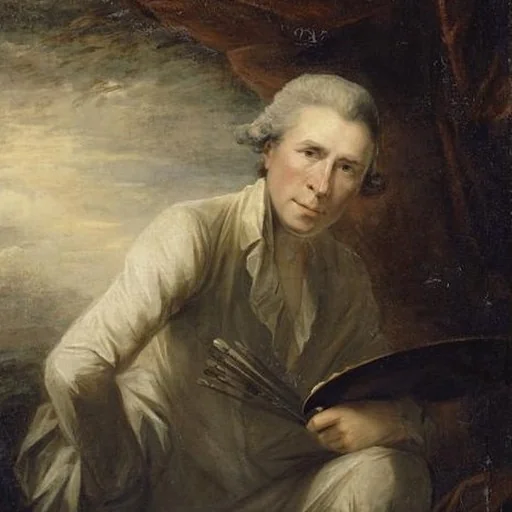
Artist
George Romney (26 December 1734 – 15 November 1802) was an English painter. He was the most fashionable artist of his day, painting many leading society figures – including his artistic muse, Emma Hamilton, mistress of Lord Nelson.

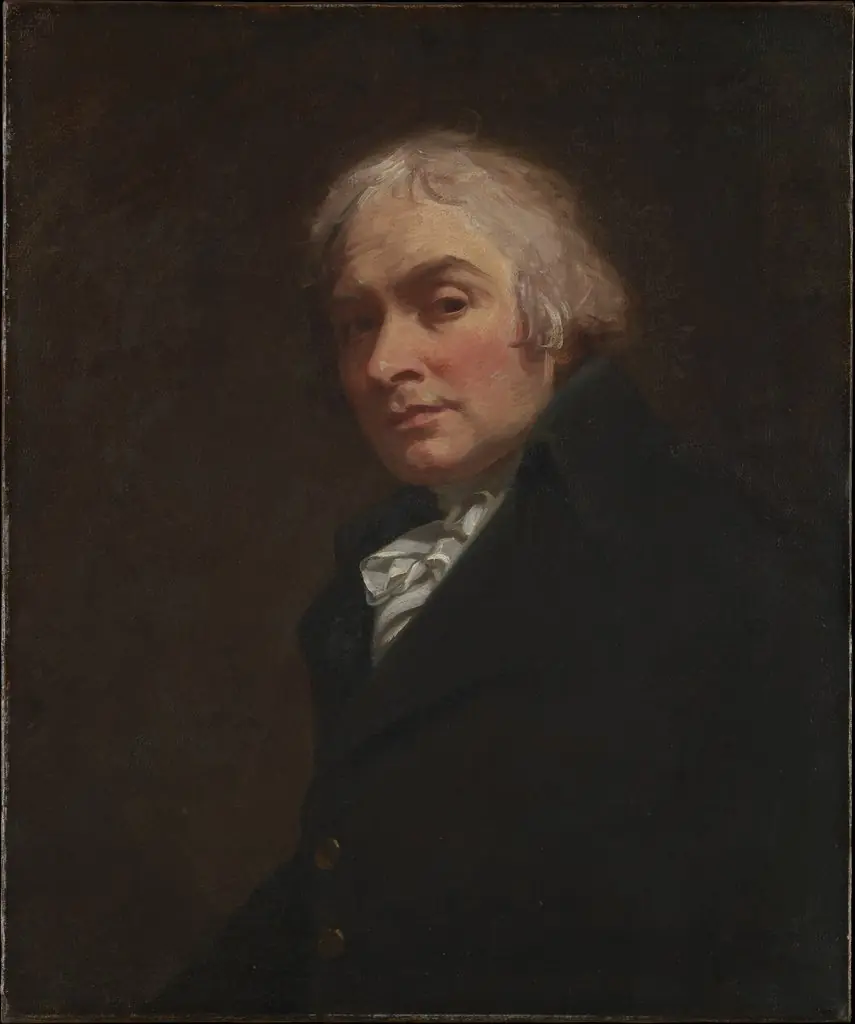 Self-Portrait
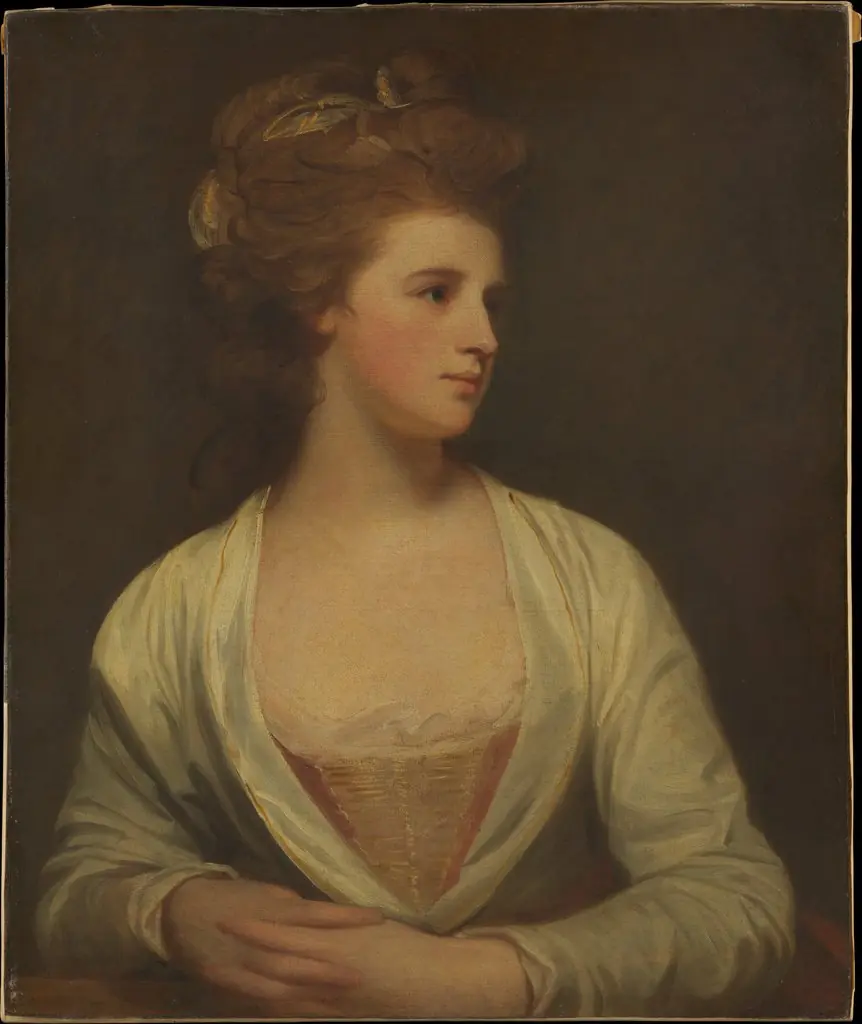 Portrait of a Woman, Said to Be Emily Bertie Pott (died 1782)
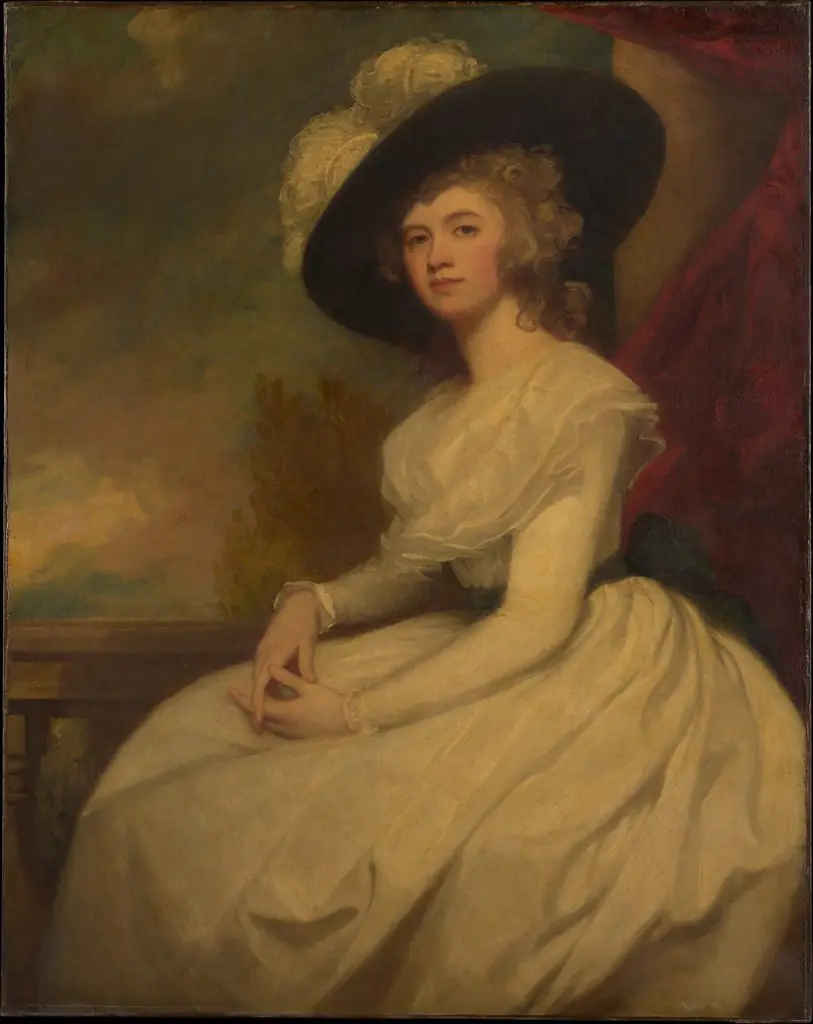 Mrs. Bryan Cooke (Frances Puleston, 1765–1818)
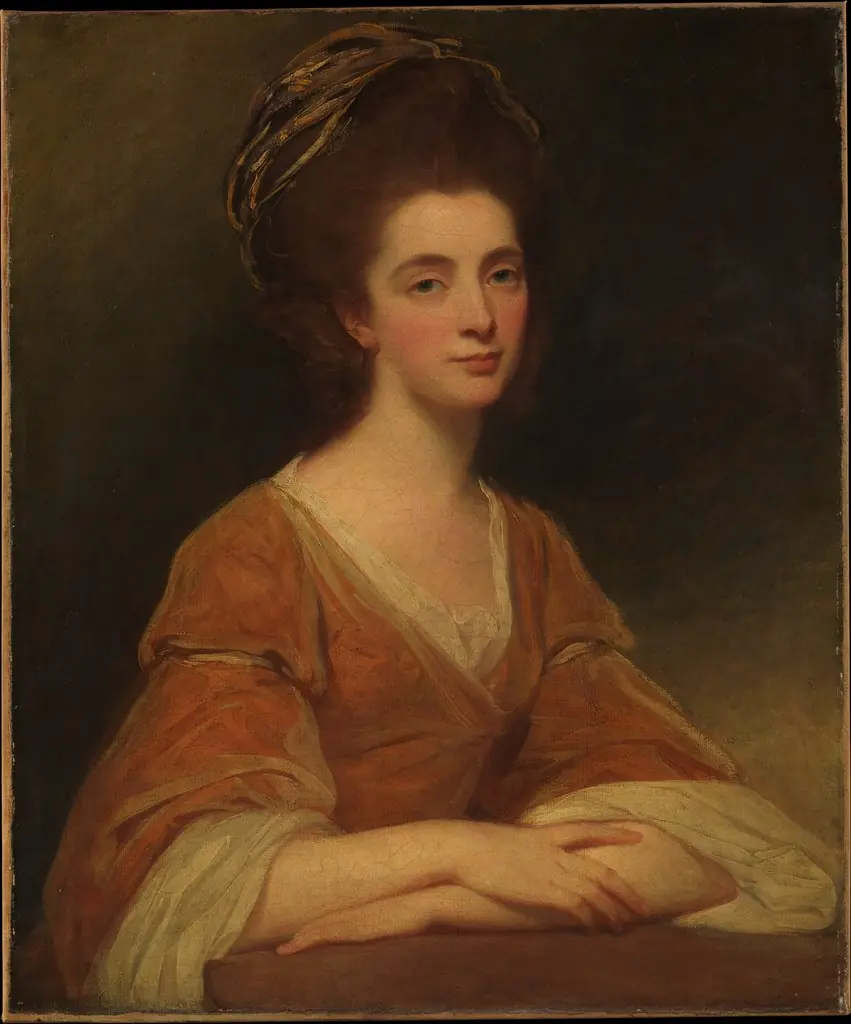 Mrs. Charles Frederick (Martha Rigden, died 1794)
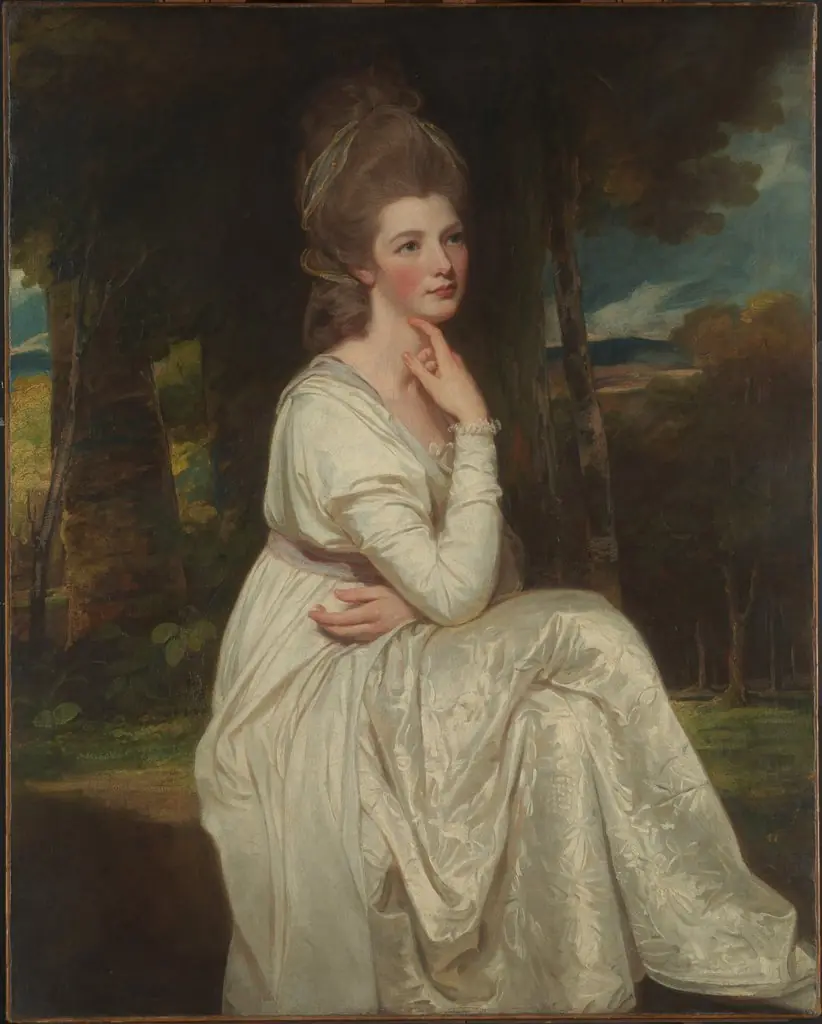 Lady Elizabeth Hamilton (1753–1797), Countess of Derby
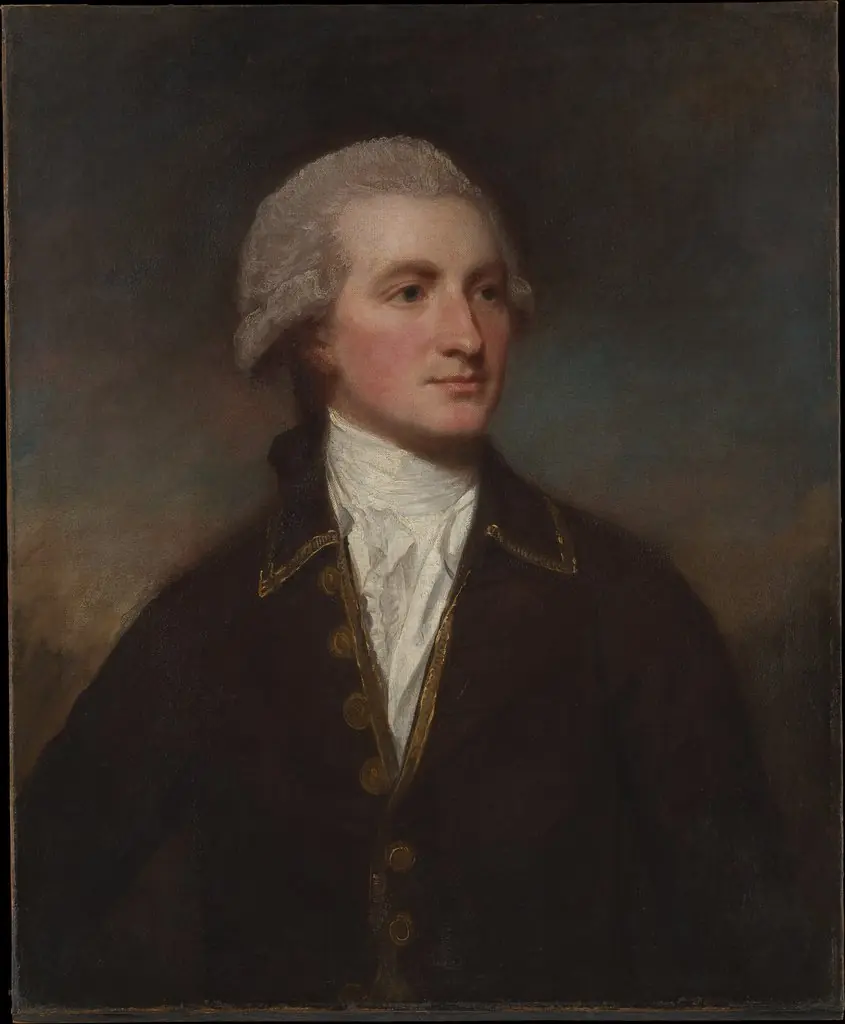 Portrait of a Man
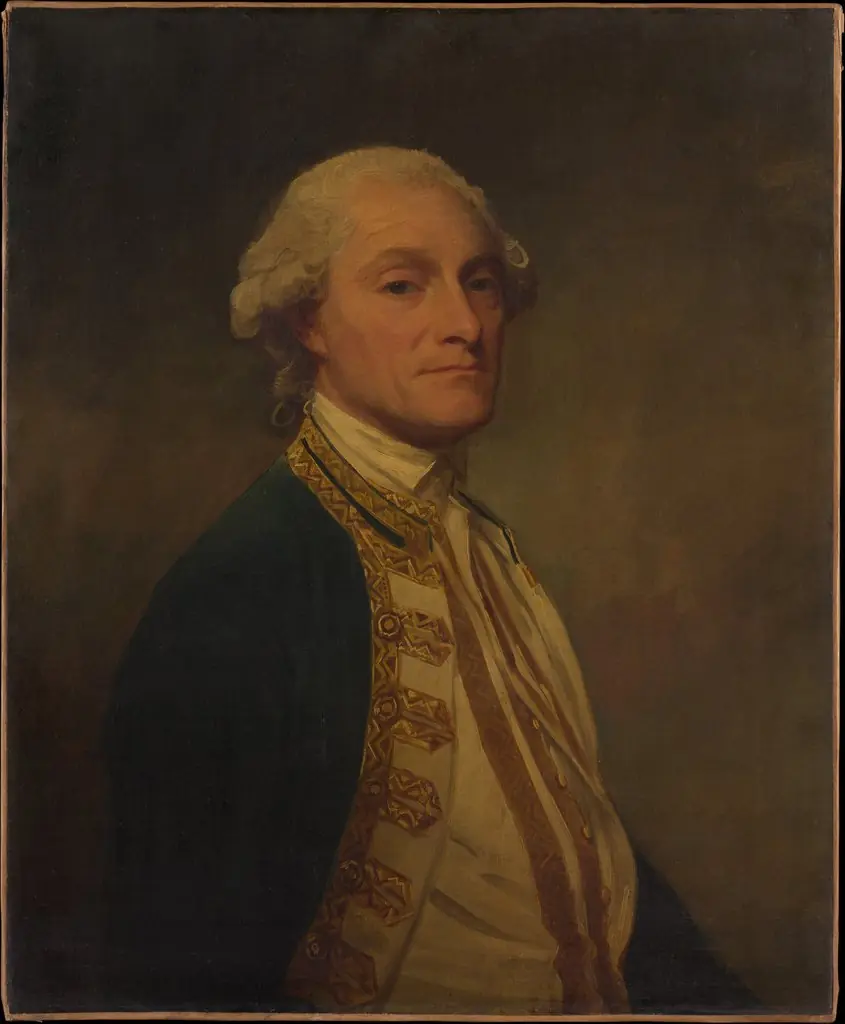 Admiral Sir Chaloner Ogle (1726–1816)
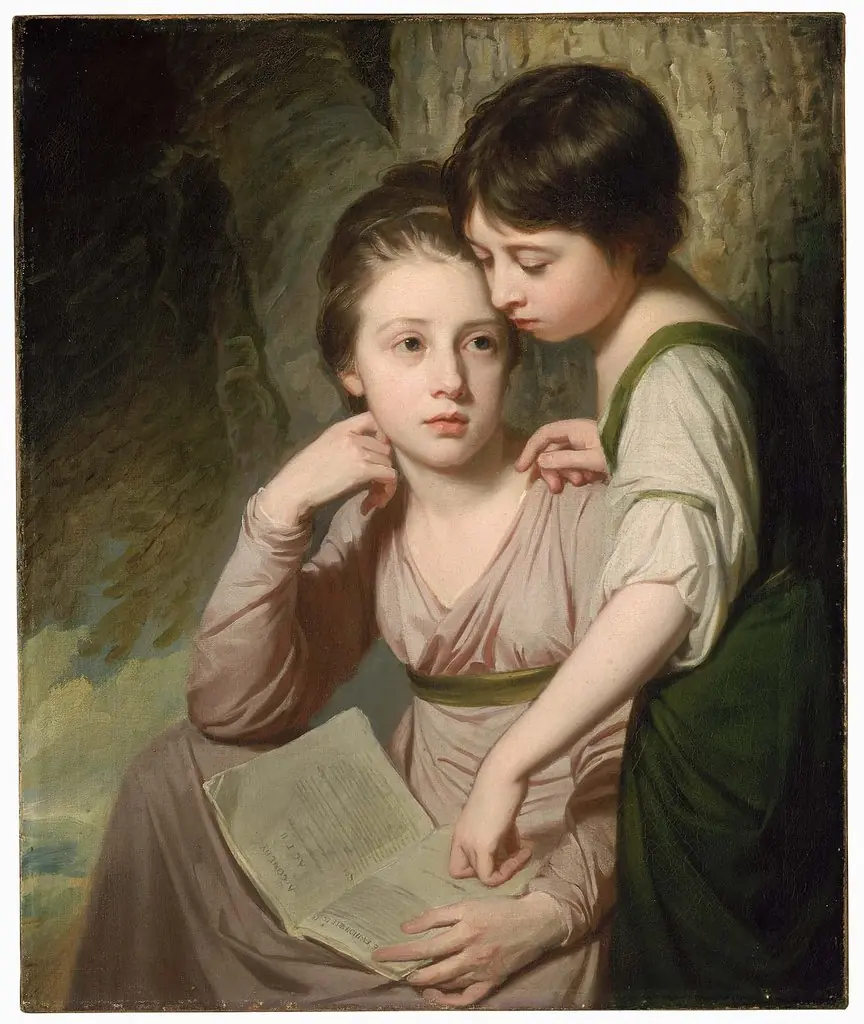 Portrait of Two Girls (Misses Cumberland)
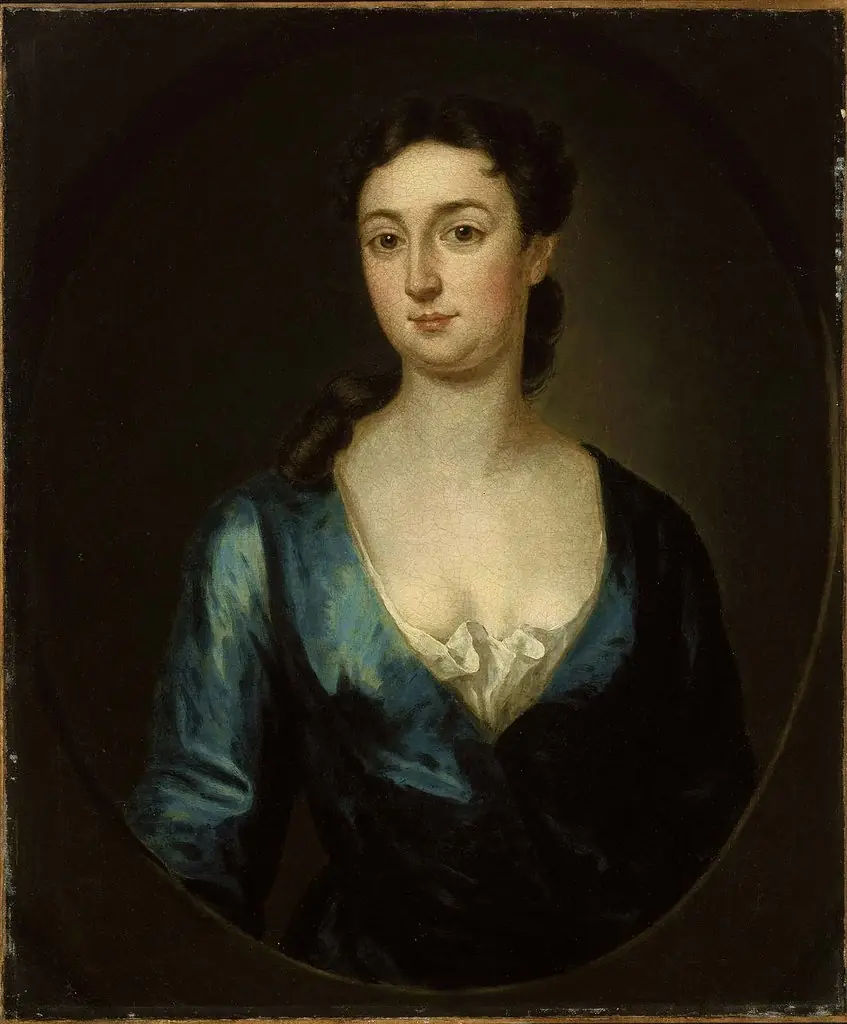 Mrs. James MacSparran (Hannah Gardiner)
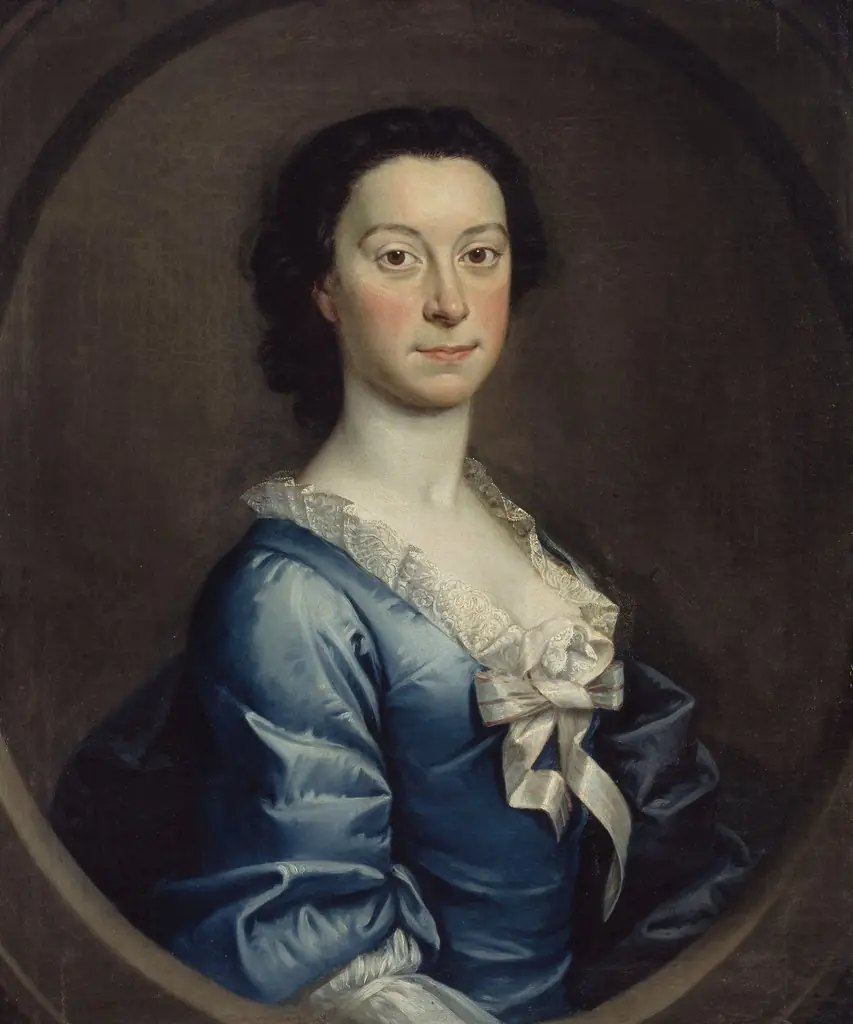 Possible Portrait of Hester Vanhomrigh ('Vanessa') (1690-1723)
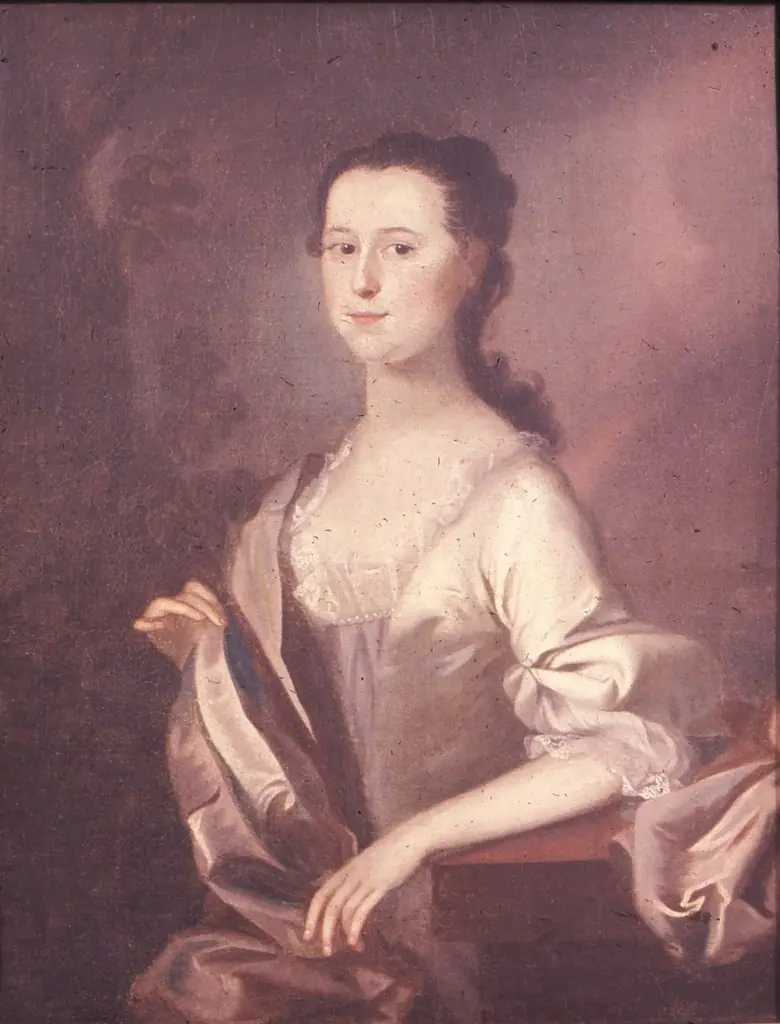 Mrs. Wyseman Clagett (Née Lettice Mitchell; Later Mrs. Simon McQuesten)
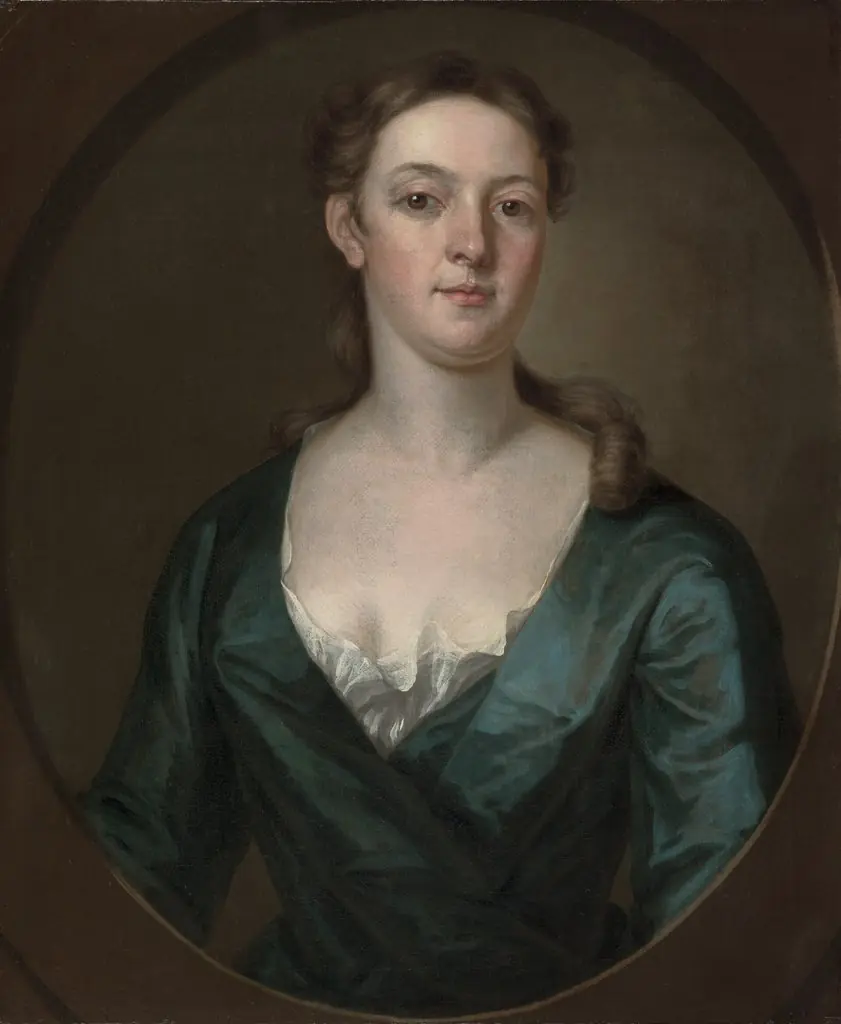 Portrait of a Woman (Judith Colman Bulfinch?)
 Portrait of a Woman (Judith Colman Bulfinch?)
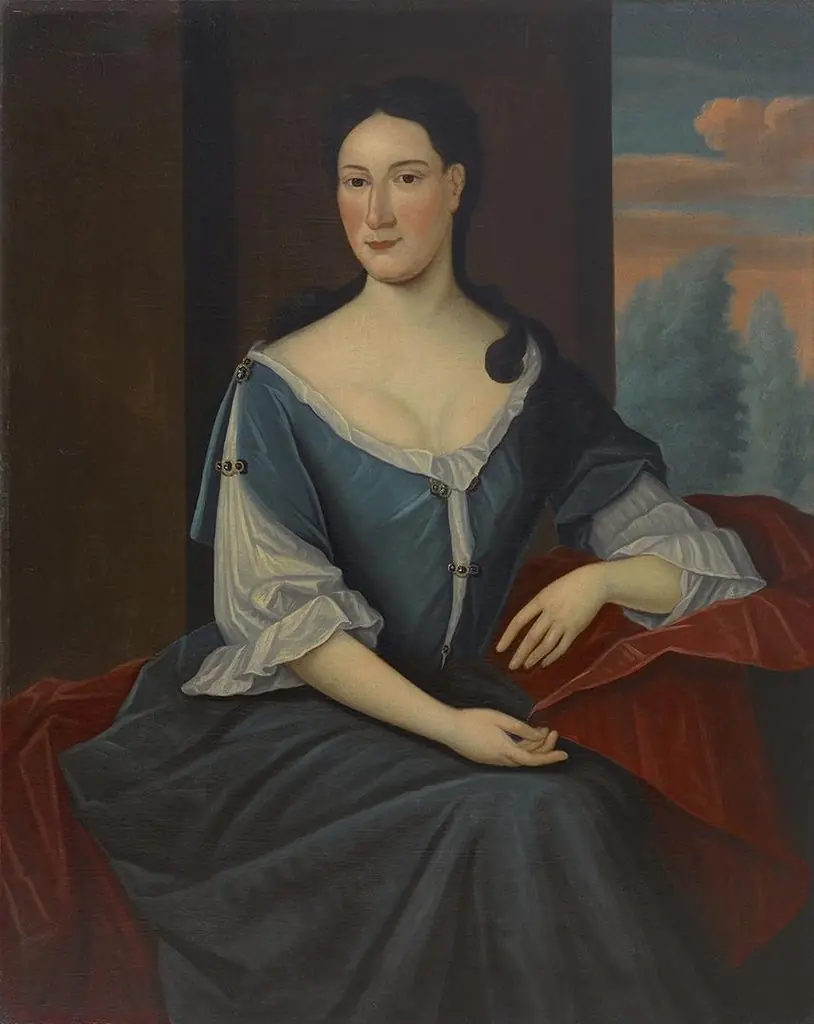 Mrs. Jacob Franks (Abigaill Levy)
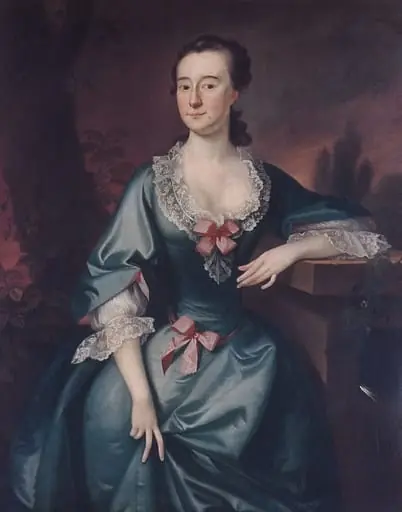 Mrs. David Chesebrough
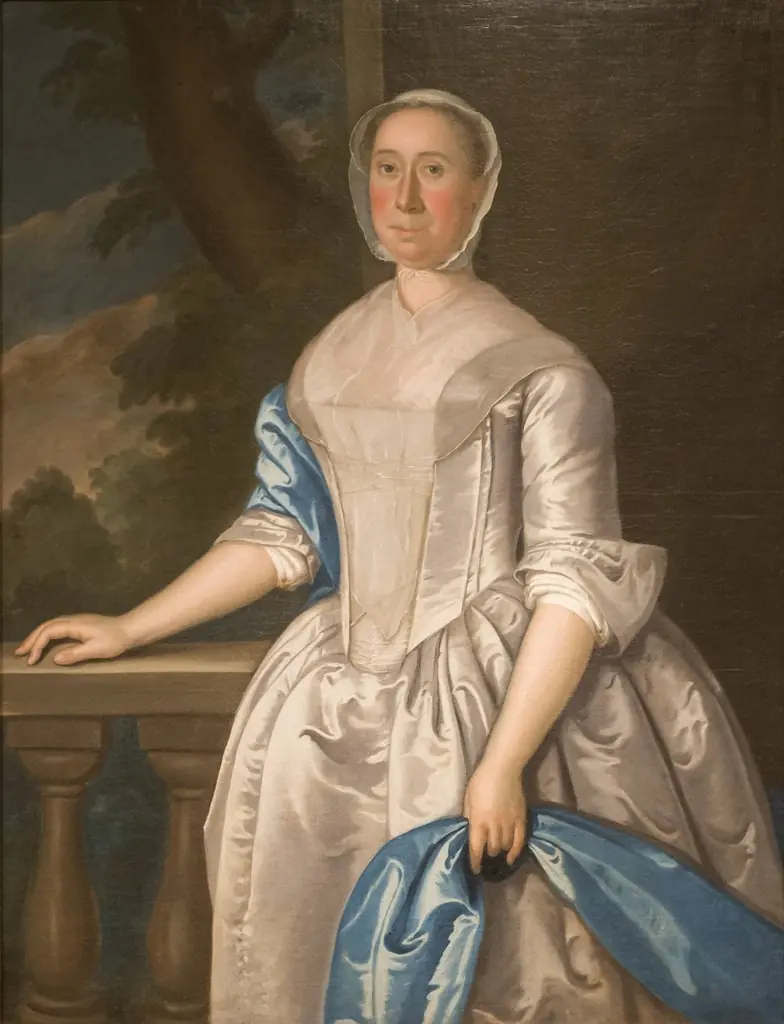 Mrs. Thomas Sprigg
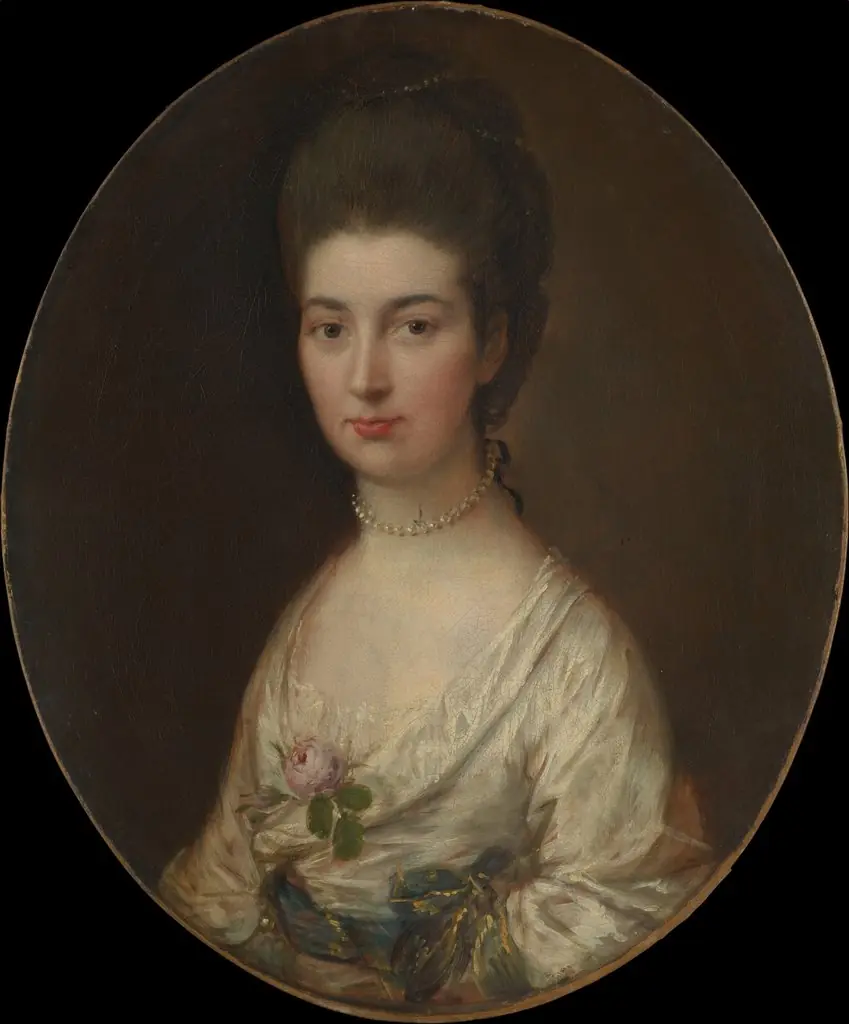 Mrs. Ralph Izard (Alice De Lancey, 1746/47–1832)
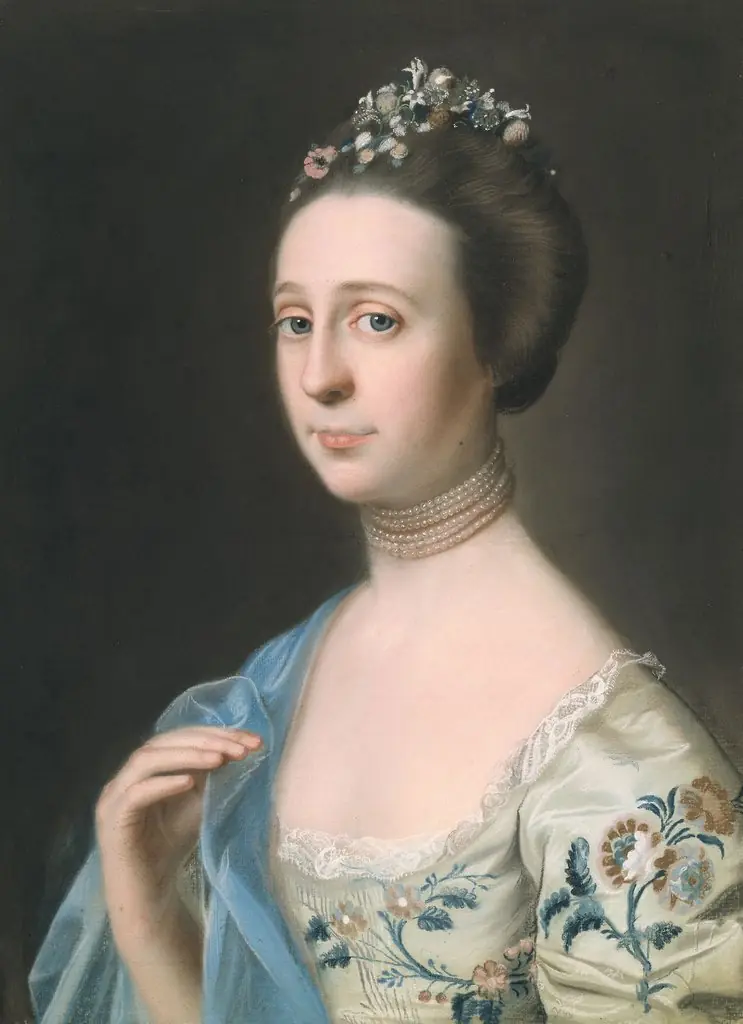 Mrs. Henry Hill (Anna Barrett)
 Portrait of Josina Clara van Citters (1671-1753), daughter of Josina Parduyn
 Portrait of a Woman (said to be Lady Scott)