Artwork
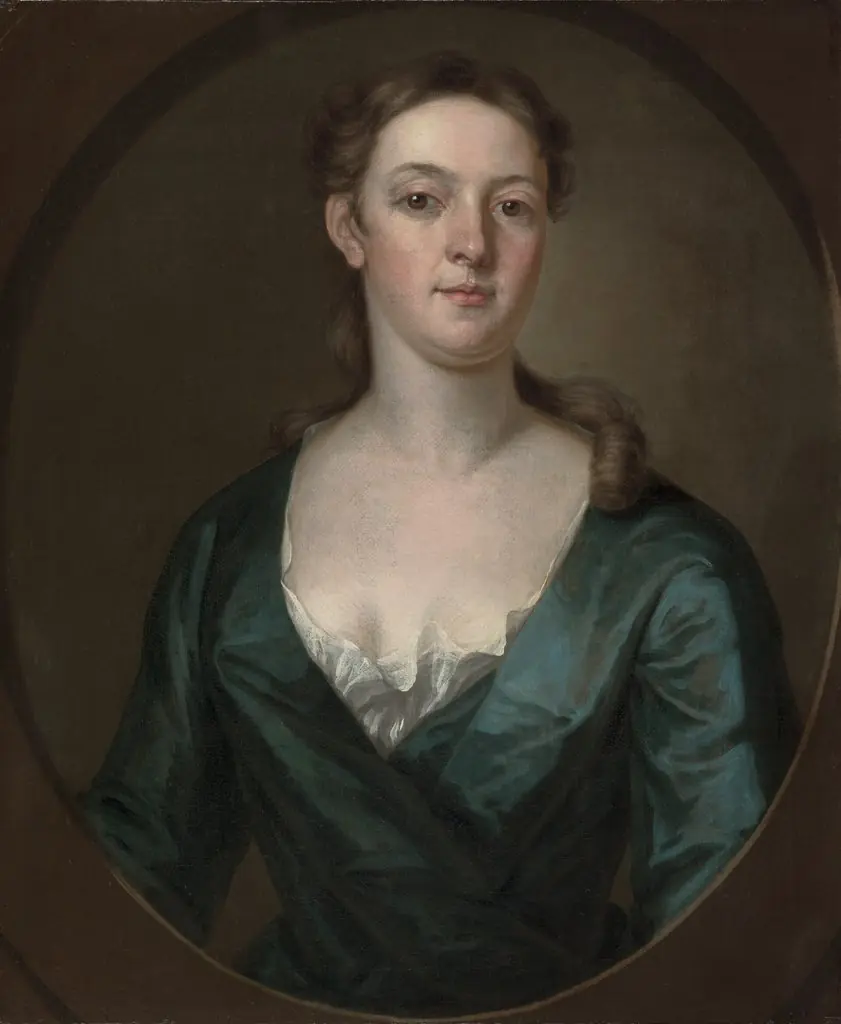
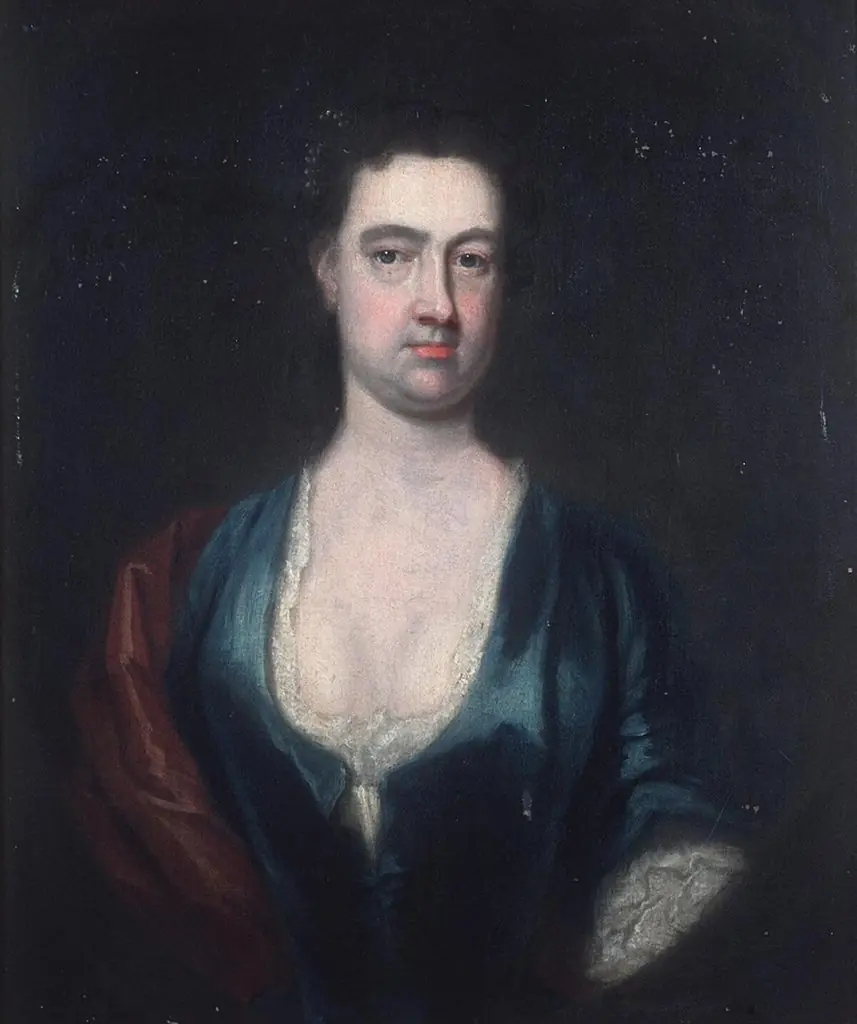
Portrait of a Woman (Judith Colman Bulfinch?)
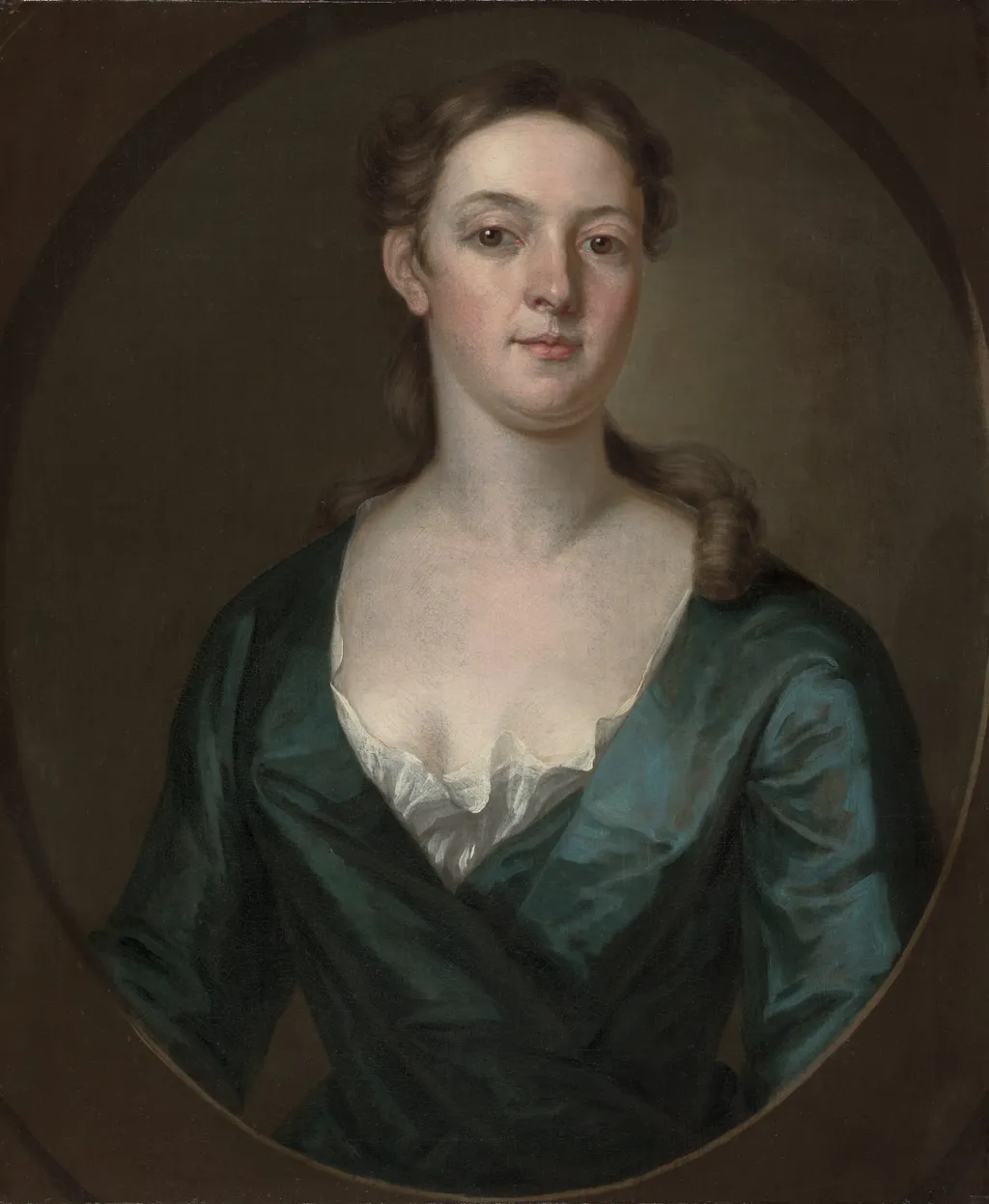
Portrait of a Woman (Judith Colman Bulfinch?) is an unspecified painting by the Baroque artist John Smibert. It dates from 1734 and is held in the collection of the Cleveland Museum of Art.
About this work
Overview
John Smibert, a British-trained artist, arrived in Boston in 1729, introducing European portrait conventions to the American colonies.
John Smibert, a British-trained artist, arrived in Boston in 1729, introducing European portrait conventions to the American colonies. His technical command of form and light distinguished his work from local efforts, establishing a new standard for portraiture. This painting of an unidentified woman exemplifies his influence, blending refined European aesthetics with colonial patronage and marking a turning point in the development of American visual culture.
Subject & Meaning
The sitter, long associated with Judith Colman Bulfinch, remains unconfirmed by documentary evidence. Her attire—elaborate silk, low neckline, and ornate lace—signals wealth and social standing. The composed posture and subtle smile reflect ideals of genteel femininity current in early 18th-century Britain. The portrait functions less as a personal likeness than as a statement of status, aligning the sitter with transatlantic aristocratic norms.
Technique & Style
Smibert employed chiaroscuro to model the sitter’s face and décolletage with soft gradations of light and shadow, creating a sense of three-dimensionality rare in colonial art. Fine brushwork captures the texture of fabric, hair, and skin with precision. The elongated neck and flowing curls follow British portraiture traditions, emphasizing elegance over individuality. His technique reveals formal training in London and Italy, distinguishing his work from folk or provincial styles.
History & Provenance
Smibert’s arrival in Boston coincided with a growing demand among wealthy merchants for European-style portraiture. Though the sitter’s identity was traditionally linked to Judith Colman Bulfinch, recent archival research has not corroborated this connection. The painting’s early ownership remains unclear, but its survival in American collections underscores its significance as one of the earliest examples of professional portraiture in the colonies.
Context
In the early 1700s, American colonies lacked trained portraitists, relying on itinerant painters or imported engravings. Smibert’s presence introduced a new model: the academically trained artist as a commercial professional. His success encouraged local patrons to commission similar works and inspired future American artists to seek European training, laying groundwork for a distinct artistic tradition rooted in transatlantic exchange.
Legacy
Smibert’s portraits, including this one, became benchmarks for subsequent colonial artists. His synthesis of British academic style with American clientele helped define the visual language of elite identity in pre-Revolutionary America. Though his oeuvre is modest, his influence extended through apprenticeships and the example he set, making him a foundational figure in the institutionalization of art in the United States.
Artist & collection

Artist
John Smibert (24 March 1688 – 2 April 1751) was a Scottish-born painter who specialised in portrait painting and was the first academically trained artist to work in British America.


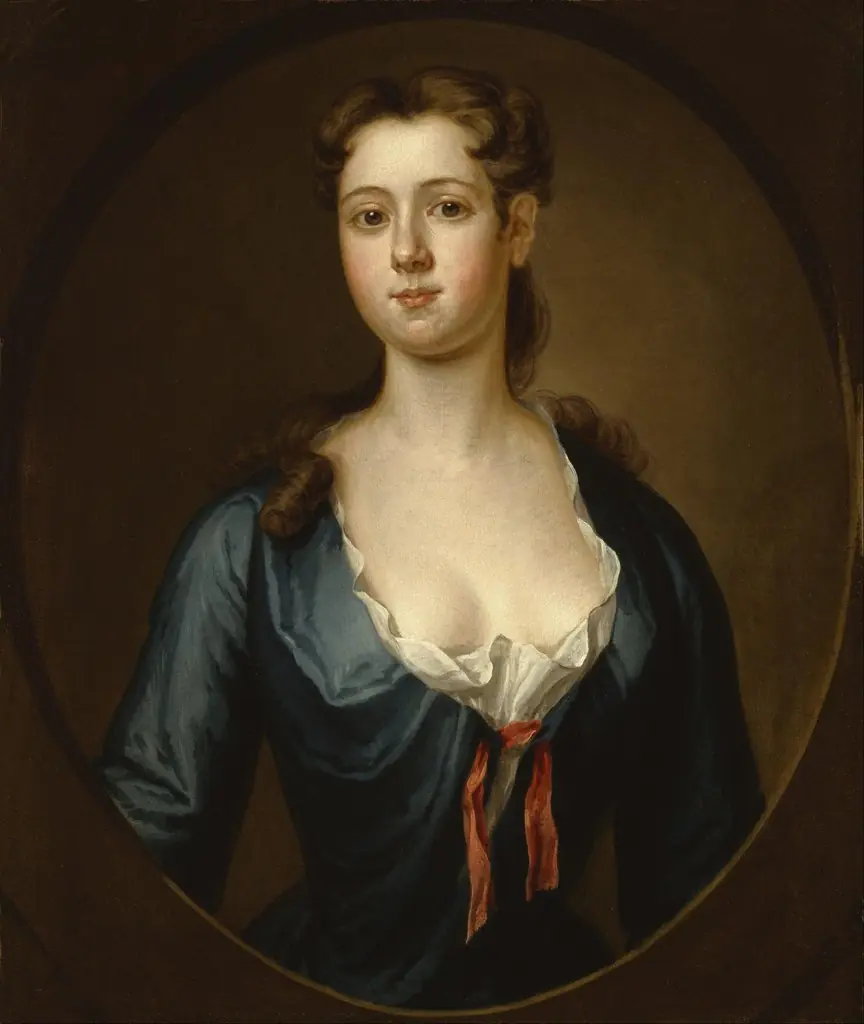 Portrait of Mary Pemberton (1717–1763)
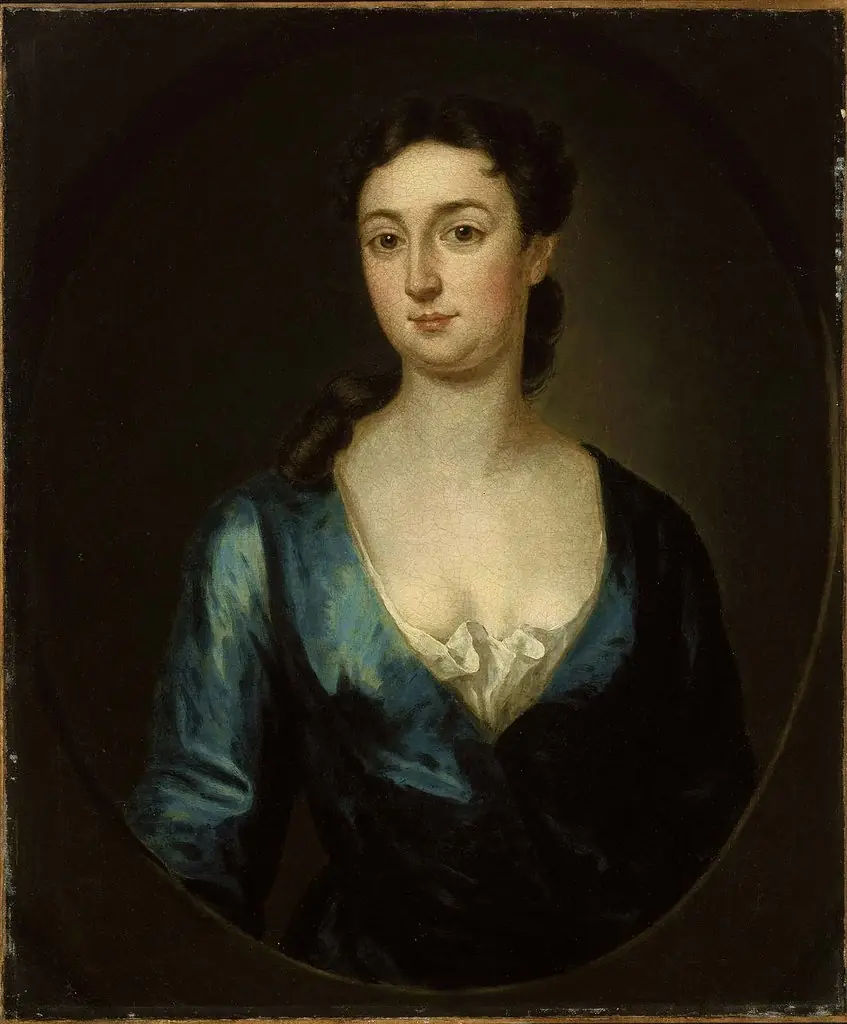 Mrs. James MacSparran (Hannah Gardiner)
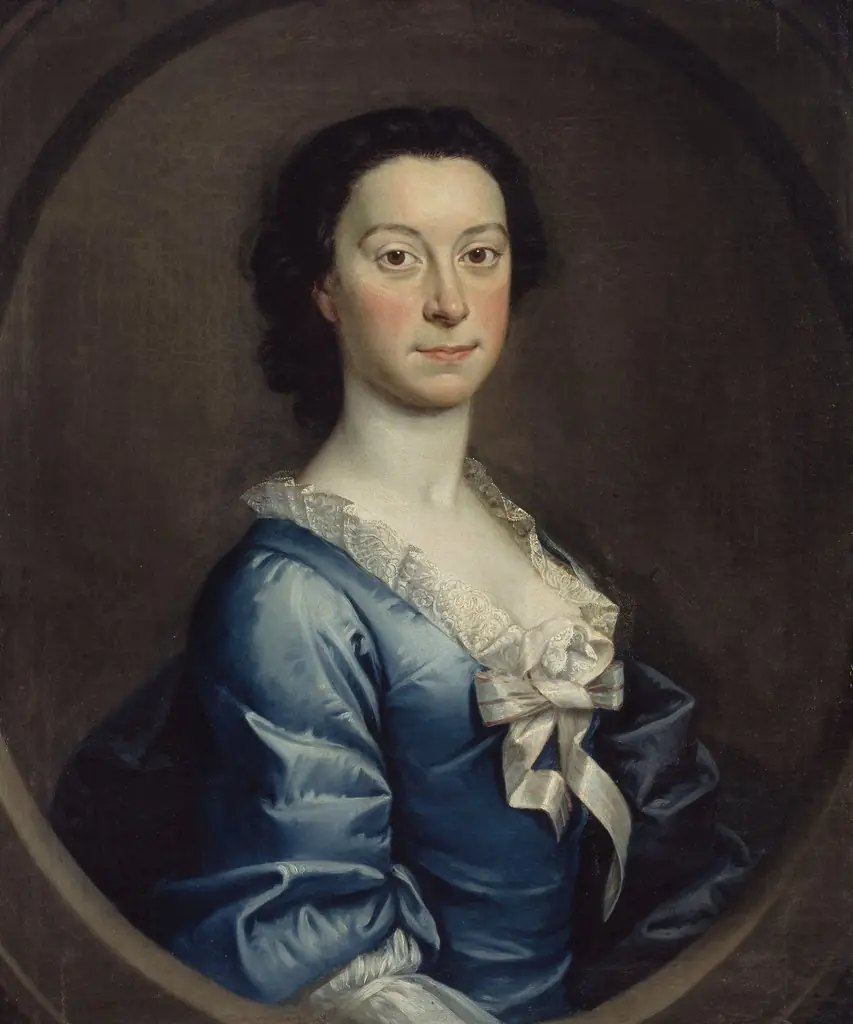 Possible Portrait of Hester Vanhomrigh ('Vanessa') (1690-1723)
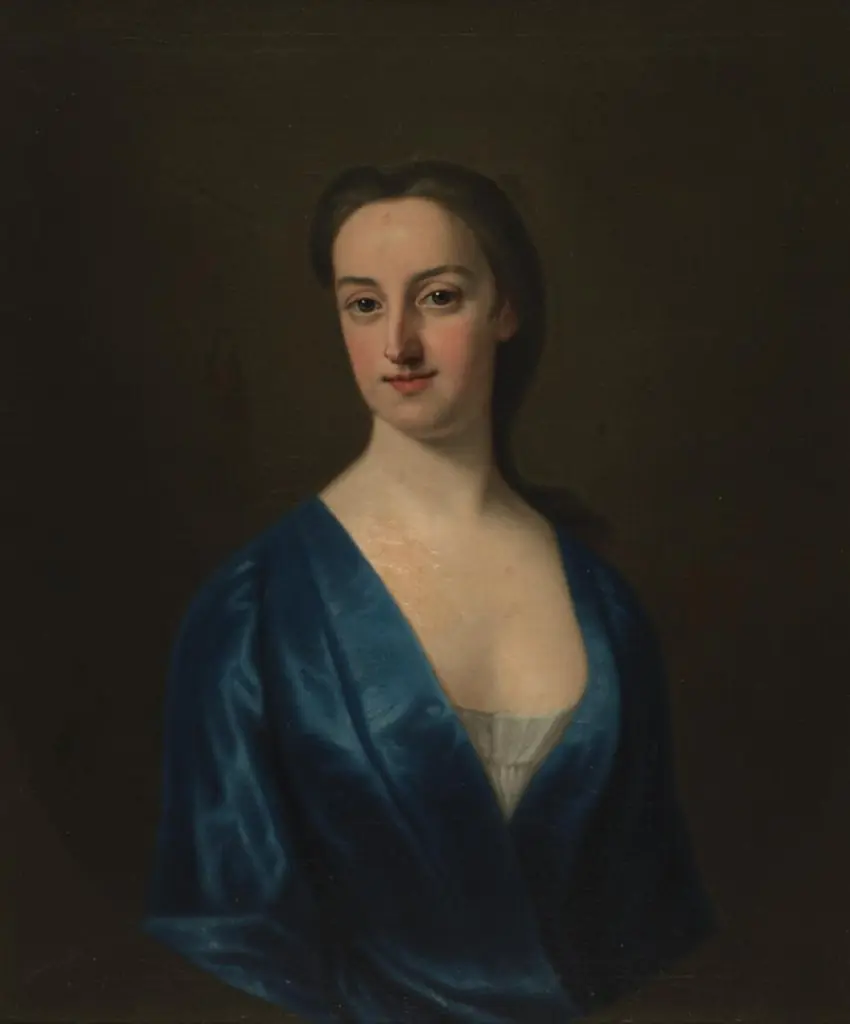 Margaret Wynne ( 1695 -
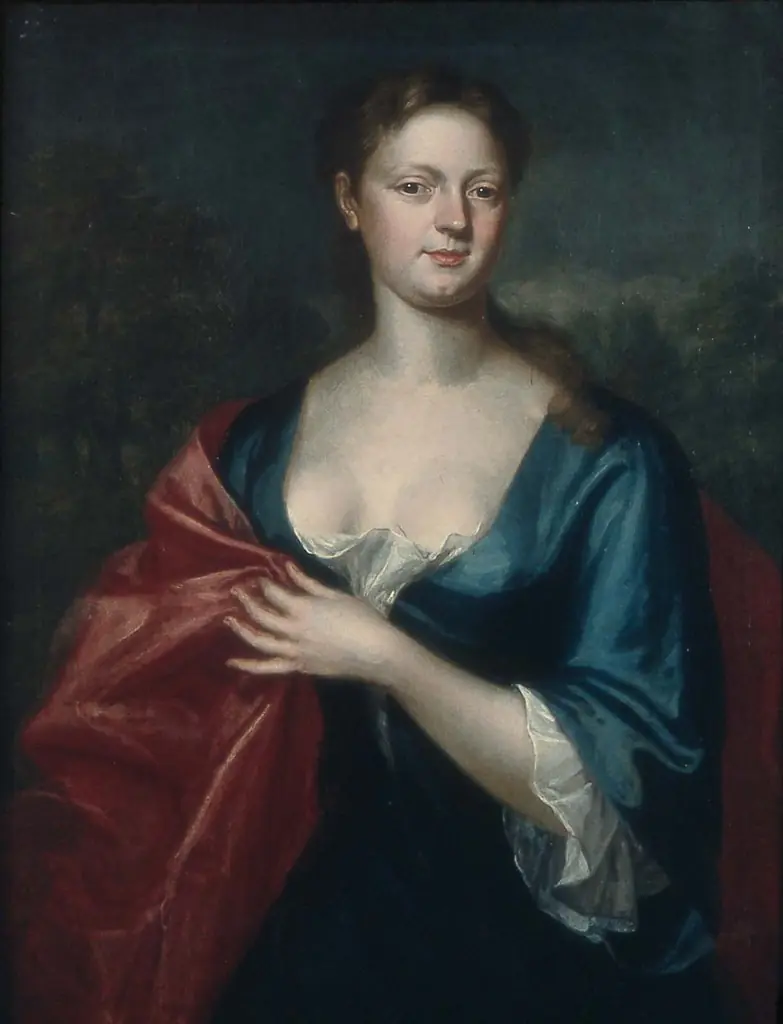 Mrs. William Dudley (Elizabeth Davenport)
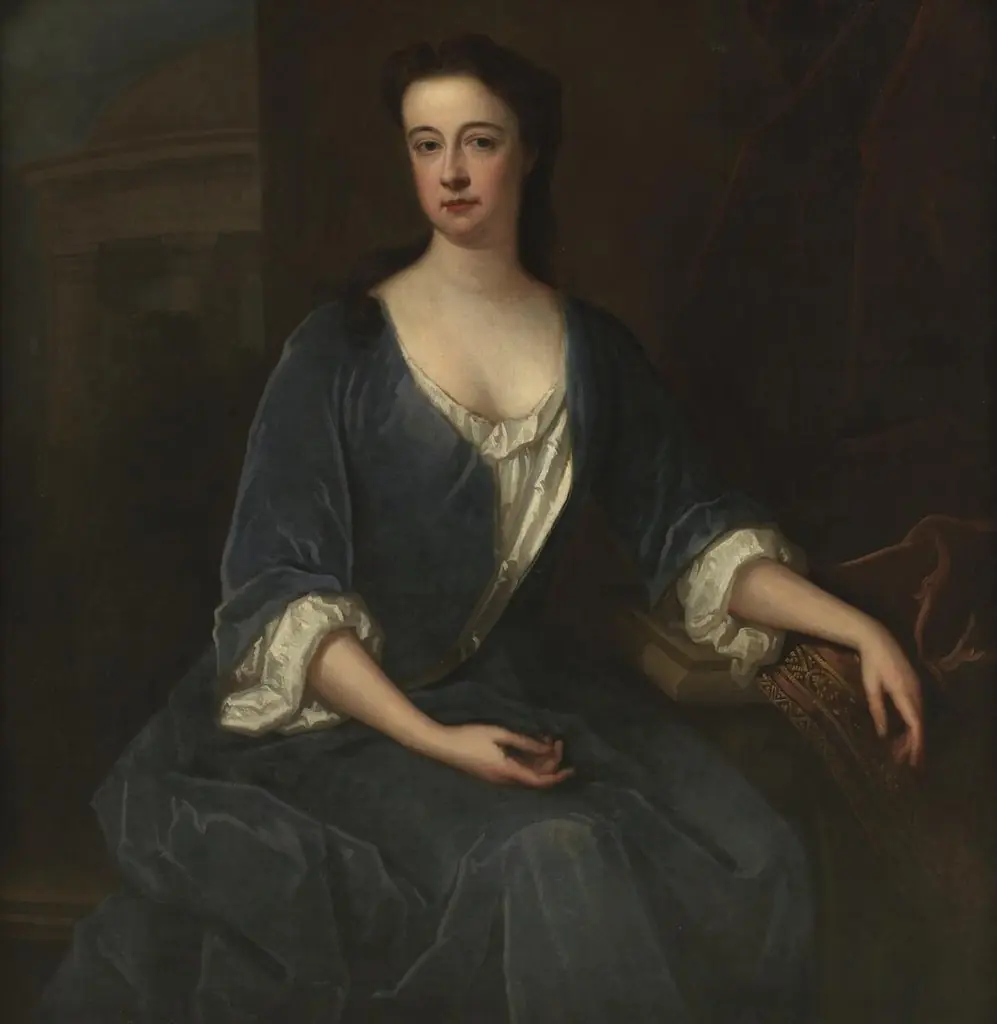 Barbara, Countess of Pembroke & Mont
 Josina Clara van Citters (1671-1753), Sister of Anna van Citters
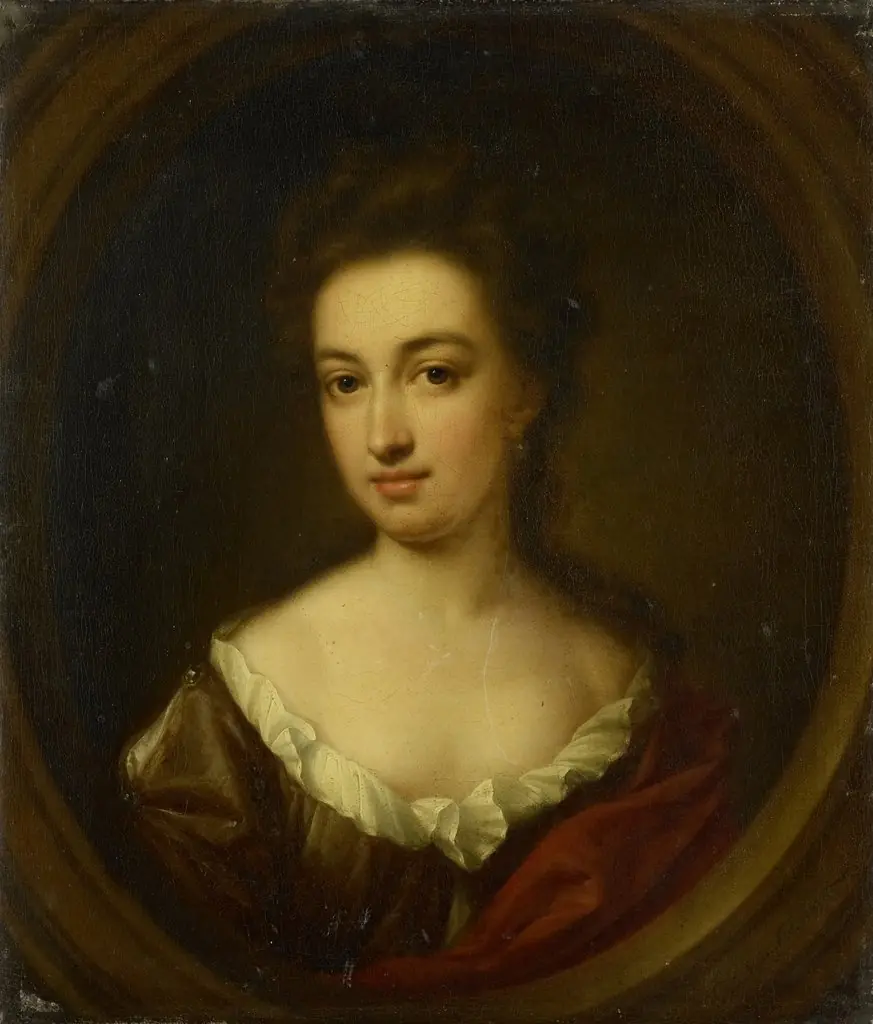 Portrait of Josina Clara van Citters (1671-1753), sister of Anna van Citters
 Anne Corbet, Eldest Daughter of V Corbet
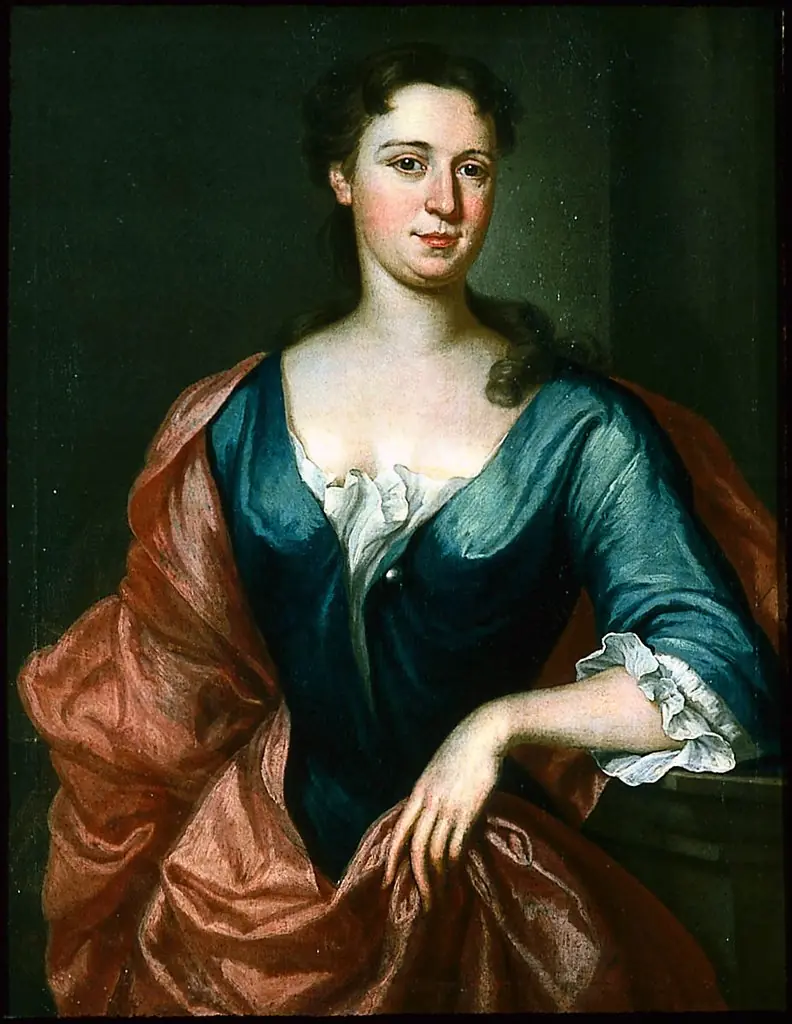 Mrs. Tyng