Artwork
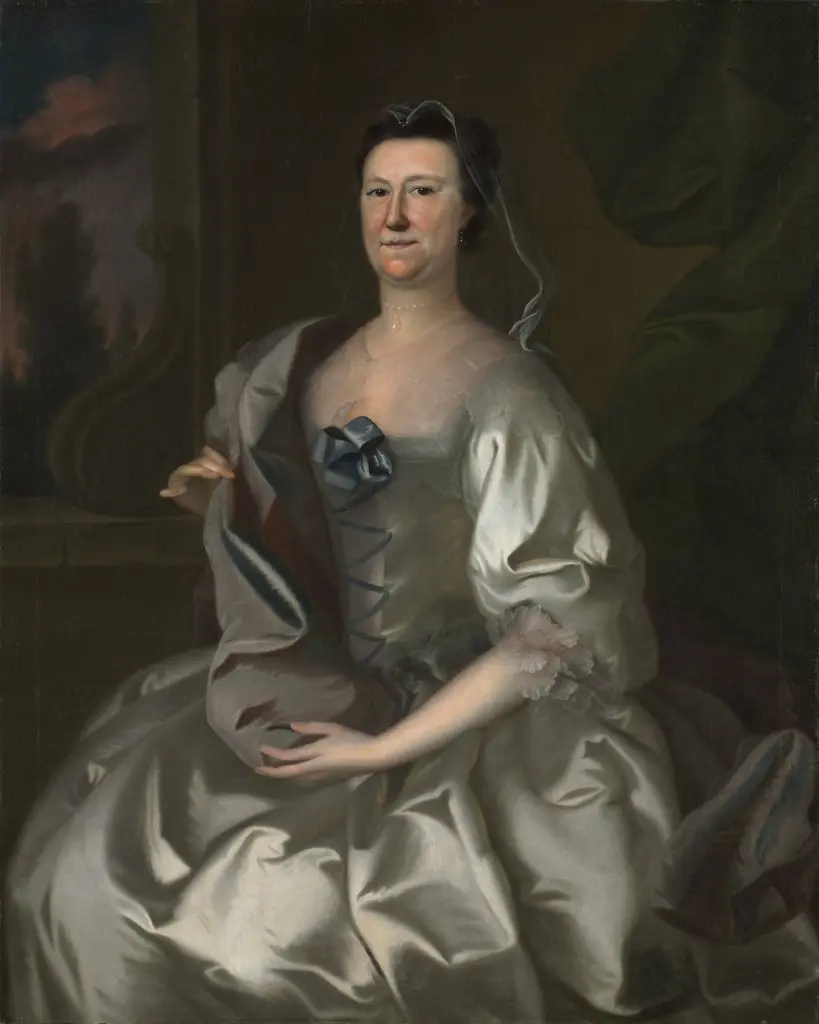
Mrs. Wyseman Clagett (Née Lettice Mitchell; Later Mrs. Simon McQuesten)
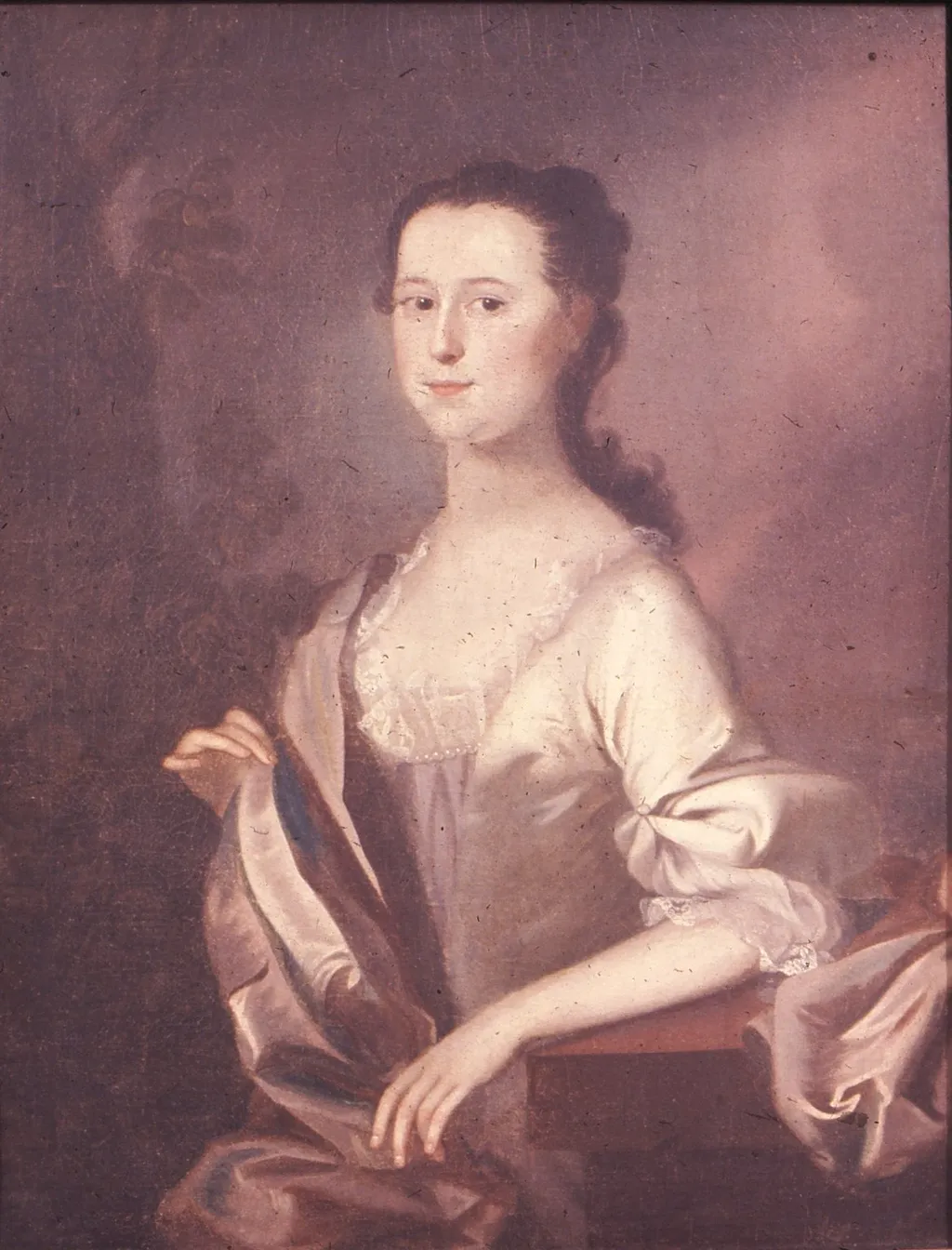
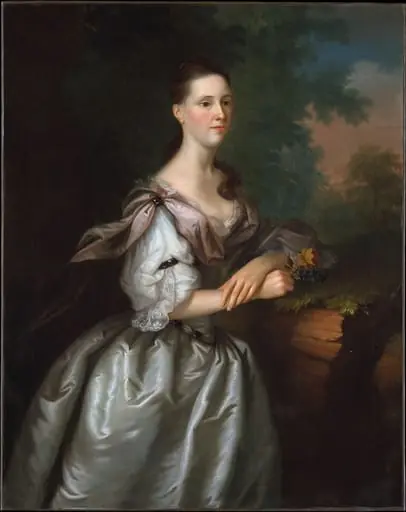
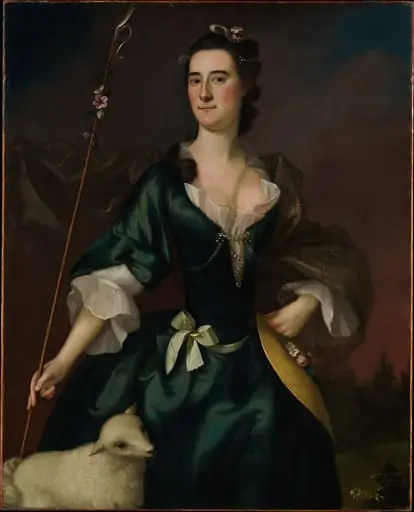
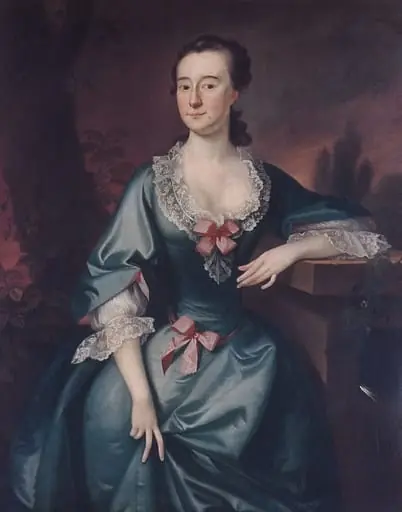
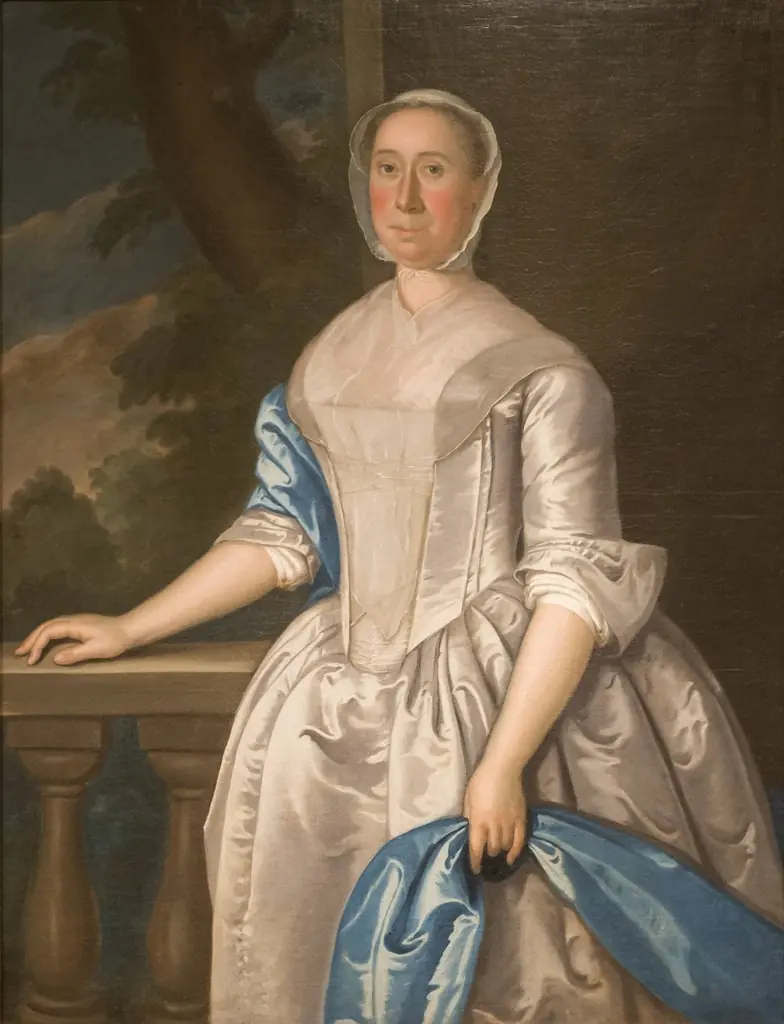
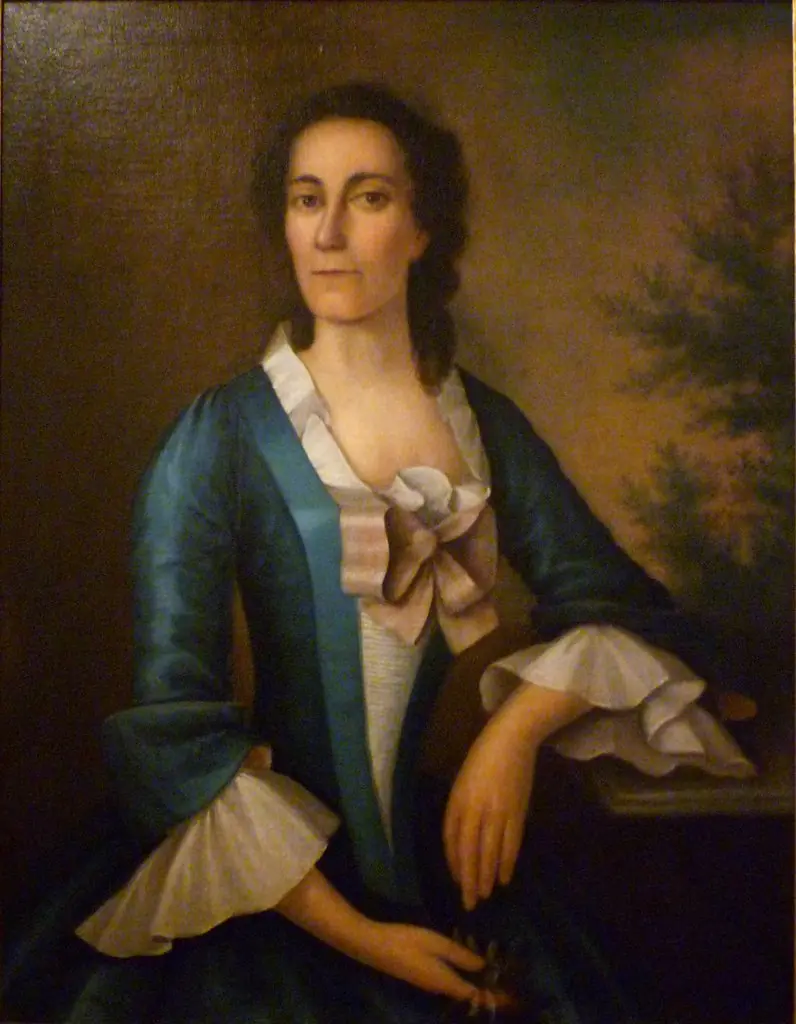
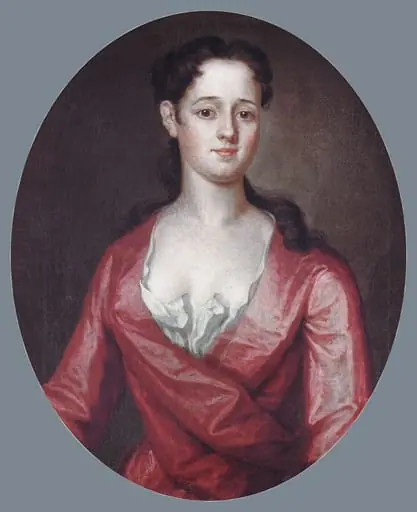
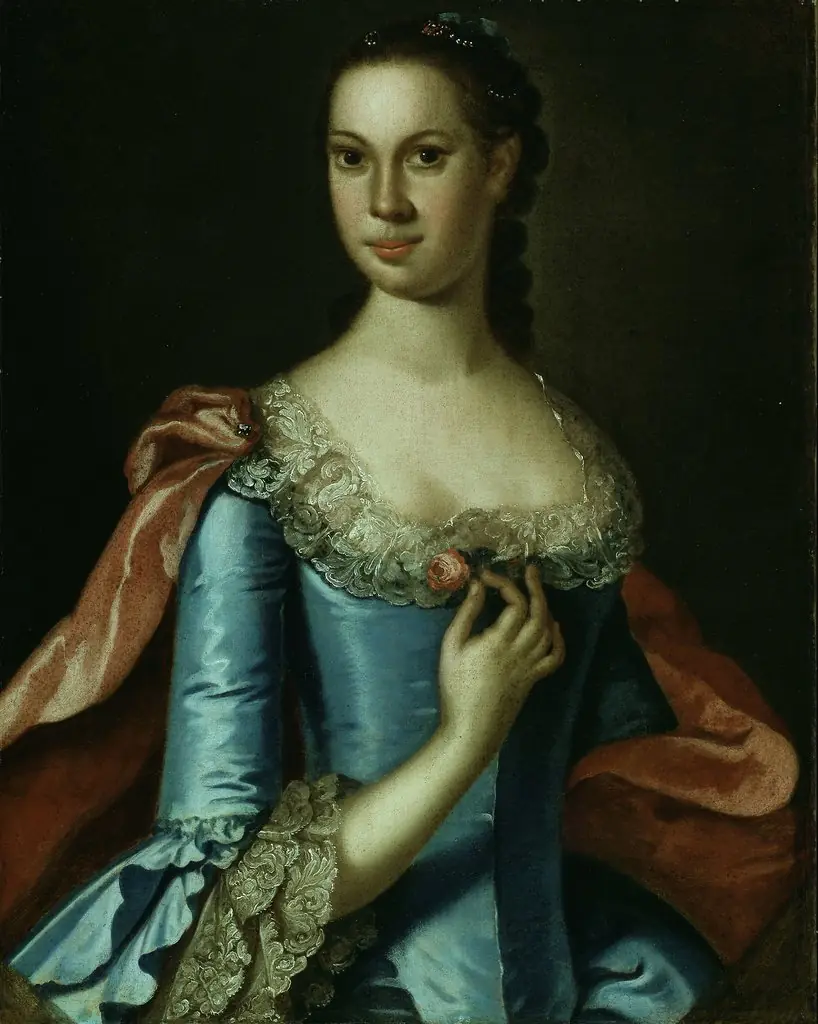
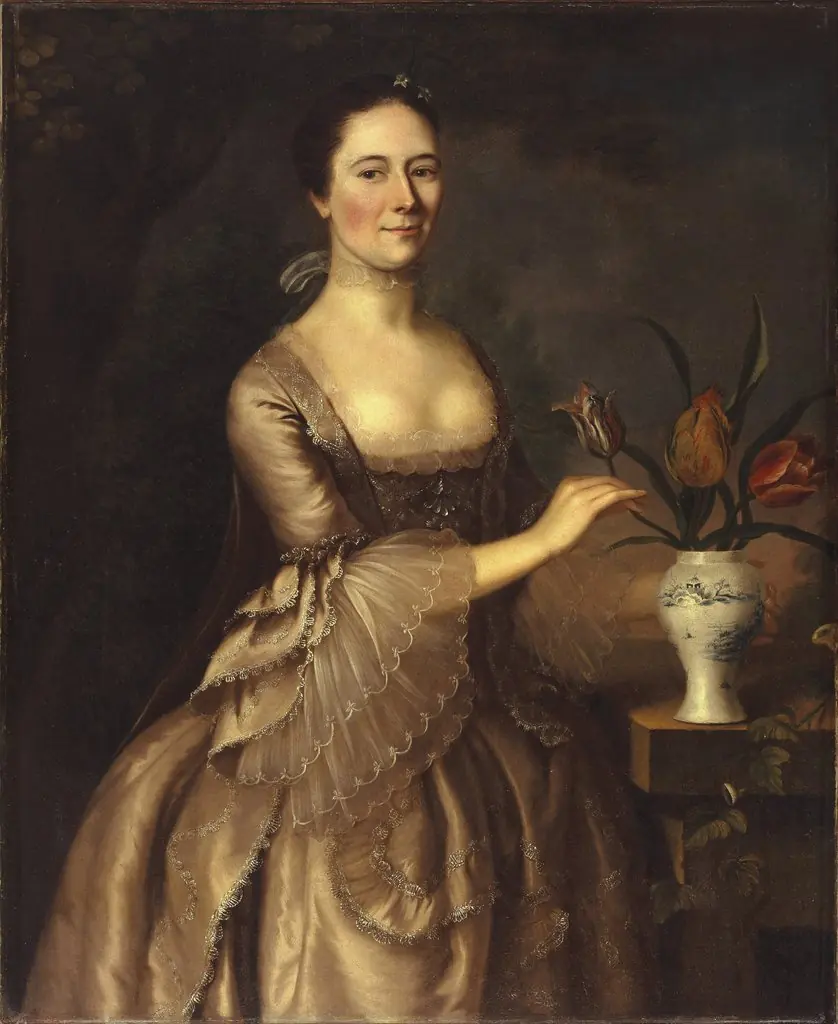
Mrs. Wyseman Clagett (Née Lettice Mitchell; Later Mrs. Simon McQuesten) is an oil painting by the Rococo painting artist Joseph Blackburn. It dates from 1760 and is held in the collection of the Brooklyn Museum.
About this work
Overview
Blackburn, an English artist working in colonial North America, specialized in portraiture during a period when local patrons sought refined likenesses.
Painted in 1760 by Joseph Blackburn, this oil portrait captures Lettice Mitchell, who later became Mrs. Simon McQuesten. Blackburn, an English artist working in colonial North America, specialized in portraiture during a period when local patrons sought refined likenesses. The work reflects the transatlantic exchange of artistic conventions, blending European styles with American subject matter. It remains part of the Brooklyn Museum’s collection, preserved as an example of mid-18th-century colonial elite representation.
Subject & Meaning
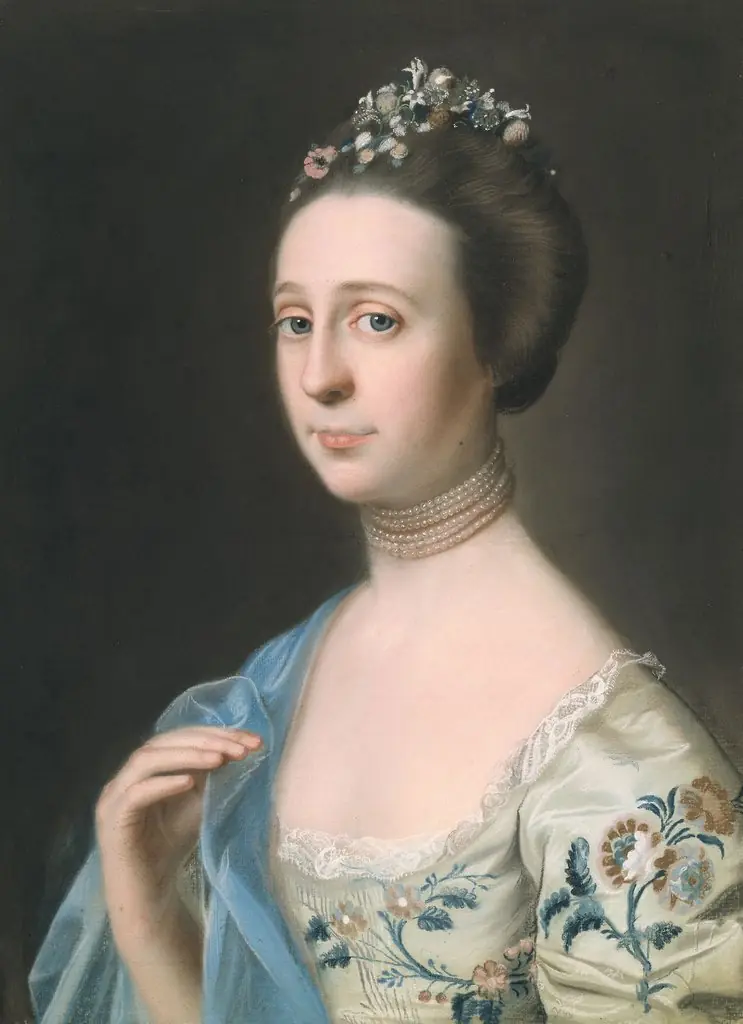
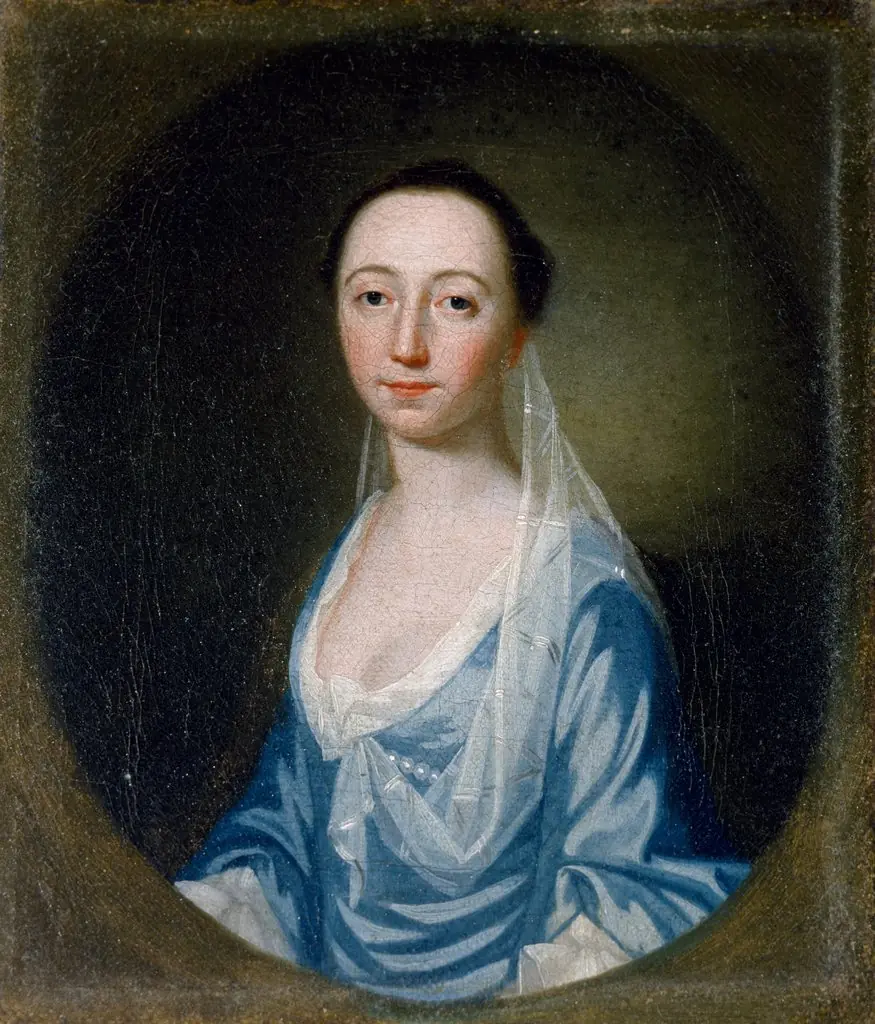
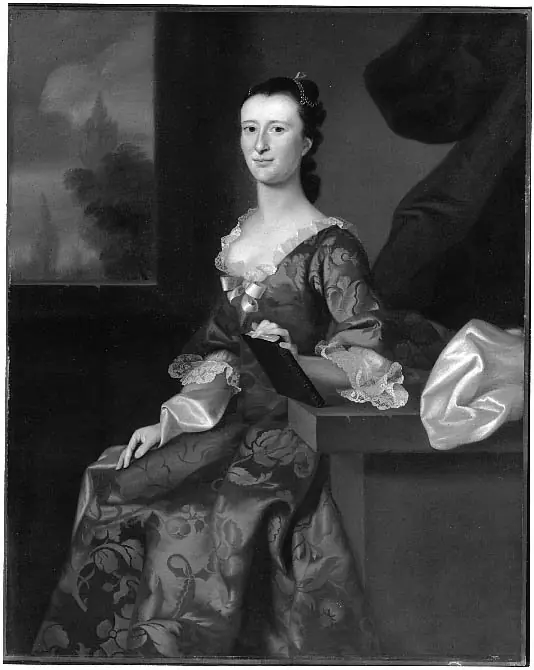
The sitter, Lettice Mitchell, is depicted in quiet composure, dressed in a white gown with lace trim and a draped brown shawl. Her direct gaze and composed posture convey dignity and self-possession, traits valued in elite women of the period. The absence of elaborate props or symbolic elements suggests an emphasis on personal presence rather than status markers. The portrait functions as both a personal record and a statement of refined taste within colonial society.
Technique & Style
Blackburn employed soft brushwork and subtle tonal gradations to render fabric and skin with delicate realism. The muted brown background isolates the figure, enhancing focus on her form and attire. While the composition follows Rococo conventions in its lightness and attention to textile detail, it avoids excessive ornamentation, reflecting a restrained American adaptation of the style. The lighting is even, minimizing dramatic contrast to preserve a sense of calm intimacy.
History & Provenance
Commissioned in 1760, the portrait likely originated in Boston or another major colonial port where Blackburn was active. It passed through private hands before entering the Brooklyn Museum’s collection, where it has been preserved since the early 20th century. Documentation of its early ownership is limited, but its survival reflects the enduring interest in colonial portraiture as cultural heritage. The painting’s condition remains stable, with no major restoration noted in public records.
Context
In the 1760s, colonial elites increasingly sought portraits to affirm social standing, often commissioning itinerant artists like Blackburn who brought European techniques to North America. While British portraiture leaned toward grandeur, American examples often favored simplicity and clarity. This work aligns with a regional trend of understated elegance, reflecting both the sitter’s taste and the practical constraints of artistic resources in the colonies.
Legacy
Blackburn’s portraits, including this one, contribute to the understanding of colonial American identity through visual culture. His ability to adapt European styles to local tastes helped shape a distinct genre of portraiture in the pre-Revolutionary era. Though not widely known today, his works remain important references for scholars studying the intersection of art, class, and gender in 18th-century North America.
Artist & collection
Artist
Joseph Blackburn (died 1787) was an English painter who worked mainly in British North America. His notable works include portraits of Hugh Jones (circa 1777) and Colonel Theodore Atkinson (circa 1760).