Artwork
Serena
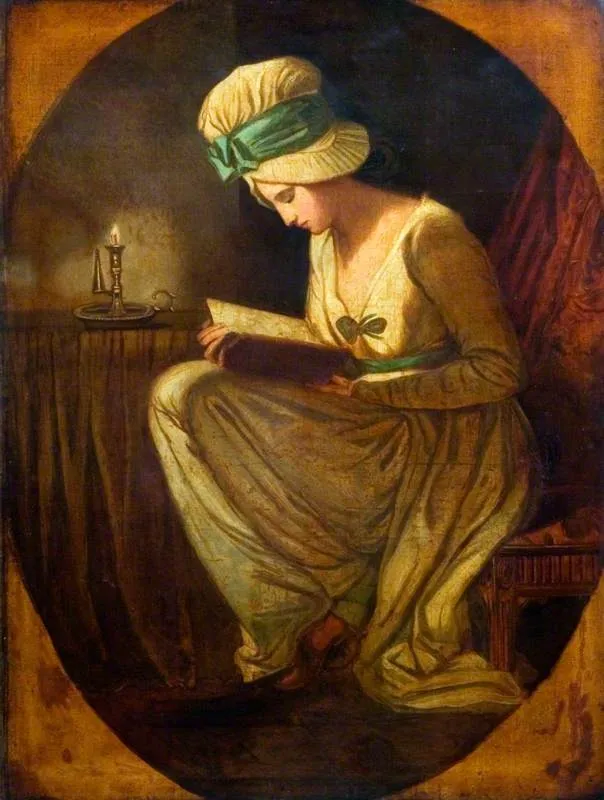
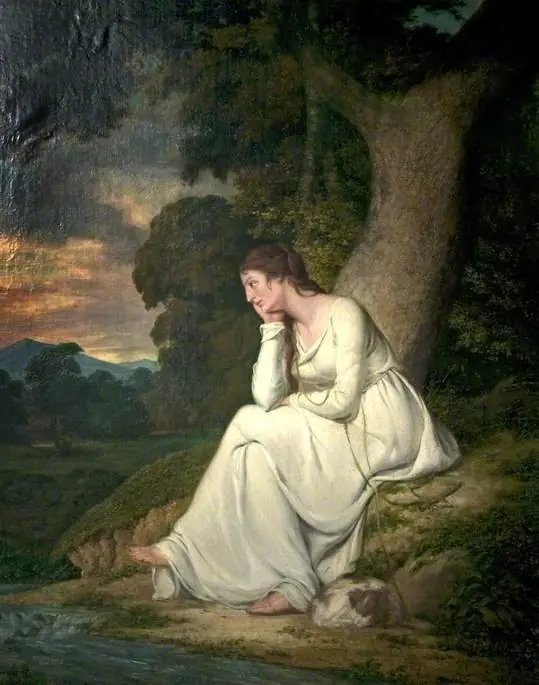
Serena is an oil painting by George Romney. It dates from 1778 and is held in the collection of the Victoria and Albert Museum.
About this work
Overview
Painted circa 1778, *Serena* is an oil portrait by English artist George Romney, reflecting his prominence in late 18th-century British portraiture.
Painted circa 1778, *Serena* is an oil portrait by English artist George Romney, reflecting his prominence in late 18th-century British portraiture. The work captures a solitary woman in an intimate interior setting, distinguished by its subdued lighting and restrained composition. Unlike Romney’s more formal society portraits, this piece emphasizes quiet introspection over social status, aligning with emerging tastes for emotional resonance in visual art.
Subject & Meaning
The figure, identified as Serena, is depicted in a moment of private reading, her attention fixed on a book held in her hands. Her attire—a flowing gown and matching hat with a green ribbon—suggests refined taste but avoids overt display of wealth. The candle’s glow, illuminating her face and the page, transforms the act of reading into a meditative ritual, implying inner life and intellectual engagement over external presentation.
Technique & Style
Romney employs chiaroscuro to model the figure with subtle gradations of light and shadow, directing focus to the woman’s face and the book. The dim, unadorned room enhances the intimacy of the scene, while the soft, blended brushwork in her garments contrasts with the sharper definition of the candle’s flame. The palette is muted, dominated by earth tones and warm highlights, reinforcing the painting’s tranquil, contemplative tone.
History & Provenance
The painting’s early ownership is undocumented, but it remained within British collections through the 19th century. It was acquired by the National Gallery of Art in Washington, D.C., in the mid-20th century, where it is now held. Unlike Romney’s portraits of Emma Hamilton, *Serena* lacks a clear historical identity for the sitter, contributing to its interpretation as a generalized study of quietude rather than a specific individual.
Context
In the 1770s, British portraiture increasingly valued psychological depth alongside social representation. *Serena* reflects this shift, aligning with literary and philosophical currents that celebrated solitary reflection and domestic virtue. While Romney was known for aristocratic commissions, this work diverges by prioritizing mood over status, resonating with broader cultural interests in sensibility and private emotion.
Legacy
*Serena* stands as an example of Romney’s capacity to transcend conventional portraiture through emotional nuance. Though less celebrated than his society portraits, the painting influenced later 19th-century genre scenes that emphasized quiet, interior moments. Its enduring presence in institutional collections underscores its role as a quiet but significant expression of introspective realism in British art.
Artist & collection
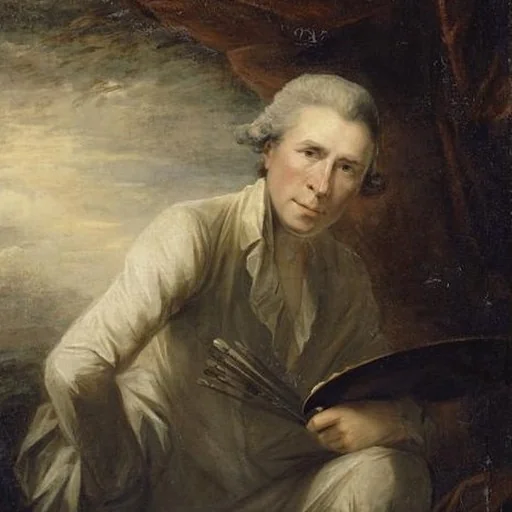
Artist
George Romney (26 December 1734 – 15 November 1802) was an English painter. He was the most fashionable artist of his day, painting many leading society figures – including his artistic muse, Emma Hamilton, mistress of Lord Nelson.

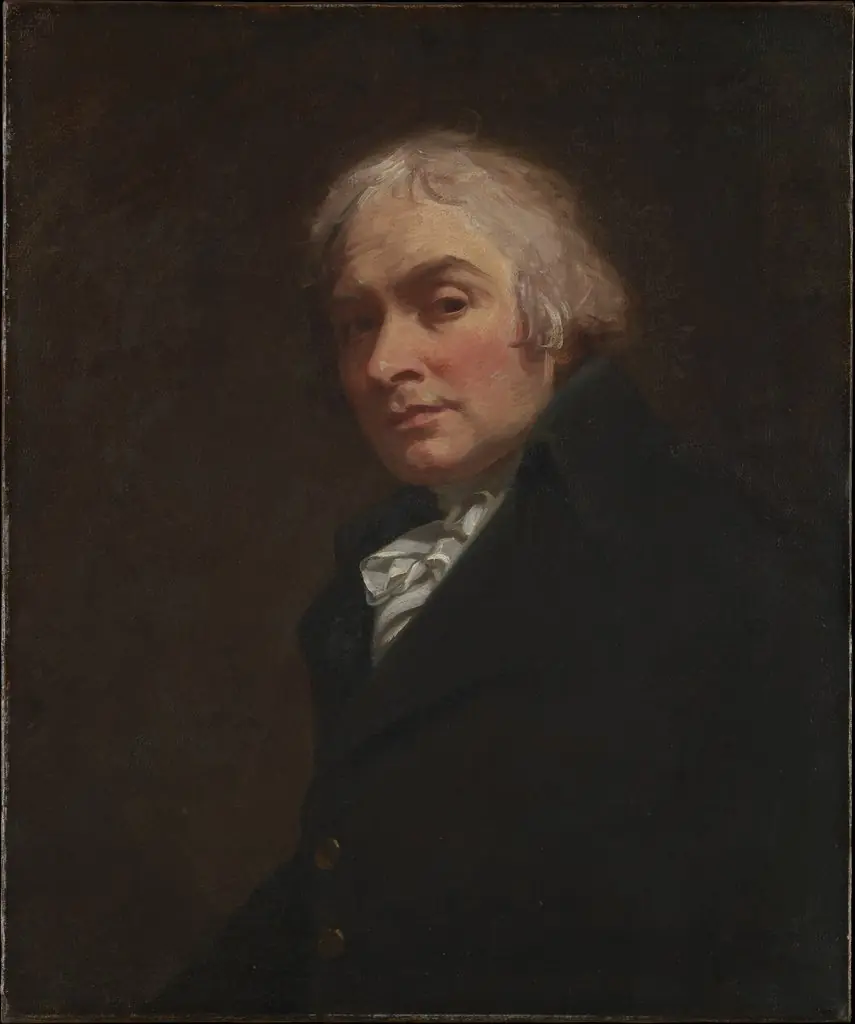 Self-Portrait
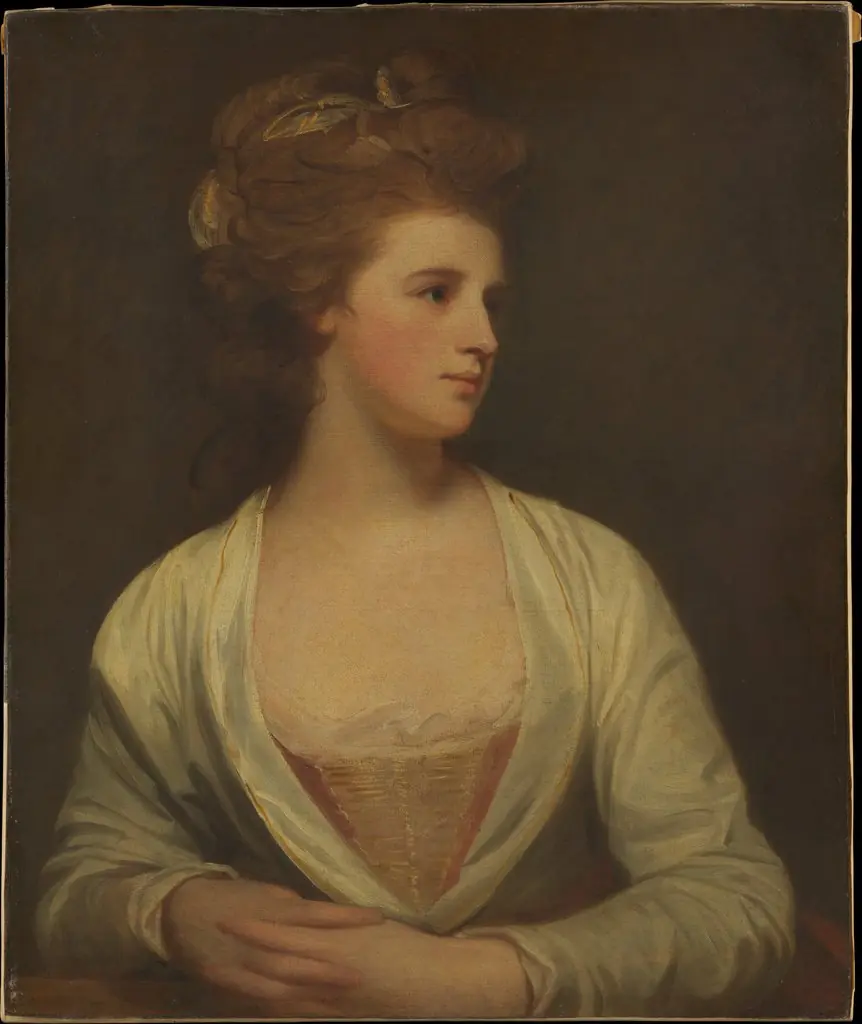 Portrait of a Woman, Said to Be Emily Bertie Pott (died 1782)
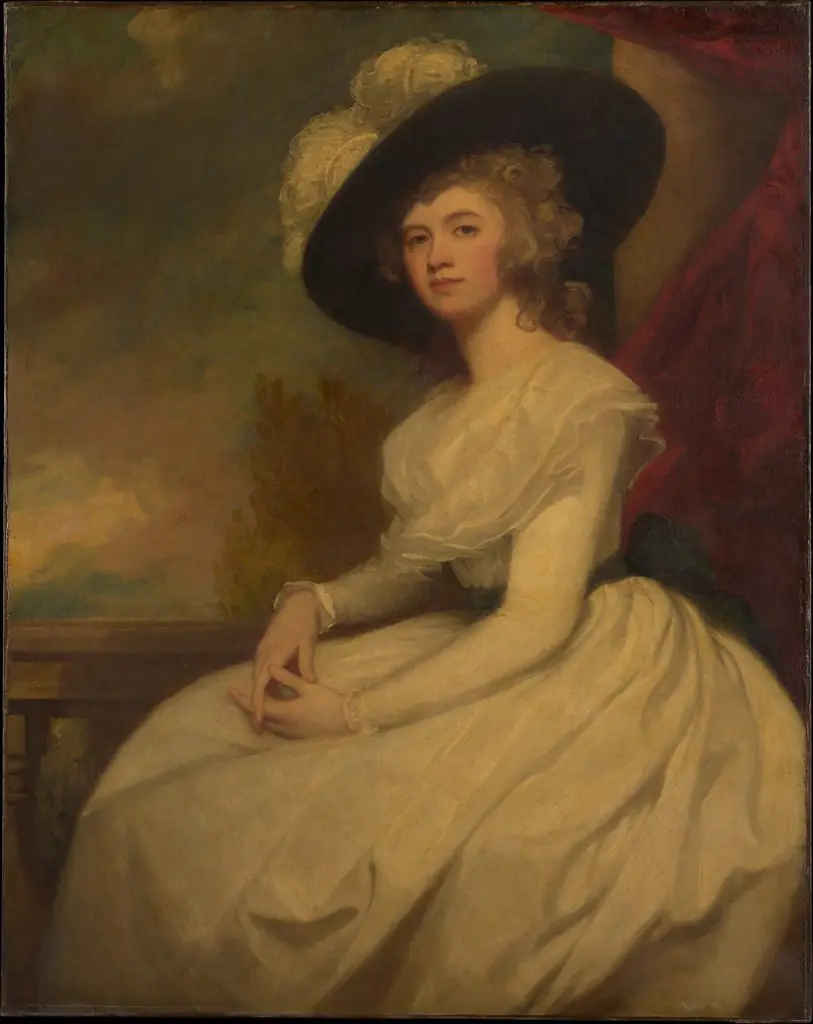 Mrs. Bryan Cooke (Frances Puleston, 1765–1818)
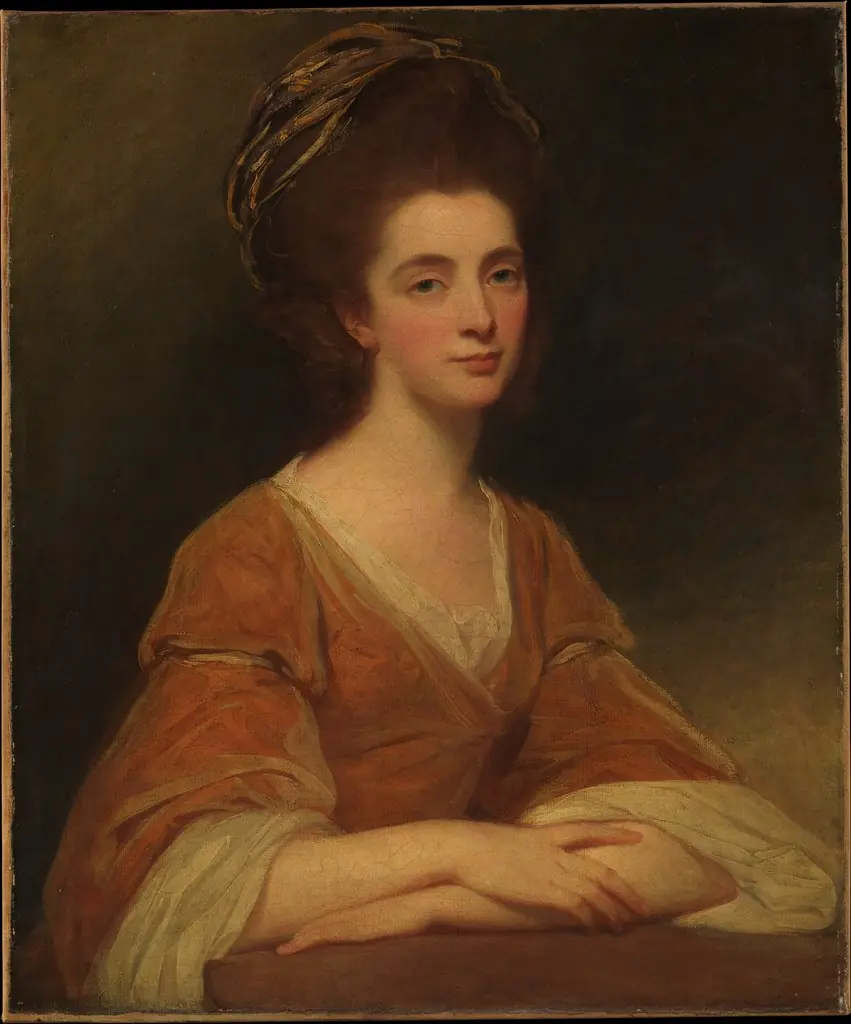 Mrs. Charles Frederick (Martha Rigden, died 1794)
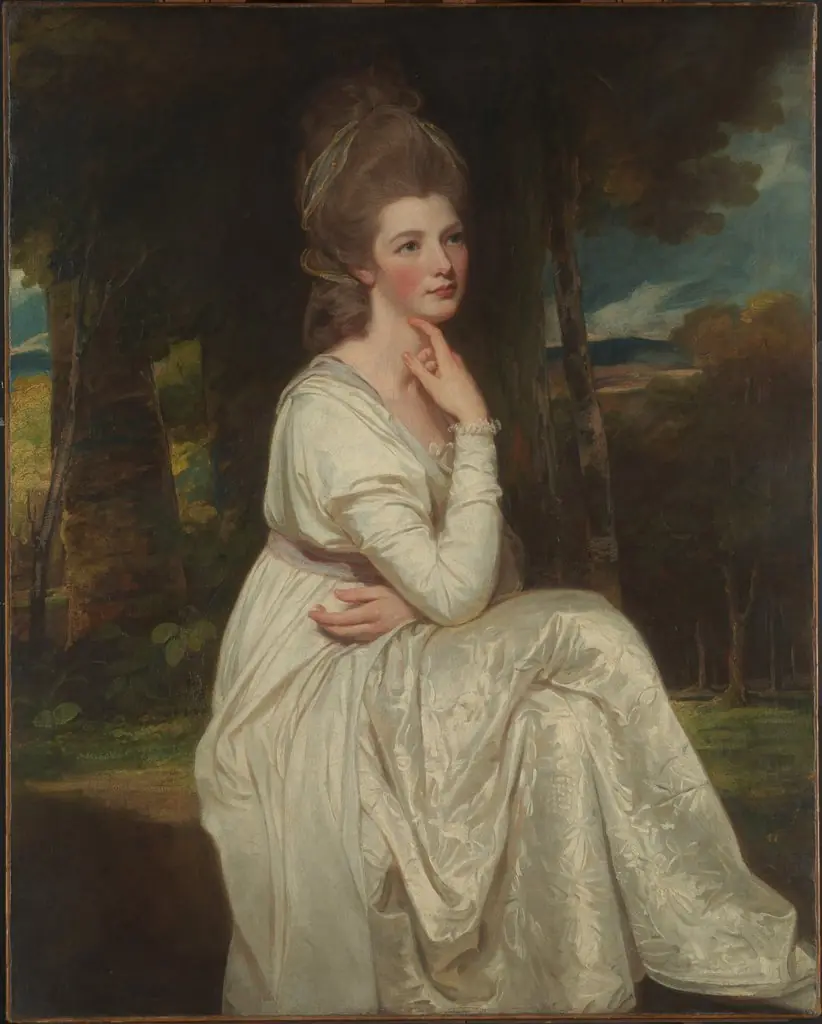 Lady Elizabeth Hamilton (1753–1797), Countess of Derby
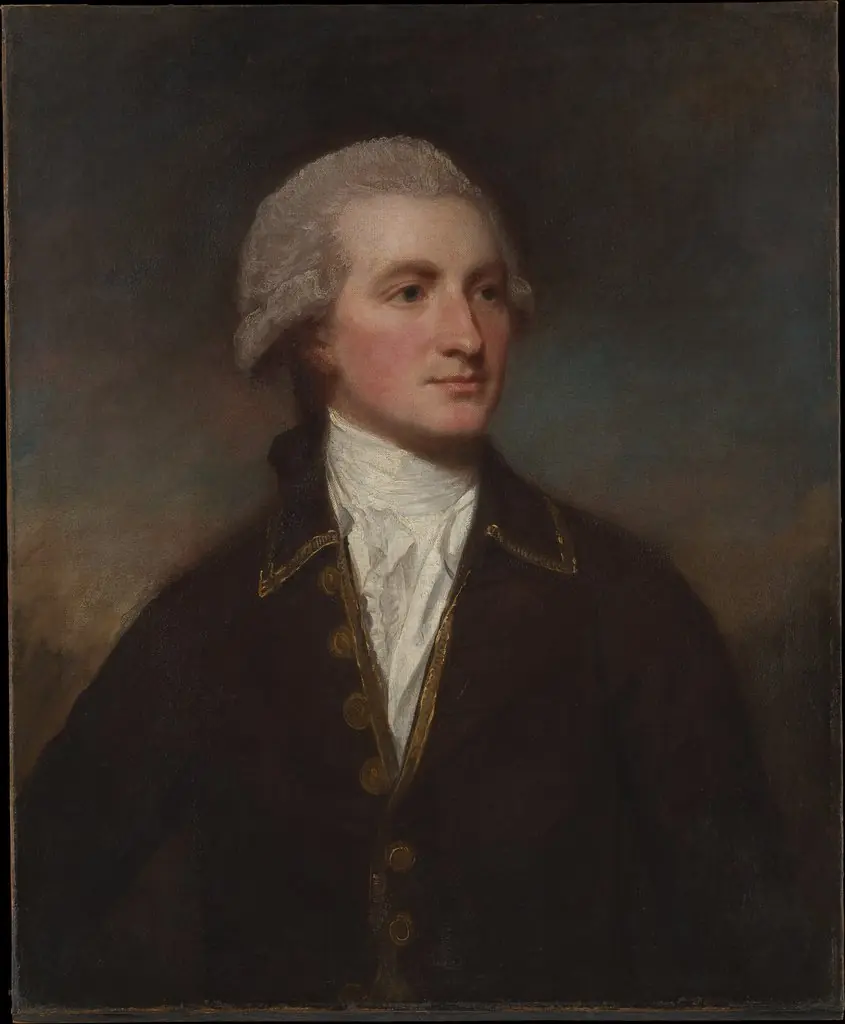 Portrait of a Man
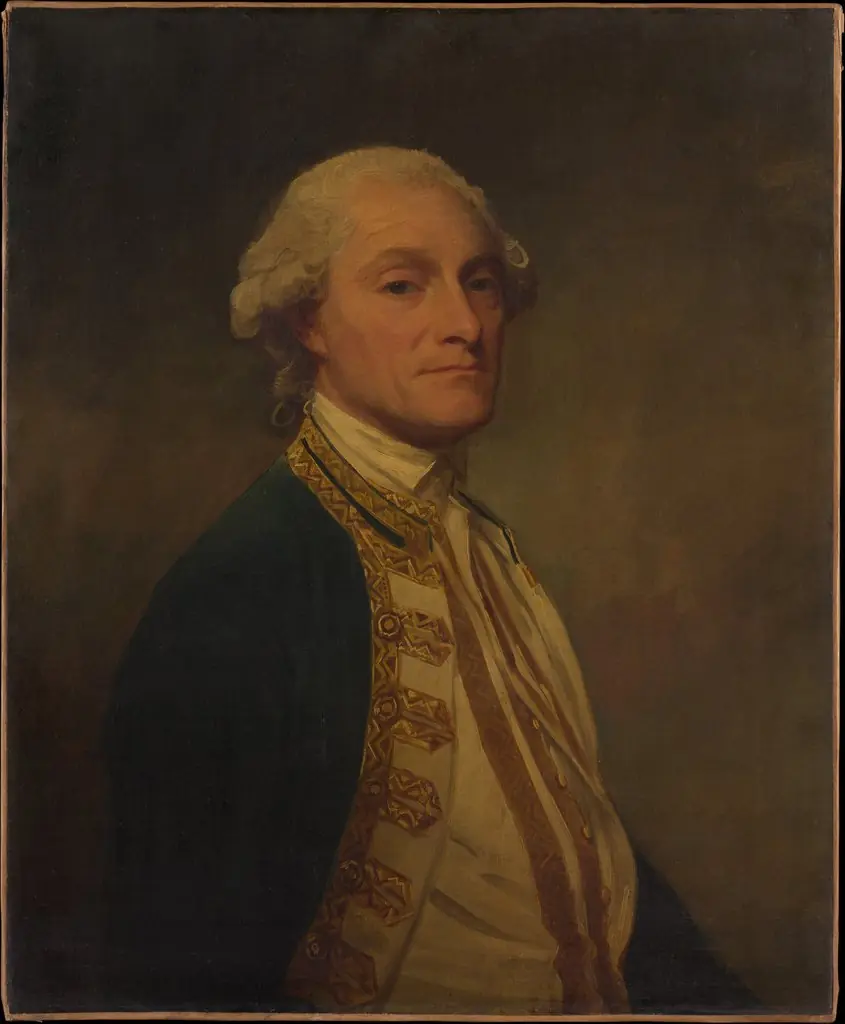 Admiral Sir Chaloner Ogle (1726–1816)
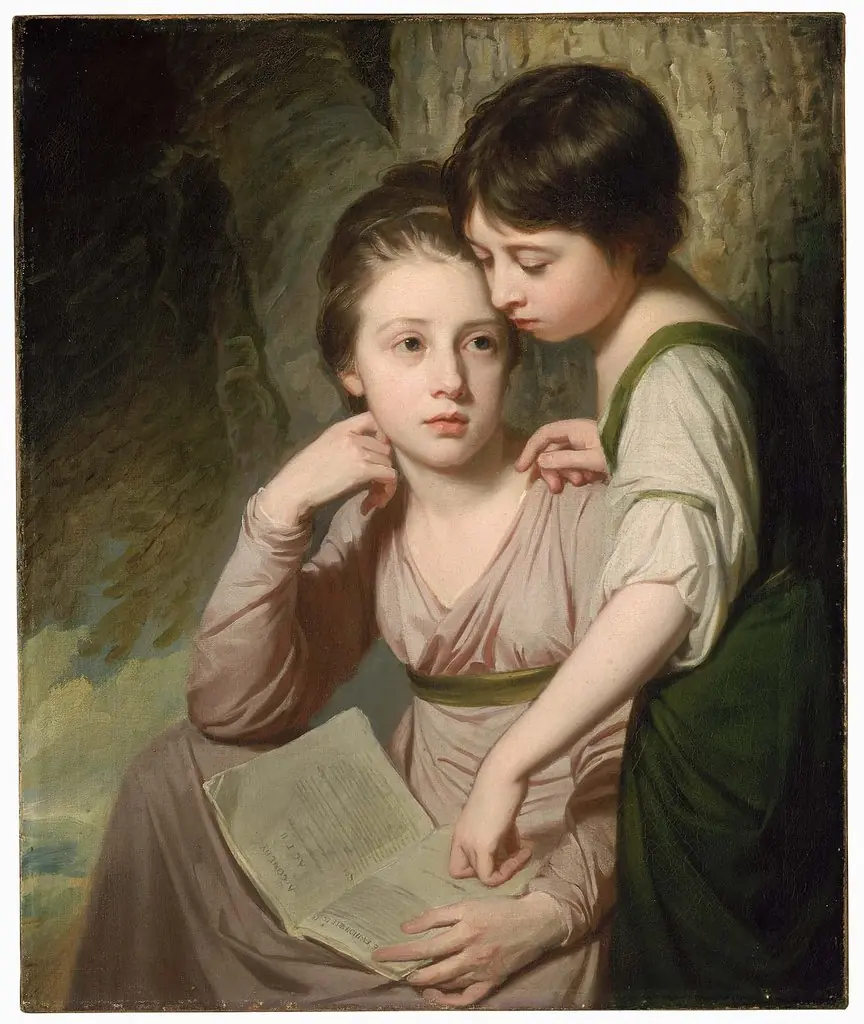 Portrait of Two Girls (Misses Cumberland)
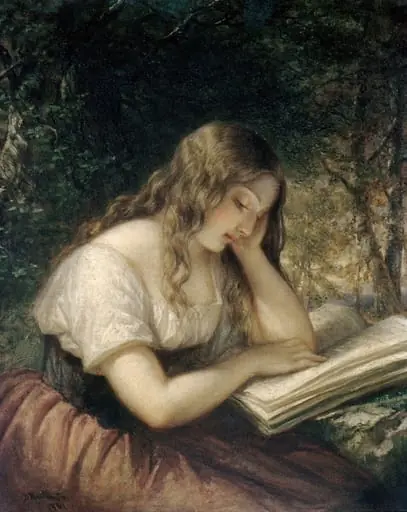 Study in a Wood
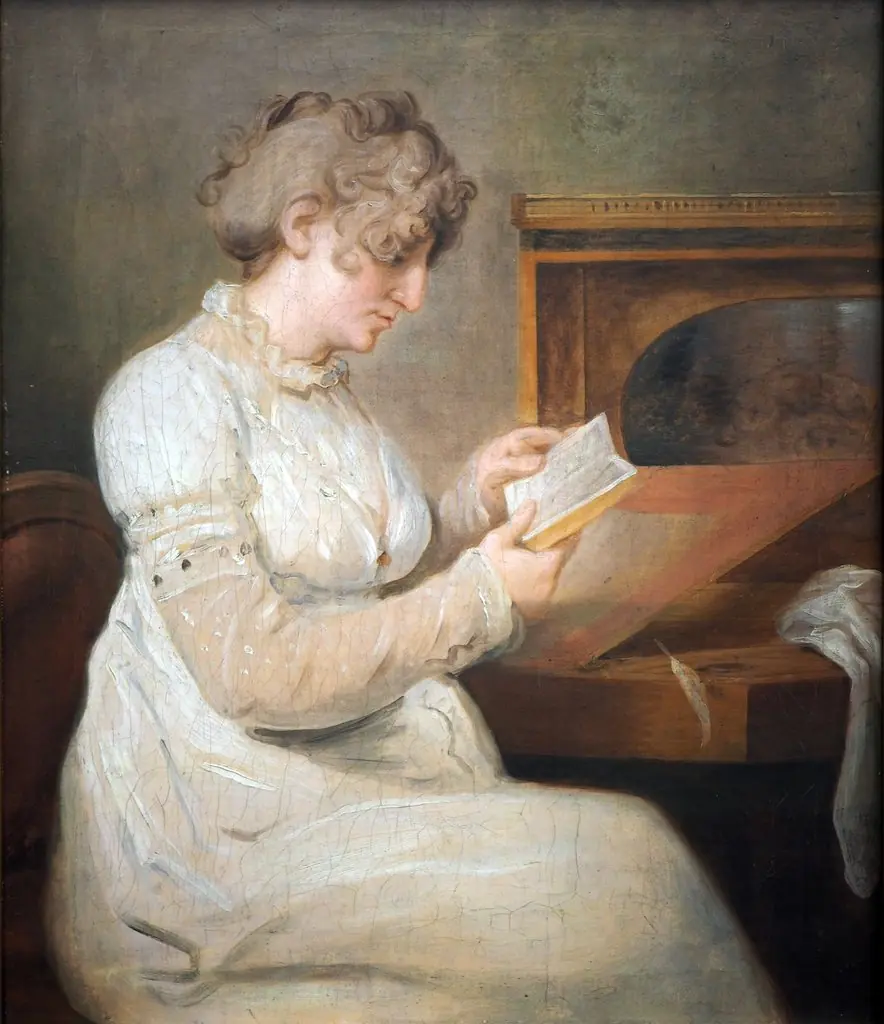 Engel Christina Westphalen, née Axen (1758–1840)
 An Interesting Story (Miss Ray)
 A Girl Seated and Fondling a Dove
 Mrs. Jens Wolff
 Isabella
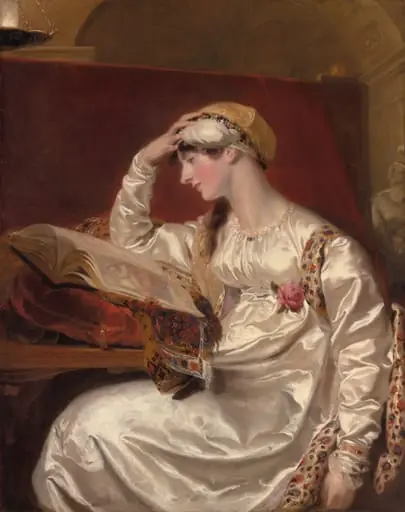 Isabella Wolff
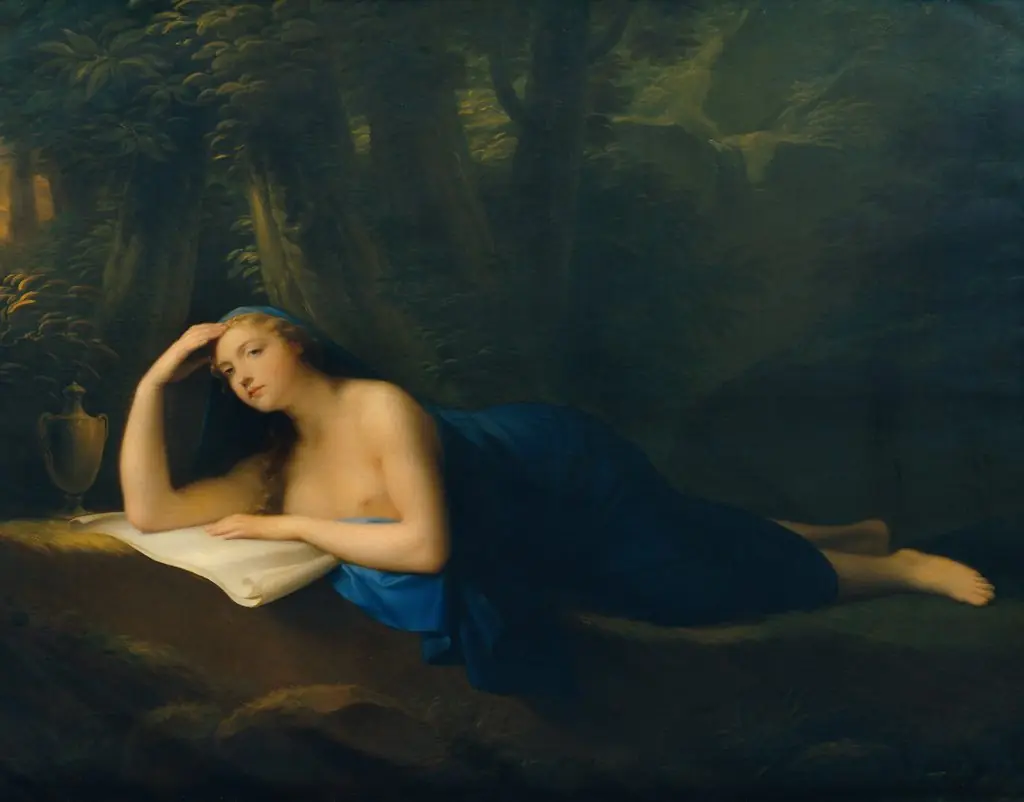 The Penitent Magdalene
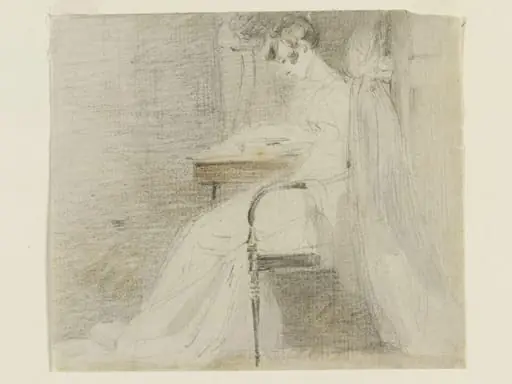 A lady seated
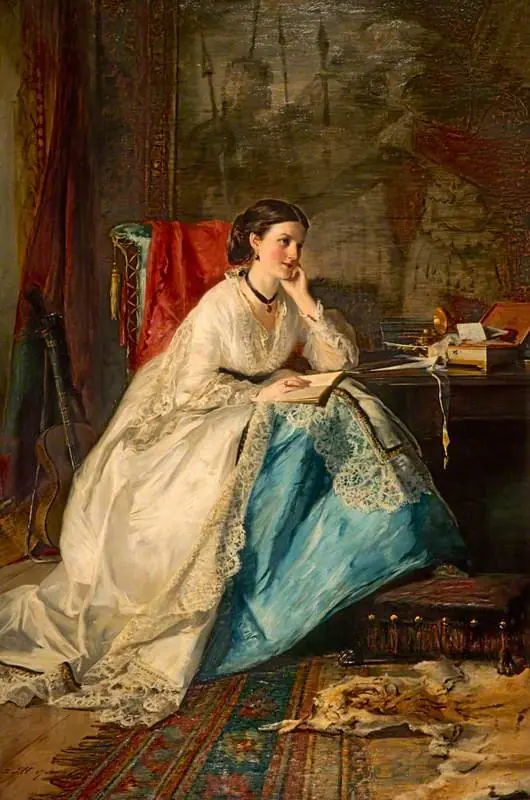 Emily Merelina Meymott, Baroness Shand (1830 - 1911)
 Maria and Her Dog 'Silvio'
 Woman Reading. Portrait of Sofia Kramskaya