Artwork
Sir John Orde
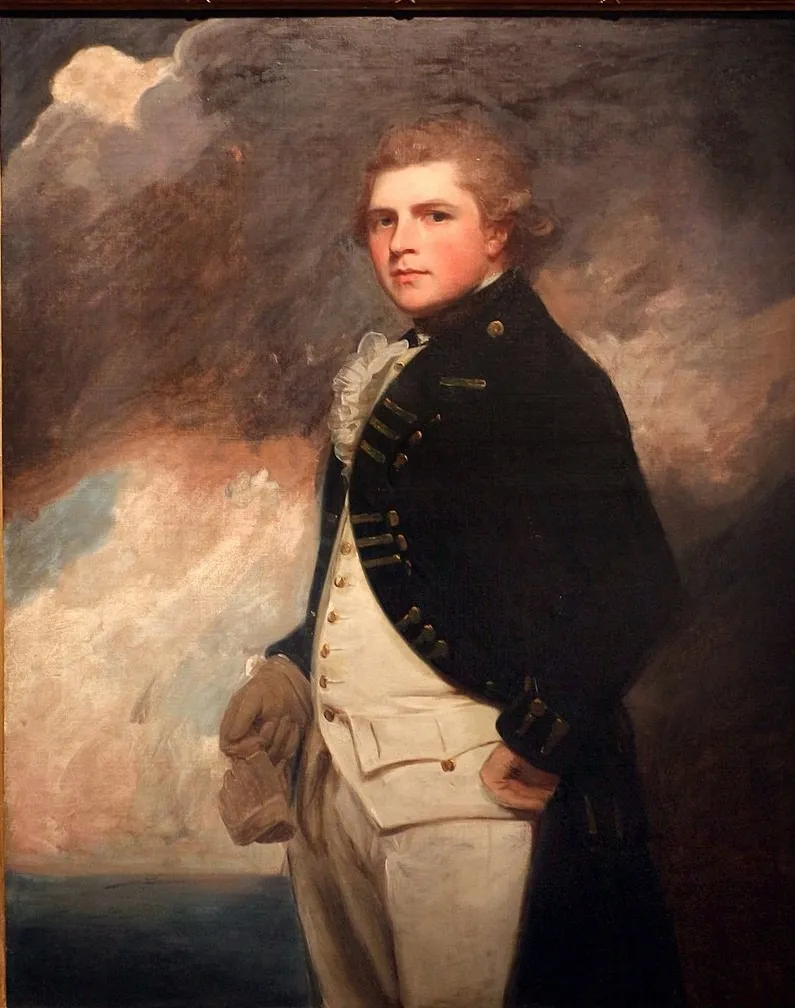
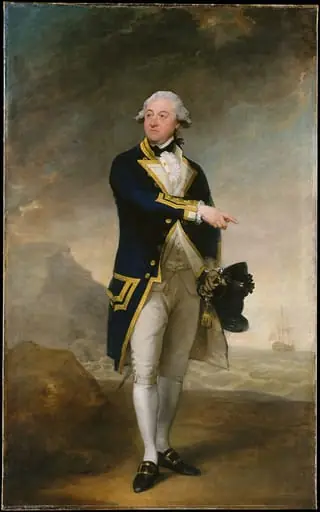
Sir John Orde is an oil painting by the Rococo painting artist George Romney. It dates from 1793 and is held in the collection of the National Museum of Ancient Art.
About this work
Overview
Its composition and tonal balance align with the refined aesthetic of the period, though it avoids the ornamental excesses of full Rococo.
Painted in 1793 by George Romney, this oil portrait depicts Sir John Orde, 1st Baronet, a British naval officer and politician. The work is part of the National Museum of Ancient Art’s collection and reflects Romney’s reputation as a sought-after portraitist among the British elite during the late 18th century. Its composition and tonal balance align with the refined aesthetic of the period, though it avoids the ornamental excesses of full Rococo.
Subject & Meaning
Sir John Orde is portrayed in a formal military uniform, suggesting his status and service. The gloved right hand and hand-on-hip posture convey composure and authority, common conventions in portraits of gentlemen and officers. The absence of overt symbols of rank or achievement focuses attention on his bearing rather than his titles, emphasizing personal dignity over institutional identity.
Technique & Style
Romney employed soft modeling and subtle gradations of light to render the texture of fabric and skin with quiet precision. The dark jacket contrasts with the pale shirt and glove, enhancing three-dimensionality. The muted, atmospheric background—pale blues and grays—recedes gently, isolating the figure without distraction. Brushwork remains controlled, avoiding theatricality in favor of restrained elegance.
History & Provenance
Commissioned during Romney’s peak years as a portraitist, the painting remained in private hands before entering the National Museum of Ancient Art’s collection. Its journey through collectors is not fully documented, but its preservation suggests consistent recognition of its artistic merit. No major alterations or restorations are recorded, and the surface remains largely intact.
Context
In the 1790s, British portraiture favored naturalism over grandeur, reflecting Enlightenment ideals of individuality and restraint. Romney’s style, though influenced by Reynolds and Gainsborough, developed its own quiet clarity. Orde’s portrait fits within this trend, capturing a naval officer of the Napoleonic era at a time when Britain’s maritime power was central to national identity.
Legacy
While not among Romney’s most widely reproduced works, the portrait exemplifies his skill in portraying character through posture and tone. It contributes to the broader understanding of how British elites presented themselves during a period of military and political transformation. The painting remains a quiet testament to the dignity of service in an age of evolving social norms.
Artist & collection
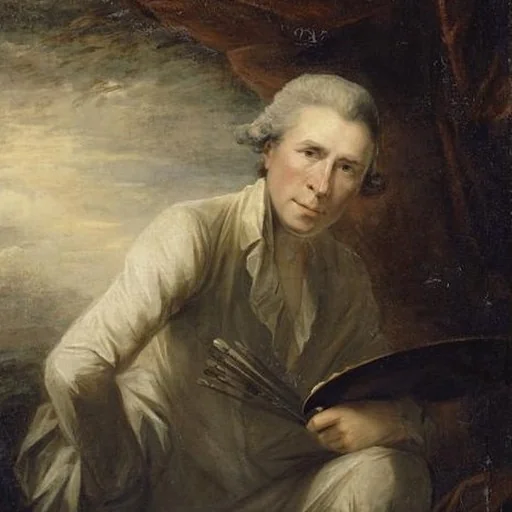
Artist
George Romney (26 December 1734 – 15 November 1802) was an English painter. He was the most fashionable artist of his day, painting many leading society figures – including his artistic muse, Emma Hamilton, mistress of Lord Nelson.

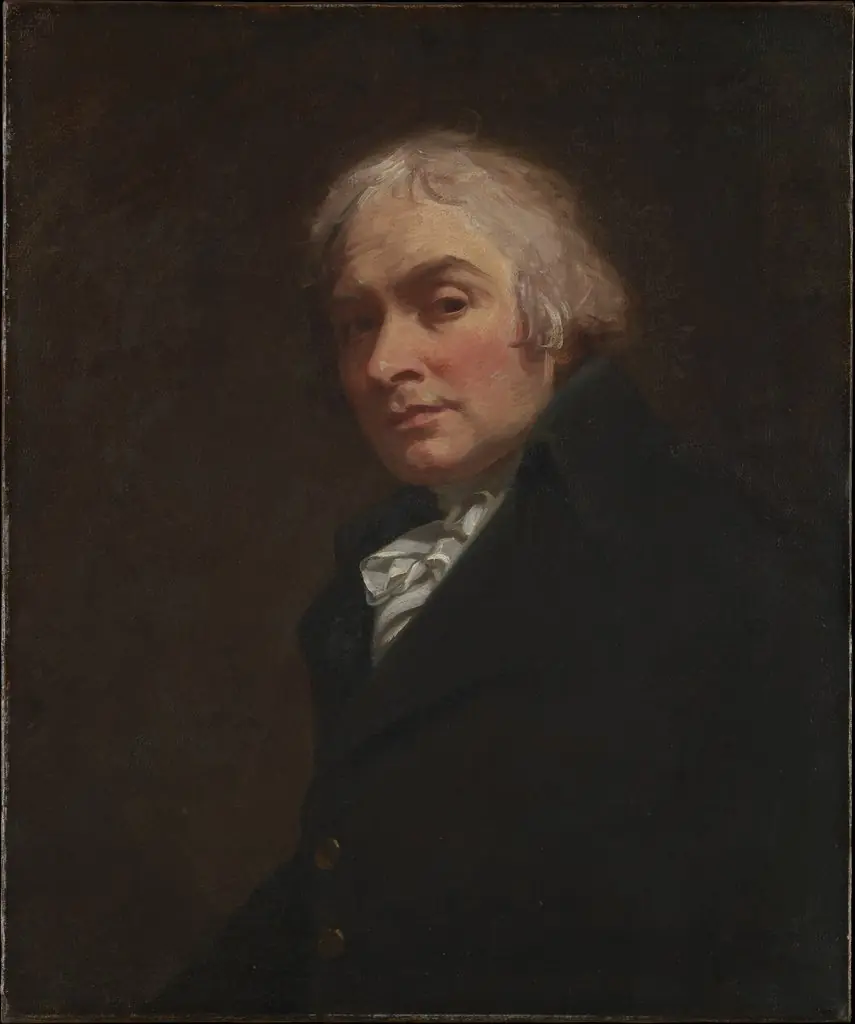 Self-Portrait
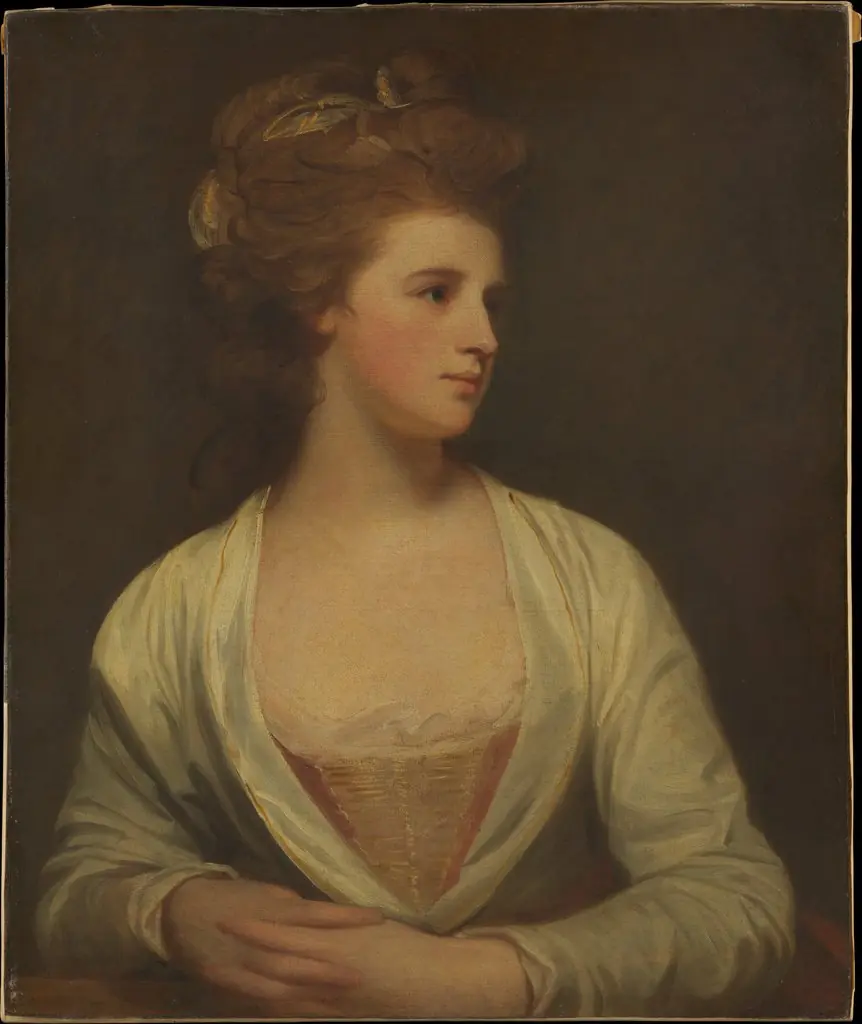 Portrait of a Woman, Said to Be Emily Bertie Pott (died 1782)
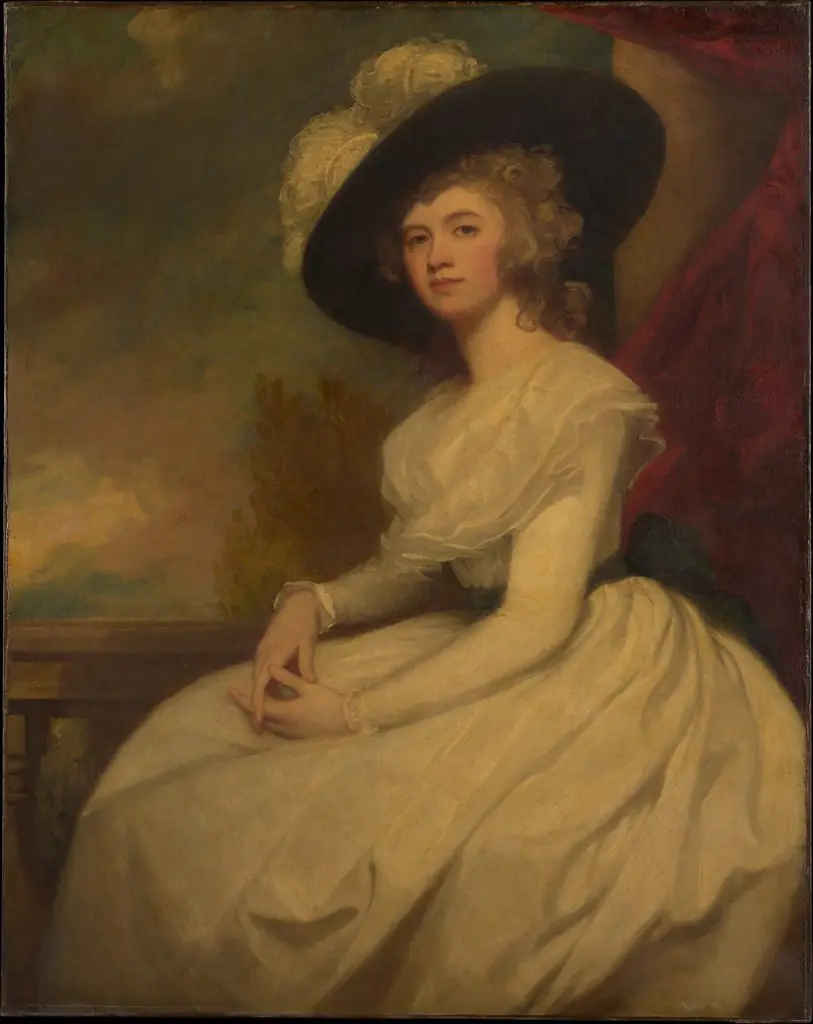 Mrs. Bryan Cooke (Frances Puleston, 1765–1818)
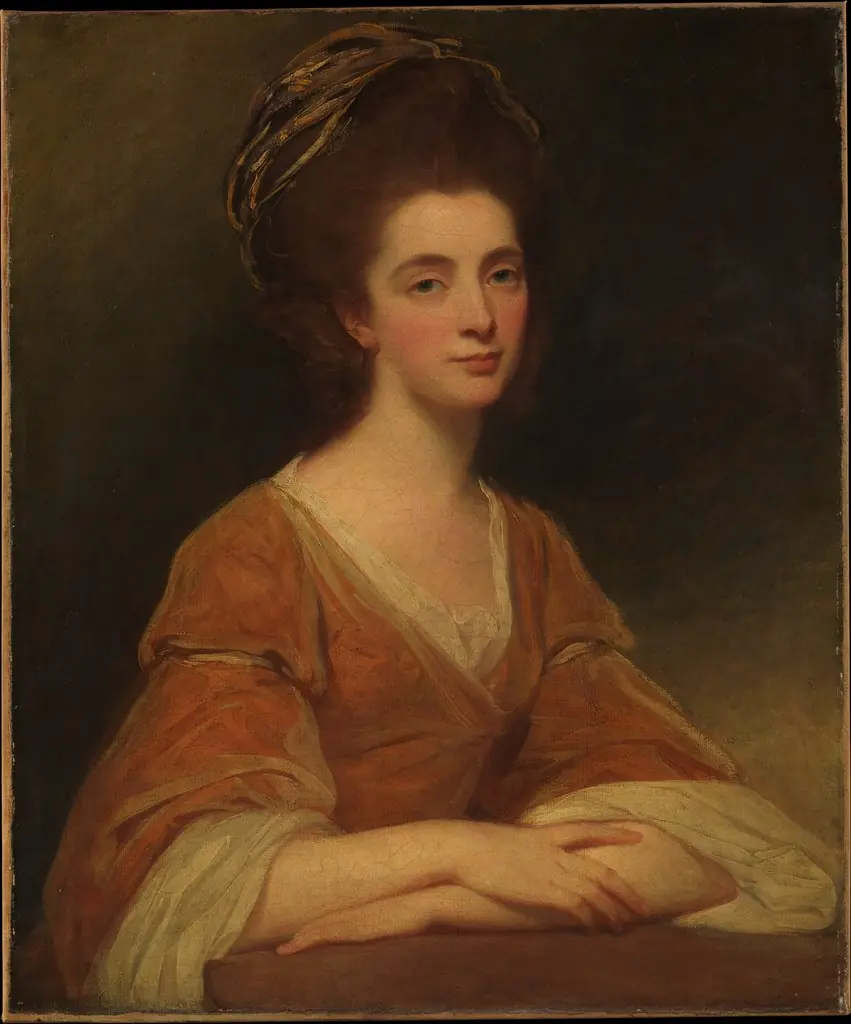 Mrs. Charles Frederick (Martha Rigden, died 1794)
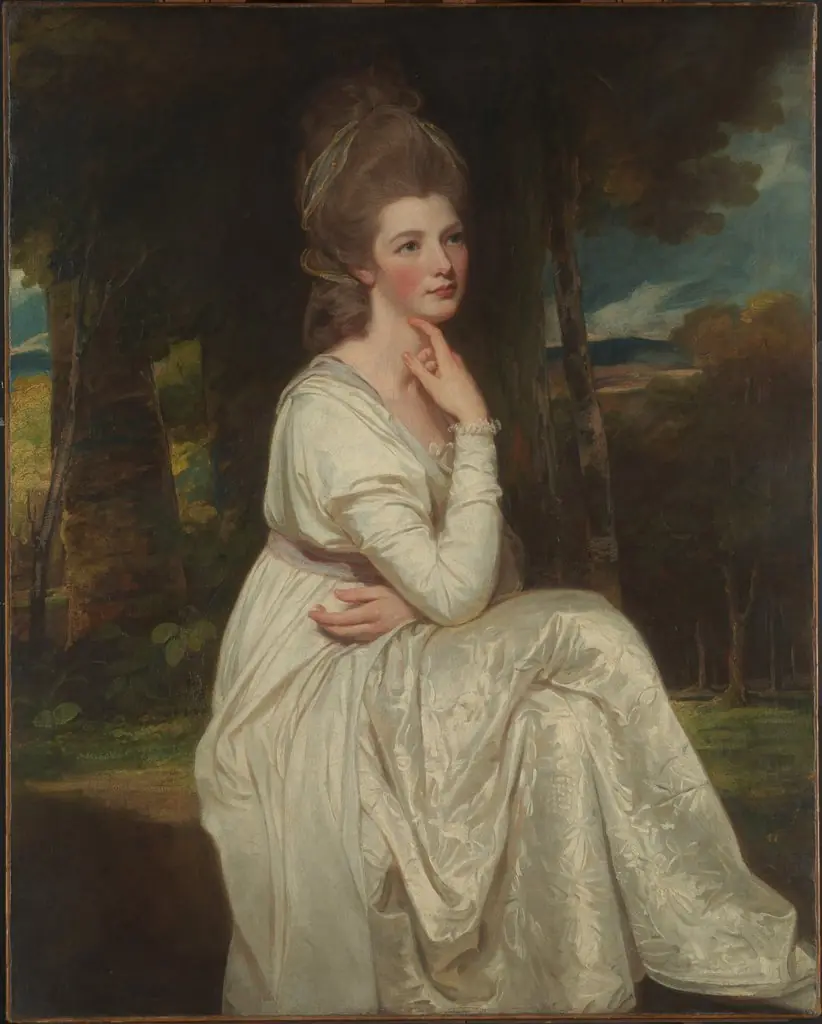 Lady Elizabeth Hamilton (1753–1797), Countess of Derby
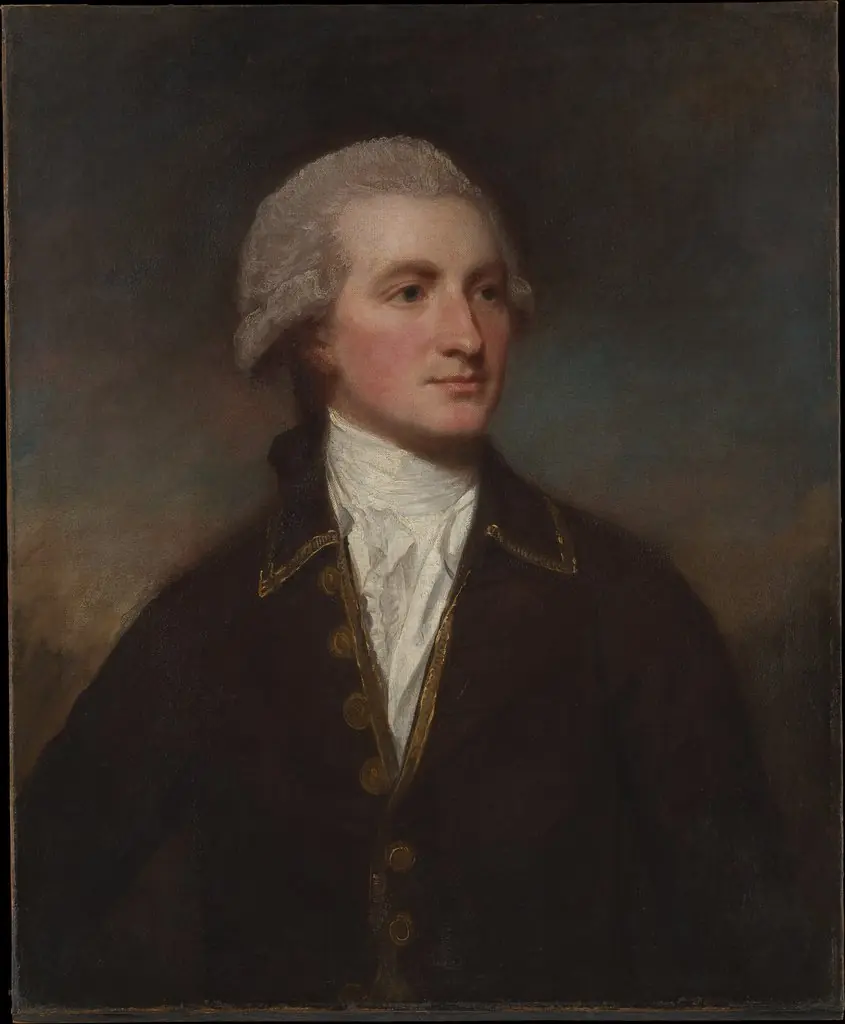 Portrait of a Man
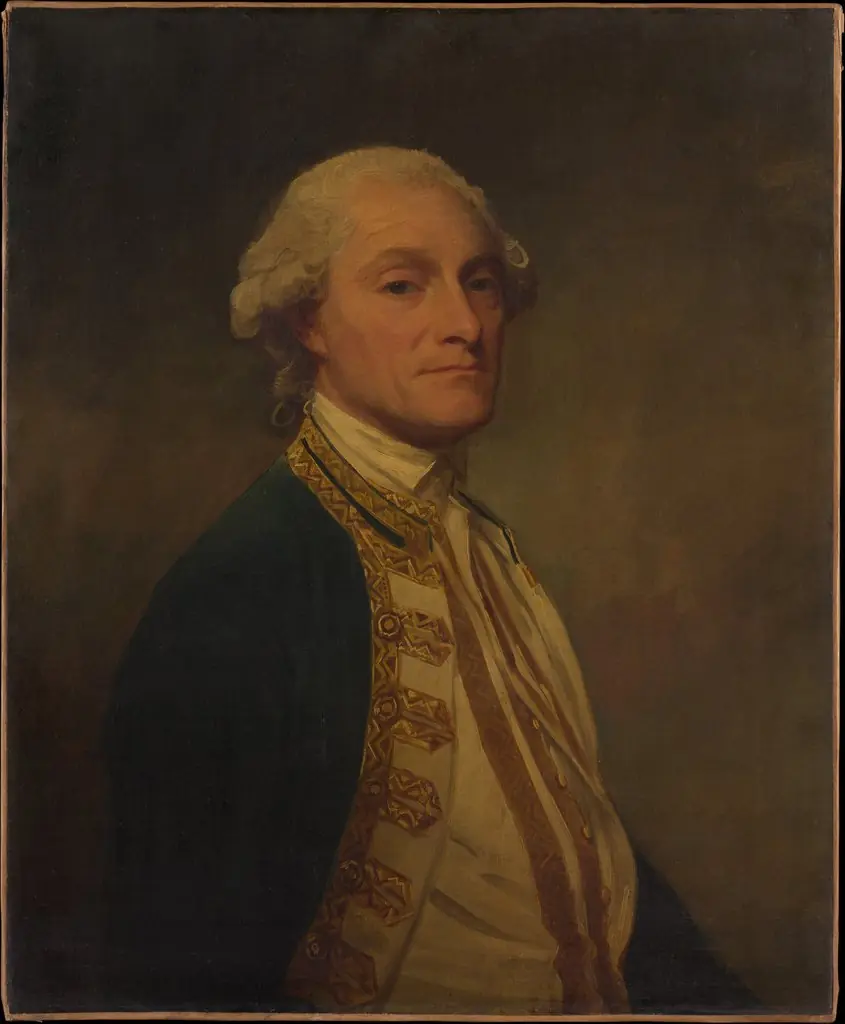 Admiral Sir Chaloner Ogle (1726–1816)
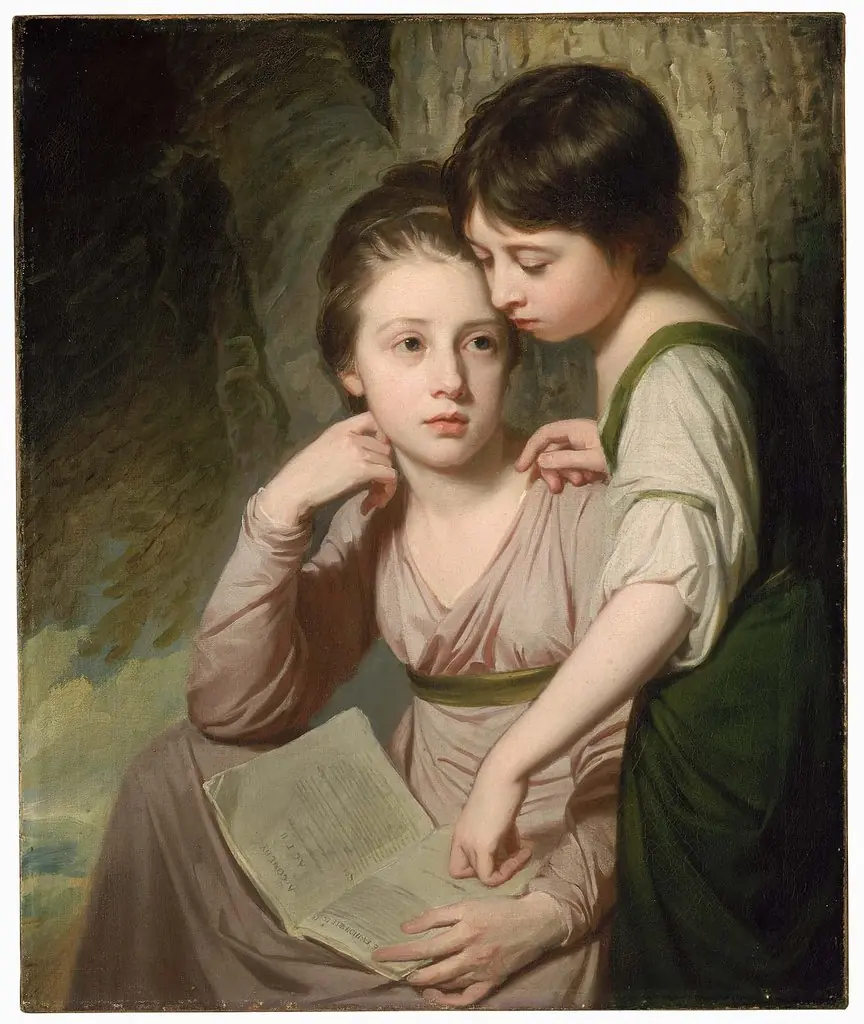 Portrait of Two Girls (Misses Cumberland)
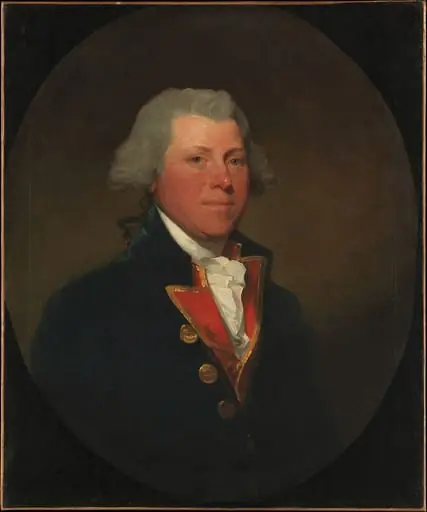 James DeLancey
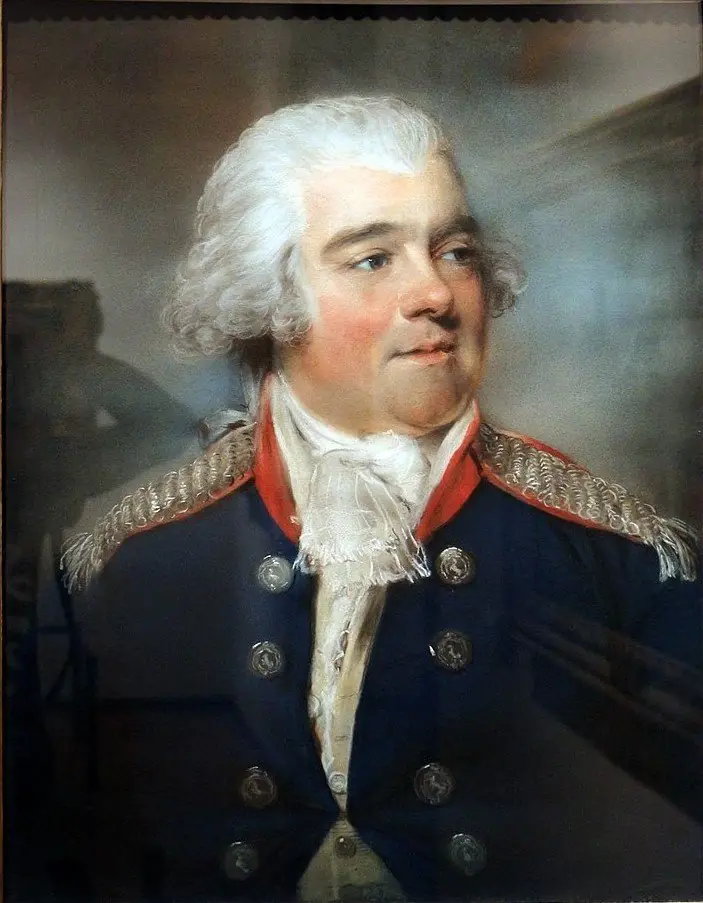 Retrato de Sir Richard Glode d'Orpington
 Captain Patrick Miller
 Portrait of Captain James Cook
 John Musters
 Portrait of Lieutenant Colonel William Shirriff, H.E.I.C.S. (1759/1760-1802)
 A Member of the Grove Family
 Captain John Gell
 George Damer, Viscount Milton
 Portrait of a Young Man of the Maynard Family
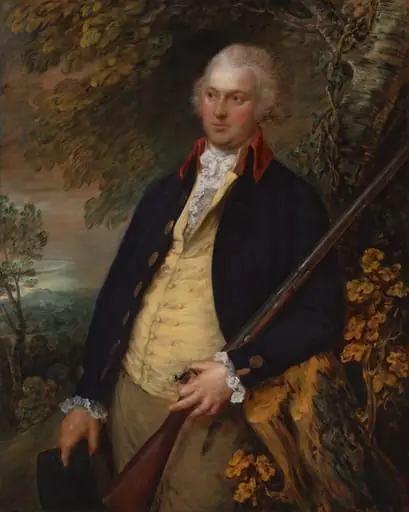 William Yelverton Davenport
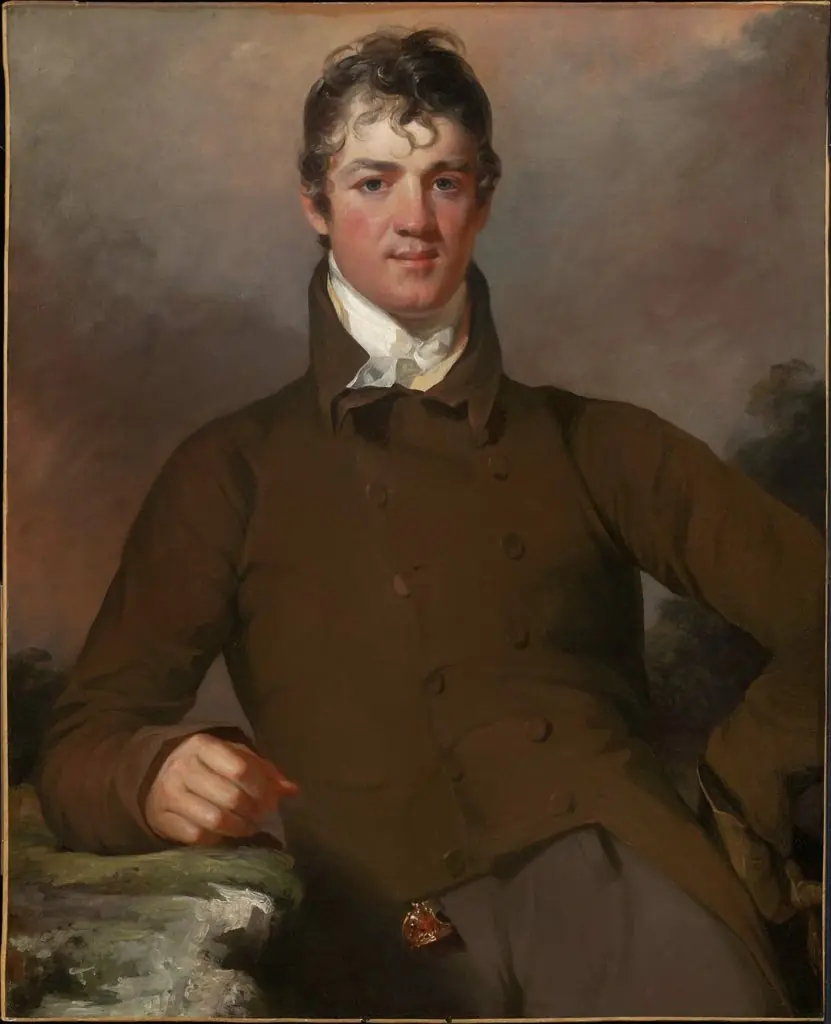 John Myers