Artwork
A Member of the Grove Family
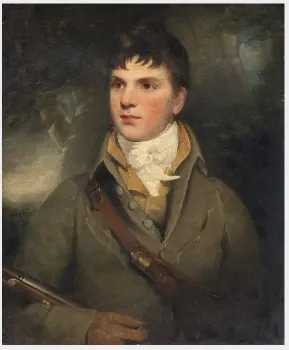
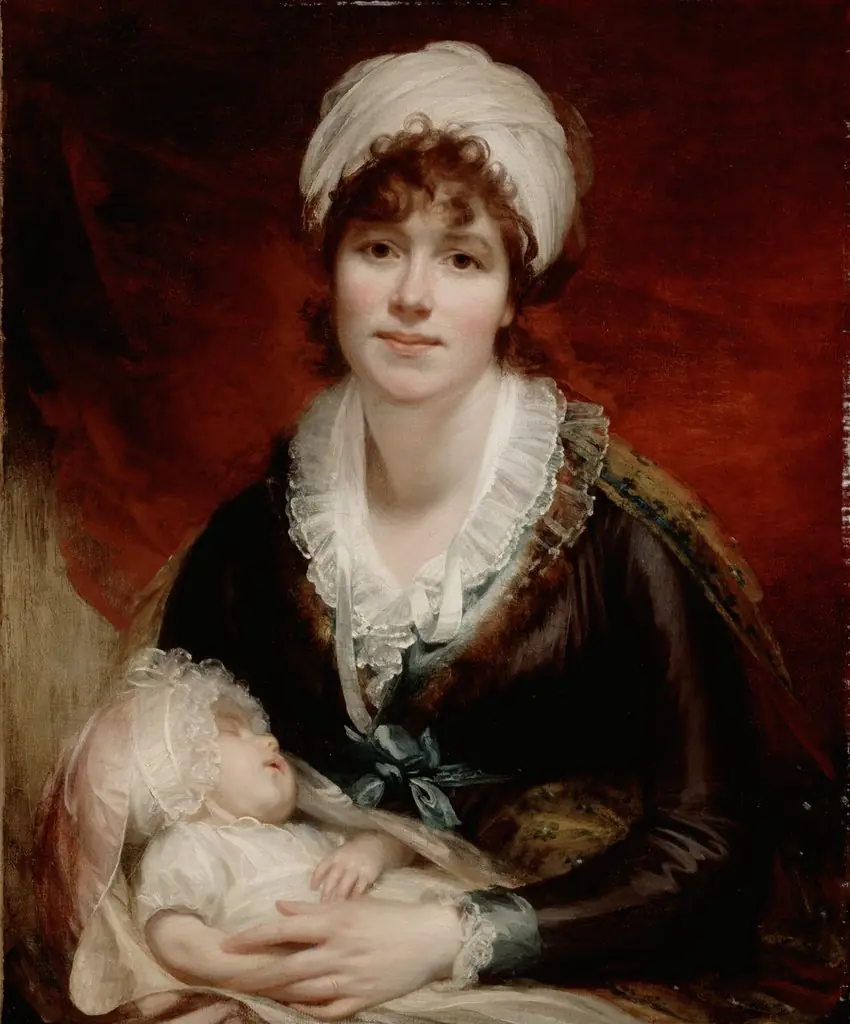
A Member of the Grove Family is an oil painting by the Neoclassicist artist William Beechey. It dates from 1803 and is held in the collection of the National Gallery of Ireland.
About this work
Overview
Painted circa 1803 by Sir William Beechey, this oil portrait captures an unidentified member of the Grove family, a prominent British lineage.
Painted circa 1803 by Sir William Beechey, this oil portrait captures an unidentified member of the Grove family, a prominent British lineage. Beechey, a leading portraitist of his time, worked within the refined traditions of late Georgian portraiture. The work resides in the National Gallery of Ireland, where it contributes to the institution’s collection of British academic painting from the turn of the 19th century.
Subject & Meaning
The subject is a man of elevated social standing, identified only by his family name. His direct gaze and composed posture convey quiet authority rather than theatrical display. The absence of identifying symbols or settings suggests an emphasis on personal presence over status markers, aligning with a growing preference for psychological realism in portraiture during this period.
Technique & Style
Beechey employs chiaroscuro to model the figure with subtle gradations of light and shadow, enhancing the three-dimensionality of the form. The dark, unadorned background isolates the subject, directing focus to his attire: a green coat, white shirt, and brown sash. Brushwork is controlled and precise, reflecting the neoclassical ideal of clarity and restraint, while avoiding excessive ornamentation.
History & Provenance
The painting entered the National Gallery of Ireland’s collection through documented acquisition, though its early ownership history remains partially obscure. It was likely commissioned by the Grove family during the early 1800s, a time when British elites regularly commissioned portraits to affirm social identity. Its preservation reflects its continued recognition as a representative work of Beechey’s mature period.
Context
Created during the height of British portraiture’s popularity, the work reflects the transition from aristocratic grandeur to quieter, more introspective representation. Beechey, appointed court painter to Queen Charlotte, operated within a network of elite patrons. This portrait exemplifies how even private commissions adhered to formal conventions while subtly embracing emerging ideals of individuality and dignity.
Legacy
Though less celebrated than Beechey’s royal portraits, this work endures as a quiet example of his skill in capturing character through restraint. It contributes to scholarly understanding of provincial elite portraiture and the stylistic continuity between Georgian and early Victorian visual culture. Its presence in a national collection ensures its role as a reference for studies of British identity in the early 19th century.
Artist & collection
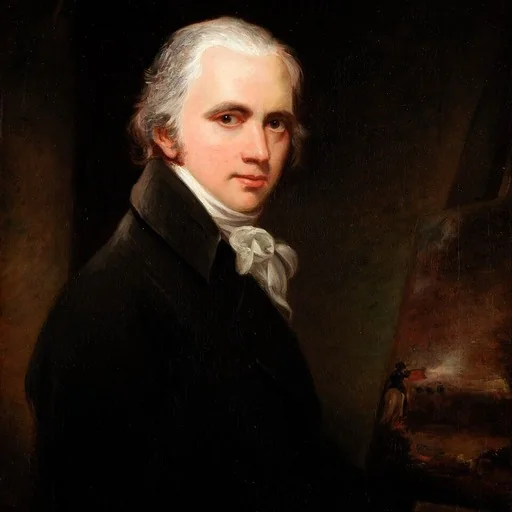
Artist
Sir William Beechey (12 December 1753 – 28 January 1839) was a British portraitist during the golden age of British painting.

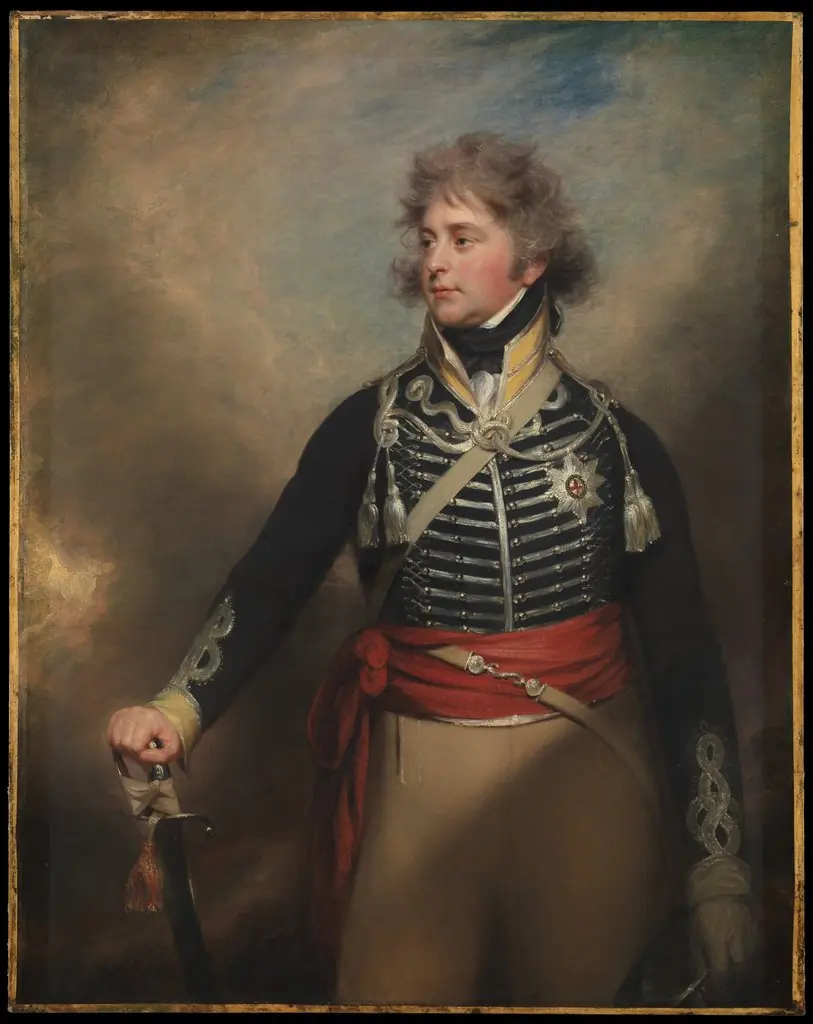
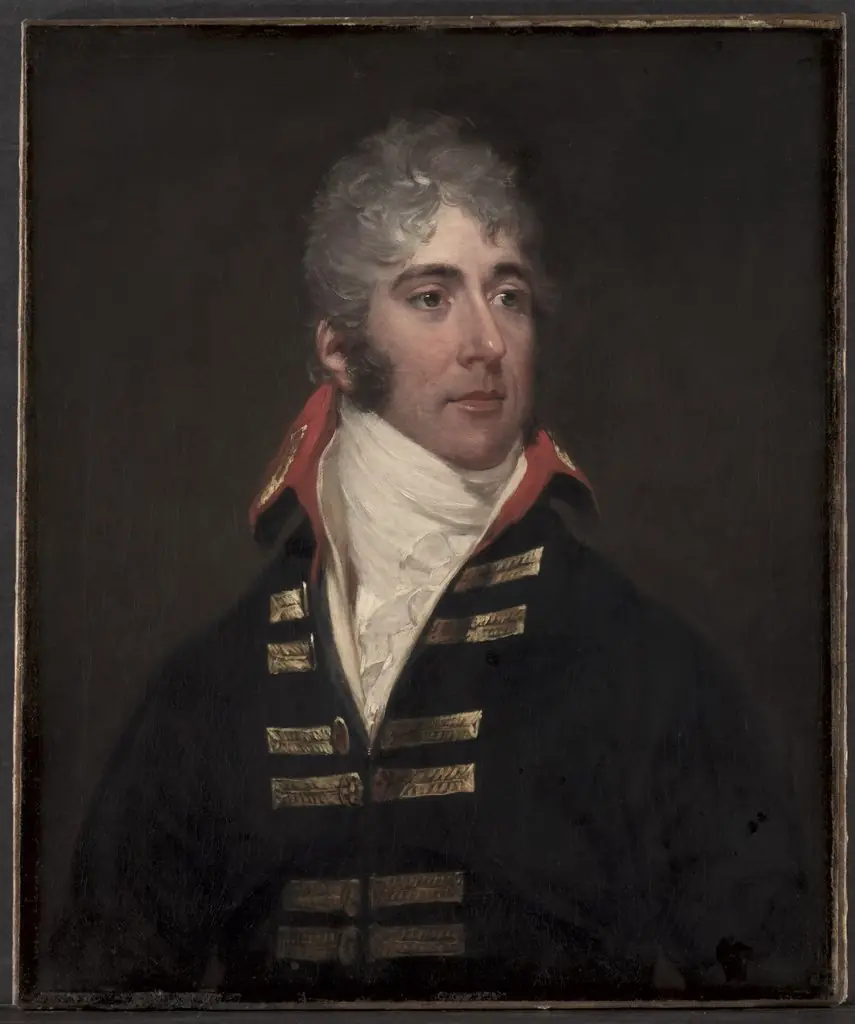
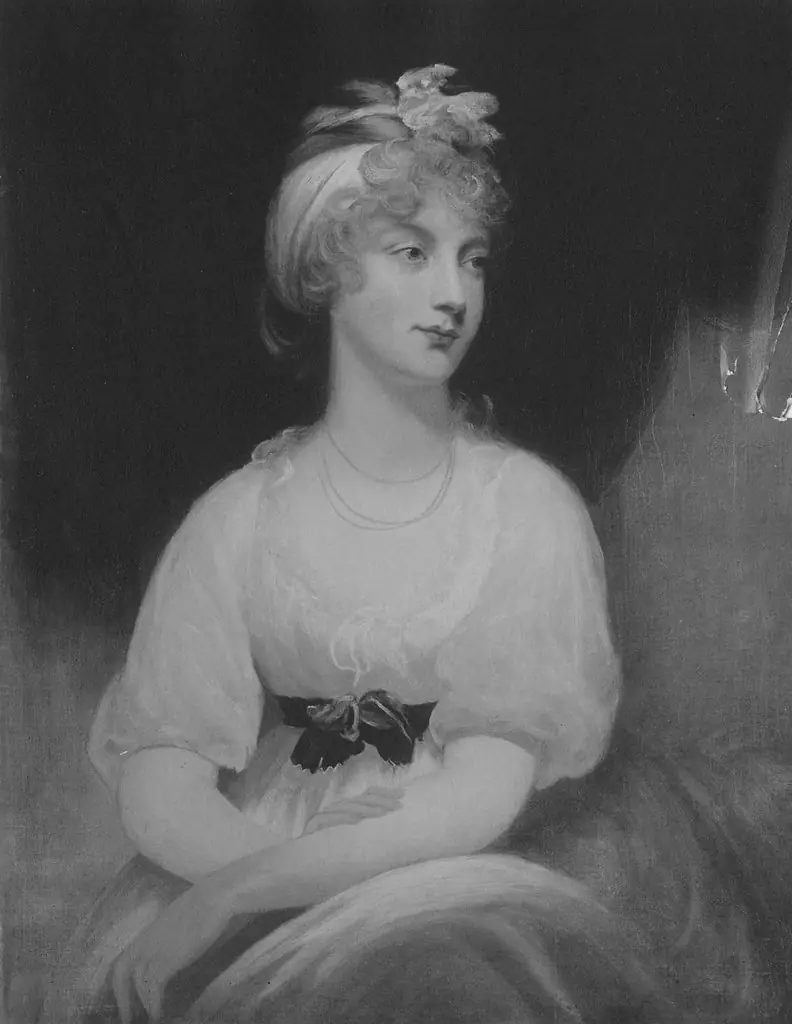
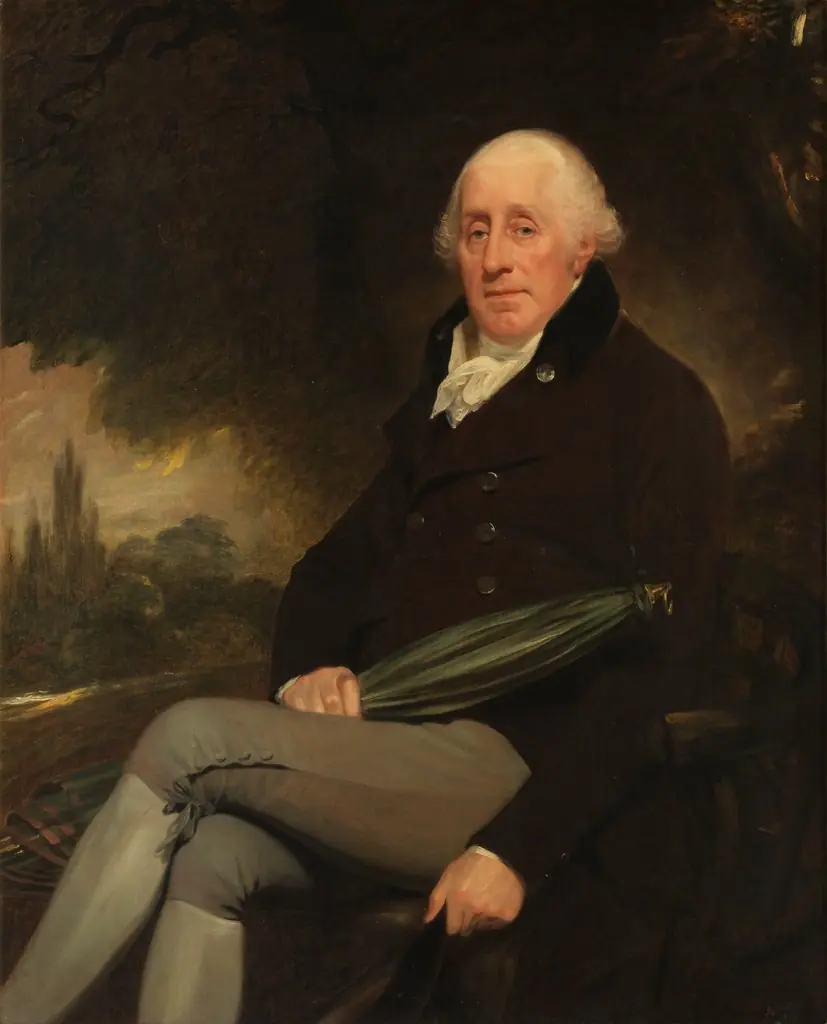
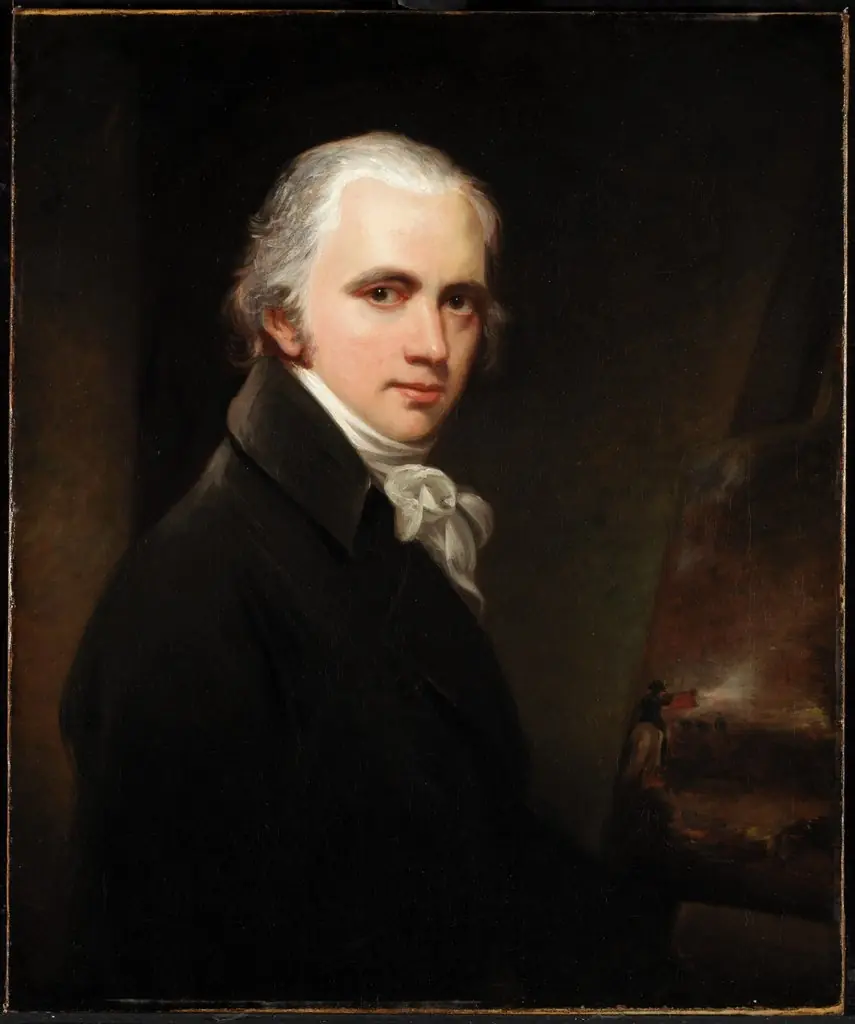
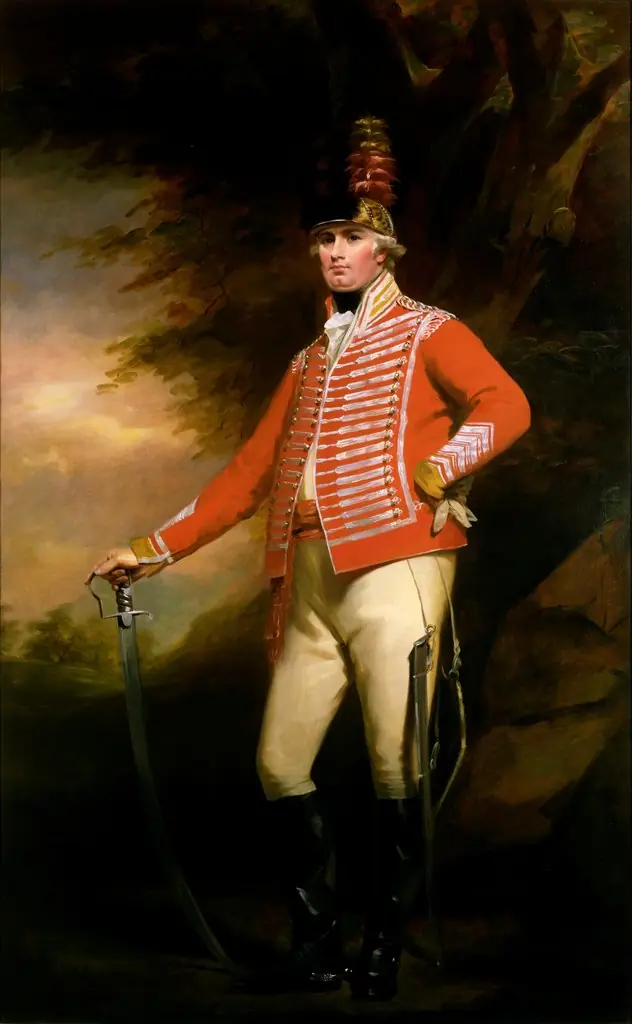 Portrait of Lieutenant Colonel William Shirriff, H.E.I.C.S. (1759/1760-1802)
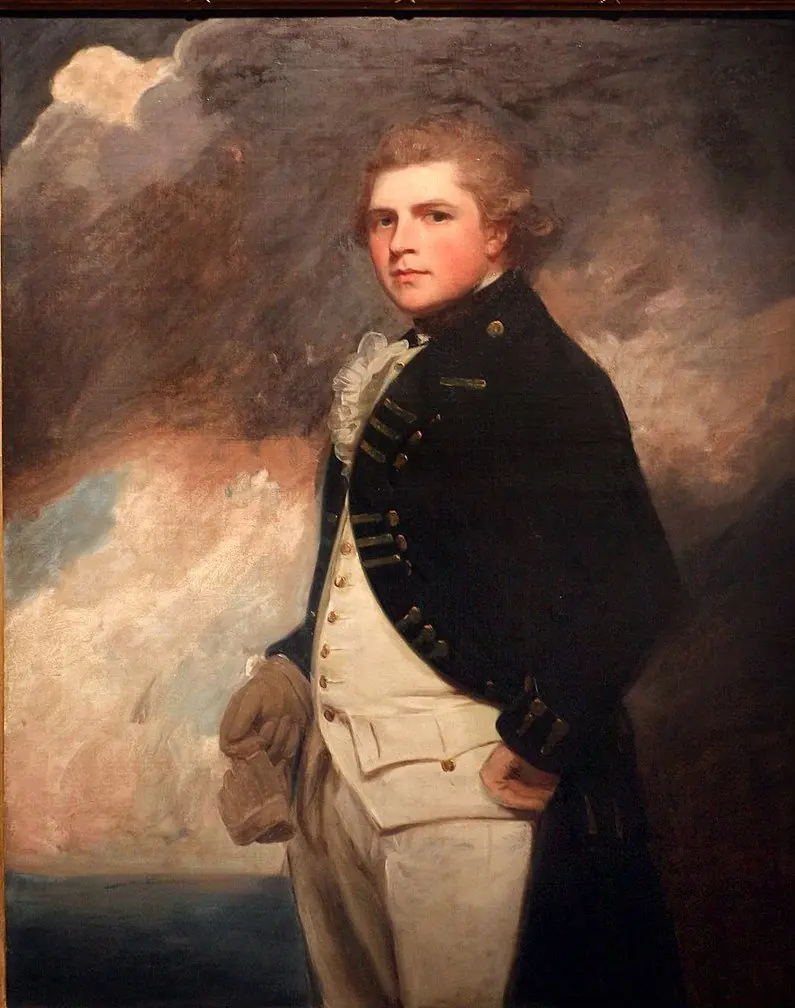 Sir John Orde
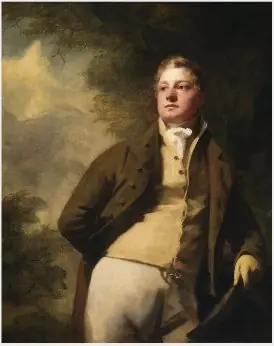 Matthew Fortescue (1791-1845) of Stephenstown
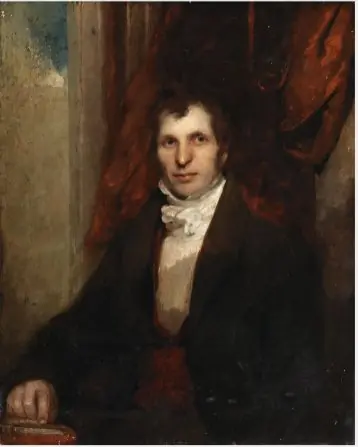 Portrait of a Gentleman
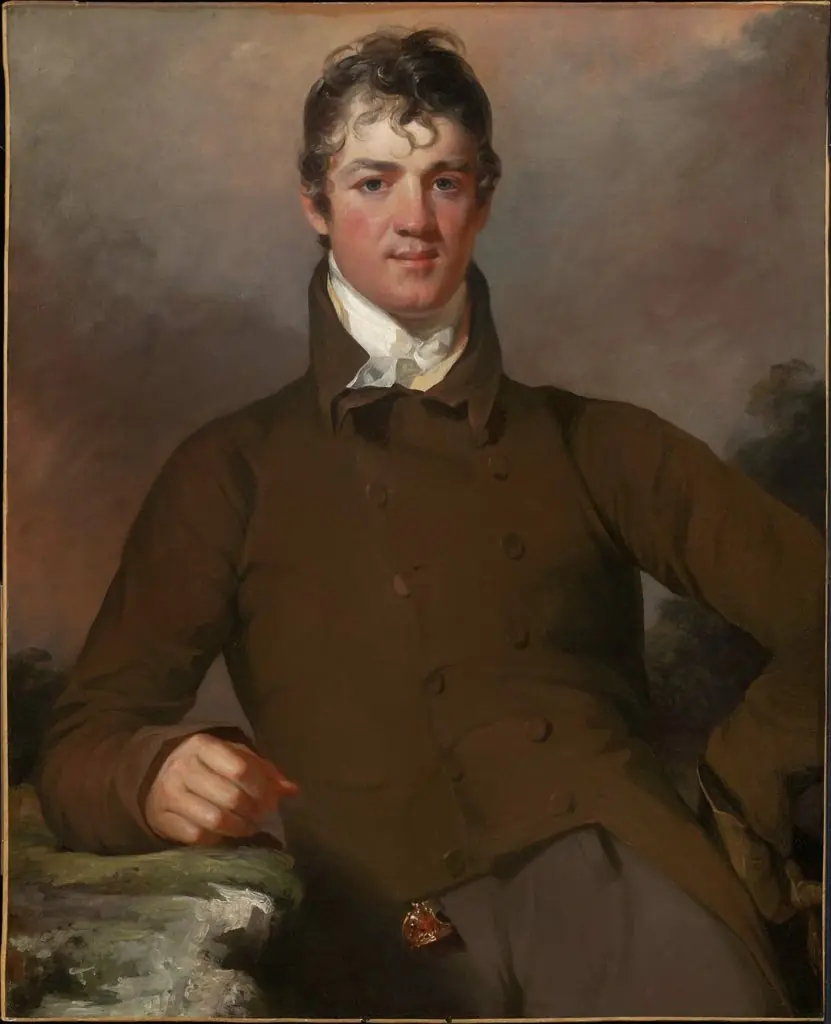 John Myers
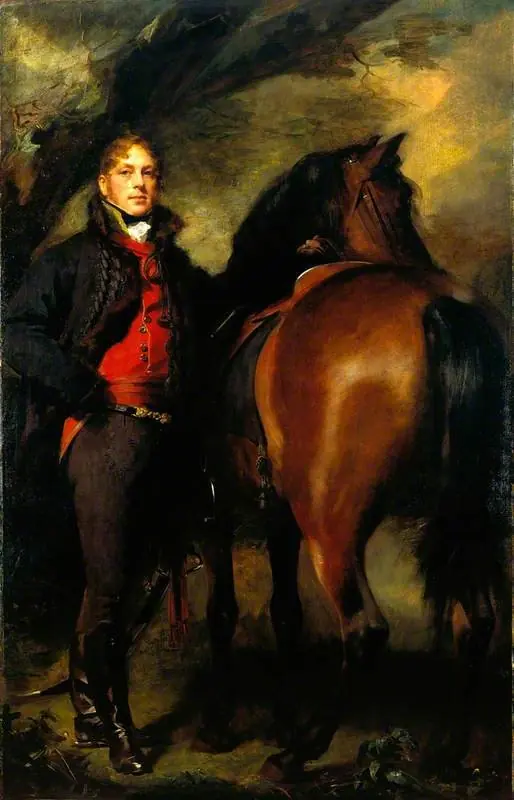 Major William Clunes of Crakaig, died 1829
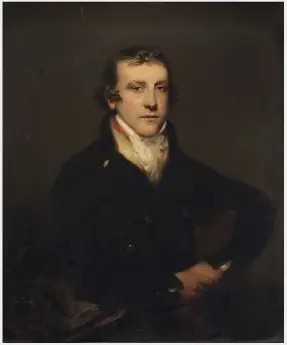 Portrait of Captain Ross
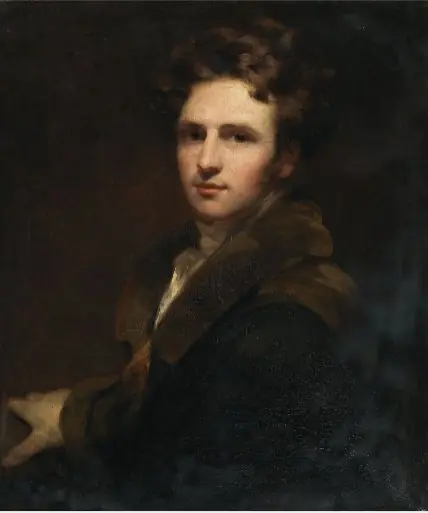 Self-Portrait
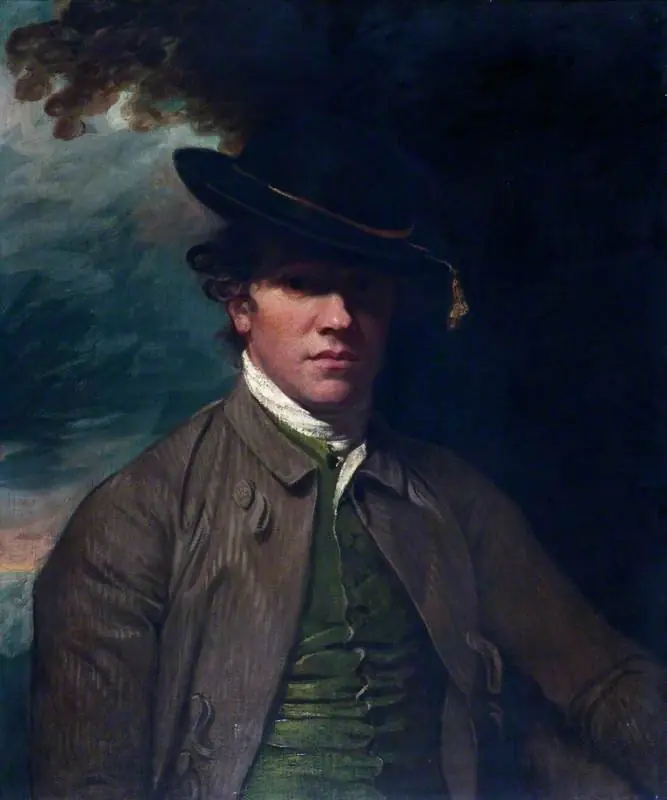 Portrait of a Young Man of the Maynard Family
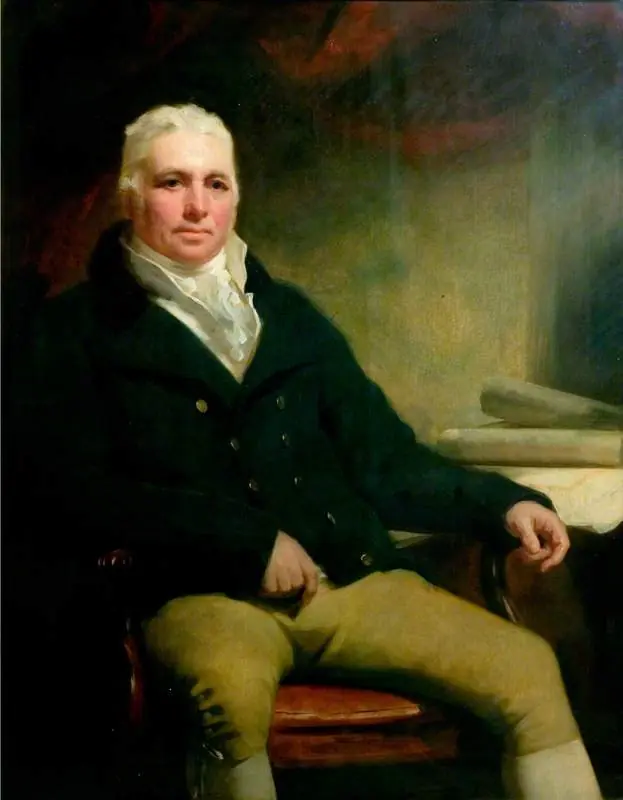 William Hobson of Markfield (1753–1840)
 Self-Portrait
 Hugh Percy, 3rd Duke of Northumberland