Artwork
Tile Works, Samer, Pas-de-Calais
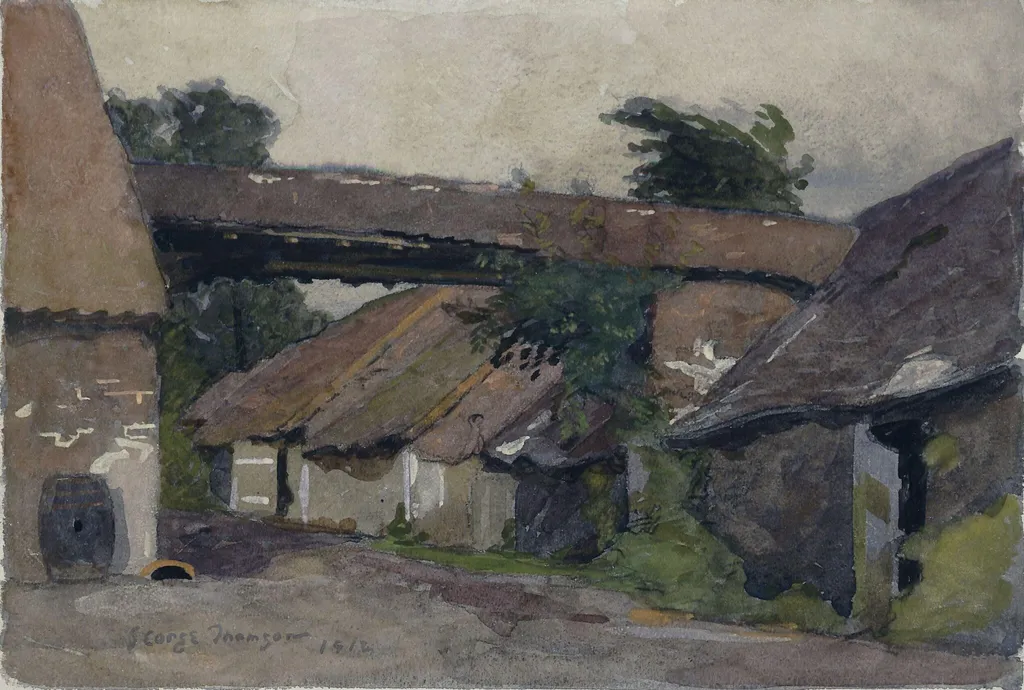
Tile Works, Samer, Pas-de-Calais is a watercolor work on paper by the Post-Impressionist artist George Thomson. It dates from 1912 and is held in the collection of the Victoria and Albert Museum.
About this work
Overview
George Thomson's 1912 watercolour, Tile Works, Samer, Pas-de-Calais, captures a serene industrial scene in northern France, characterized by muted tones and expressive brushwork.
Subject & Meaning
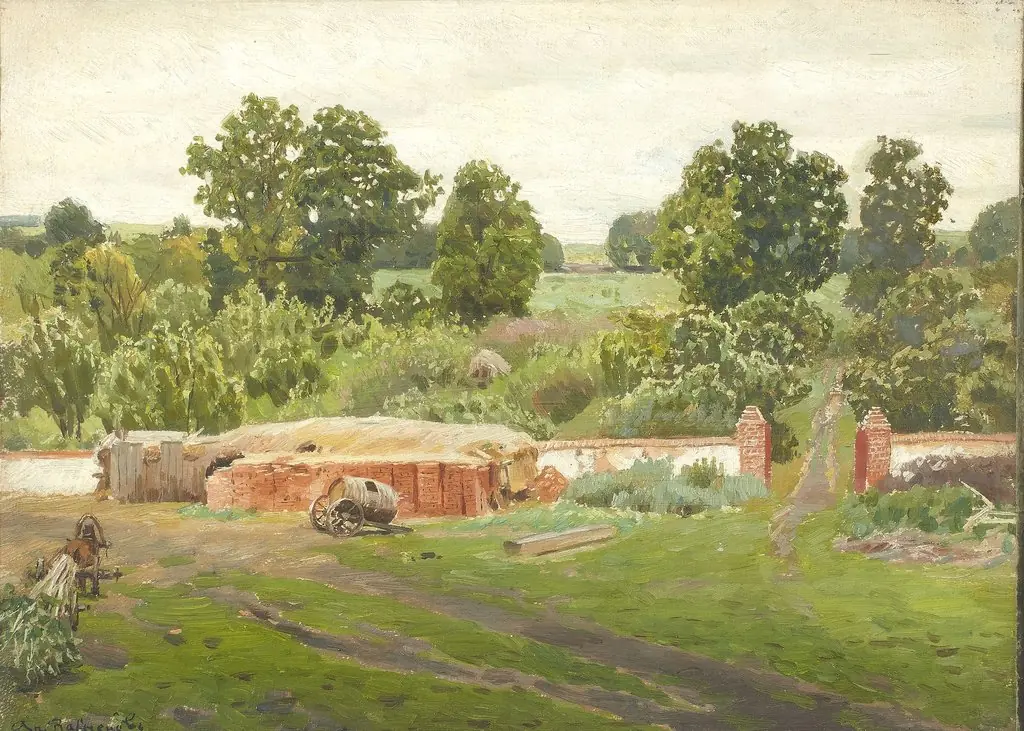
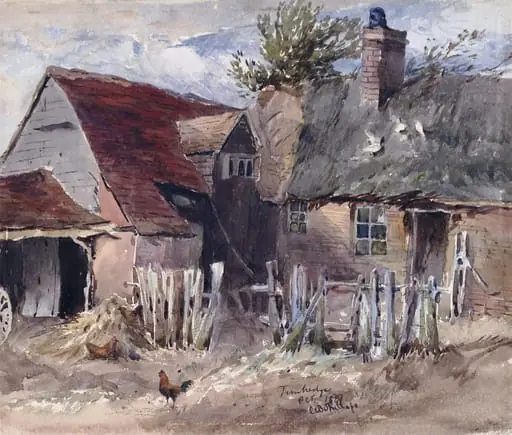
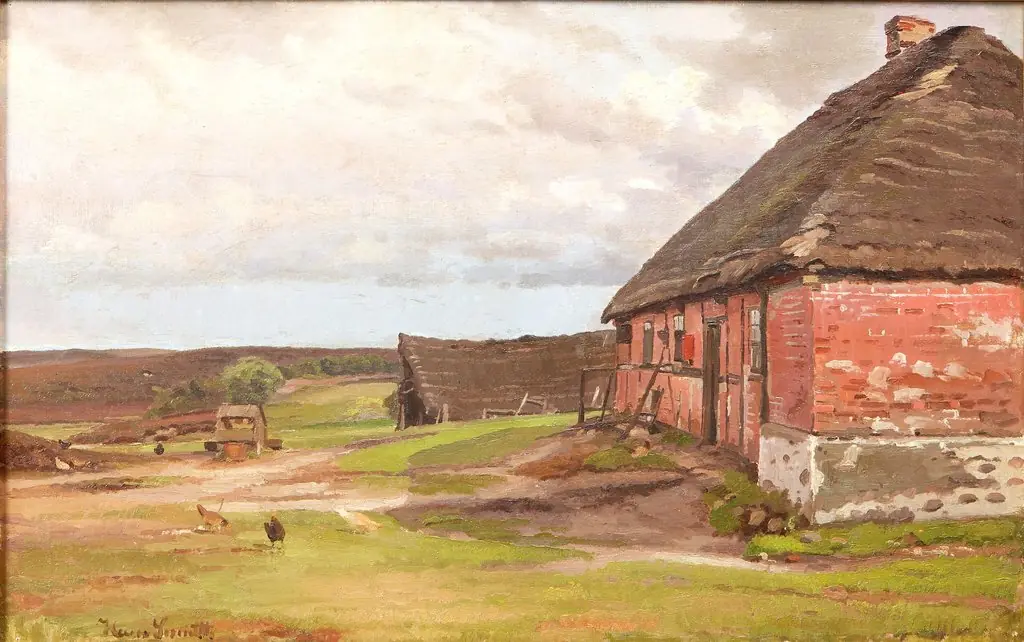
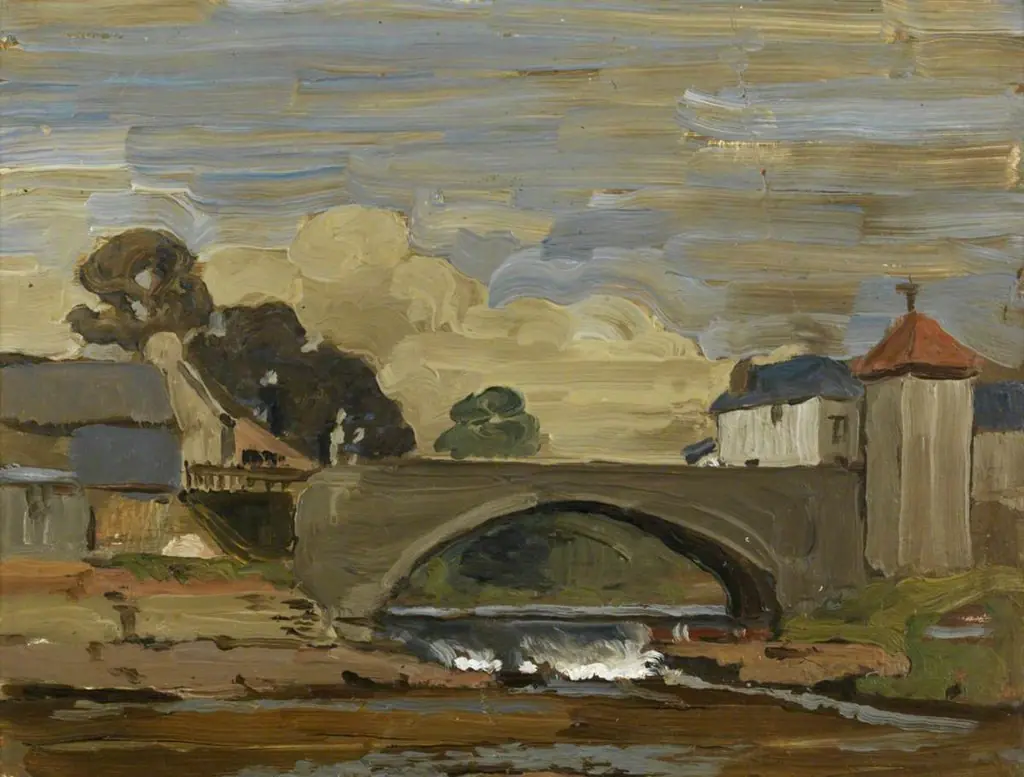
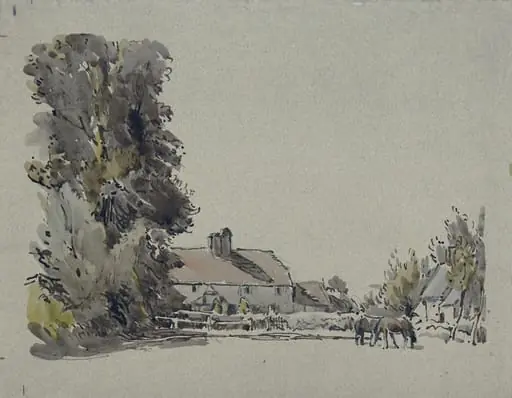
The painting depicts a row of brick or stone buildings with sloping roofs, set amidst trees and a cloudy sky, with a dirt path leading to the tile works, conveying a sense of everyday industrial activity.
Technique & Style
Thomson employed loose, expressive brushstrokes and a restrained colour palette dominated by browns, greys, and greens, leveraging watercolour's inherent softness to emphasize textures and patterns.
History & Provenance
Created in 1912, the work bears the artist's signature and date; however, detailed provenance information is not provided in the available sources.
Context
Painted on the eve of World War I, Tile Works, Samer, Pas-de-Calais, offers a glimpse into pre-war industrial France, though its focus remains on capturing a quiet, everyday scene rather than broader historical commentary.
Legacy
The painting's legacy is not extensively documented in the provided sources, suggesting it may not be widely recognized beyond its archival or collection significance.
Artist & collection
Artist
George Thomson painted quiet watercolours of northern French towns in the early 1900s.