Artwork
Ten Potawatomi Chiefs
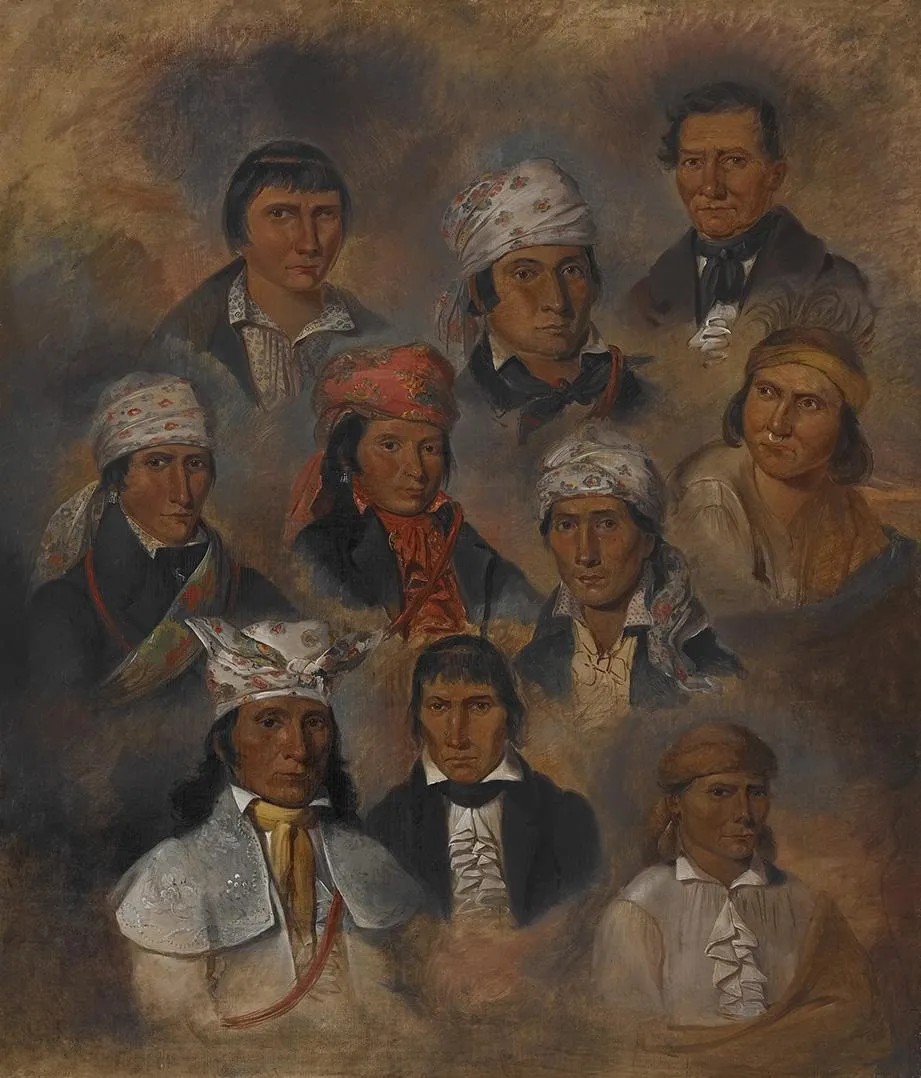
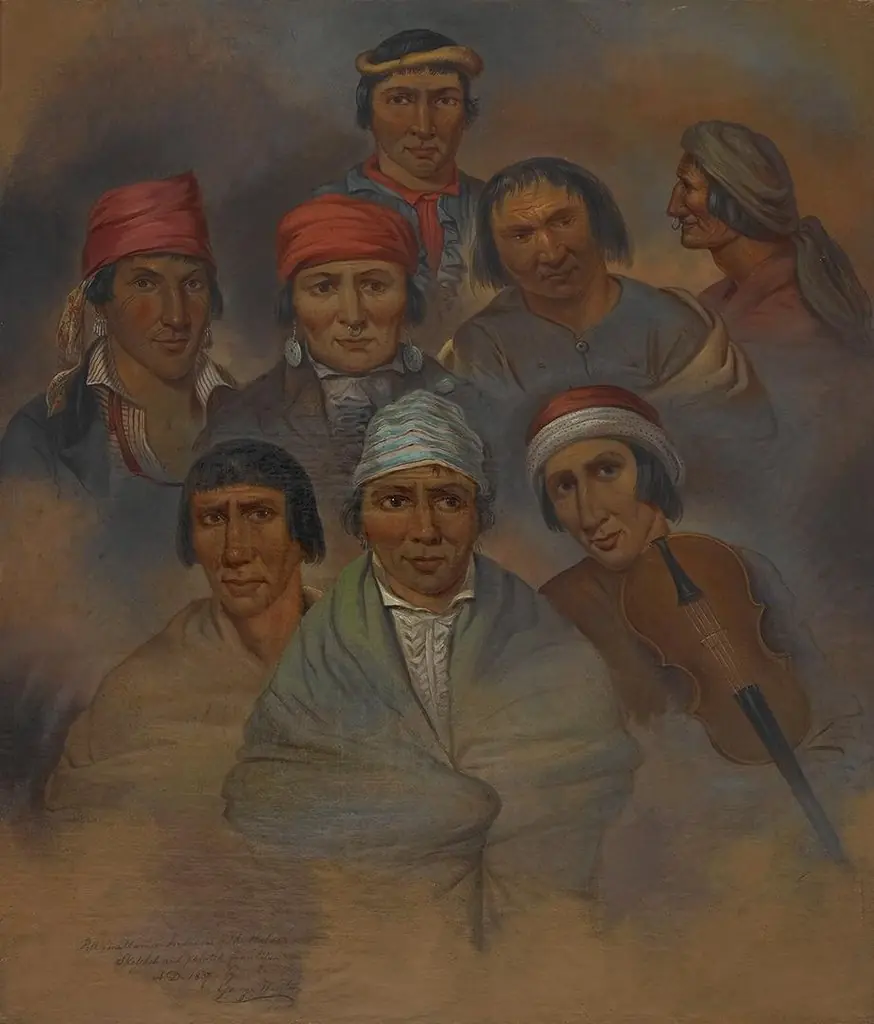
Ten Potawatomi Chiefs is an unspecified painting by the American Folk Art artist George Winter. It dates from 1837 and is held in the collection of the Crystal Bridges Museum of American Art.
About this work
Overview
Arranged in two horizontal rows of five, the figures stand against a muted brown backdrop that isolates them from any surrounding landscape.
Created in 1837, *Ten Potawatomi Chiefs* depicts a group portrait of ten Native men from the Potawatomi nation. Arranged in two horizontal rows of five, the figures stand against a muted brown backdrop that isolates them from any surrounding landscape. Their varied headgear and garments, rendered in a modest palette, give each individual a distinct presence while the composition as a whole conveys a formal, collective stance.
Subject & Meaning
The work records the appearance and attire of ten Potawatomi leaders, offering a visual inventory of their dress customs at a time of intense cultural contact. By presenting the men in an orderly, dignified arrangement, the artist emphasizes their status as chiefs and underscores the community’s cohesion, providing a rare glimpse into the identity markers—turbans, headbands, scarves, and patterned jackets—used by the tribe in the early nineteenth century.
Technique & Style
Executed in watercolor on paper, the painting reflects the American folk‑art tradition with its straightforward rendering and limited shading. Winter employs a restrained color scheme, allowing subtle tonal variations to suggest texture in fabrics and hair. The shallow perspective, achieved through slight elevation of the upper row, creates a modest sense of depth without resorting to elaborate background details, focusing attention on the figures themselves.
History & Provenance
George Winter, an English‑born artist who settled in Indiana in 1830, produced the portrait as part of a broader visual documentation of Potawatomi and Miami peoples living along the Wabash River. Among Indiana’s earliest professional painters, Winter’s ethnographic sketches and portraits remain valuable records of native life before forced removal. The painting entered the collection of the Crystal Bridges Museum of American Art, where it is currently conserved.
Context
The portrait was painted during a period of increasing pressure on the Potawatomi to cede their lands and relocate westward. Winter’s work, intended as a factual record rather than a romanticized vision, captures a moment of cultural assertion before the tribe’s displacement in the 1830s and 1840s. As such, it serves both as an artistic object and as a historical document of a community on the cusp of profound change.
Artist & collection
Artist
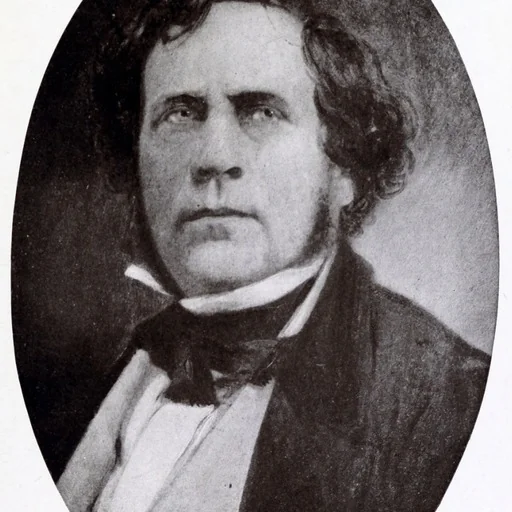
George Winter (June 10, 1809 – February 1, 1876) was an English-born landscape and portrait artist who immigrated to the United States in 1830 and became an American citizen in northern Indiana's Wabash River valley.

Museum
Crystal Bridges Museum of American Art
Continue through works from the same source collection.