Artwork
Untitled
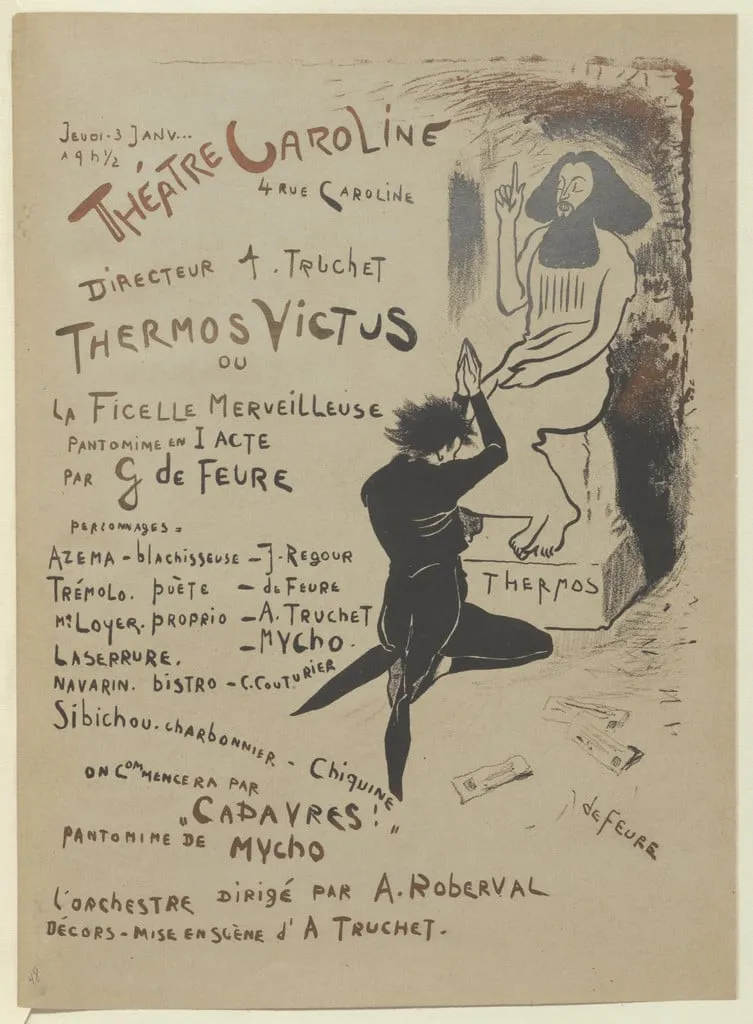
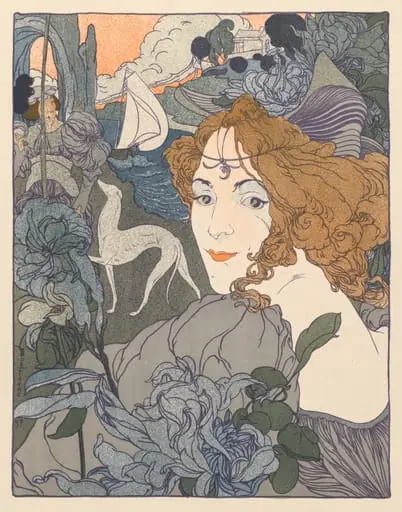
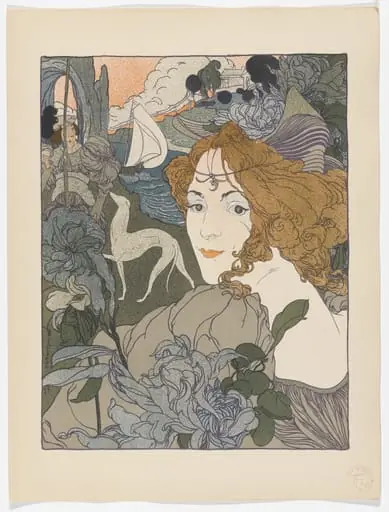
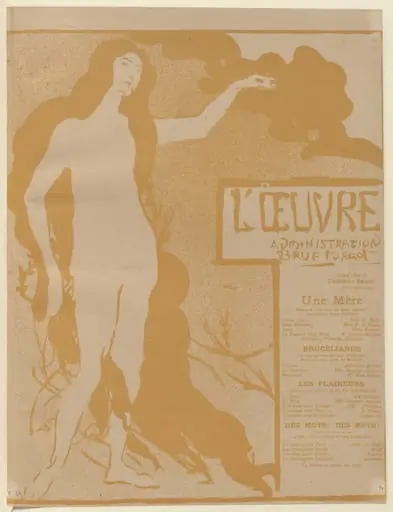
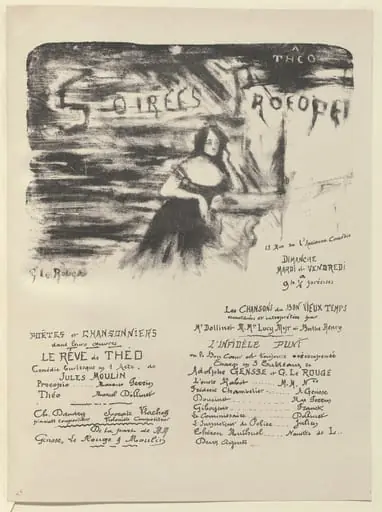
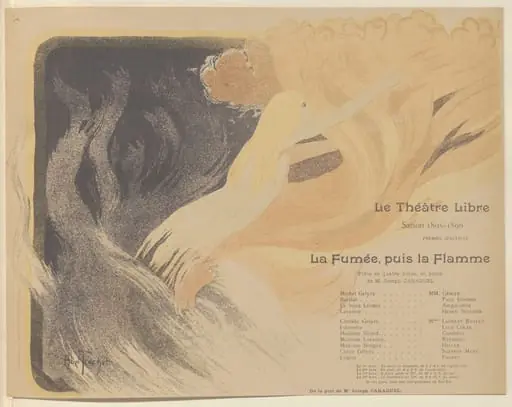
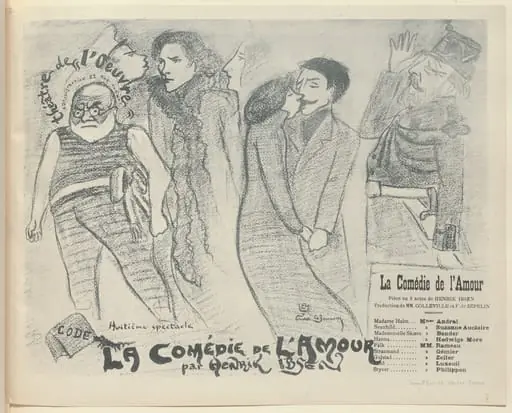
Untitled is an ink print by the Impressionist artist Georges de Feure. It dates from 1895 and is held in the collection of the Museum of Modern Art.
About this work
Overview
Created in 1895, this lithograph is one of fifty works in an album by Georges de Feure, a French artist linked to Symbolism and Art Nouveau.
Created in 1895, this lithograph is one of fifty works in an album by Georges de Feure, a French artist linked to Symbolism and Art Nouveau. Produced as promotional material for his own pantomime, *Thermos Victus*, the print exemplifies de Feure’s interdisciplinary practice, bridging fine art and theatrical design. Its informal, sketch-like quality distinguishes it from commercial posters of the era, emphasizing artistic expression over mass appeal.
Subject & Meaning
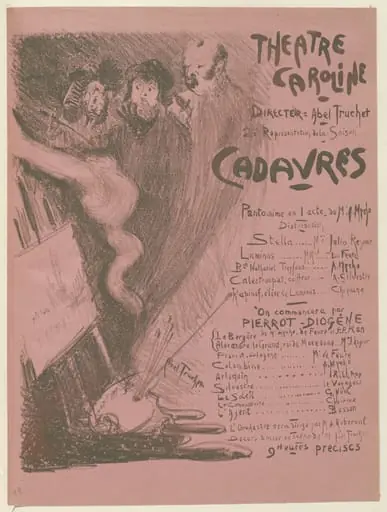
The image depicts a kneeling figure reaching toward a larger, ethereal form labeled 'Thermos,' who floats with arms raised. The scene suggests a moment of supplication or transcendence, aligning with Symbolist themes of spiritual yearning. The title *Thermos Victus*—Latin for 'the living heat'—hints at mythic or alchemical undertones, though the narrative remains deliberately ambiguous, inviting symbolic interpretation rather than literal storytelling.
Technique & Style
Executed in lithography, the work employs loose, gestural lines and minimal tonal shading, evoking the immediacy of a preparatory sketch. The background resembles a rough-hewn curtain, its uneven texture enhancing the dreamlike atmosphere. De Feure embraced the medium’s capacity for spontaneity, rejecting polished finishes in favor of expressive, hand-drawn energy that aligns with the aesthetic values of Symbolist printmaking.
History & Provenance
The lithograph was produced as part of a limited album commissioned to promote de Feure’s 1895 pantomime, *Thermos Victus*, performed in Paris. As both playwright and visual designer, he controlled the entire aesthetic, ensuring cohesion between text, image, and stage. The album’s rarity and personal nature suggest it was intended for patrons and peers rather than broad public distribution, preserving its intimate, artisanal character.
Context
Emerging in the 1890s, de Feure’s work responded to the broader Symbolist movement’s rejection of realism in favor of emotion and suggestion. His integration of theatrical design with graphic art mirrored contemporaneous efforts by artists like Mucha and Toulouse-Lautrec, though his approach remained more introspective. The lithograph reflects Parisian avant-garde circles where theater, poetry, and visual art converged in experimental collaborations.
Legacy
Though not widely exhibited during his lifetime, de Feure’s album contributed to the recognition of lithography as a legitimate medium for artistic expression beyond commercial use. His fusion of narrative ambiguity and decorative line influenced later Symbolist printmakers and designers. The work remains a quiet testament to the era’s interest in merging performance, myth, and visual poetry within intimate, handcrafted formats.
Artist & collection
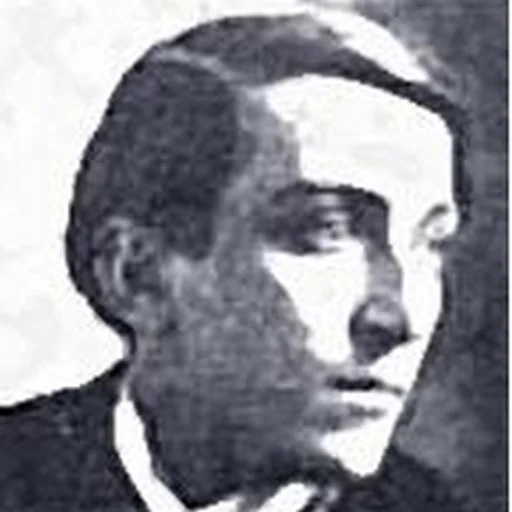
Artist
Georges de Feure (real name Georges Joseph van Sluijters; 6 September 1868 – 26 November 1943) was a French painter, theatrical designer, and industrial art designer in the symbolism and Art Nouveau styles.