Artwork
Landscape (recto) Two Views of Paris (verso)
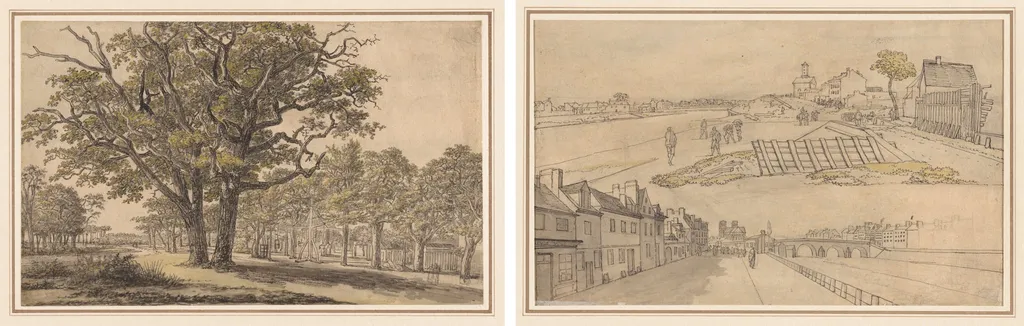
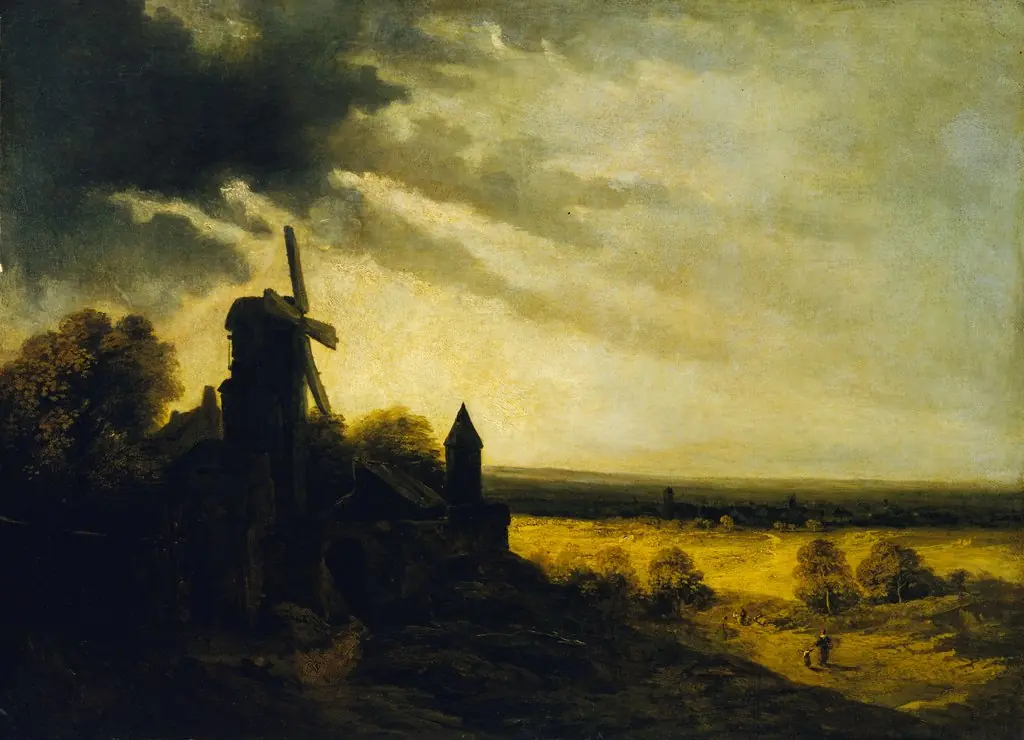
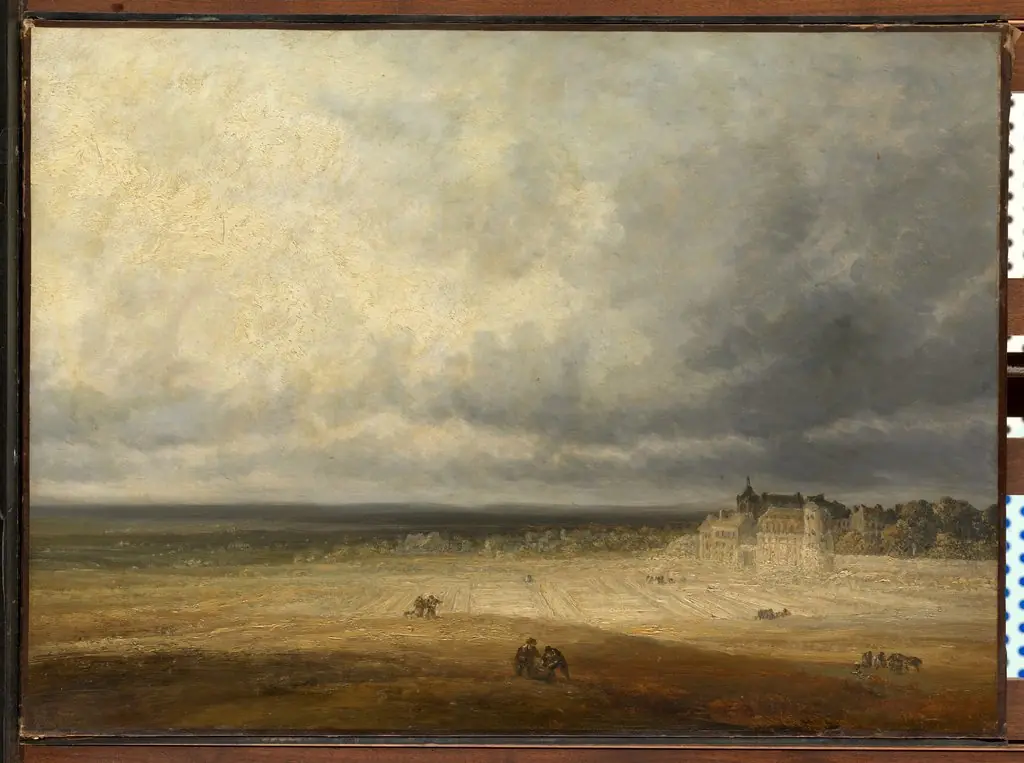
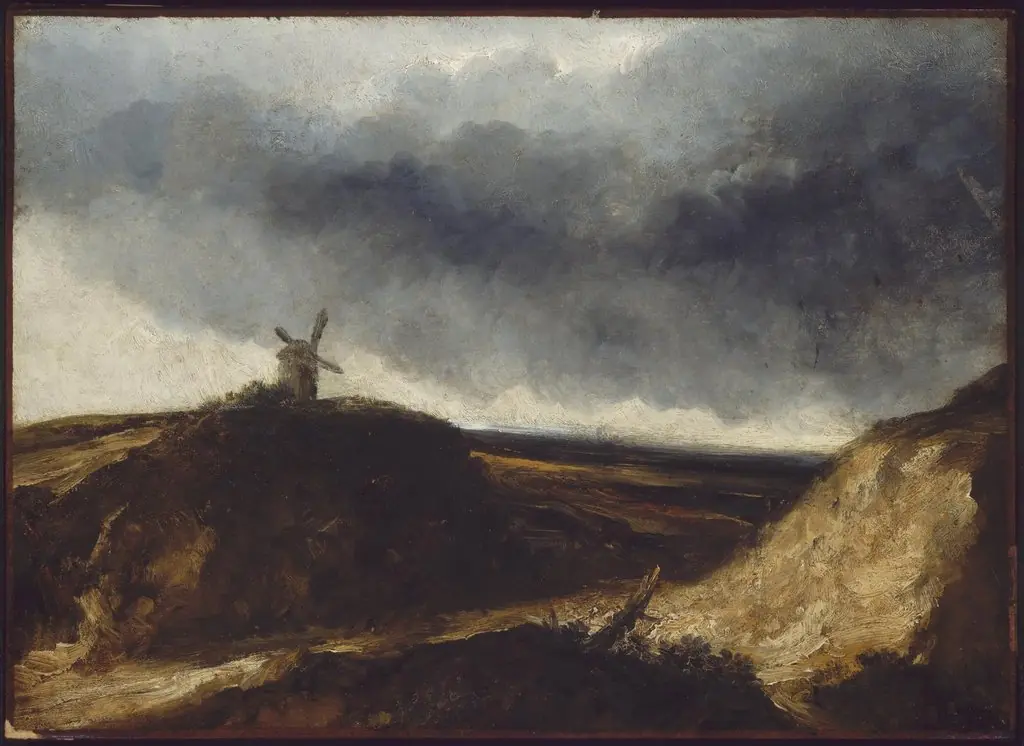
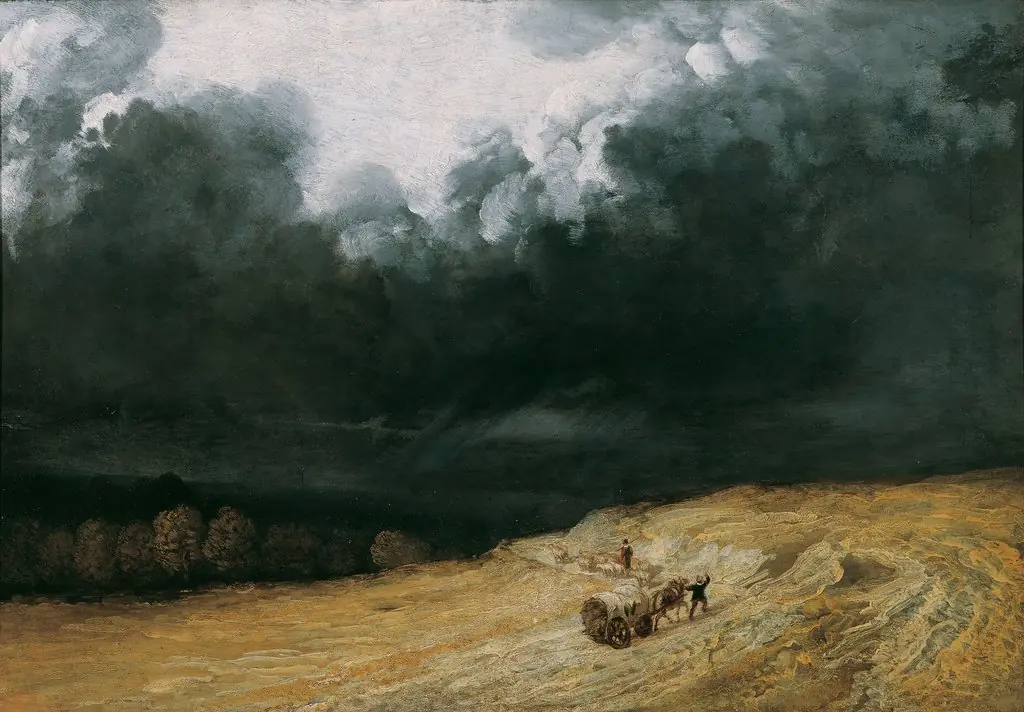
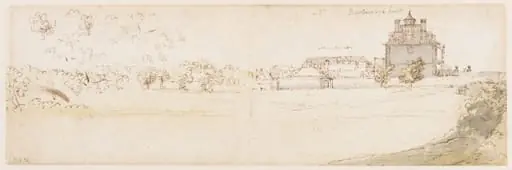
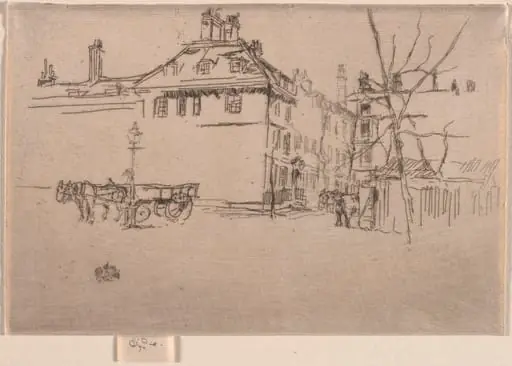
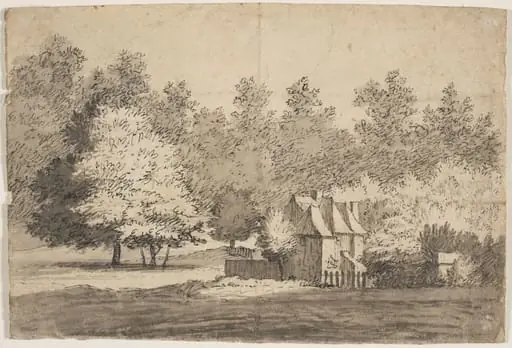
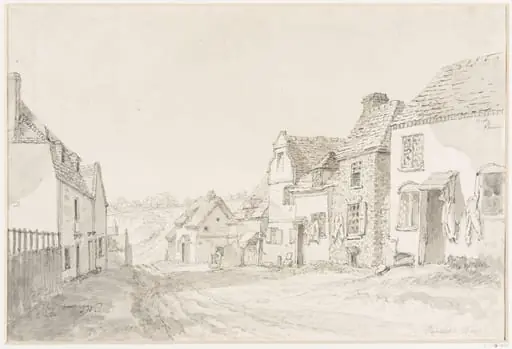
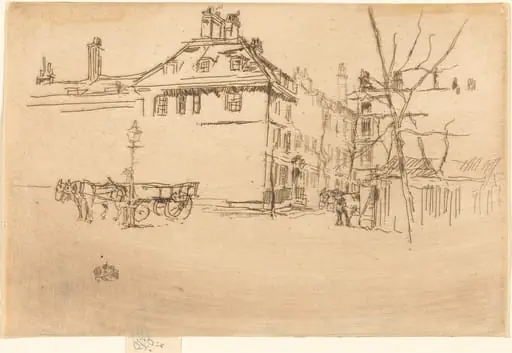
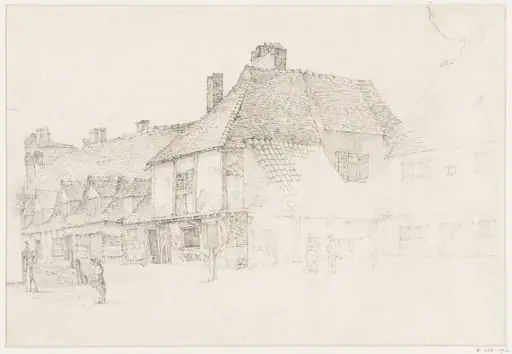
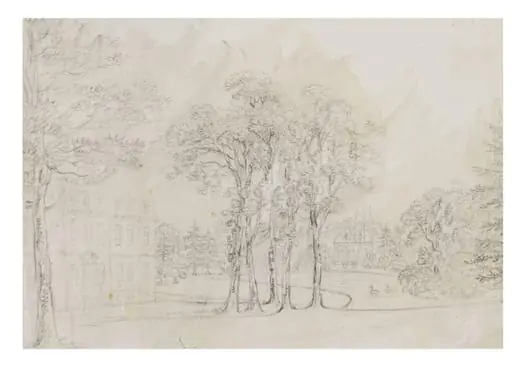
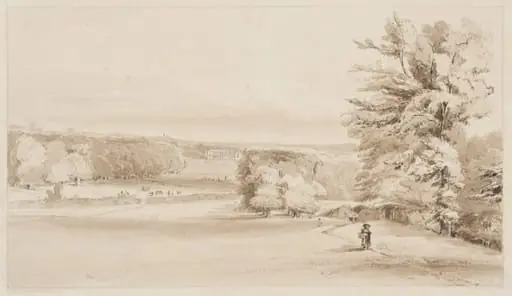
Landscape (recto) Two Views of Paris (verso) is a drawing by the Romanticist artist Georges Michel. It dates from 1804 and is held in the collection of the Cleveland Museum of Art. Created around 1804, this double-sided drawing by Georges Bernard Michel captures two quiet urban scenes in Paris.
About this work
Overview
One side presents a solitary tree along a path, while the reverse depicts a riverside street with modest buildings, a bridge, and pedestrians.
Created around 1804, this double-sided drawing by Georges Bernard Michel captures two quiet urban scenes in Paris. One side presents a solitary tree along a path, while the reverse depicts a riverside street with modest buildings, a bridge, and pedestrians. Executed in soft monochrome tones with subtle green accents, the work reflects Michel’s quiet observation of everyday surroundings. It resides in the collection of The Cleveland Museum of Art as an example of early 19th-century French topographical drawing.
Subject & Meaning
The two views offer unidealized glimpses of Parisian life beyond grand monuments. The lone tree suggests solitude and the passage of time, while the street scene with its humble dwellings and distant steeple conveys a sense of quiet routine. Neither image dramatizes its subject; instead, they honor the ordinary rhythms of the city. These sketches reveal Michel’s interest in the subtle beauty of unremarkable places, anticipating later movements that valued authenticity over spectacle.
Technique & Style
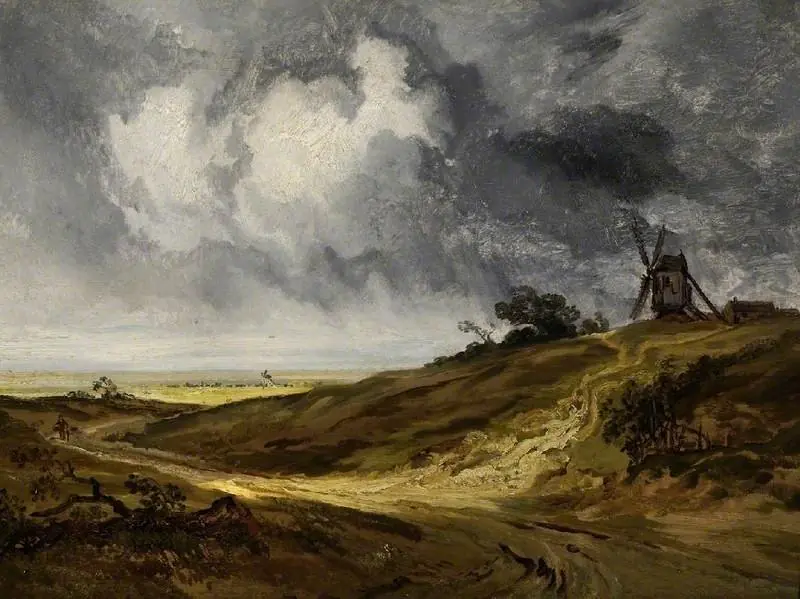
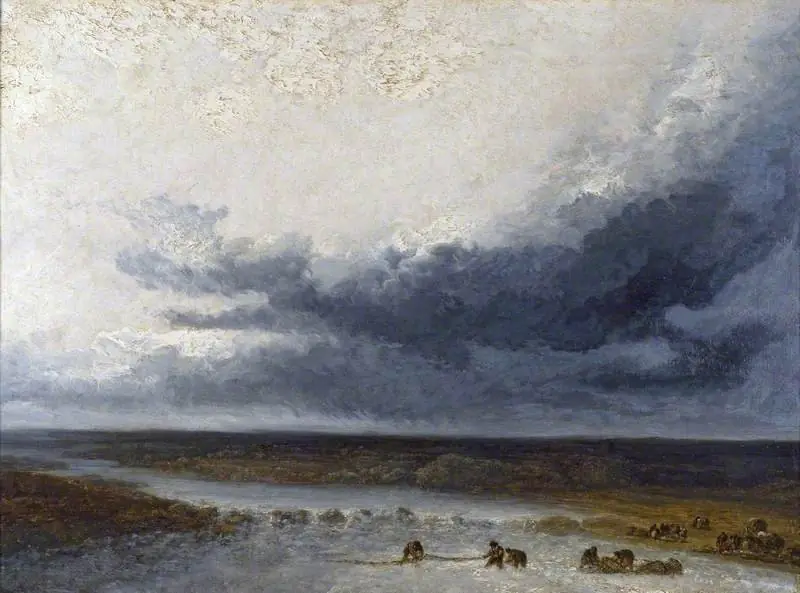
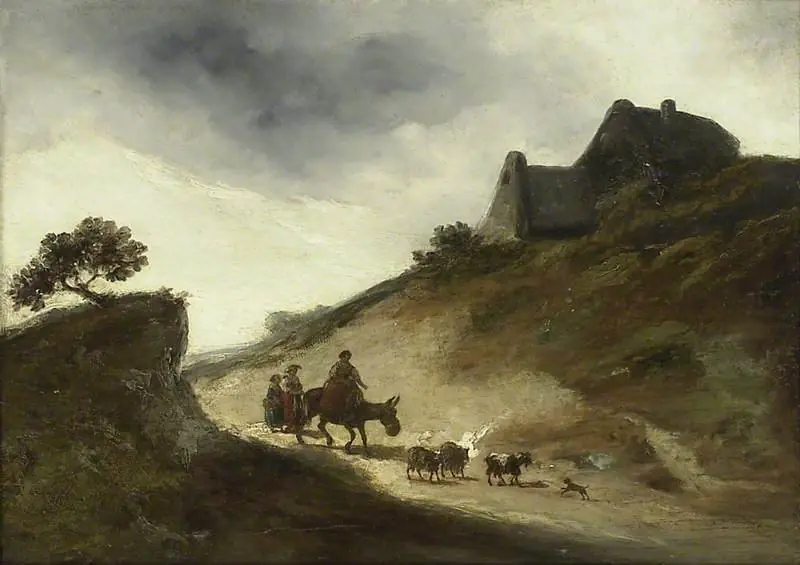
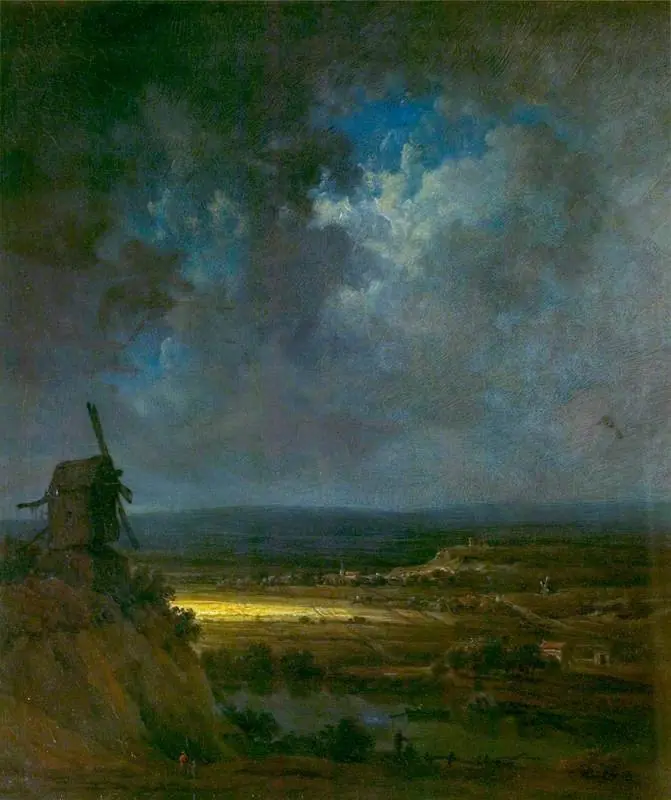
Michel employed delicate pencil lines and light washes to build form with minimal color, favoring grays and muted browns. Fine details—fence posts, window frames, individual figures—are rendered with precision but without flourish, lending the scenes a sense of immediacy. The composition avoids dramatic perspective, instead favoring a level, observational gaze. This restrained approach, focused on texture and atmosphere rather than grandeur, aligns with early naturalism in French landscape drawing.
History & Provenance
Georges Michel, active in Paris during the late 18th and early 19th centuries, produced numerous sketches and paintings of the city’s outskirts and rural environs. Though not widely celebrated in his lifetime, his work was recognized by later artists for its quiet realism. The drawing entered The Cleveland Museum of Art’s collection as part of a broader effort to document the evolution of French landscape traditions, particularly those that preceded the Barbizon School.
Context
In the years following the French Revolution, there was a growing interest in depicting the land as it was, not as it was idealized. Michel’s drawings emerged amid this shift, offering alternatives to academic history painting. His focus on modest urban and riverside views resonated with emerging sensibilities that valued personal observation over official narratives. His work laid subtle groundwork for artists who would later seek truth in nature and everyday life.
Legacy
Michel’s emphasis on unembellished scenes and intimate scale influenced later generations of French landscape artists, particularly those associated with the Barbizon School. Though he worked in isolation from formal groups, his commitment to observing the ordinary helped redefine the possibilities of landscape drawing. Today, his sketches are valued not for their novelty, but for their sincerity and quiet attention to the world as it appeared.
Artist & collection
Artist
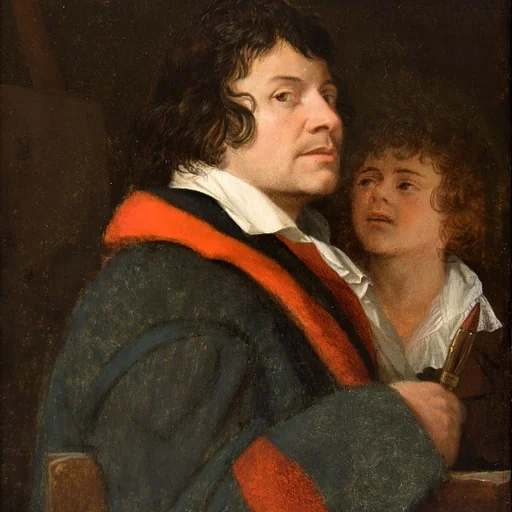
Georges Bernard Michel (12 January 1763, Paris – 8 June 1843, Paris) was a French landscape painter. His works are considered to be a precursor of the Barbizon School.