Artwork
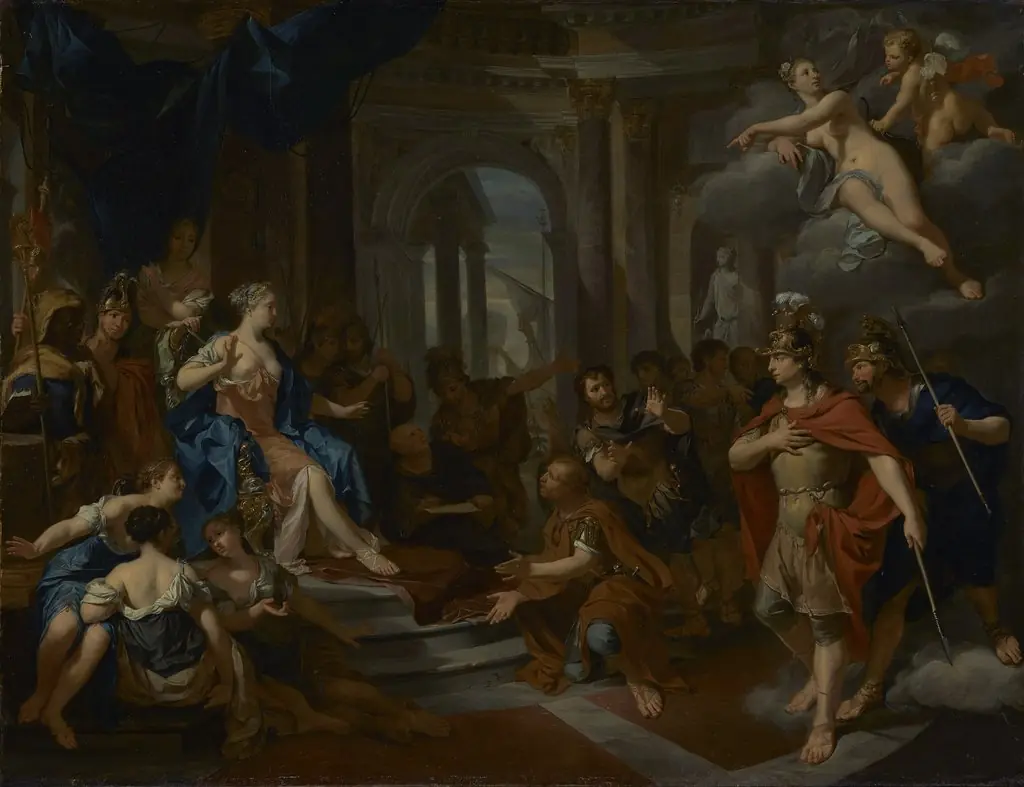
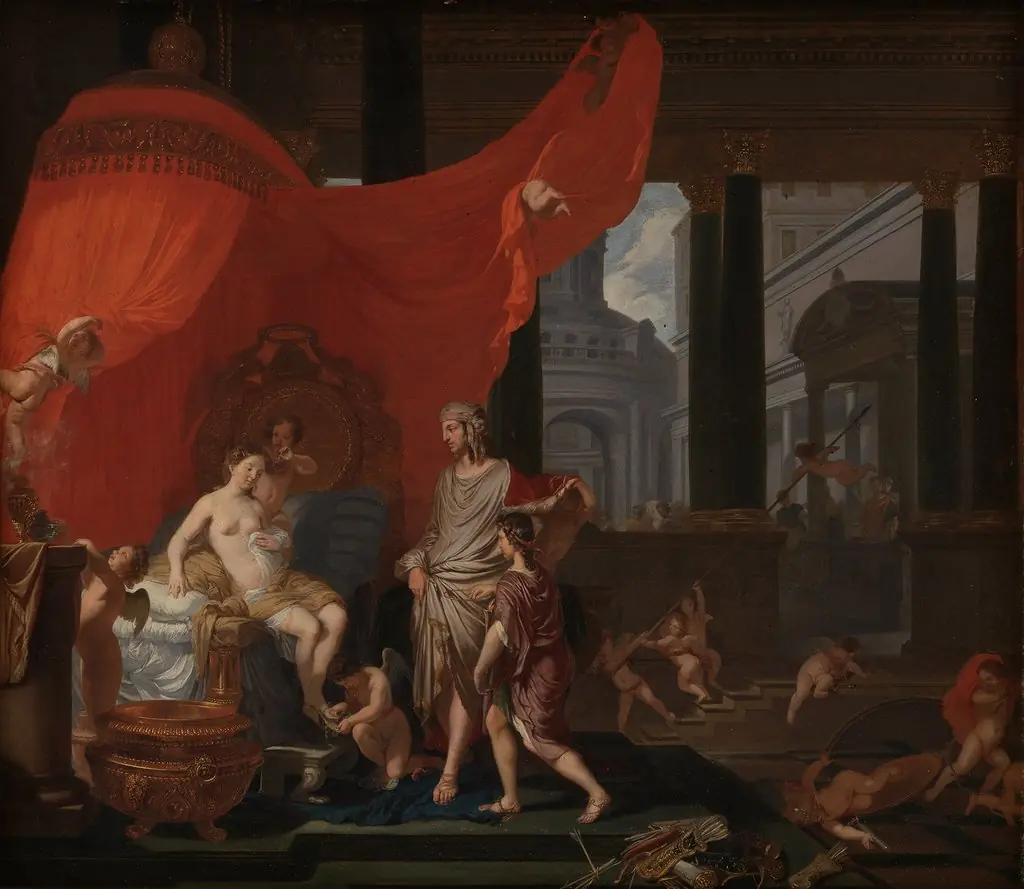
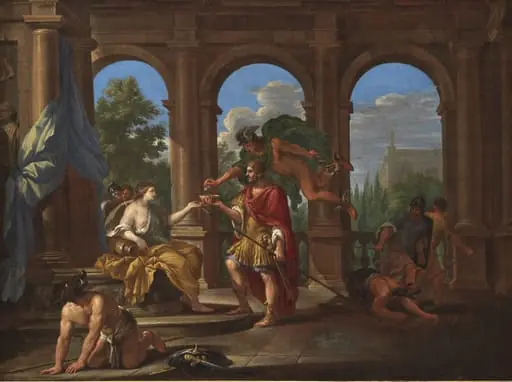
Hermes Ordering Calypso to Release Odysseus
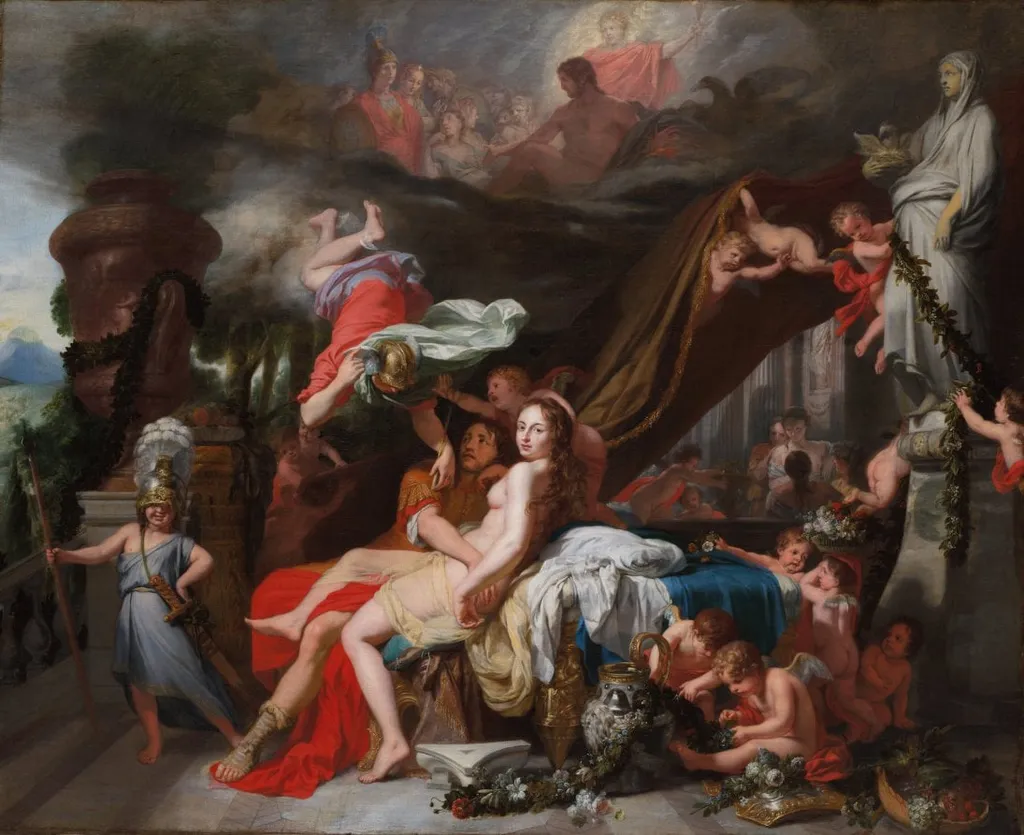
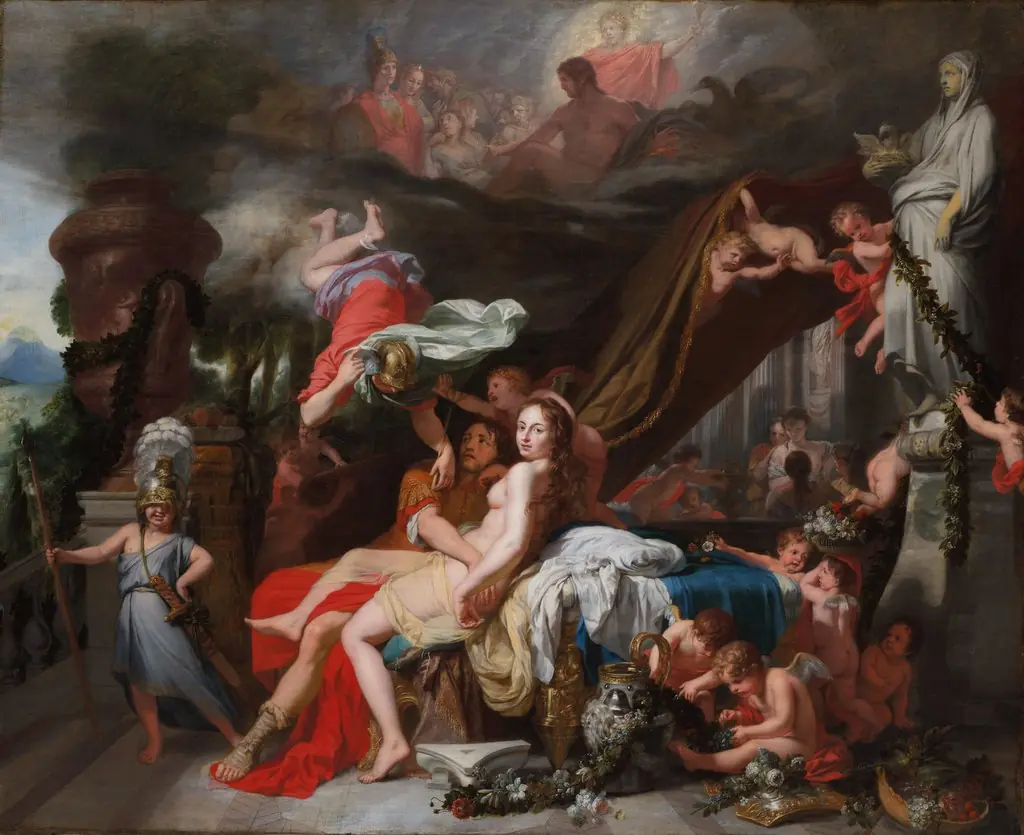
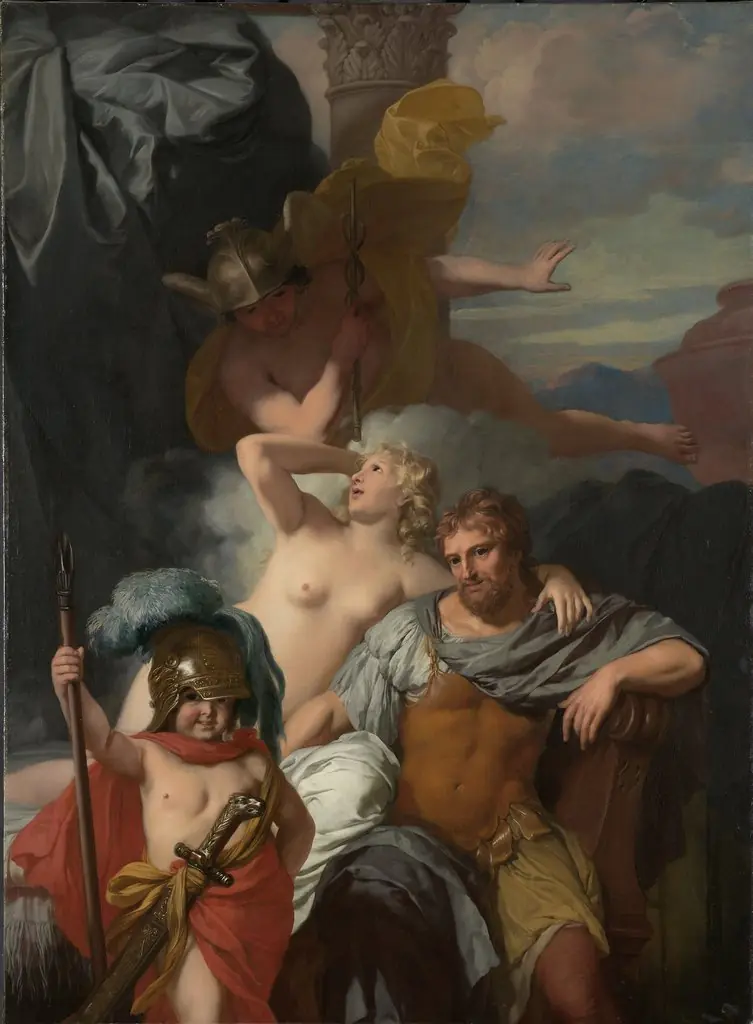
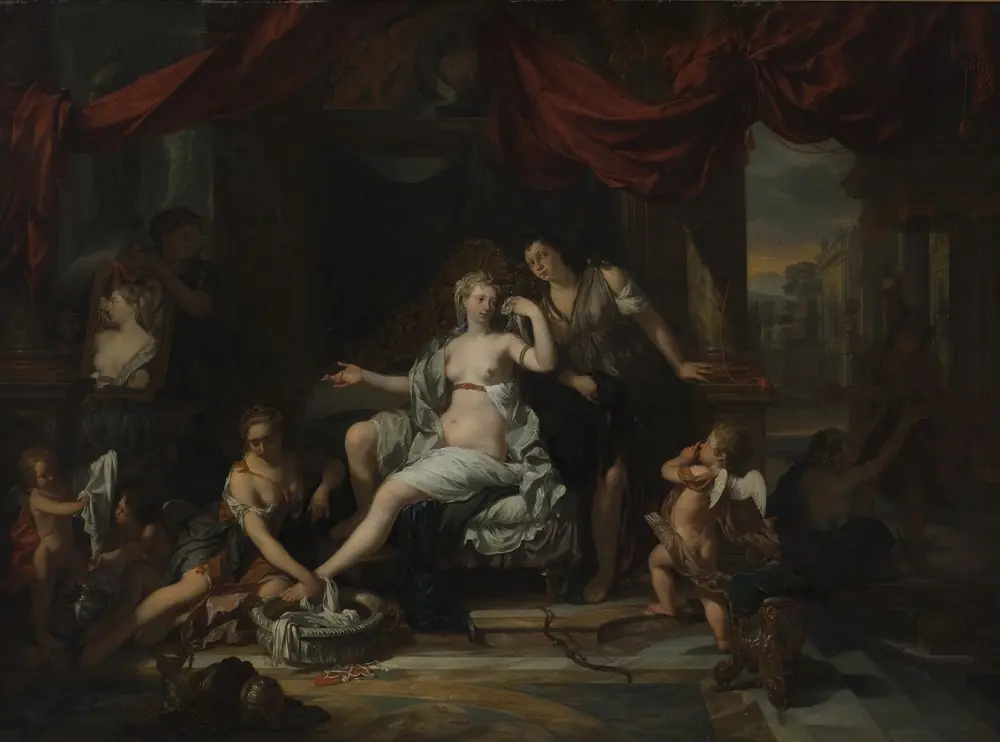
Hermes Ordering Calypso to Release Odysseus is an unspecified painting by the Baroque artist Gerard de Lairesse. It dates from 1670 and is held in the collection of the Cleveland Museum of Art.
About this work
Overview
The scene is rendered with formal clarity and restrained emotion, reflecting the artist’s classical ideals.
This painting depicts the moment the messenger god Hermes arrives at the island of Ogygia to command Calypso to release Odysseus, as recounted in Homer’s Odyssey. The scene is rendered with formal clarity and restrained emotion, reflecting the artist’s classical ideals. Unlike dramatic interpretations of the myth, the setting is an orderly, architectural grotto rather than a wild coastline, emphasizing structure over naturalism.
Subject & Meaning
The narrative centers on divine intervention: Hermes, sent by Zeus, delivers the gods’ decree that Odysseus must be allowed to return home. Calypso, though reluctant, is bound by higher authority. The embrace between her and Odysseus suggests emotional tension, yet his posture hints at resignation. The scene underscores themes of fate, duty, and the limits of mortal desire against divine will.
Technique & Style
The artist employs a composed, theatrical arrangement with balanced figures and clear spatial depth. Forms are defined by precise contours and muted color harmonies, avoiding theatrical flair. The grotto’s classical architecture—columns, urns, and smooth stone—creates a stage-like setting. This disciplined approach reflects the influence of French classicism and the artist’s preference for order over emotional intensity.
History & Provenance
Painted by Gerard de Lairesse, a Dutch artist trained in France and deeply influenced by Poussin, the work emerged during the late 17th century when classical themes were favored in Northern European art. De Lairesse’s style helped introduce French academic principles to the Netherlands. The painting’s provenance traces to Dutch collections of the period, reflecting its appeal to patrons who valued intellectual and mythological subjects.
Context
In the Dutch Republic, mythological painting was often used to convey moral or philosophical ideas rather than mere decoration. De Lairesse’s reinterpretation of Homer’s wild island as a cultivated grotto aligns with contemporary tastes for rational order and architectural harmony. This adaptation reflects broader cultural values of the time, where classical antiquity was filtered through Enlightenment ideals of clarity and restraint.
Legacy
De Lairesse’s approach influenced Dutch classicism by bridging French academic traditions with Northern European sensibilities. His emphasis on compositional balance and narrative restraint became a model for later artists seeking to elevate mythological subjects through intellectual discipline. Though less celebrated today, his work contributed to the formal language of classical painting in the Low Countries during the Baroque era.
Artist & collection
Artist
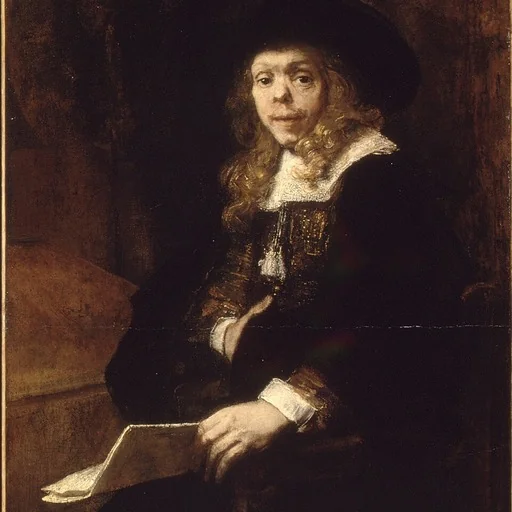
Gerard or Gérard (de) Lairesse (French pronunciation: ; 11 September 1641 – June 1711) was a Dutch Golden Age painter and art theorist.