Artwork
Hercules and Omphale
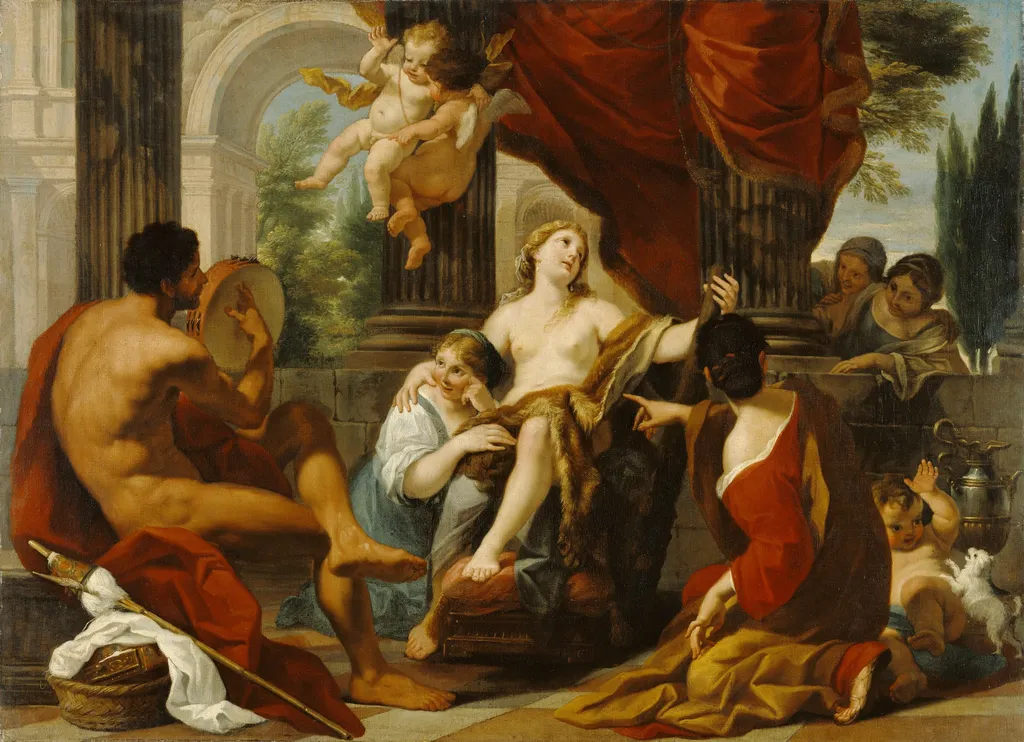
Hercules and Omphale is an oil painting by the Early Baroque Italian artist Luigi Garzi. It dates from 1705 and is held in the collection of the J. Paul Getty Museum.
About this work
Overview
Paul Getty Museum’s collection and illustrates a mythological episode in which the hero Hercules, temporarily subdued, serves the Lydian queen Omphale.
Luigi Garzi, an Italian painter active in the late 17th and early 18th centuries, completed *Hercules and Omphale* in 1705. Working within the Baroque tradition, he drew inspiration from Bolognese painters like Guido Reni. The work is part of the J. Paul Getty Museum’s collection and illustrates a mythological episode in which the hero Hercules, temporarily subdued, serves the Lydian queen Omphale. The scene blends classical narrative with the ornamental sensibility of the period.
Subject & Meaning
The painting captures Hercules in a moment of role reversal, stripped of his usual martial identity and engaged in domestic tasks. He sits passively, holding a drum, while Omphale, adorned in luxurious fur, gestures authoritatively. The presence of attendants and a child suggests a courtly setting, reinforcing themes of power inversion and the blurring of gendered roles in myth. The cherub above may symbolize the playful or capricious nature of fate.
Technique & Style
Garzi employed warm, luminous tones—reds, ochres, and golds—to create a sense of intimacy and festivity. The figures are rendered with soft modeling and fluid drapery, reflecting the influence of Guido Reni’s elegant linearity. The architectural backdrop of stone arches grounds the scene in a tangible space, while the delicate handling of light enhances the theatricality without overt drama. Brushwork remains refined, avoiding the exuberance of later Baroque styles.
History & Provenance
Painted in 1705, the work entered the J. Paul Getty Museum’s collection through documented acquisitions in the 20th century. Little is known of its immediate post-creation history, but its survival suggests it was valued by private collectors in Italy or beyond. Garzi’s reputation as a decorative painter for Roman churches and aristocratic patrons likely contributed to its preservation and eventual institutional acquisition.
Context
In early 18th-century Italy, mythological subjects remained popular among patrons seeking refined cultural allusions. Hercules’ subjugation to Omphale was a favored trope, symbolizing the vulnerability of strength to desire or folly. Garzi’s treatment aligns with a broader trend of depicting myth with psychological nuance and domestic intimacy, moving away from heroic grandeur toward more humanized narratives.
Legacy
Though Garzi is not among the most widely studied Baroque figures, *Hercules and Omphale* exemplifies the quiet sophistication of Roman painting in the decades after the High Baroque. Its preservation in a major museum ensures continued scholarly attention, offering insight into how classical myths were reinterpreted in a period transitioning from religious to secular patronage.
Own this work as a print
Artist & collection
Artist
Luigi Garzi (1638–1721) was an Italian painter of the Baroque period whose style was strongly influenced by the work of the Bolognese painter Guido Reni.

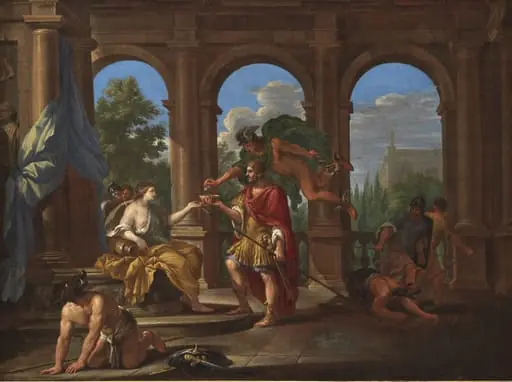 Circe and Ulysses
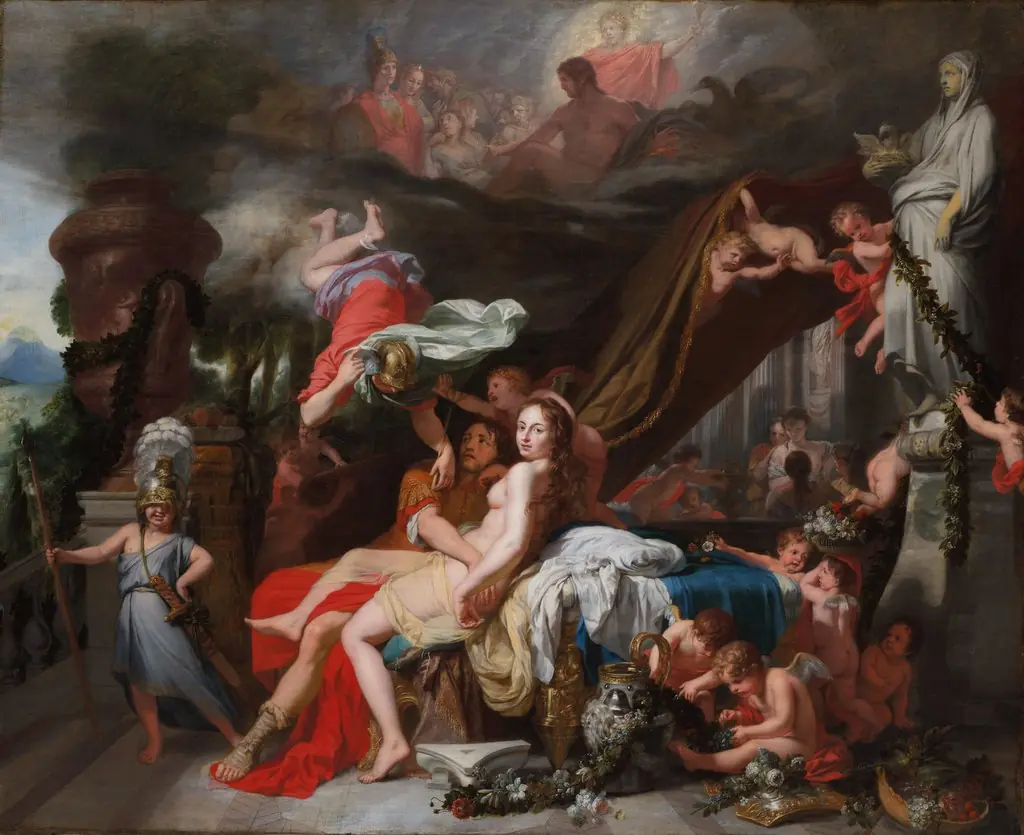 Hermes Ordering Calypso to Release Odysseus
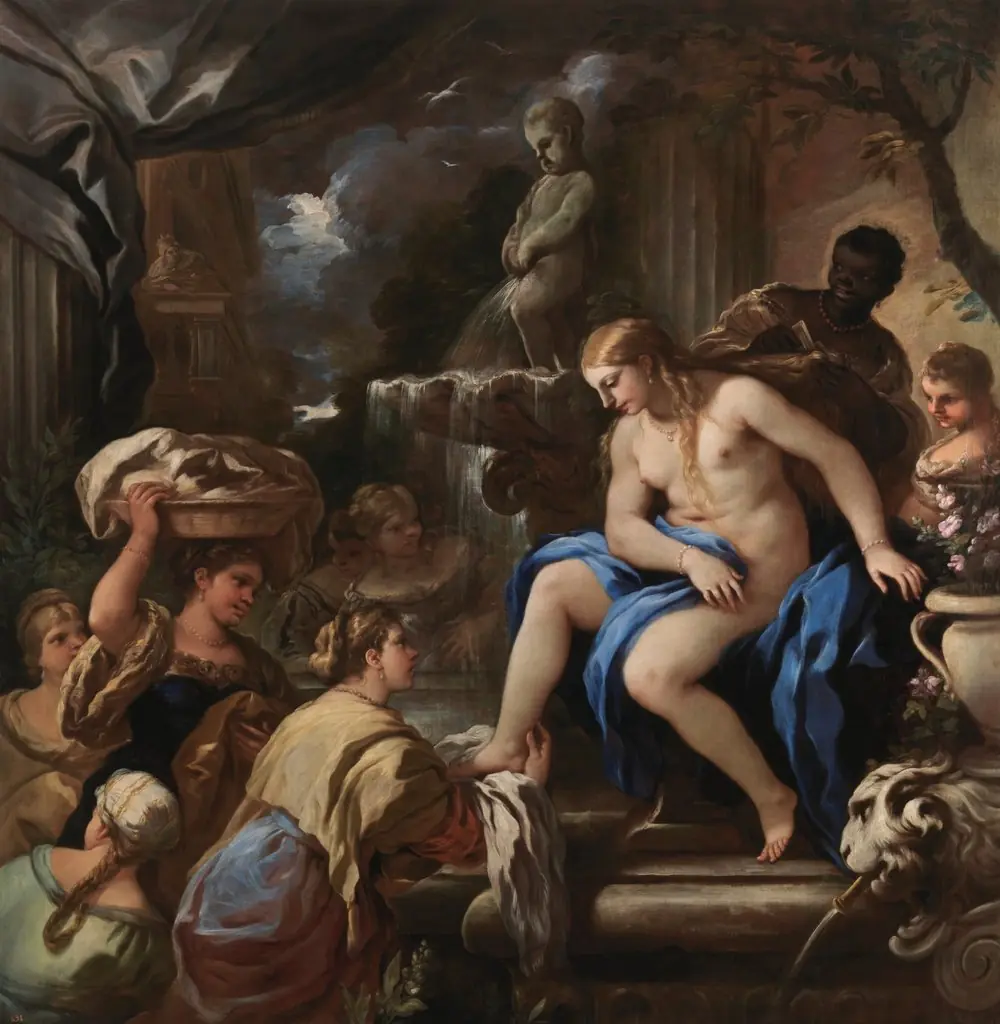 Bethsabé en el baño
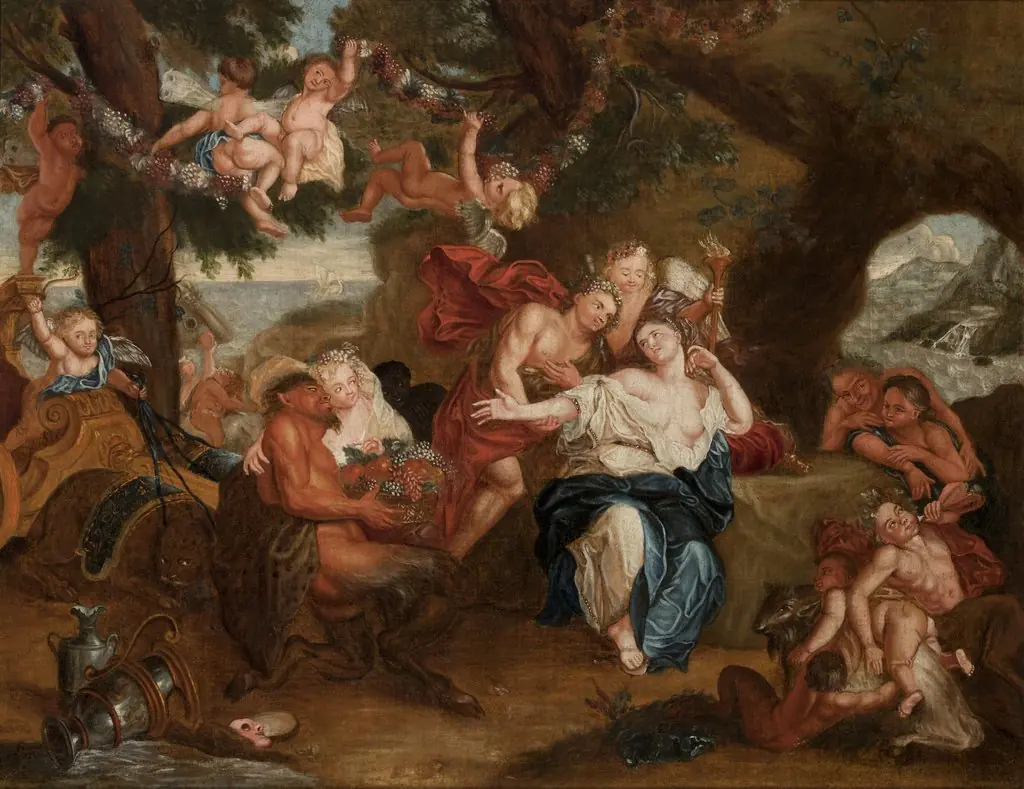 Bacchus and Ariadne on the Island of Naxos
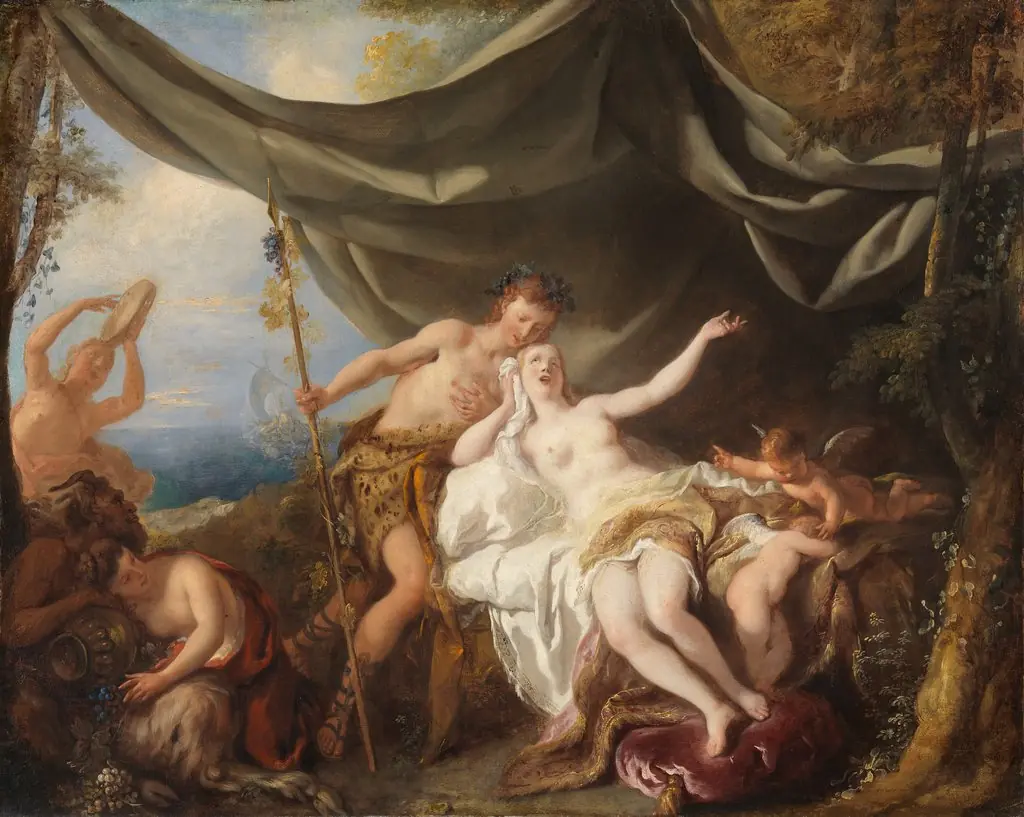 Bacchus and Ariadne
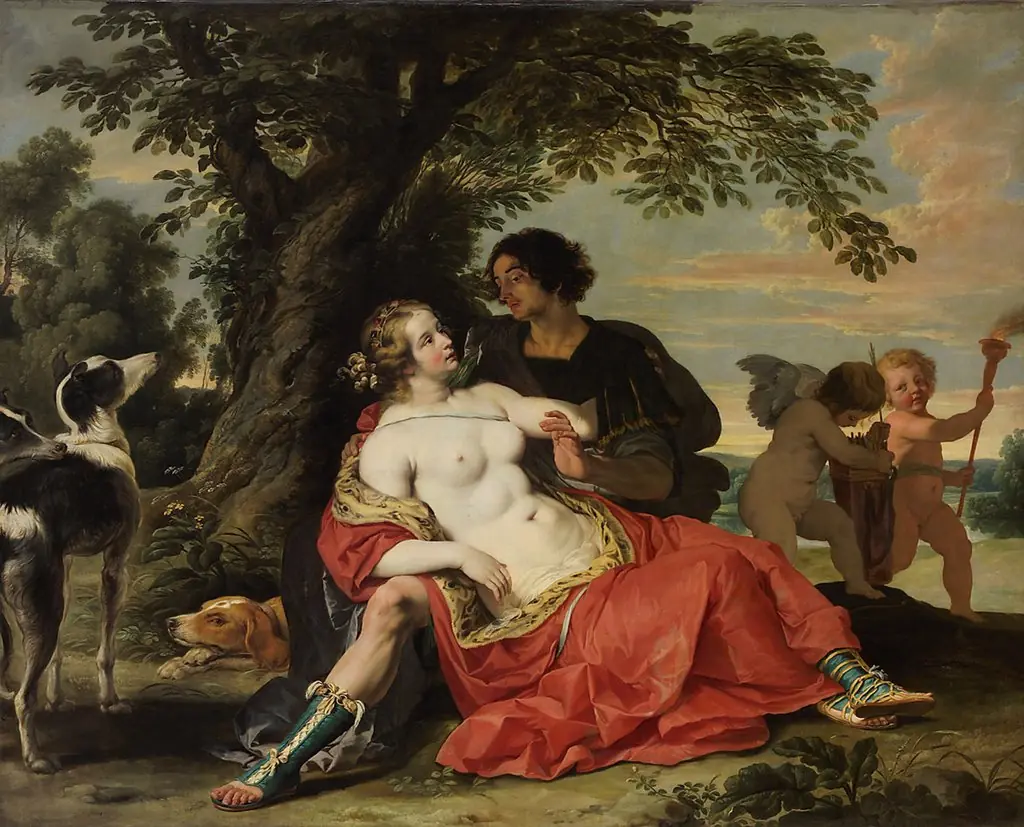 Venus   and  Adonis
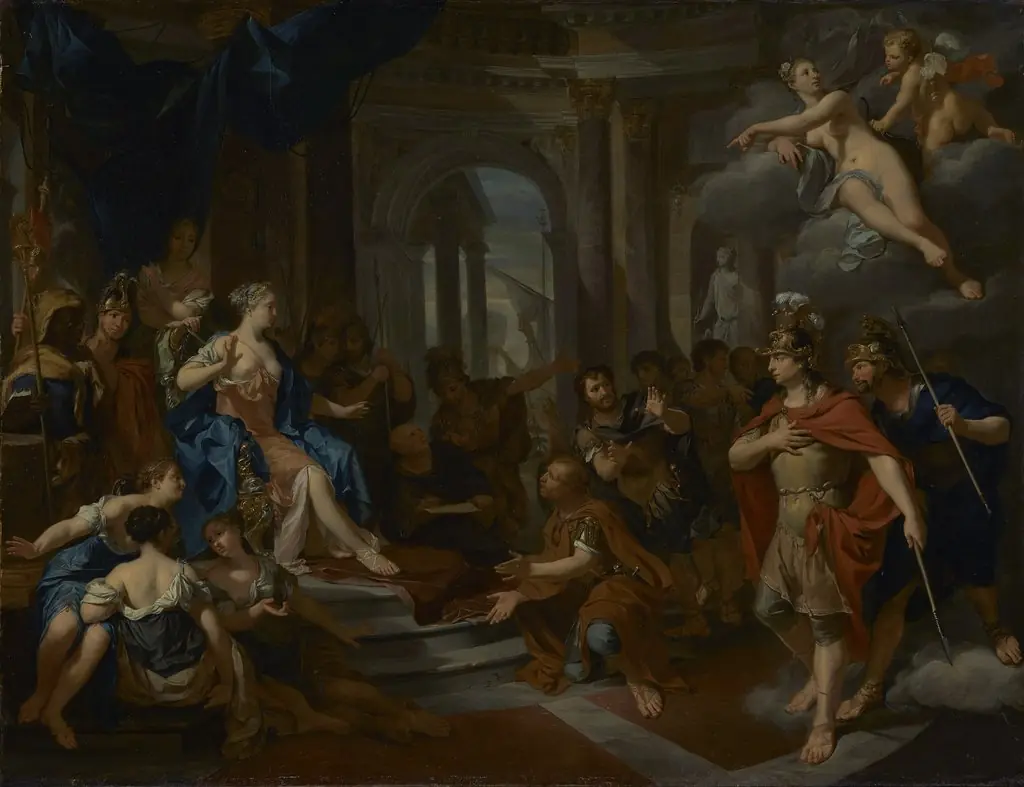 Dido and Aeneas
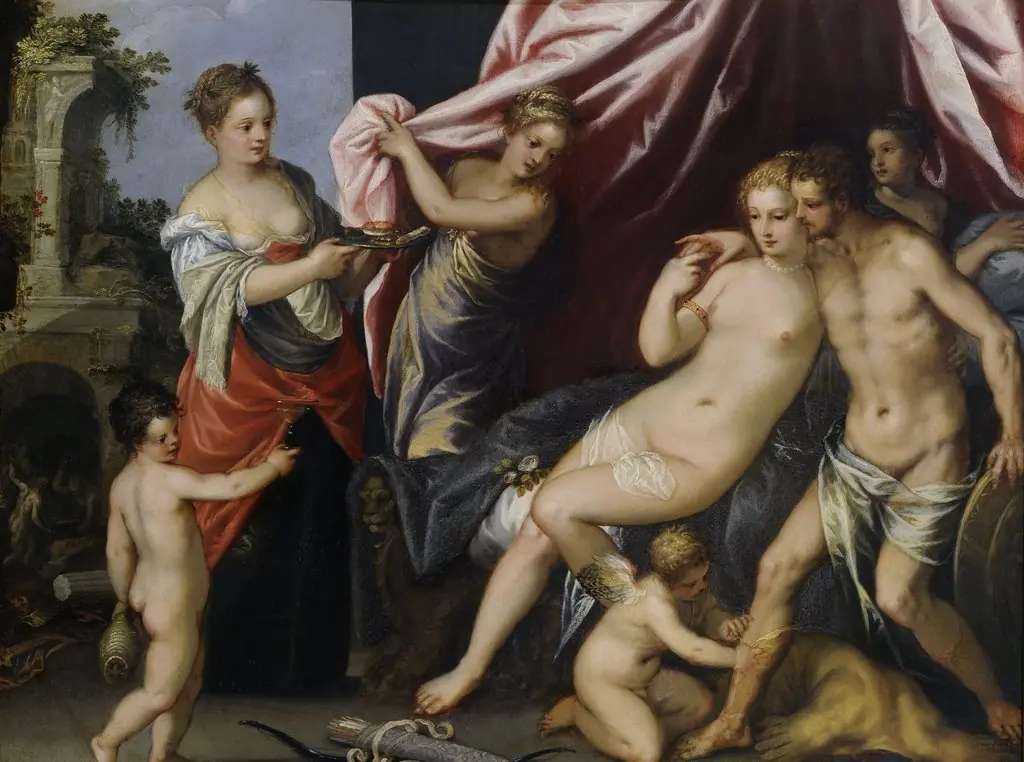 Venus and Mars
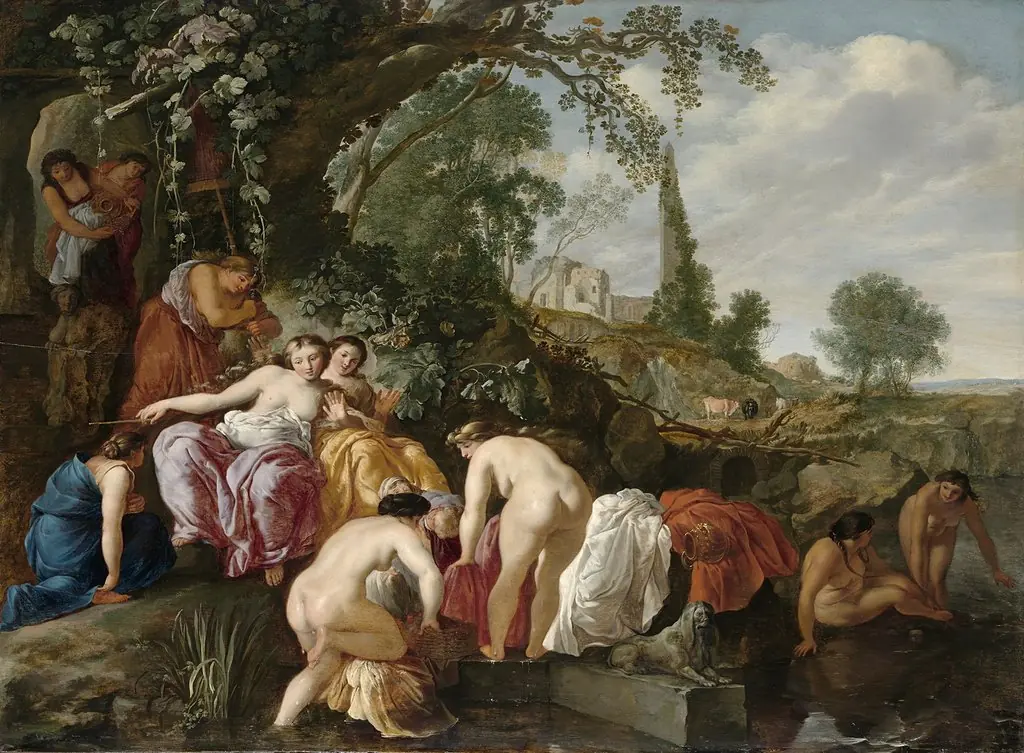 The Finding of Moses
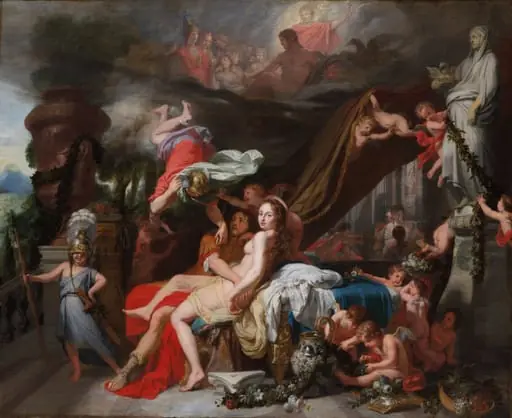 Hermes Ordering Calypso to Release Odysseus
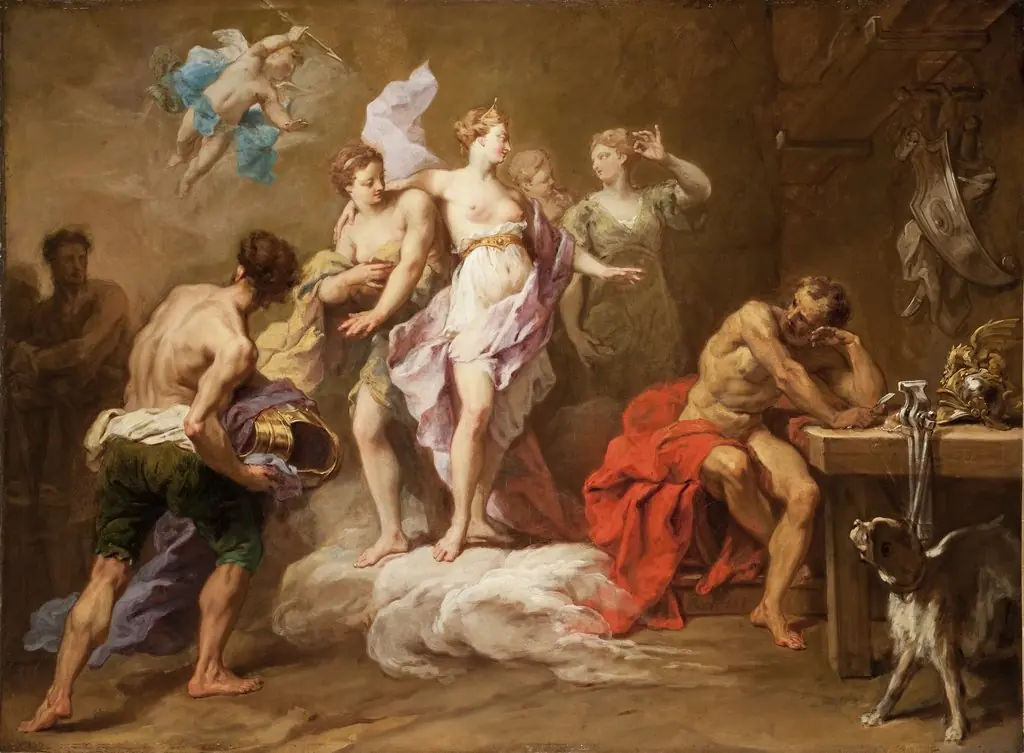 Venus Ordering Arms from Vulcan for Aeneas
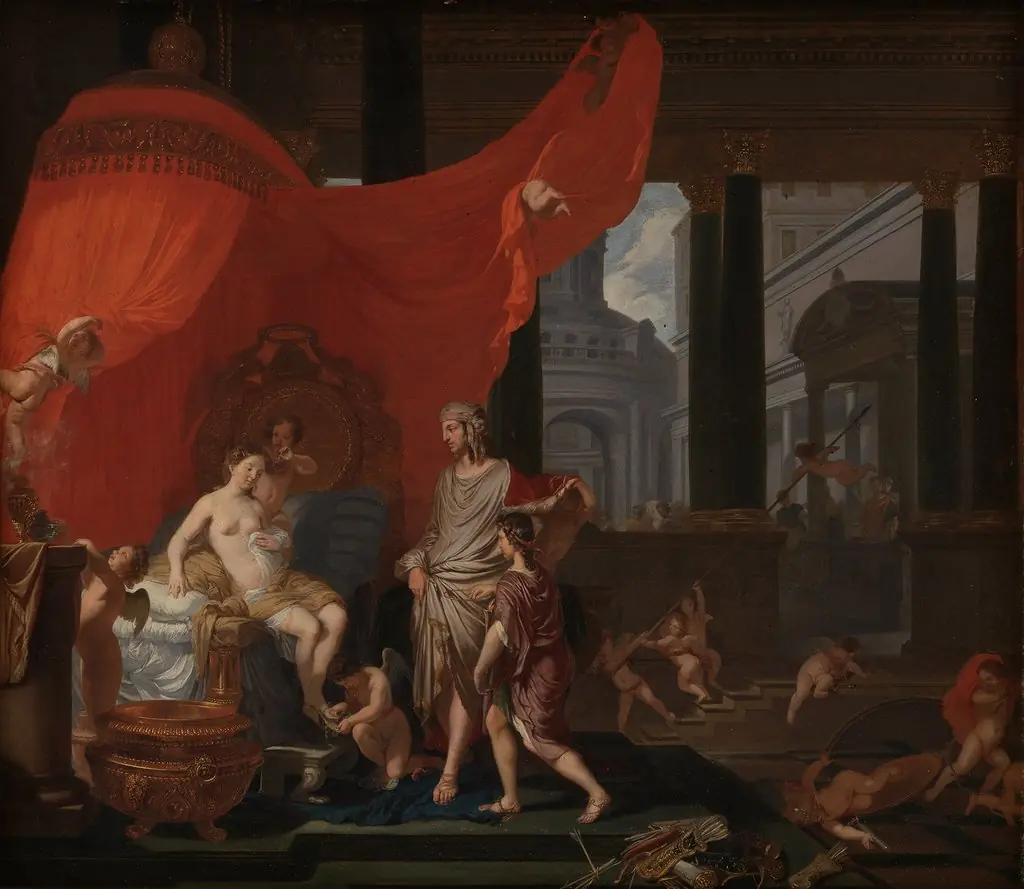 The Wedding of Alexander and Roxana