Artwork
Venus dormind
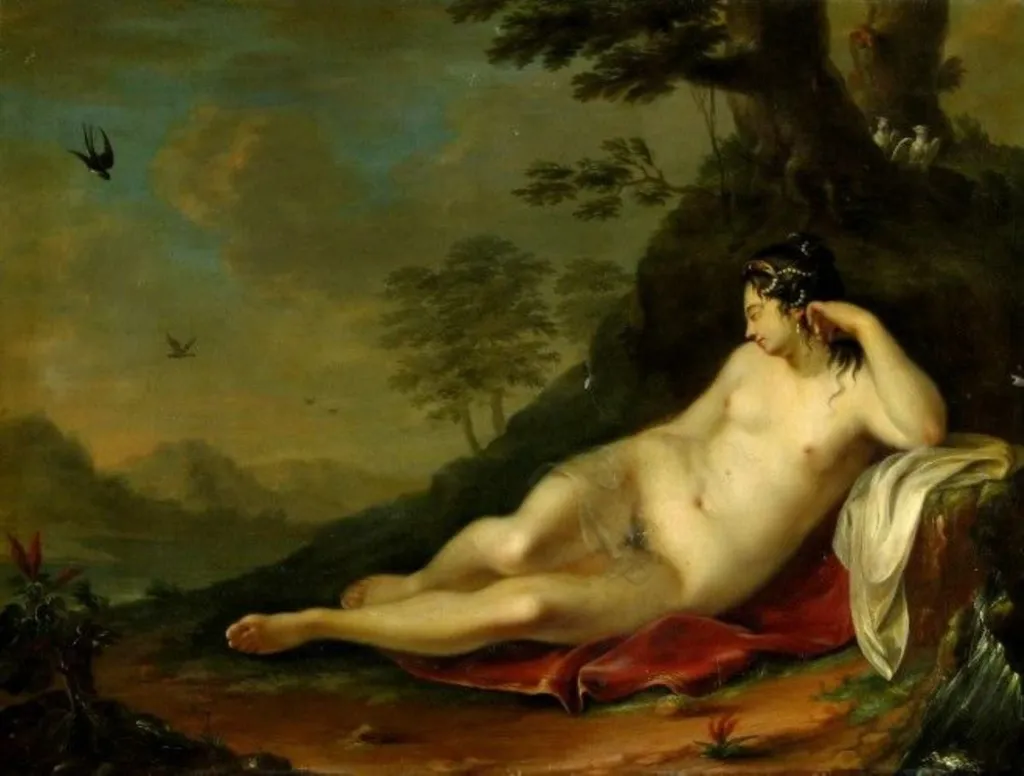
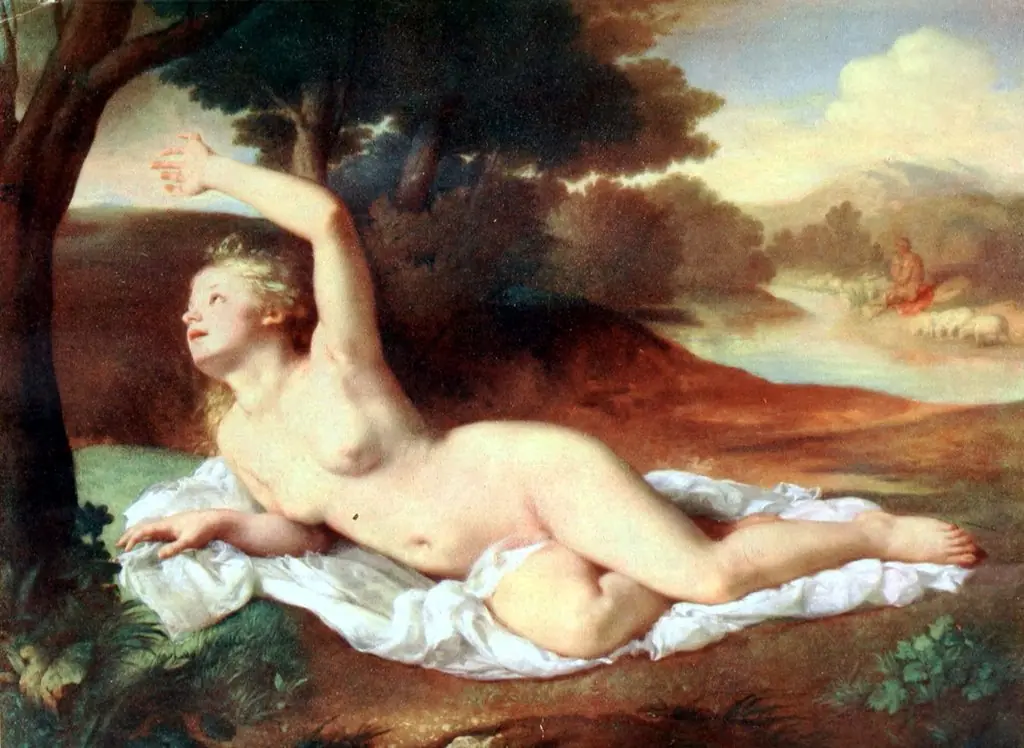
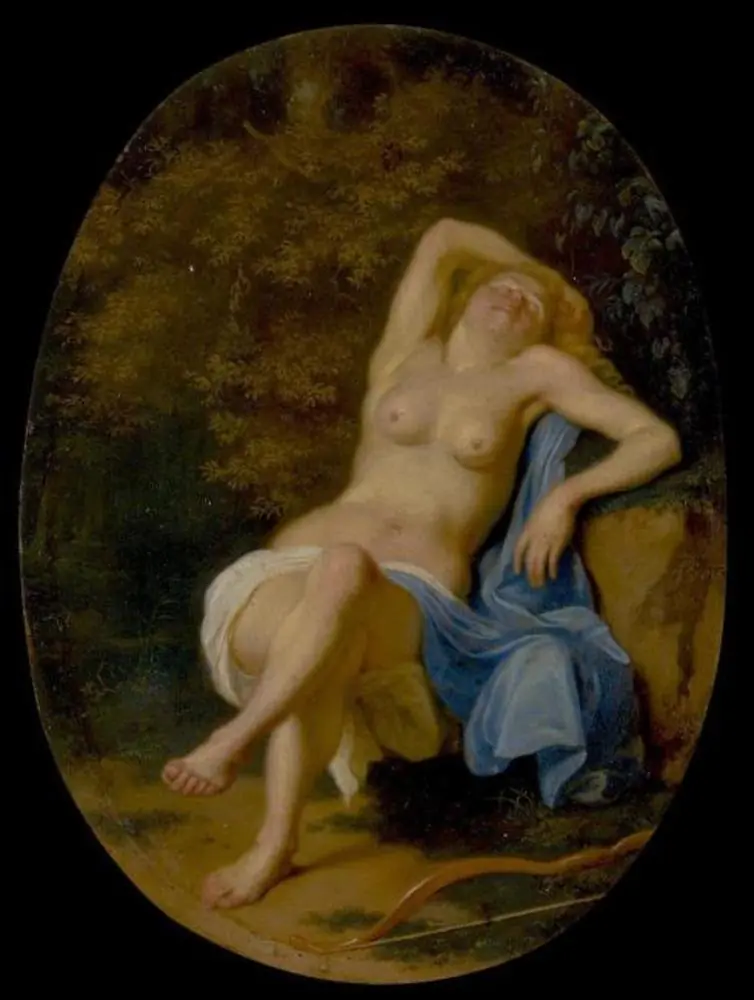
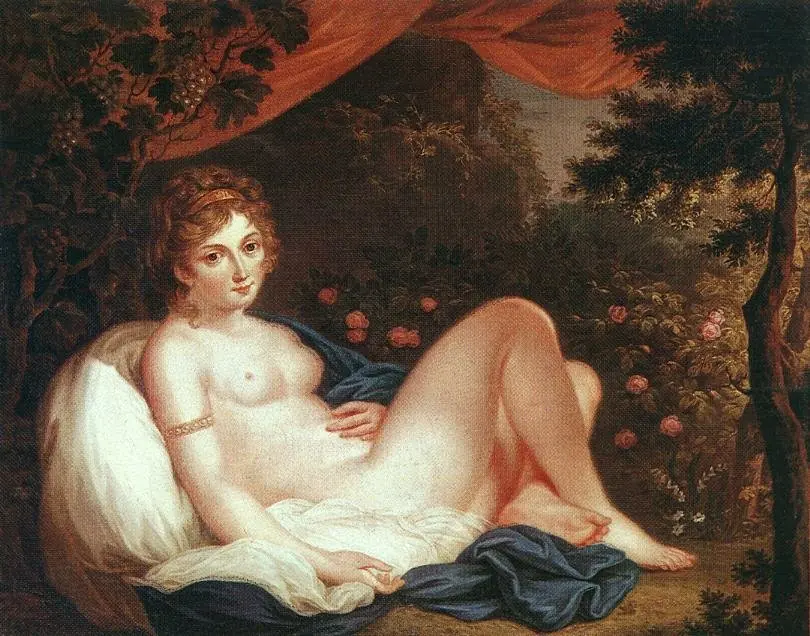
Venus dormind is an unspecified painting by the Baroque artist Johann Friedrich Gerard (Gerhard). It is held in the collection of the Brukenthal National Museum. This mythological painting by Johann Friedrich Gerhard depicts Venus in a state of repose, rendered with quiet intimacy.
About this work
Overview
This mythological painting by Johann Friedrich Gerhard depicts Venus in a state of repose, rendered with quiet intimacy. The figure lies on a richly colored cloth amid a natural setting, her posture suggesting both ease and idealized grace. The composition avoids dramatic action, focusing instead on stillness and the subtle interplay of light and form to evoke a contemplative mood.
Subject & Meaning
The figure represents Venus, the Roman goddess of love, portrayed not in narrative action but in private slumber. Her reclining form, framed by nature, aligns with classical traditions that associate the goddess with harmony and the natural world. The absence of mythological attributes or companions shifts emphasis to her serene humanity, inviting reflection on beauty as a quiet, internal state.
Technique & Style
Gerhard employs chiaroscuro to model the figure with soft, gradual transitions between light and shadow, enhancing the tactile quality of skin and fabric.
Gerhard employs chiaroscuro to model the figure with soft, gradual transitions between light and shadow, enhancing the tactile quality of skin and fabric. The warm palette—dominated by russet, gold, and olive tones—unifies the scene, while delicate brushwork in the foliage and sky suggests atmospheric depth. Birds in flight add subtle motion, contrasting the stillness of the central figure without disrupting the calm.
History & Provenance
The painting is attributed to Johann Friedrich Gerhard, a lesser-known German artist active in the late 18th century. Its origins are tied to private collections in southern Germany, though its early ownership records remain incomplete. It was likely commissioned or acquired by a patron interested in mythological themes rendered with restrained elegance, reflecting regional tastes of the period.
Context
Created during a time when Neoclassicism influenced European art, the work aligns with a broader trend of idealizing classical subjects through intimate, non-narrative scenes. Unlike grand historical paintings, this piece reflects a quieter aesthetic—emphasizing mood over drama—consistent with emerging sensibilities that valued personal reflection and natural harmony in art.
Legacy
Though not widely exhibited or reproduced, the painting contributes to the understudied corpus of German mythological art from the late Enlightenment. Its quiet composition offers a counterpoint to more theatrical treatments of Venus, preserving a moment of contemplative stillness that resonates with later 19th-century approaches to the female form in domestic or natural settings.
Artist & collection
Artist
Johann Friedrich Gerard (Gerhard)
This Dutch painter from the 1700s made quiet scenes of classical gods and goddesses lounging around.