Artwork
Woman Bathing
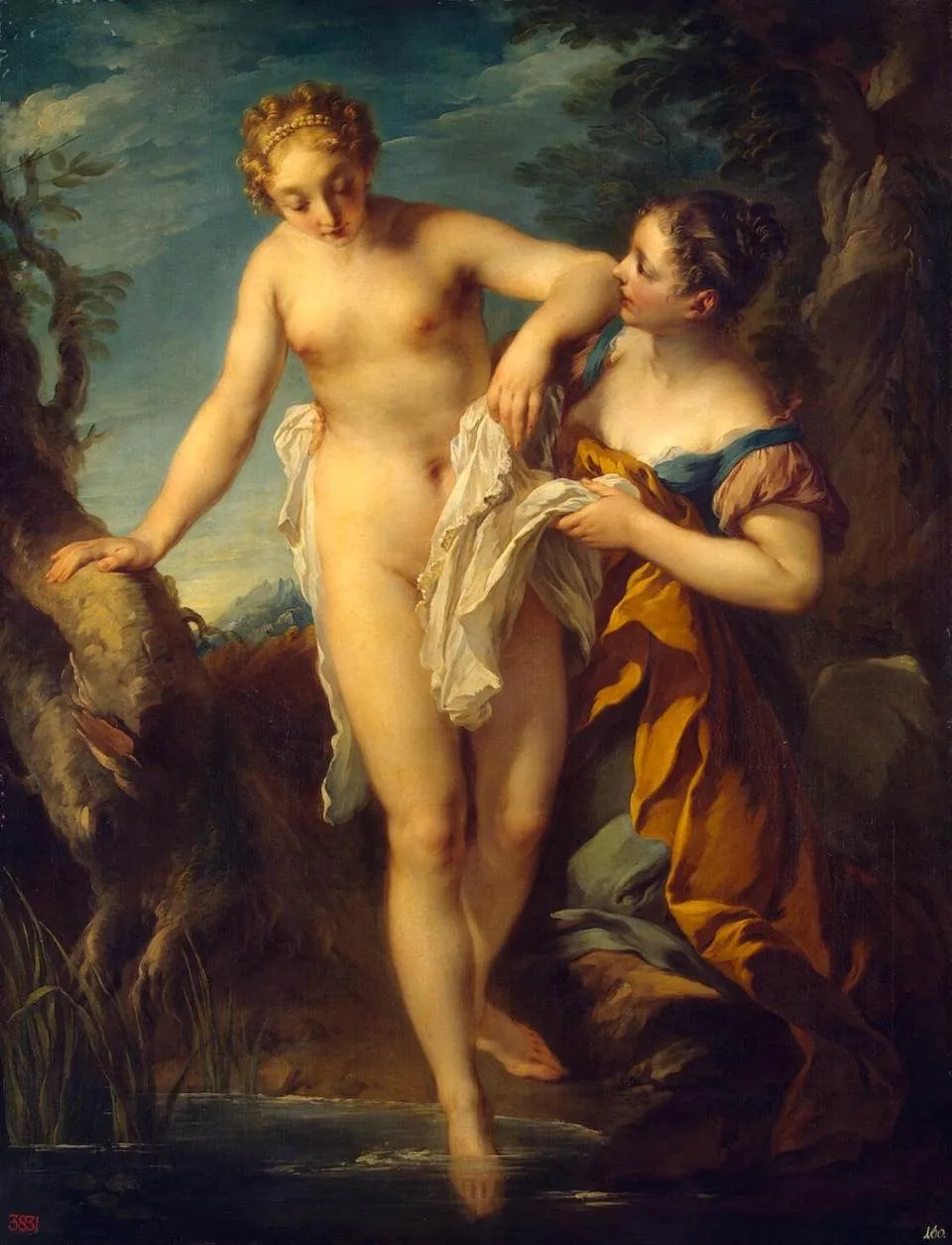
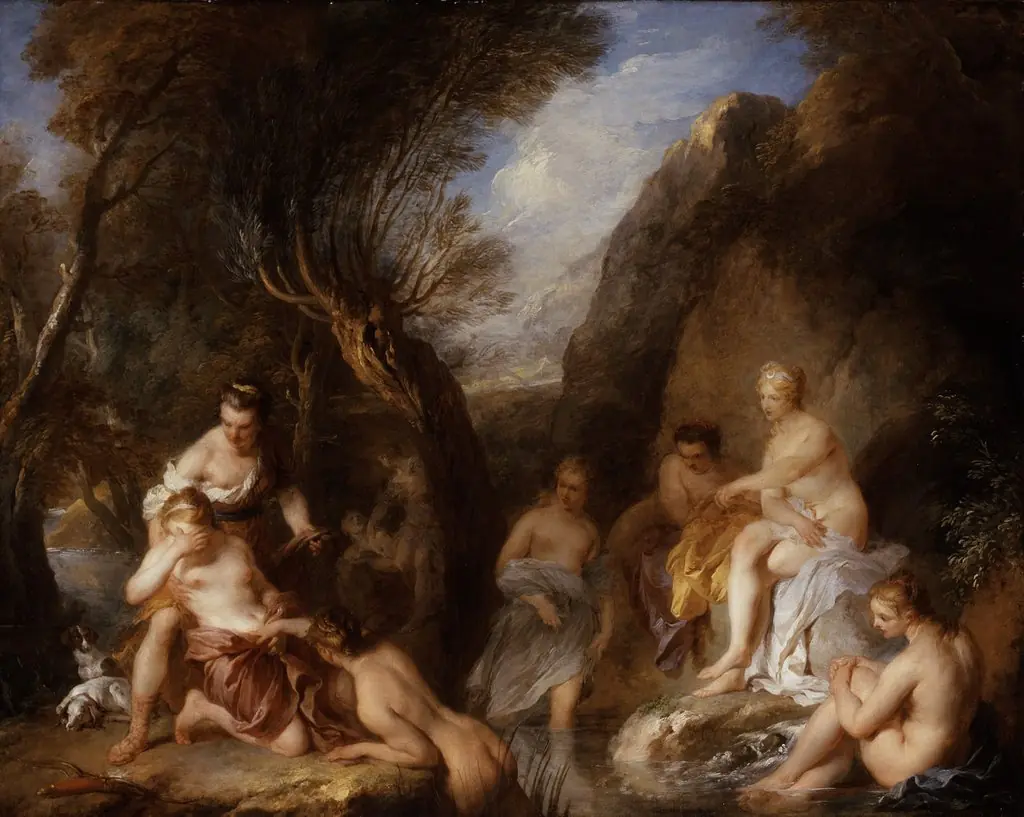
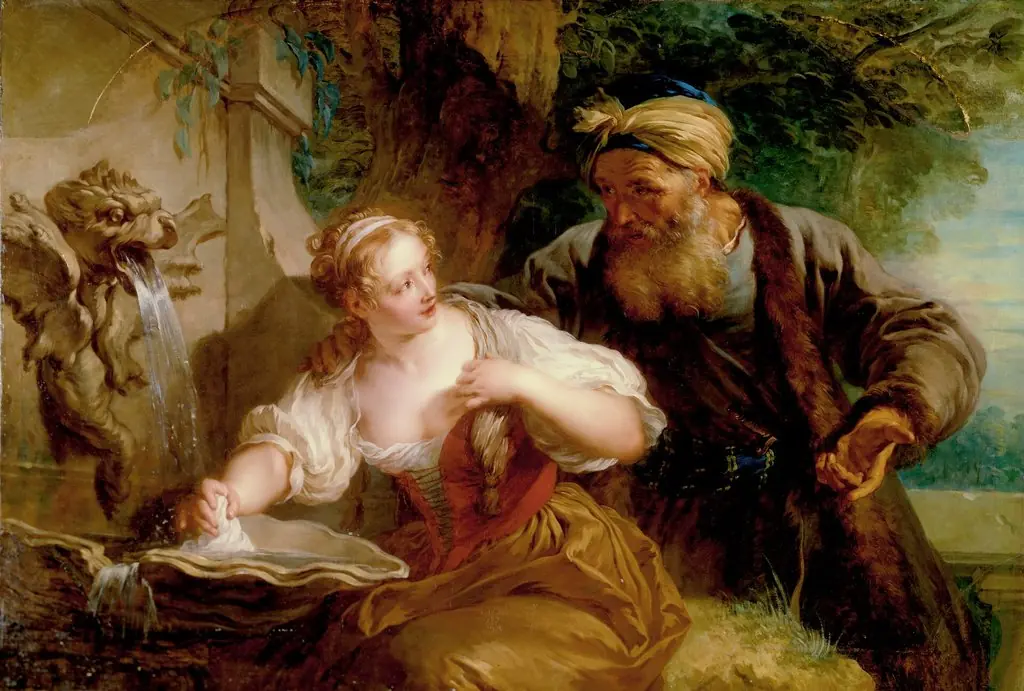
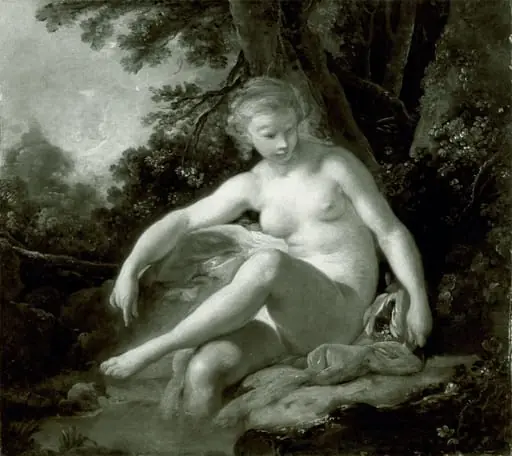
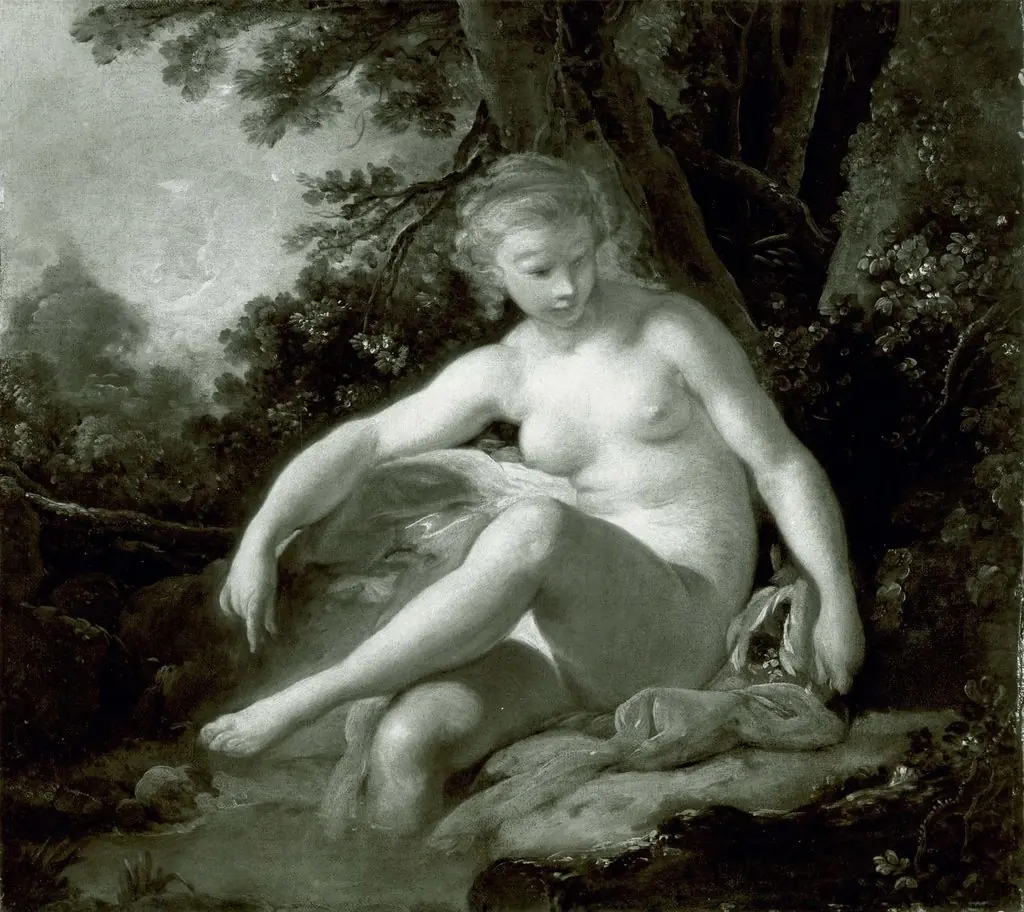
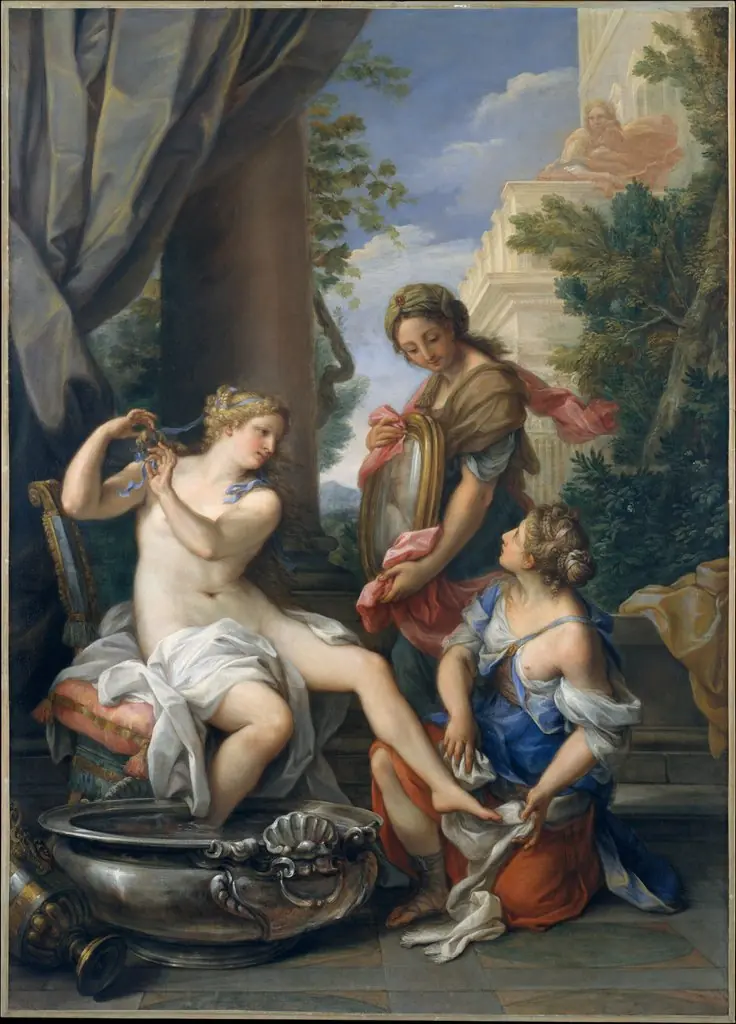
Woman Bathing is an oil painting by the Rococo painting artist François Lemoyne. It dates from 1724 and is held in the collection of the Hermitage Museum.
About this work
Overview
Created in 1724, *Woman Bathing* is an oil painting by French artist François Lemoyne. The work portrays a solitary nude figure engaged in the act of bathing, rendered in the light, decorative manner typical of the early eighteenth‑century Rococo. It is part of the collection of the State Hermitage Museum in St. Petersburg.
Subject & Meaning
The composition centers on a female nude immersed in water, her pose and relaxed demeanor emphasizing sensuality and the fleeting pleasures of private moments. By focusing on an intimate, everyday activity, the painting aligns with Rococo’s preference for playful, eroticized themes that celebrate the body and leisure.
Technique & Style
Lemoyne employed the fluid brushwork and pastel palette characteristic of Rococo, using delicate transitions of light to model the figure’s skin and the surrounding atmosphere. The oil medium allows for subtle glazes that convey the translucency of water and the softness of flesh, creating a harmonious, airy visual effect.
History & Provenance
The painting was produced during Lemoyne’s tenure as Premier peintre du Roi, a position he held under Louis XV. After its creation, the work entered various private collections before being acquired by the State Hermitage Museum, where it remains on public display.
Context
Lemoyne, a professor at the Académie royale de peinture et de sculpture, sought to surpass the legacy of Charles Le Brun and to shape the next generation of artists, including François Boucher. *Woman Bathing* exemplifies his contribution to the transition from the grand manner of the Baroque to the lighter, decorative sensibility that defined French Rococo.
Artist & collection
Artist
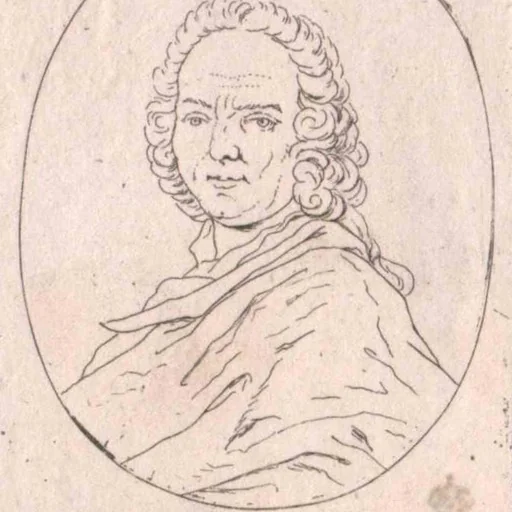
François Lemoyne or François Le Moine (French: ; 1688 – 4 June 1737) was a French rococo painter.