Artwork
Venus
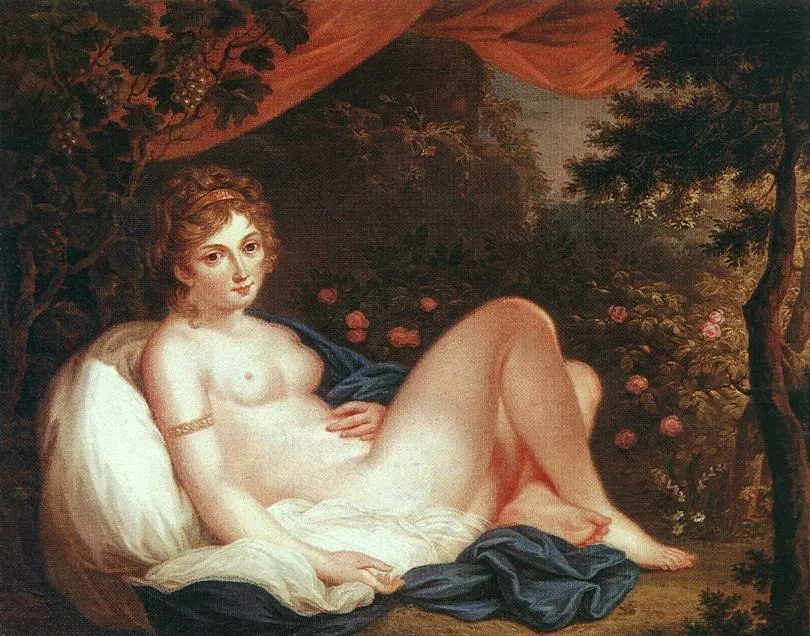
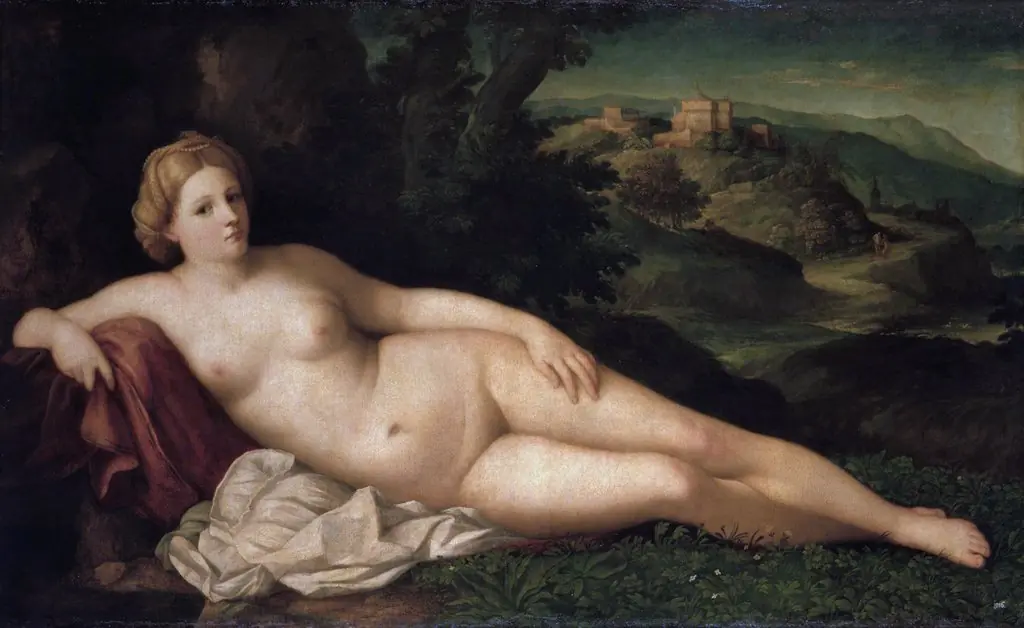
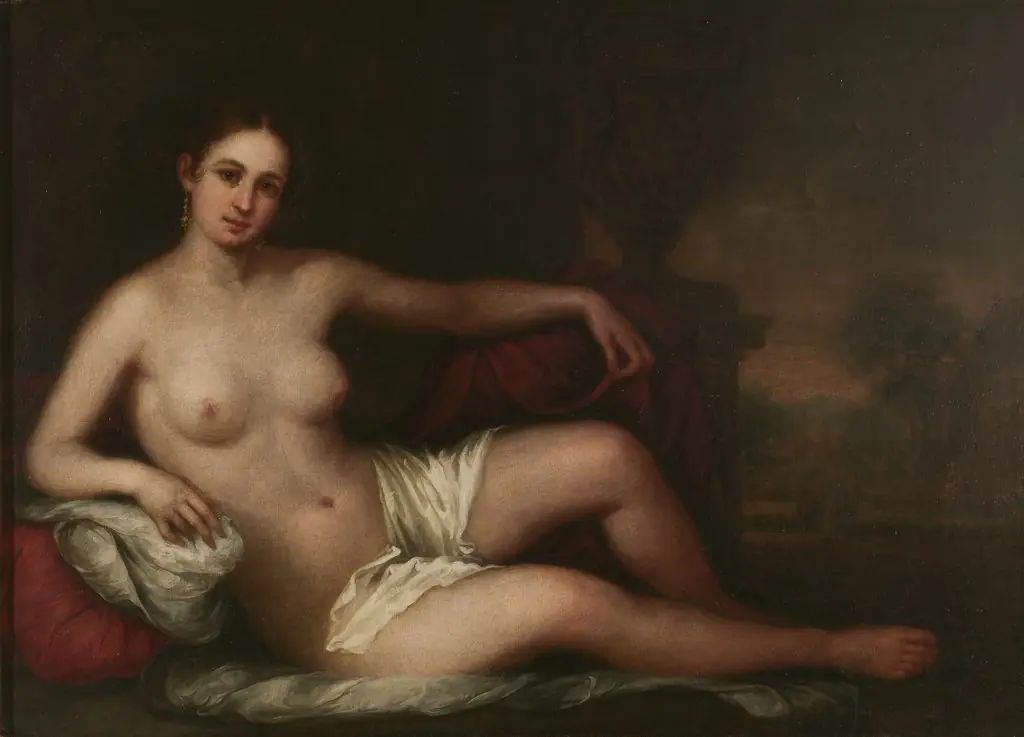
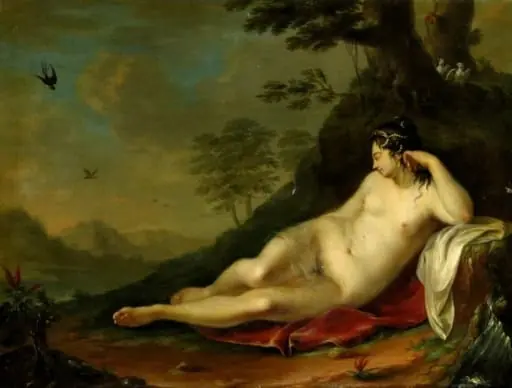
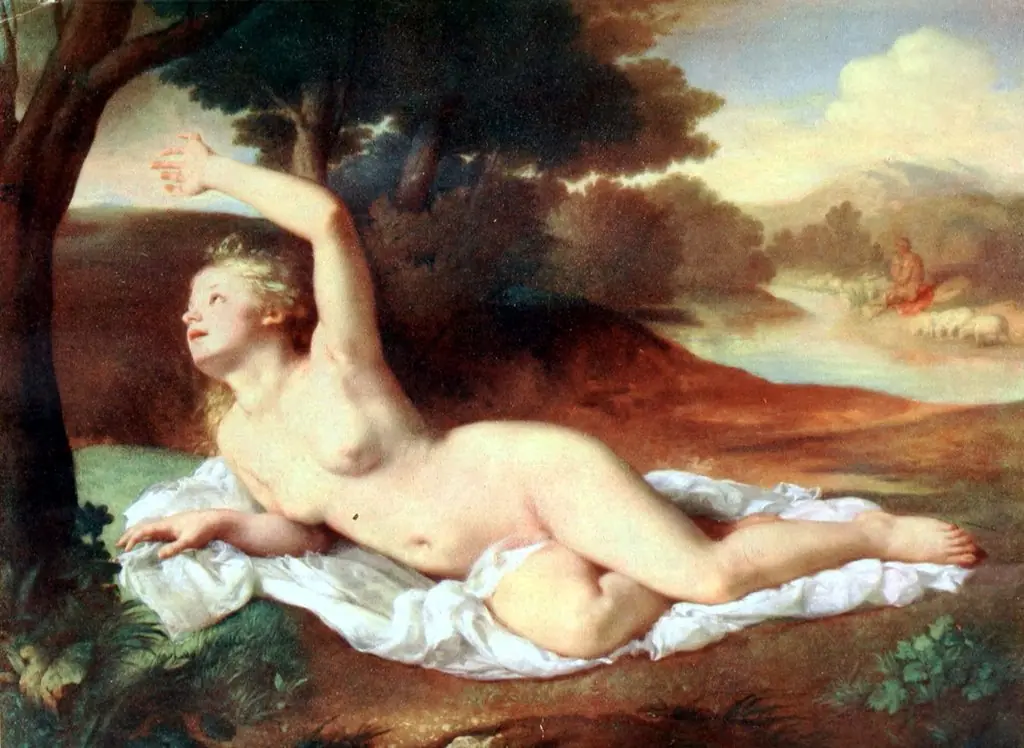
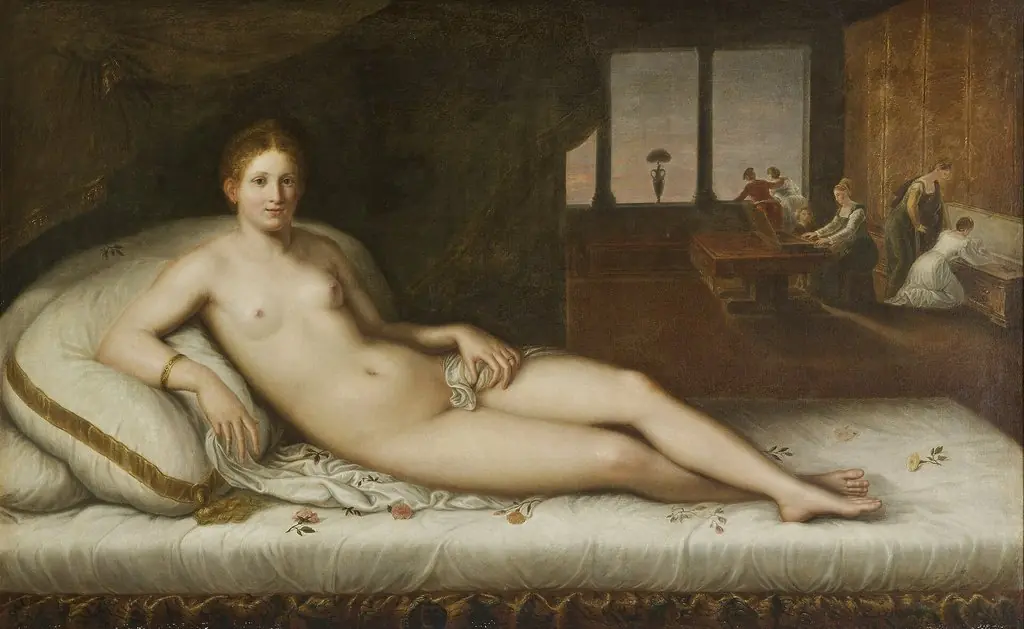
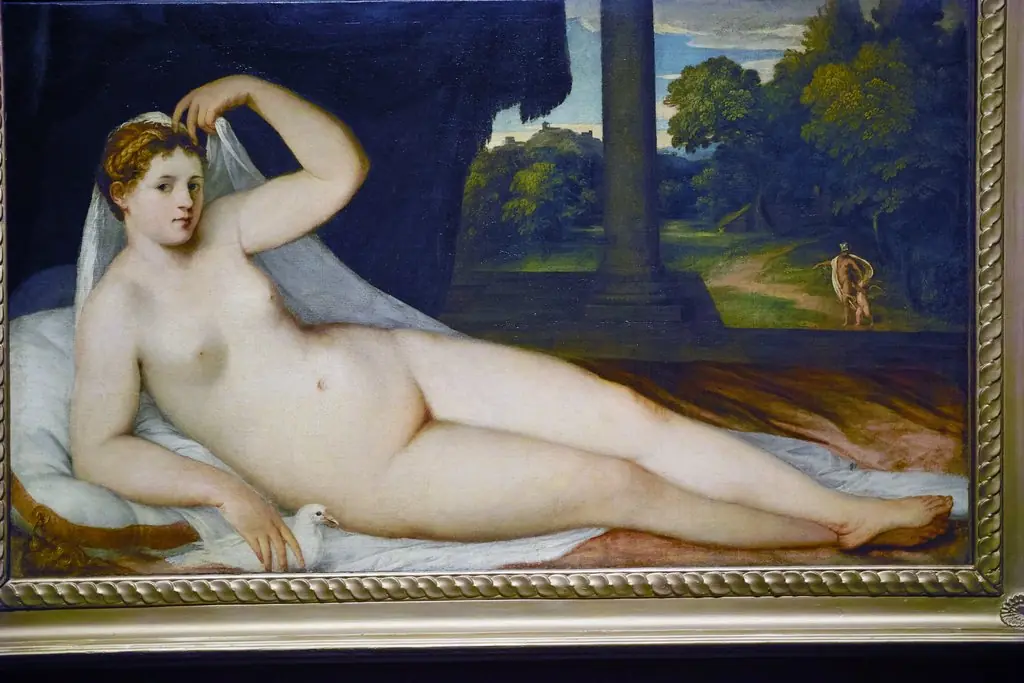
Venus is an oil painting by the Biedermeier artist János Donát. It dates from 1810 and is held in the collection of the Hungarian National Gallery.
About this work
Overview
Its composition reflects academic training and an interest in neoclassical ideals, though executed with a distinctly regional sensibility.
Painted in 1810 by Hungarian artist János Donát, this oil-on-canvas work portrays the Roman goddess Venus in a tranquil outdoor setting. The painting resides in the Hungarian National Gallery, where it stands as one of the earliest known depictions of classical mythology by a Hungarian artist of the period. Its composition reflects academic training and an interest in neoclassical ideals, though executed with a distinctly regional sensibility.
Subject & Meaning
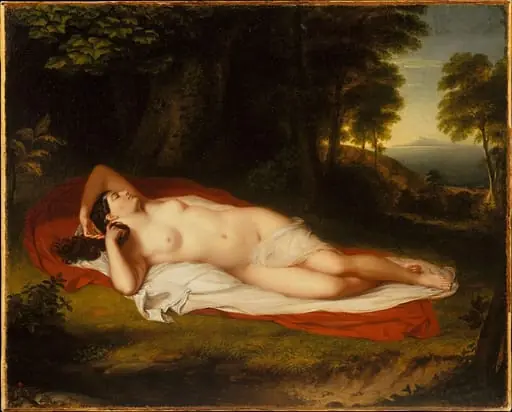
The figure represents Venus, goddess of love and beauty, rendered in a pose of quiet repose. Her nudity, modestly veiled by a white sheet and a draped blue cloth, aligns with classical conventions of idealized femininity. The surrounding flora suggests a natural paradise, reinforcing themes of fertility and harmony. The gold headband and gentle gesture of her hand imply grace rather than eroticism, emphasizing serenity over spectacle.
Technique & Style
Donát employed smooth brushwork and subtle tonal transitions to render the figure’s skin and the soft folds of fabric. The background foliage is rendered with loose, atmospheric strokes, creating depth without distraction. Color is restrained—predominantly earthy greens, muted blues, and warm flesh tones—enhancing the painting’s calm mood. The composition follows a reclining pose common in Renaissance and Baroque traditions, adapted here with restrained elegance.
History & Provenance
Completed in 1810, the painting entered the collection of the Hungarian National Gallery in the 19th century, likely through state acquisition or donation. Little is documented about its early ownership, but its presence in the national collection suggests it was recognized early as a significant work by a Hungarian artist engaging with European classical themes during a period of cultural awakening.
Context
Created during the early 19th century, the painting emerged as Hungary was developing its national artistic identity under Habsburg rule. While Western European academies dominated classical subjects, Donát’s interpretation reflects a local adaptation—less grandiose than French or Italian equivalents, yet grounded in the same humanist traditions. It signals Hungarian artists’ participation in broader artistic dialogues despite political constraints.
Legacy
Though not widely reproduced or celebrated internationally, the painting remains a key example of early Hungarian neoclassicism. It illustrates how regional artists engaged with classical mythology through a quieter, more introspective lens. Within Hungary, it is studied as a foundational work that helped establish a local tradition of mythological painting, influencing later generations of academic artists.
Artist & collection