Artwork
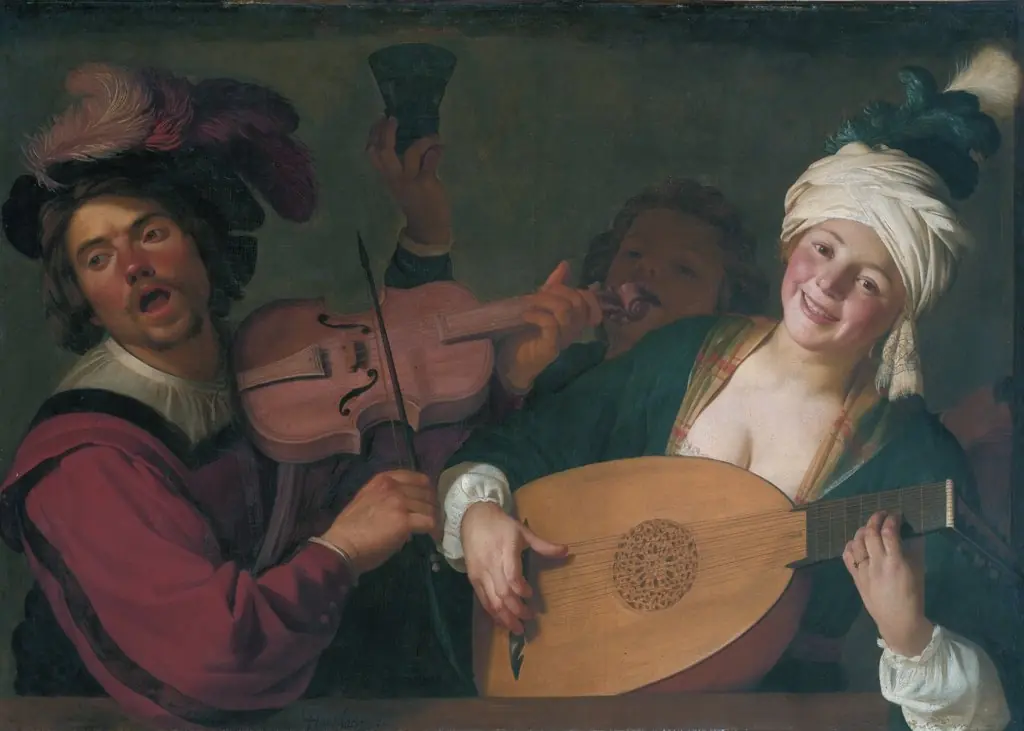
Musical Group on a Balcony
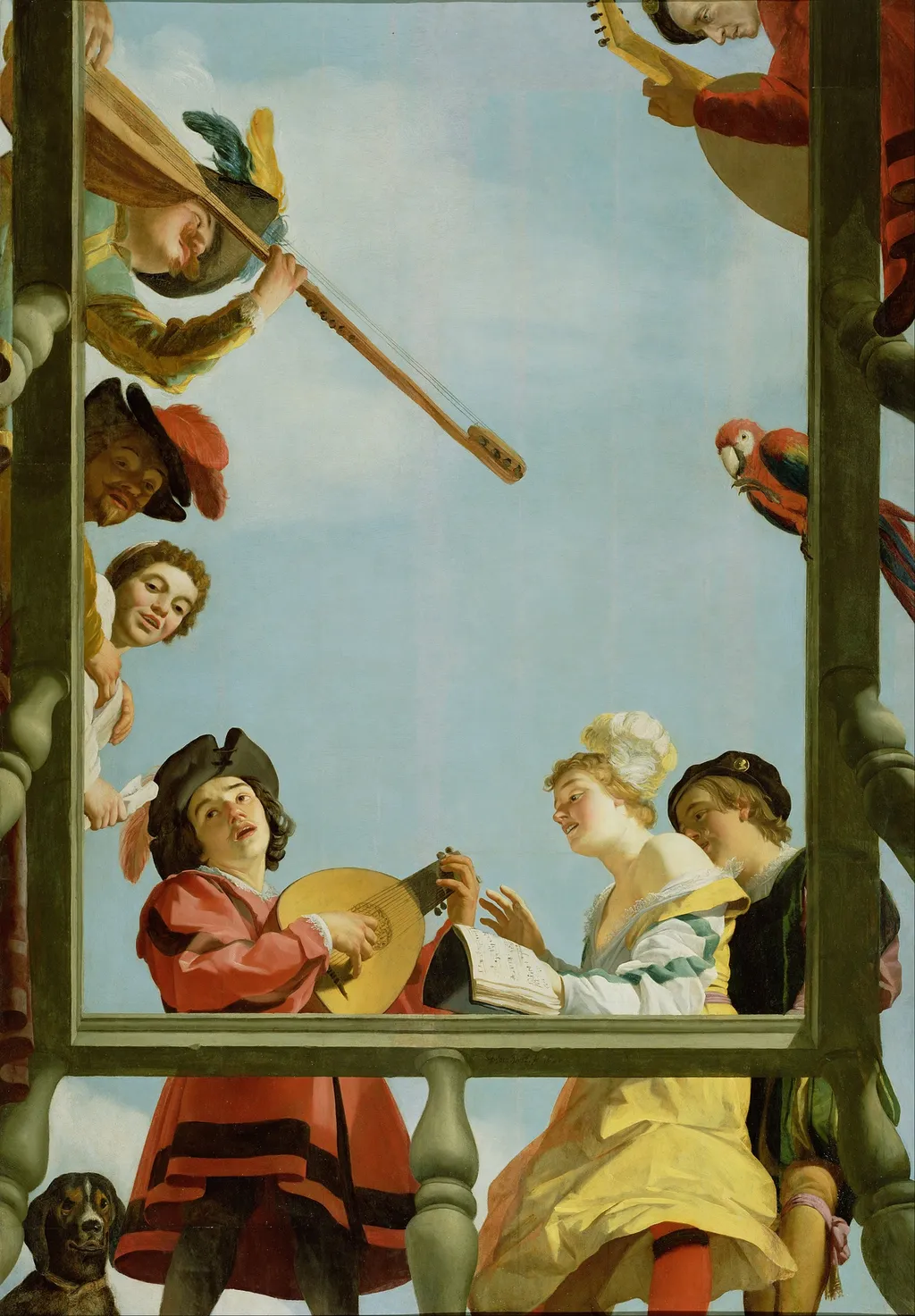
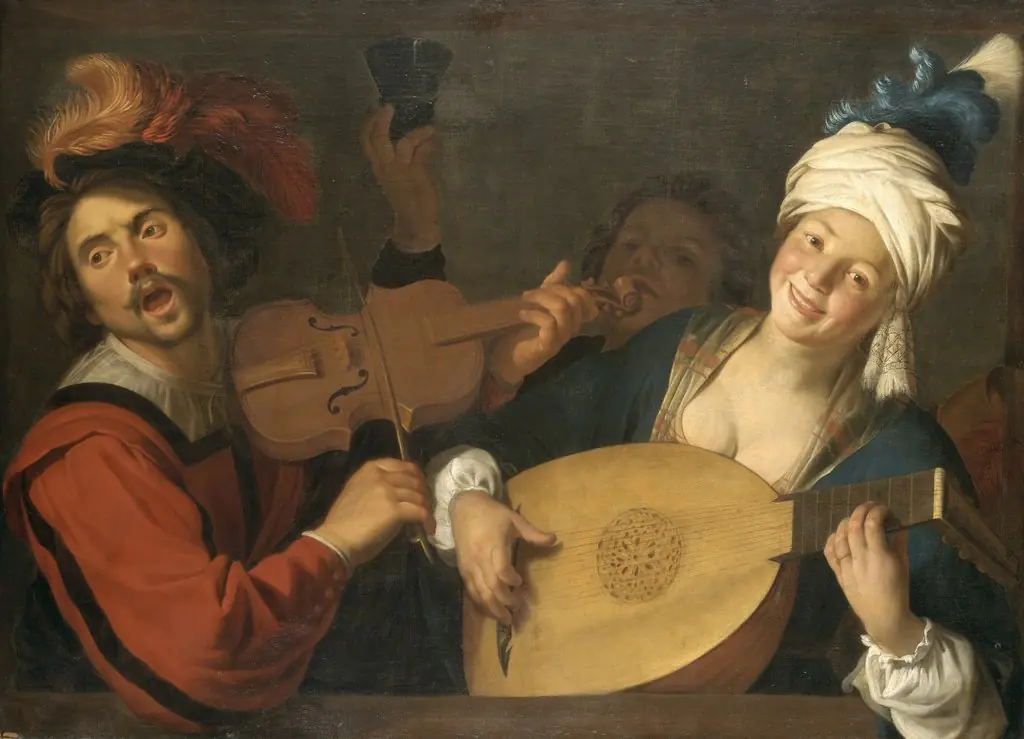
Musical Group on a Balcony is an oil painting by the Dutch Golden Age artist Gerard van Honthorst. It dates from 1622 and is held in the collection of the J. Paul Getty Museum.
About this work
Overview
Painted in 1622 by Gerard van Honthorst, this oil-on-canvas work captures a quiet moment of domestic music-making on a balcony.
Painted in 1622 by Gerard van Honthorst, this oil-on-canvas work captures a quiet moment of domestic music-making on a balcony. A Dutch artist shaped by his years in Rome, Honthorst brought Italianate lighting techniques back to the Netherlands, where he became known for intimate genre scenes. The painting’s composition, framed by architectural elements, reflects a blend of northern realism and southern chiaroscuro.
Subject & Meaning
The scene portrays a small ensemble of figures engaged in informal music-making: a man plays a lute, a woman sings, and others listen. A parrot perches on the lutenist’s shoulder, adding a touch of domestic whimsy, while a dog gazes upward, grounding the moment in everyday life. The setting suggests leisure among the urban middle class, where music served both entertainment and social connection, without overt symbolism or narrative.
Technique & Style
Honthorst employs chiaroscuro to model forms with soft contrasts, drawing attention to faces and instruments illuminated against darker backgrounds. The figures are rendered with careful attention to texture—rich fabrics, polished wood, and feathered plumage—while the sky remains pale and airy, balancing the composition. The green balustrade frames the scene like a stage, reinforcing the theatrical quality of the moment without melodrama.
History & Provenance
Created during Honthorst’s mature period after his return from Italy, the painting entered the J. Paul Getty Museum’s collection in the 20th century. It reflects the artist’s transition from Roman Caravaggisti influences to a more refined Dutch style. No early records of its ownership are widely documented, but its preservation suggests it was valued by collectors interested in genre painting and light effects.
Context
In early 17th-century Utrecht, artists like Honthorst, ter Brugghen, and van Baburen formed a circle influenced by Caravaggio’s dramatic lighting. While Italian painters focused on religious intensity, Dutch contemporaries adapted these techniques to secular life. This painting exemplifies how northern artists transformed Italian innovations into quiet, human-centered scenes of daily ritual, aligning with broader trends in Dutch Golden Age art.
Legacy
Honthorst’s use of artificial and natural light in genre scenes influenced later Dutch painters, though he is less remembered than Rembrandt or Vermeer. This work remains a clear example of how Caravaggism was localized in the Netherlands—not as religious drama, but as intimate observation. Its presence in a major museum underscores its role in documenting the cultural habits of its time.
Artist & collection
Artist
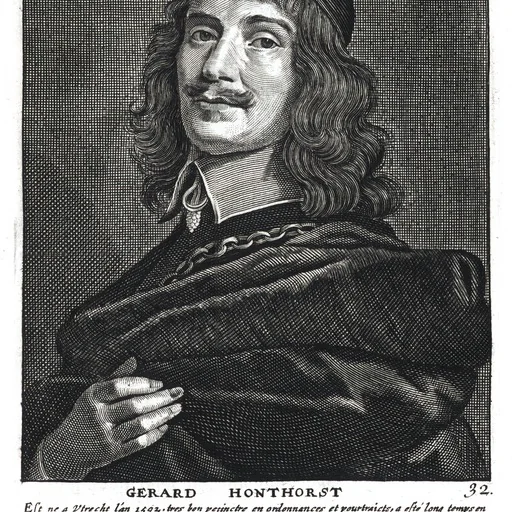
Gerard "Gerrit" van Honthorst (4 November 1592 – 27 April 1656) was a Dutch Golden Age painter who became known for his depiction of artificially lit scenes, eventually receiving the Italian nickname Gherardo delle Notti ("Gerard of the…

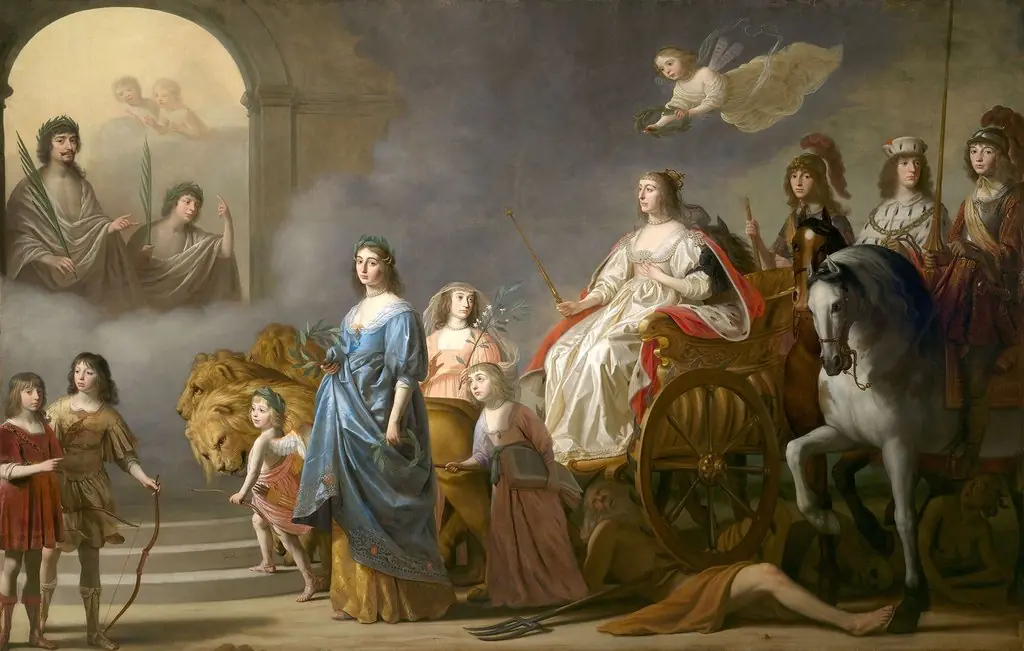 The Triumph of the Winter Queen: Allegory of the Just
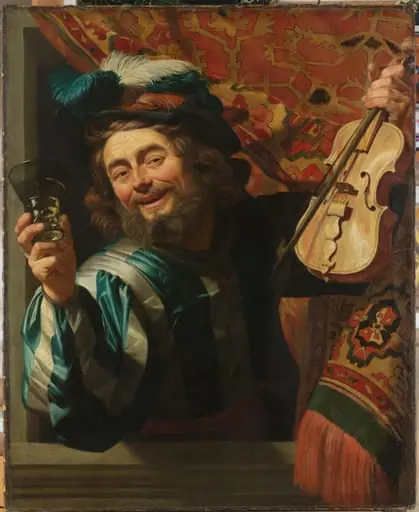 Een vrolijke vioolspeler
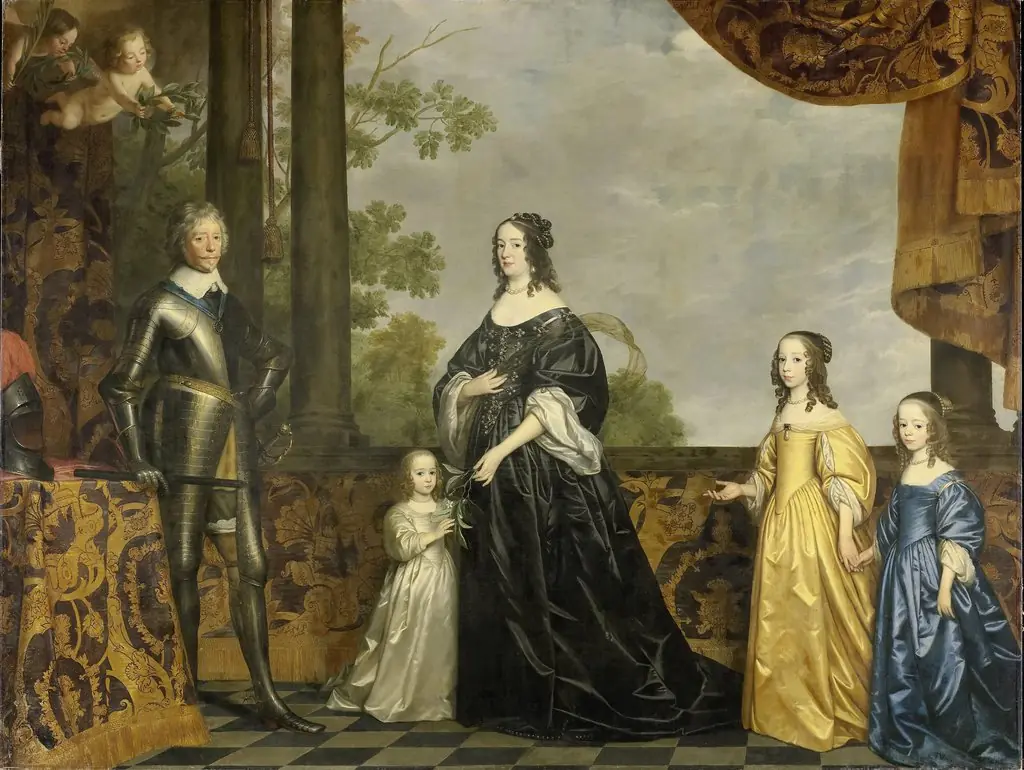 Frederik Hendrik (1584-1647), Prince of Orange, his wife Amalia van Solms (1602-75) and their three youngest daughters, Albertina Agnes (1634-96), Henrietta Catharina (1637-1708) and Maria (1642-88)
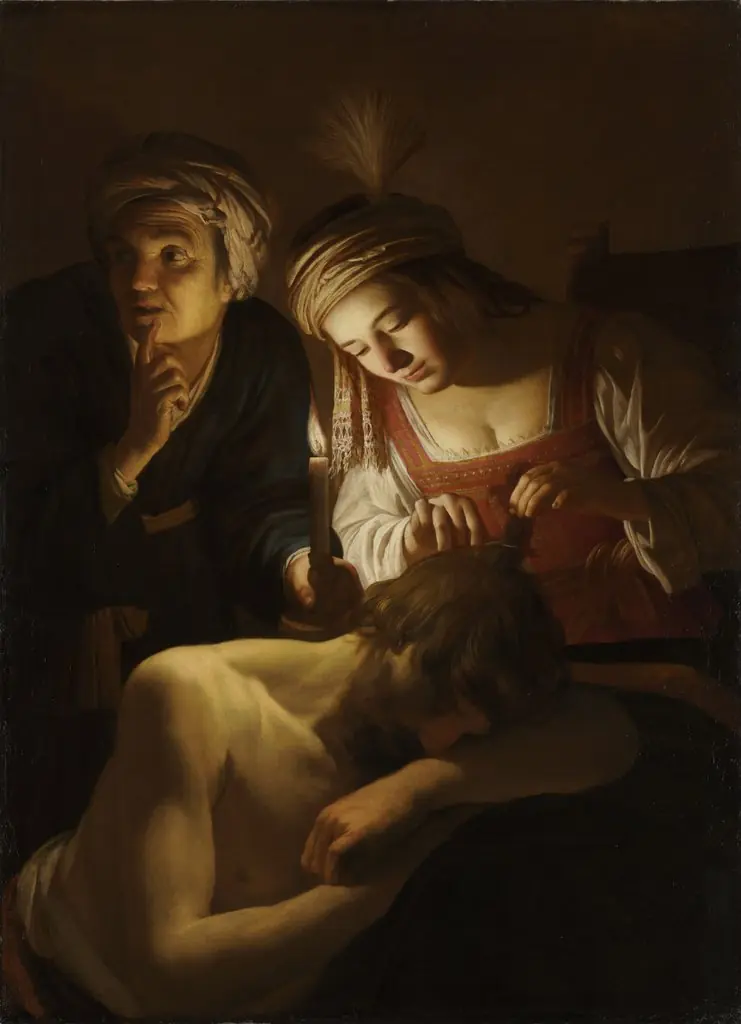 Samson and Delilah
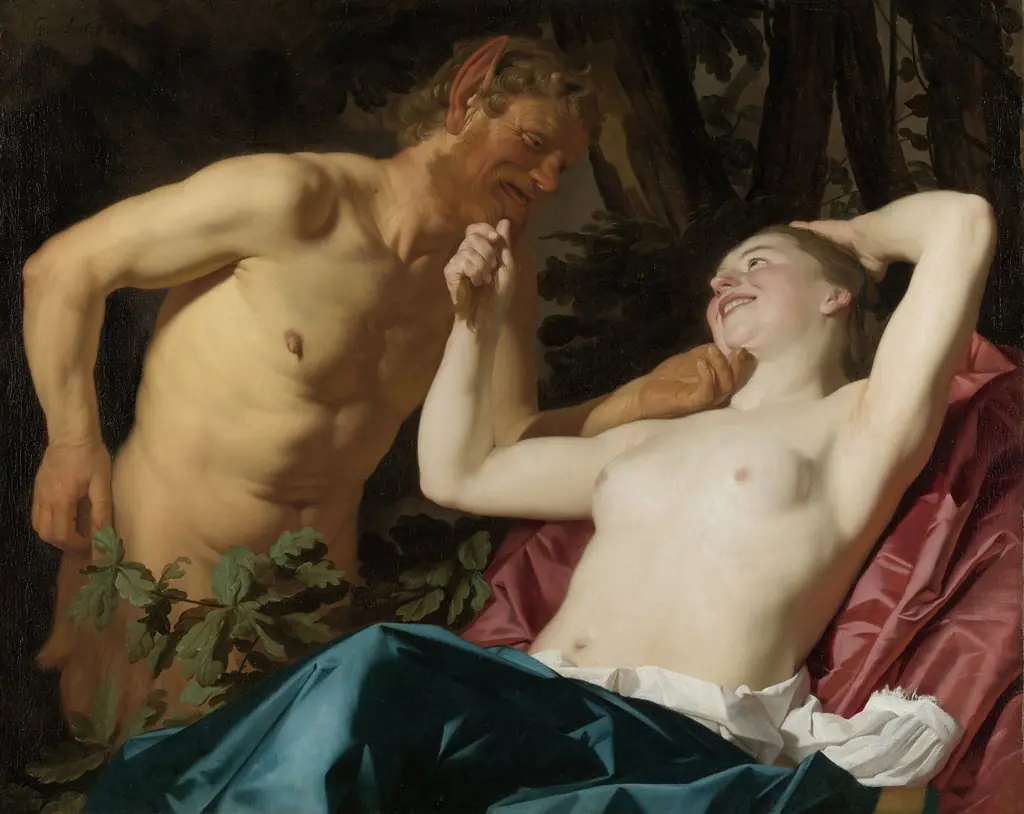 Satyr and Nymph
 Young Woman with a Candlestick, Old Woman and a Violin Player
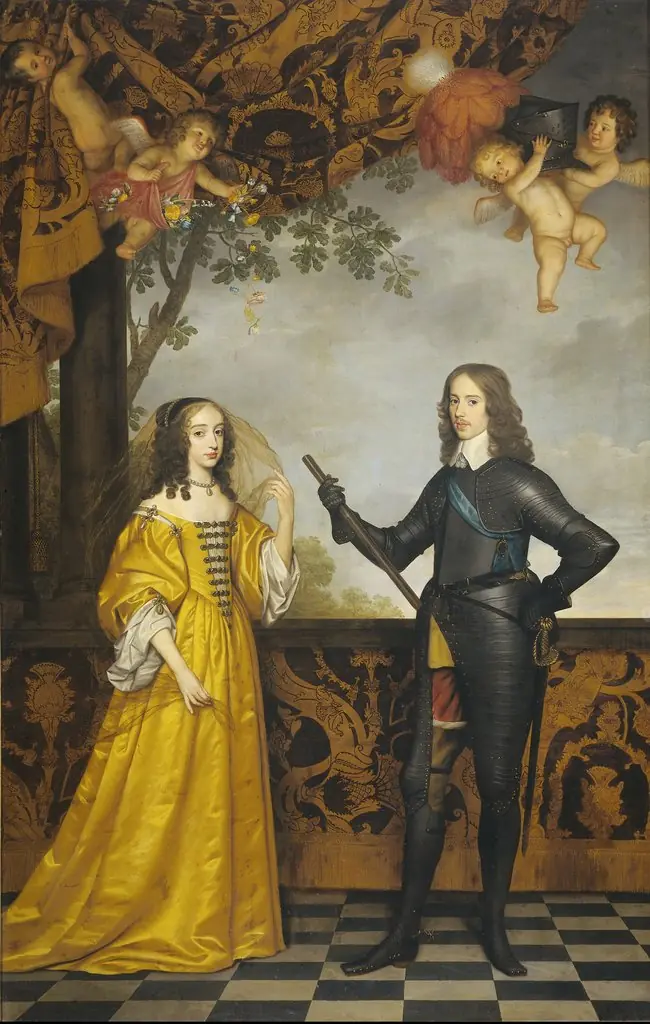 Willem II (1626-50), Prince of Orange, and his wife Maria Stuart (1631-60)
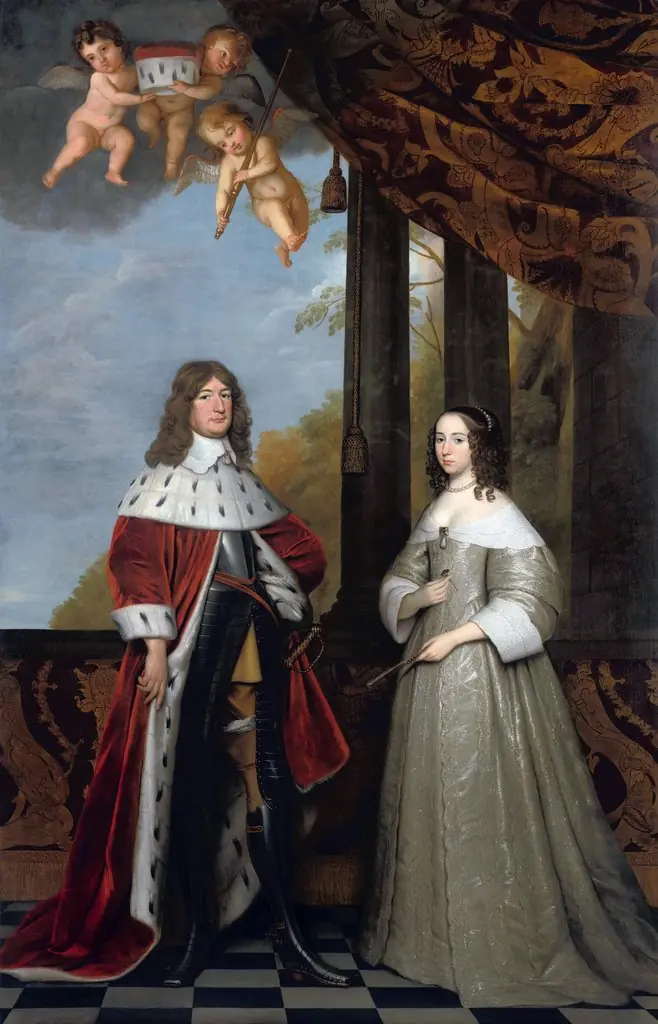 Friedrich Wilhelm (1620-88), Elector of Brandenburg, and his wife Louise Henriette (1627-67), Countess of Orange-Nassau