Artwork
Gastmahl
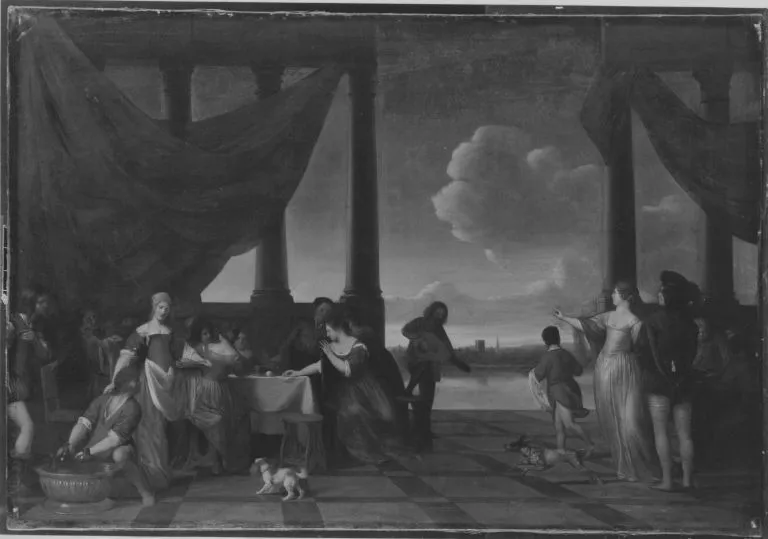
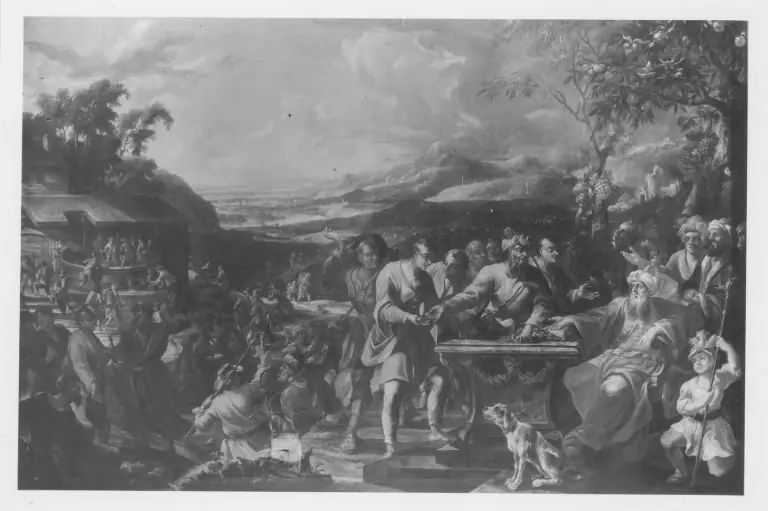
Gastmahl is an unspecified painting by the Dutch Golden Age artist Gerard van Zyl. It dates from 1655 and is held in the collection of the Bavarian State Painting Collections.
About this work
Overview
Painted in 1655 by Gerard van Zyl, *Gastmahl* is a genre scene from the Dutch Golden Age that captures a domestic feast. Van Zyl, active primarily in Leiden and Amsterdam, focused on intimate social moments rather than grand narratives. The painting is part of the Alte Pinakothek’s collection, where it represents the period’s interest in everyday life rendered with quiet realism.
Subject & Meaning
The scene depicts a group of figures gathered around a table, engaged in the ritual of a meal. No overt symbolism or moralizing is present; instead, the focus lies in the quiet dynamics of conversation, gesture, and shared space. The painting reflects the value placed on domestic harmony and conviviality in 17th-century Dutch society, without idealization or narrative drama.
Technique & Style
Van Zyl employs a restrained palette and careful attention to texture—fabric, wood, and ceramic surfaces are rendered with subtle precision.
Van Zyl employs a restrained palette and careful attention to texture—fabric, wood, and ceramic surfaces are rendered with subtle precision. Light falls naturally across the composition, modeling forms without theatrical contrast. The figures are arranged in a loose, unforced grouping, avoiding staged drama, which aligns with the genre’s preference for observational authenticity over theatricality.
History & Provenance
Created during Van Zyl’s mature period, *Gastmahl* entered the Alte Pinakothek’s collection in the 19th century, likely through acquisitions of Dutch Golden Age works by Bavarian collectors. Its documented history after 1655 is limited, but its presence in a major European museum since the 1800s confirms its recognition as a representative example of genre painting from the era.
Context
In mid-17th-century Holland, rising merchant classes commissioned art that mirrored their private lives. Scenes of meals, gatherings, and interiors became popular alternatives to religious or mythological subjects. Van Zyl’s work fits within this trend, reflecting a culture that valued domestic tranquility and the dignity of ordinary routines over spectacle.
Legacy
Though not among the most widely known artists of the period, Van Zyl’s *Gastmahl* contributes to the broader understanding of Dutch genre painting’s diversity. It exemplifies how lesser-known practitioners helped shape a visual language centered on quiet observation, influencing later depictions of domestic life in European art.
Artist & collection
Artist
Gerrit or Gerard Pietersz van Zijl, also van Zyl / Zyll or Geerards (c.1607, Leiden – 19 December 1665, Amsterdam) was a Dutch Golden Age painter of portraits and genre scenes.

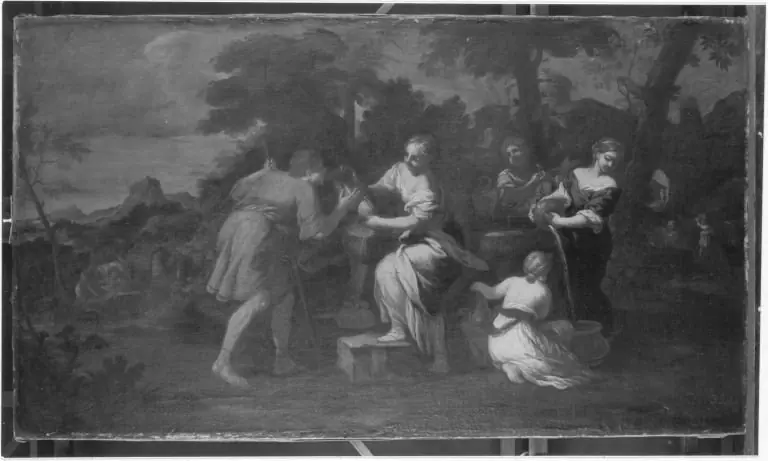 Rebekka und Laban am Brunnen
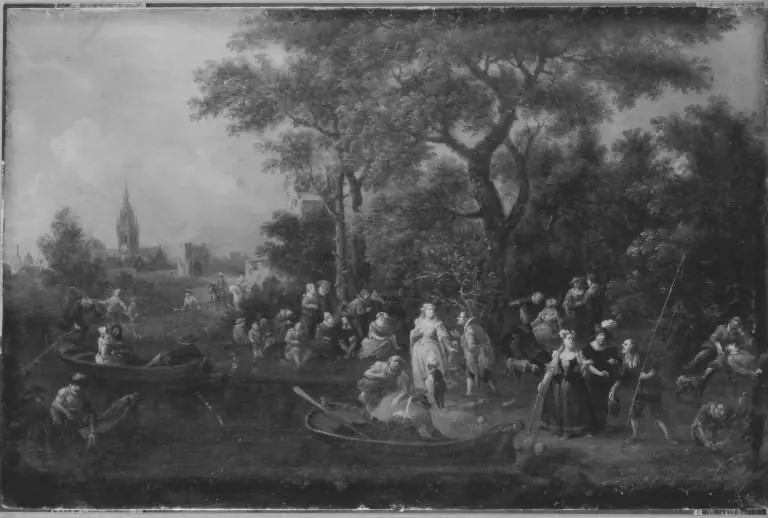 Landpartie
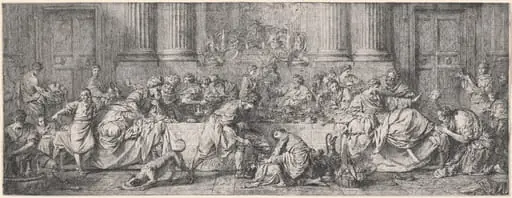 The Feast in the House of Simon
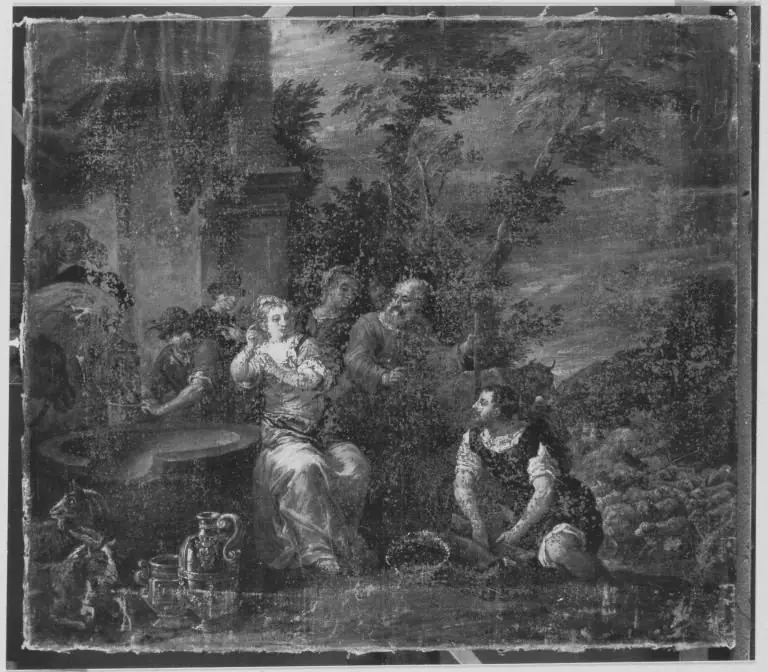 Rebecca am Brunnen (Nachahmer)
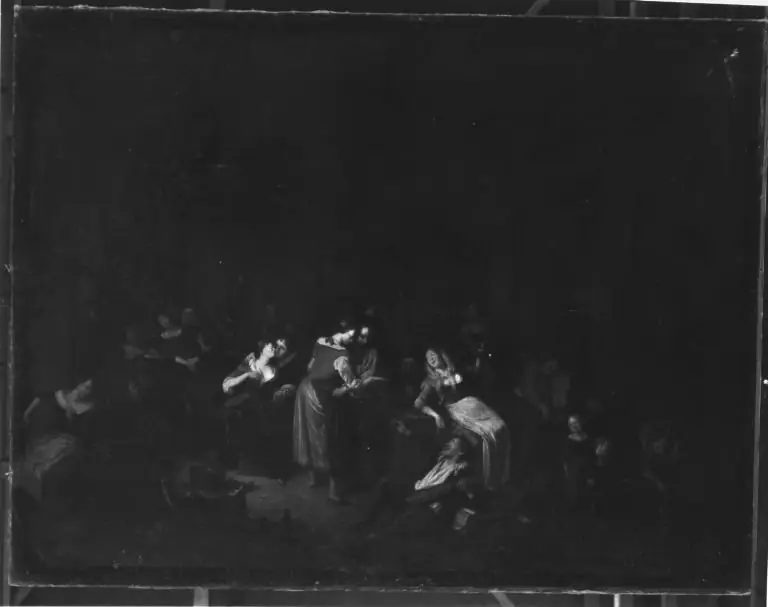 Lustige Gesellschaft
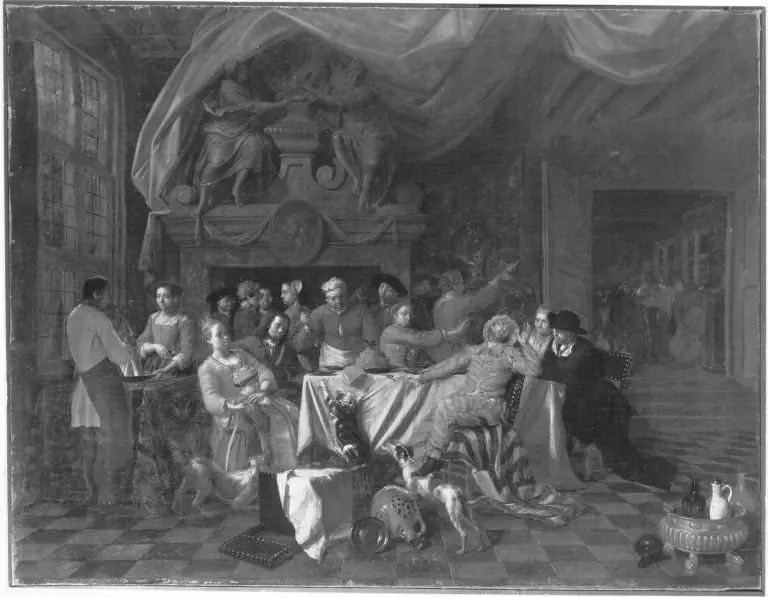 Karneval
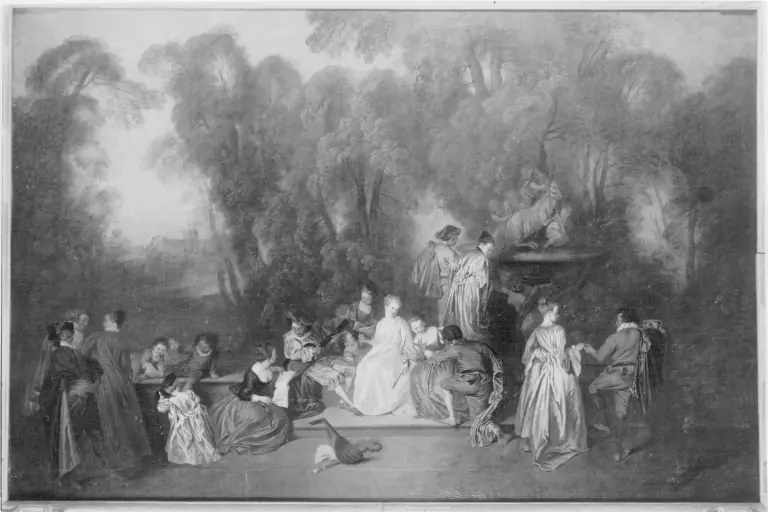 Gesellschaft im Park
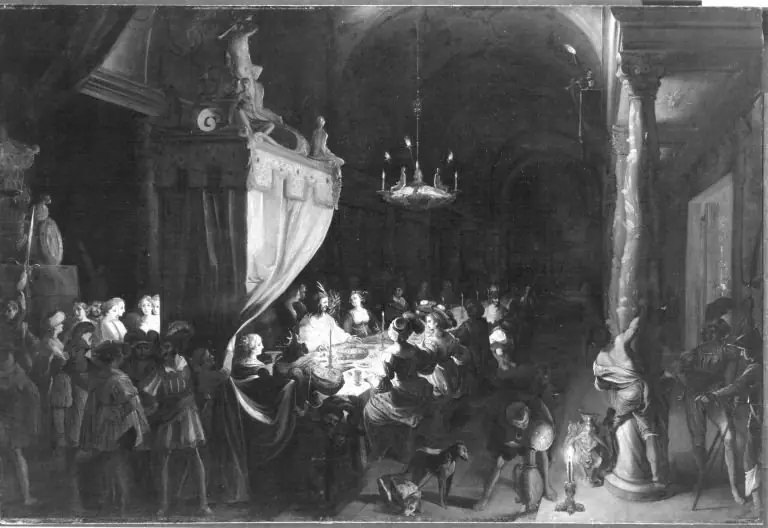 Das Gastmahl des Belsazar (zugeschrieben)
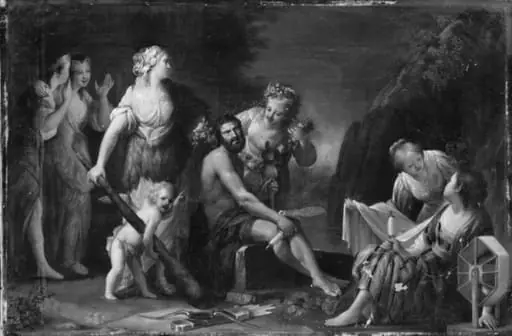 Hercules hos Omphale, omgivet af hendes veninder
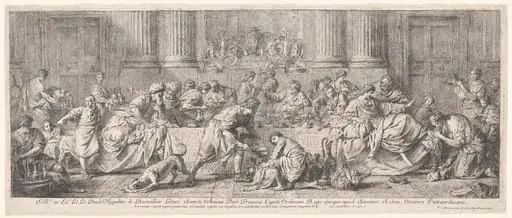 The Banquet in the House of Simon the Pharisee
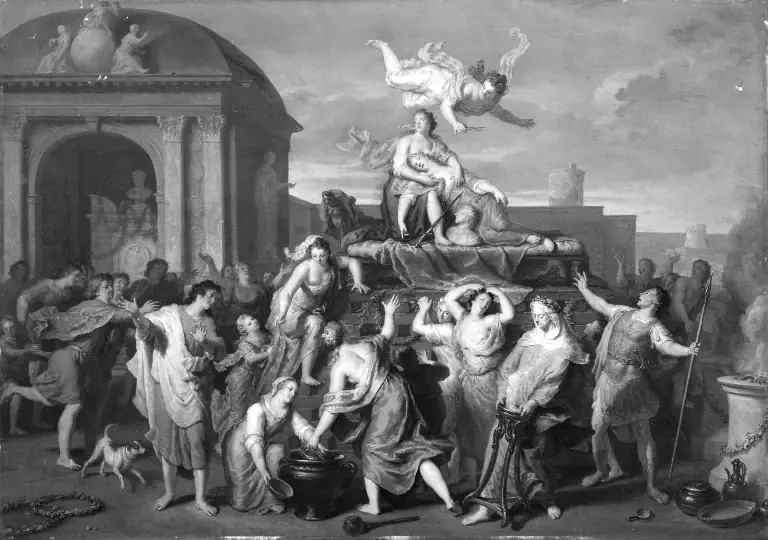 Death of Dido
 Gleichnis von den Arbeitern im Weinberg