Artwork
Karneval
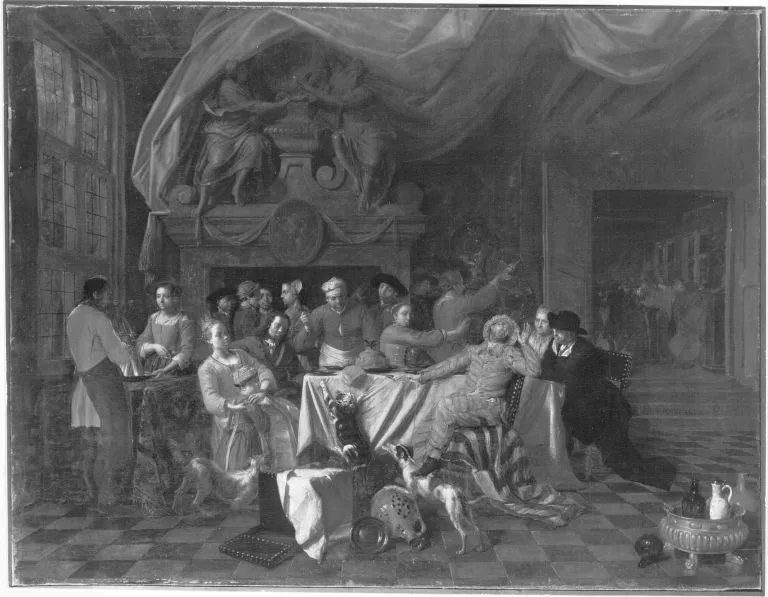
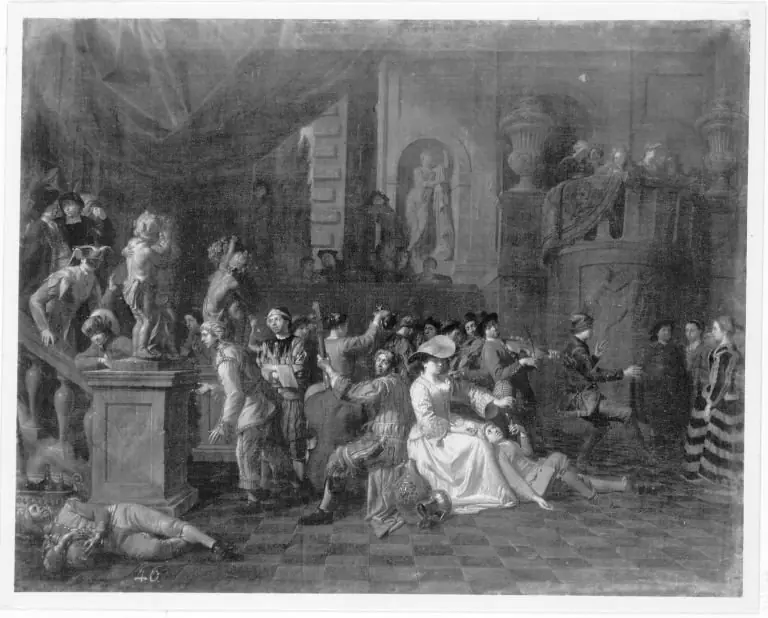
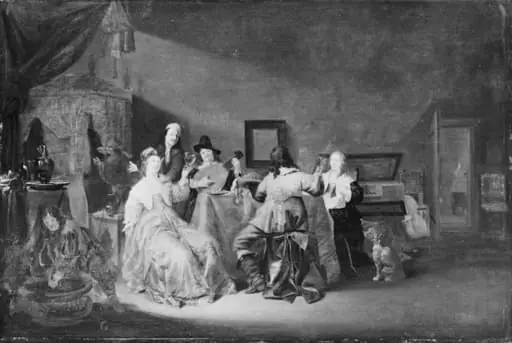
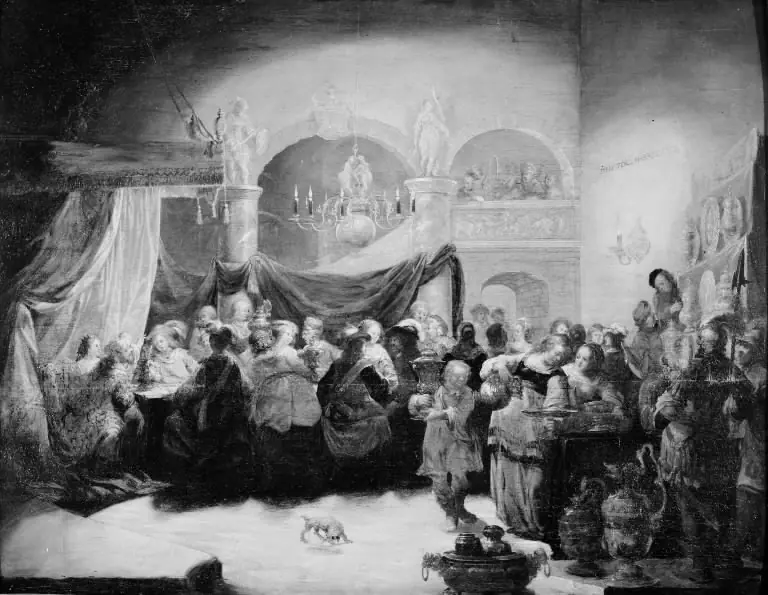
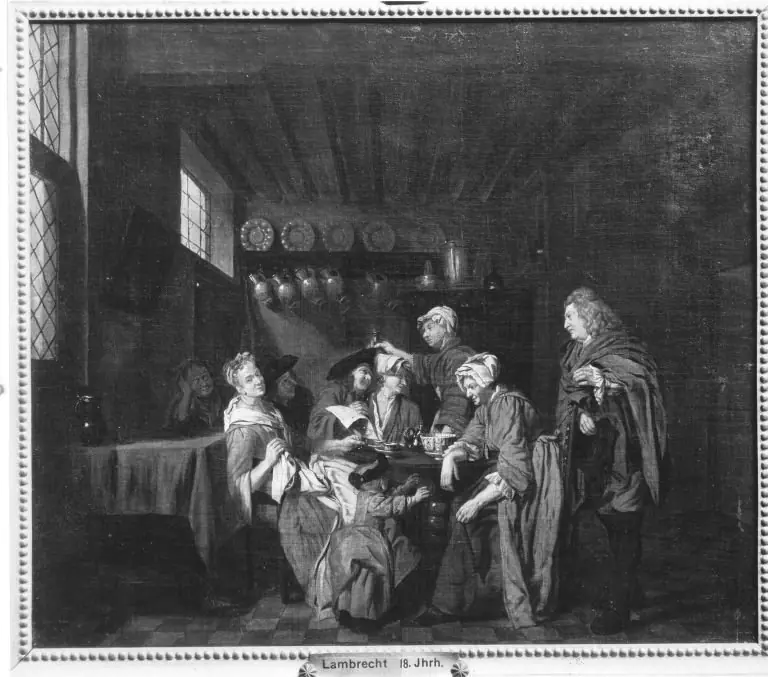
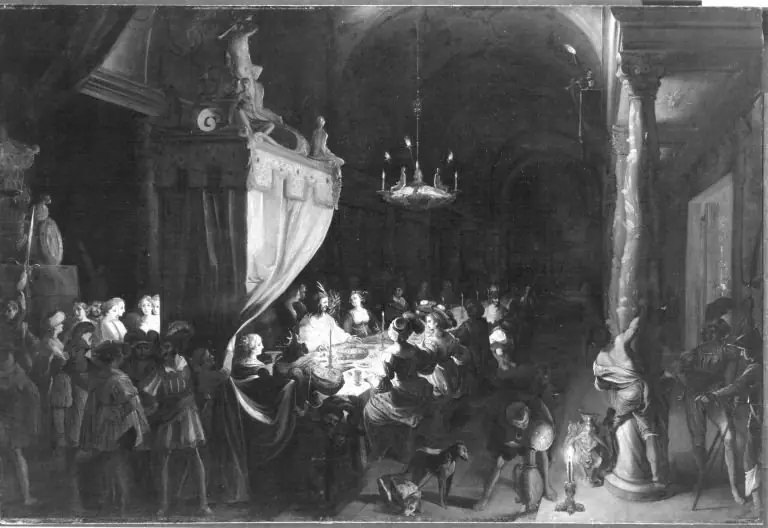
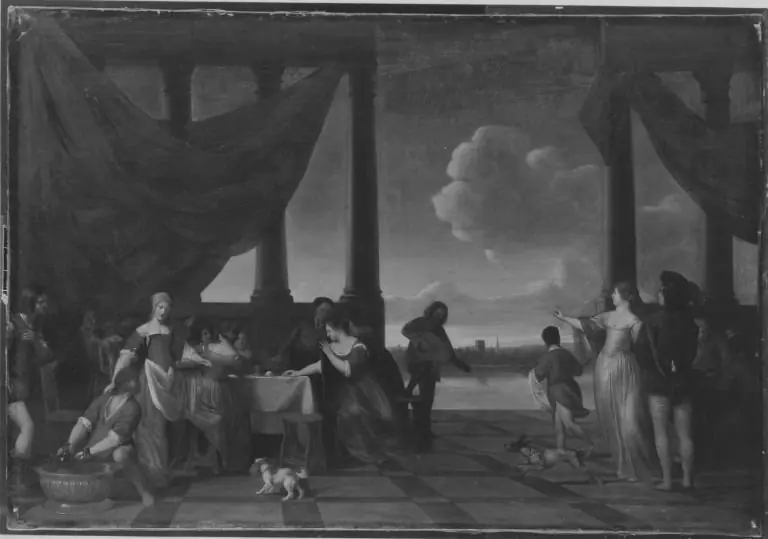
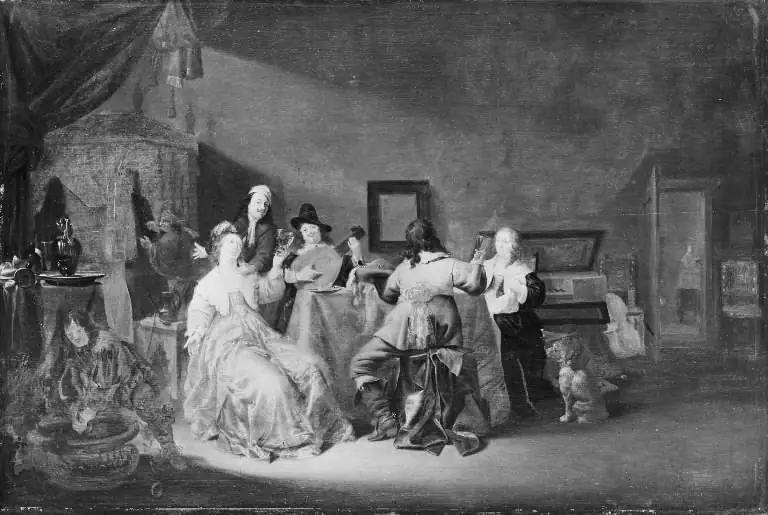
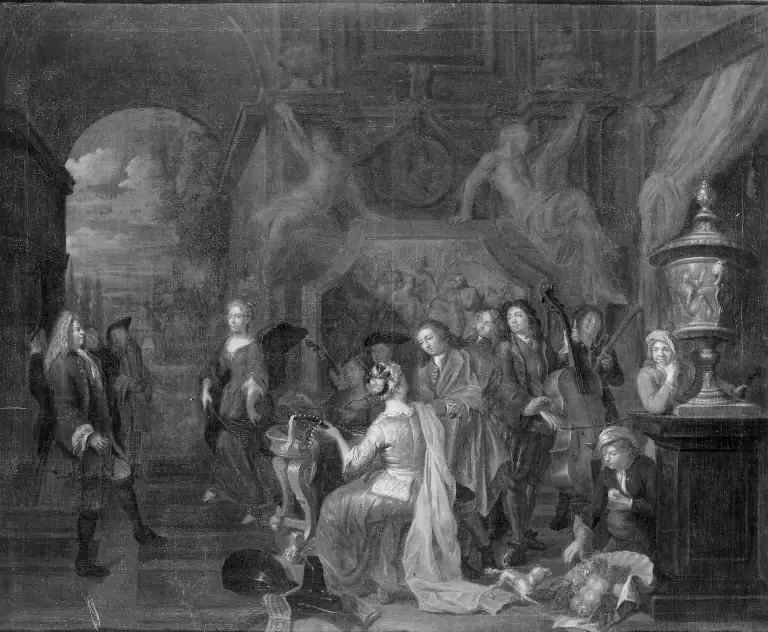
Karneval is an unspecified painting by the Rococo painting artist Hendrick Govaerts. It dates from 1714 and is held in the collection of the Bavarian State Painting Collections.
About this work
Overview
The work reflects the refined yet lively character of late Baroque and early Rococo traditions, emphasizing communal celebration over narrative drama.
Hendrick Govaerts painted *Karneval* in 1714, capturing a moment of festive revelry in a grand interior. Active in Antwerp and central Europe during the early 18th century, Govaerts specialized in genre scenes of social gatherings. The work reflects the refined yet lively character of late Baroque and early Rococo traditions, emphasizing communal celebration over narrative drama. It is now part of the Alte Pinakothek’s collection in Munich.
Subject & Meaning
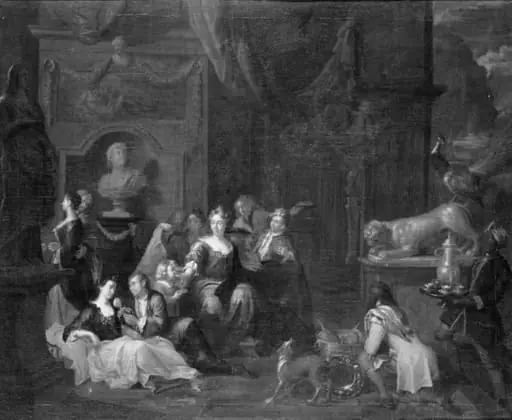
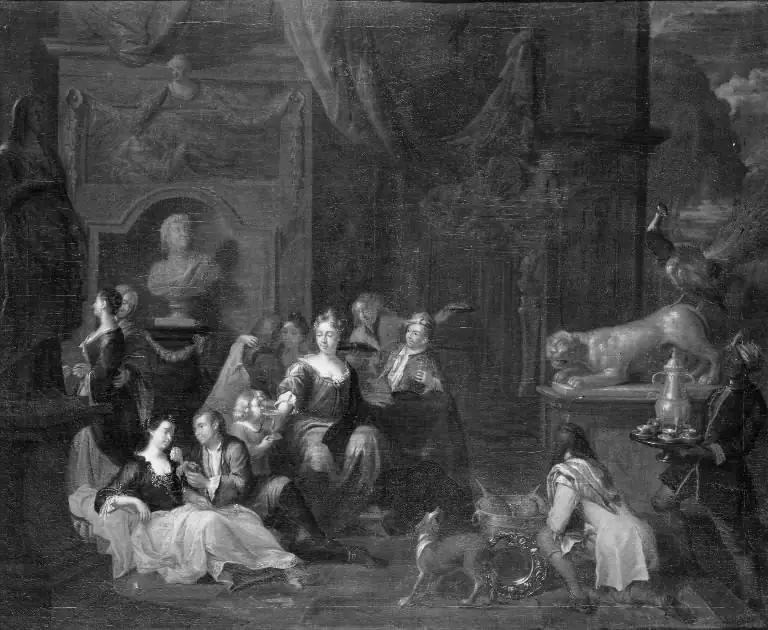
The scene depicts a carnival gathering in a lavishly furnished room, where figures engage in conversation, laughter, and quiet merriment. Dressed in period attire, they inhabit a space marked by opulence and order—elegantly draped curtains, a checkered floor, and a central fireplace with a statuary niche. The presence of a dog and scattered objects like a jug suggests spontaneity amid formality, hinting at the transient joy of seasonal festivity rather than a specific historical event.
Technique & Style
Govaerts employs a controlled, detailed brushwork typical of Flemish genre painting, with careful attention to textures: the sheen of silk, the grain of wood, the gleam of ceramic. The composition is balanced yet dynamic, guiding the eye from the foreground’s casual details to the architectural depth of the room. Soft, diffused lighting enhances the warmth of the scene, avoiding theatricality in favor of intimate realism, characteristic of his approach to social subjects.
History & Provenance
Created in 1714, the painting entered the Alte Pinakothek’s collection through documented acquisitions of 18th- and 19th-century Flemish and Dutch works. Its presence in Munich reflects broader European interest in Northern European genre painting during the Enlightenment. No significant alterations or reattributions are recorded; it has remained consistently identified as Govaerts’s work since at least the early 19th century.
Context
In early 18th-century Antwerp, carnival celebrations were culturally significant, offering temporary inversion of social norms. Govaerts’s work aligns with a tradition of depicting such events, influenced by earlier Flemish masters like Pieter Bruegel. Unlike Dutch interiors, which often emphasized quiet domesticity, Govaerts’s scenes retain a sense of aristocratic leisure, blending local customs with broader European tastes for elegant sociability.
Legacy
Though not widely known today, Govaerts’s *Karneval* exemplifies a quiet but persistent strand of Flemish genre painting that bridged Baroque grandeur and Rococo intimacy. His focus on nuanced social interaction, rather than spectacle, influenced later observers of daily life. The painting remains a reference for studies of festive culture in the Southern Netherlands and the evolution of interior scenes in early 18th-century art.
Artist & collection
Artist
Hendrick Govaerts or Hendrik Govaerts (baptised 28 February 1669 - 10 February 1720) was a Flemish painter.