Artwork
Die Berufung des Matthäus
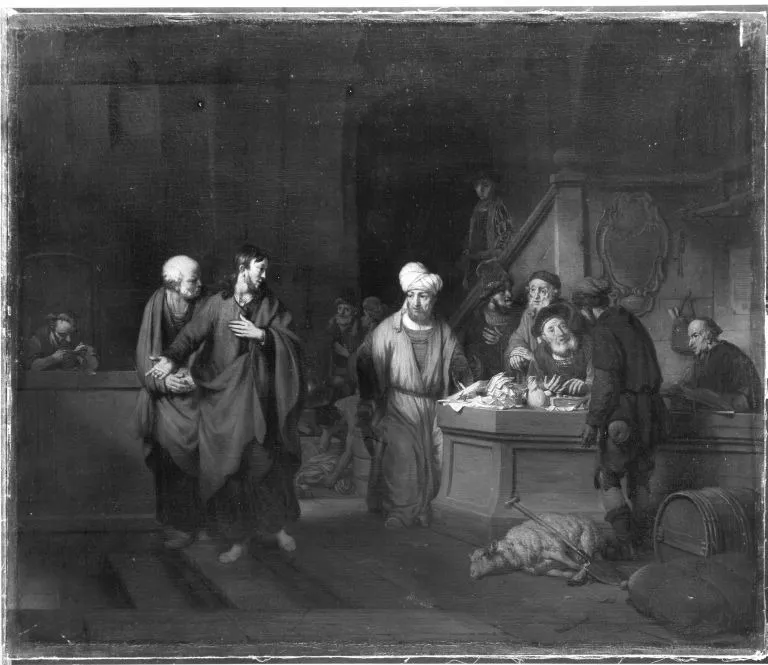
Die Berufung des Matthäus is an unspecified painting by the Dutch Golden Age artist Gerbrand van den Eeckhout. It dates from 1674 and is held in the collection of the Bavarian State Painting Collections.
About this work
Overview
The composition is rendered in the chiaroscuro typical of the Dutch Golden Age, inviting the viewer into the narrative moment of the biblical calling.
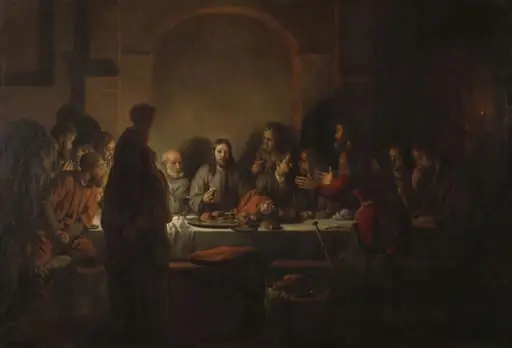
Gerbrand van den Eeckhout’s 1674 canvas, *Die Berufung des Matthäus*, presents a nocturnal interior where a group of men congregates around a table. A standing figure points toward a companion, while a dog rests on the floor, lending domestic intimacy. The composition is rendered in the chiaroscuro typical of the Dutch Golden Age, inviting the viewer into the narrative moment of the biblical calling.
Subject & Meaning
The work illustrates the Gospel episode in which the tax collector Matthew is summoned by Christ. By placing the figures in a modest, dimly lit setting, van den Eeckhout emphasizes the transformative nature of the encounter, suggesting a shift from worldly occupation to spiritual vocation. The presence of everyday objects and the dog underscores the humanity of the scene.
Technique & Style
Van den Eeckhout employs a restrained palette of deep browns and muted reds, allowing the limited light source to model forms with soft gradations. The artist’s handling of texture—visible in the fabric folds, the polished table, and the dog’s fur—demonstrates his training under Rembrandt, particularly in the use of chiaroscuro to create depth and atmospheric tension.
History & Provenance
Created toward the end of van den Eeckhout’s career, the painting entered the collection of the Alte Pinakothek in Munich, where it remains on display. The work reflects the artist’s dual role as painter and art advisor, and its acquisition by a major German museum underscores the cross‑national appreciation of Dutch Golden Age painting in the 19th century.
Context
The painting belongs to a period when Dutch artists frequently rendered biblical narratives within contemporary settings, bridging sacred stories and everyday life. Van den Eeckhout, a favored pupil of Rembrandt, adopted his master’s dramatic lighting while infusing a more intimate, genre‑like atmosphere, aligning the work with the broader trend of moralizing scenes popular in the late 17th century.
Artist & collection
Artist
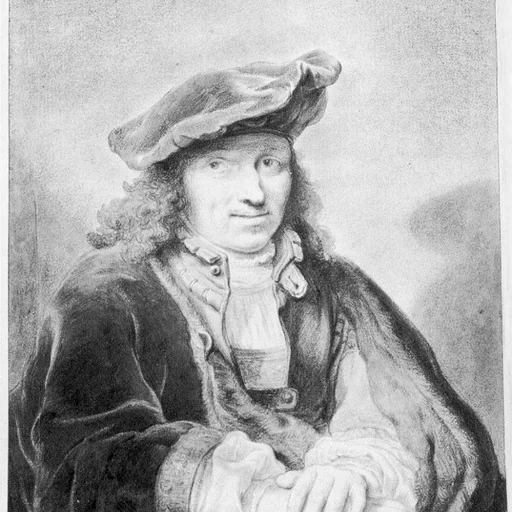
Gerbrand van den Eeckhout (19 August 1621 – 29 September 1674) was a Dutch Golden Age painter and a favourite student of Rembrandt. He was also an etcher, an amateur poet, a collector and an adviser on art.

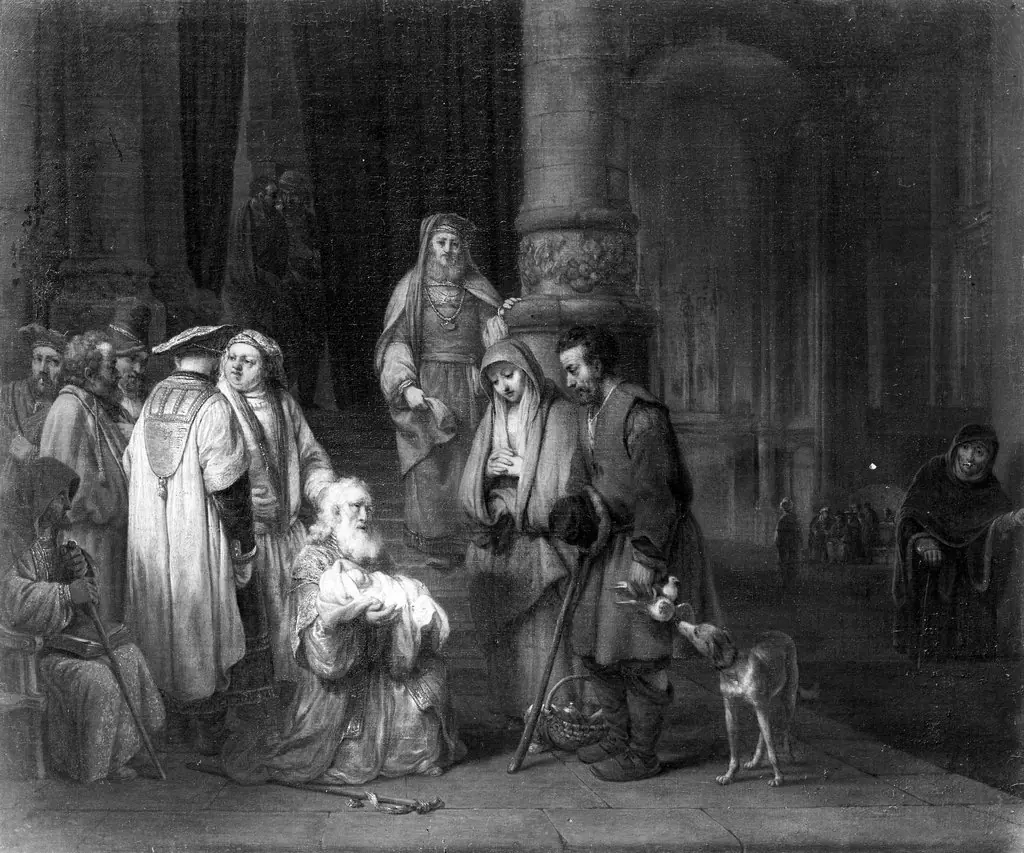 Presentation of Christ in the temple
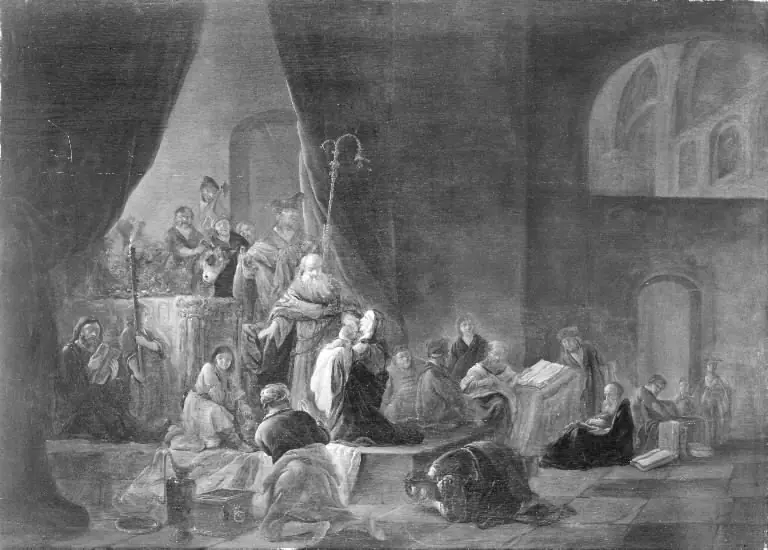 The Presentation in the Temple
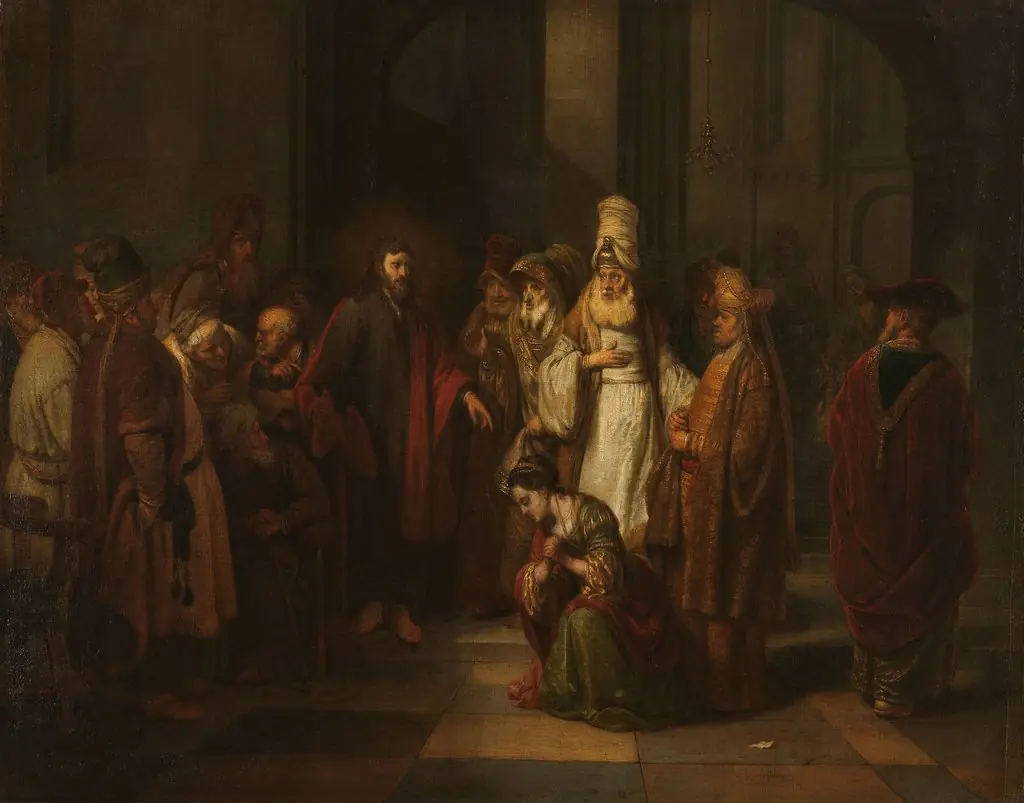
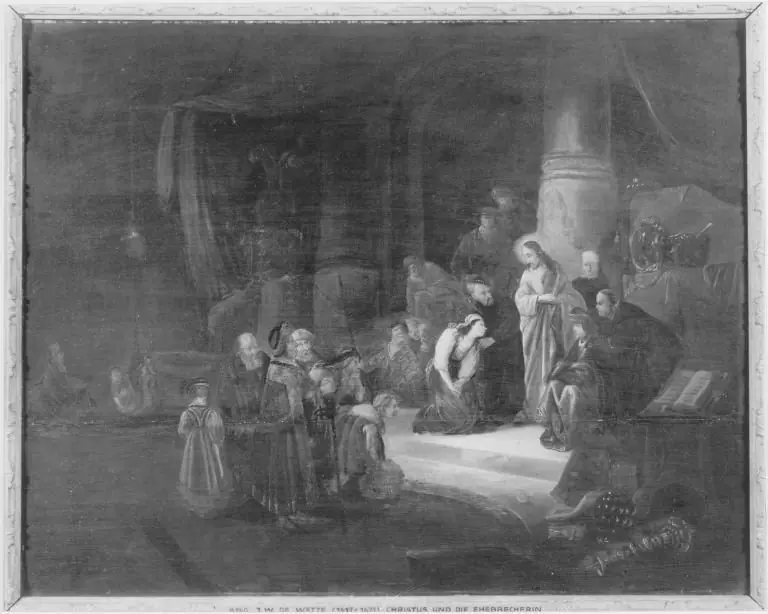 Christ and the woman taken in adultery (John 8:2-11)
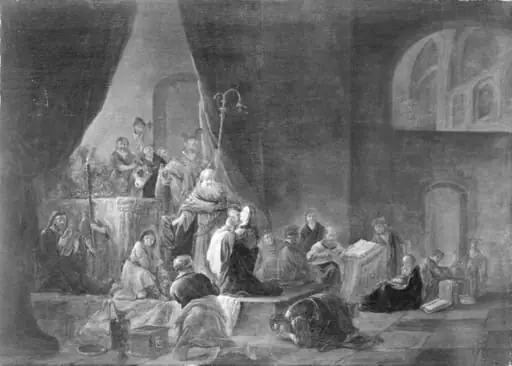 The Presentation in the Temple
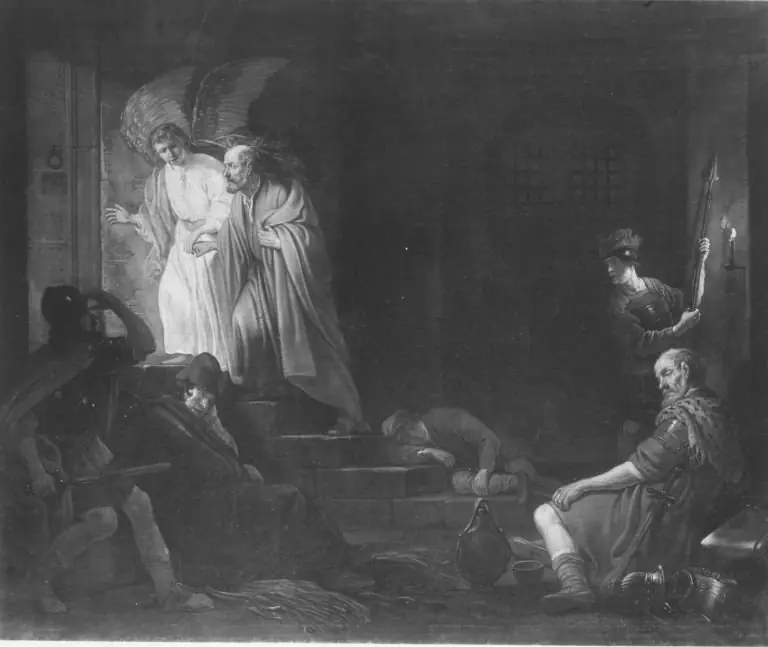 Befreiung des Petrus
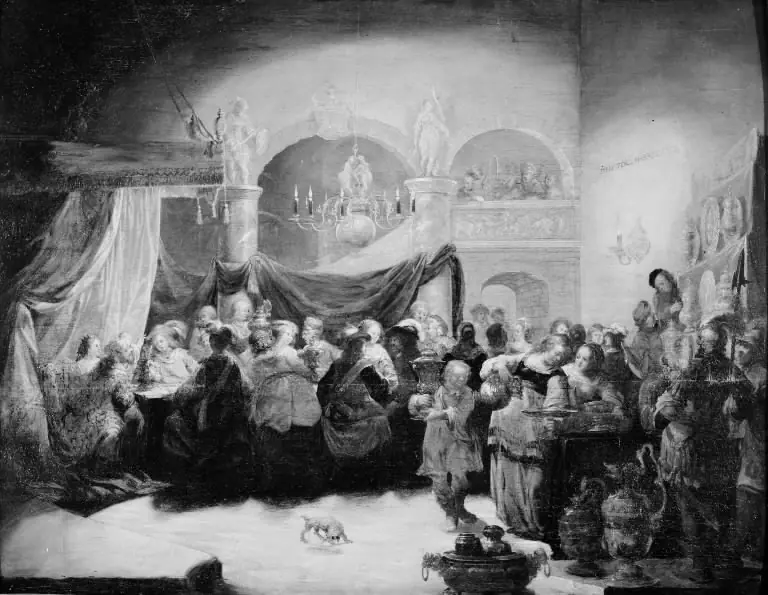 Belshazzar's Feast
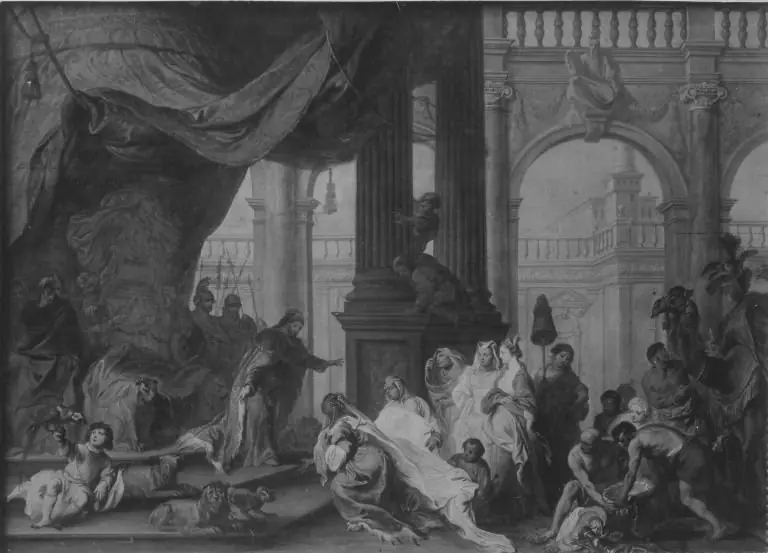 Salomon receives the Queen of Sheba
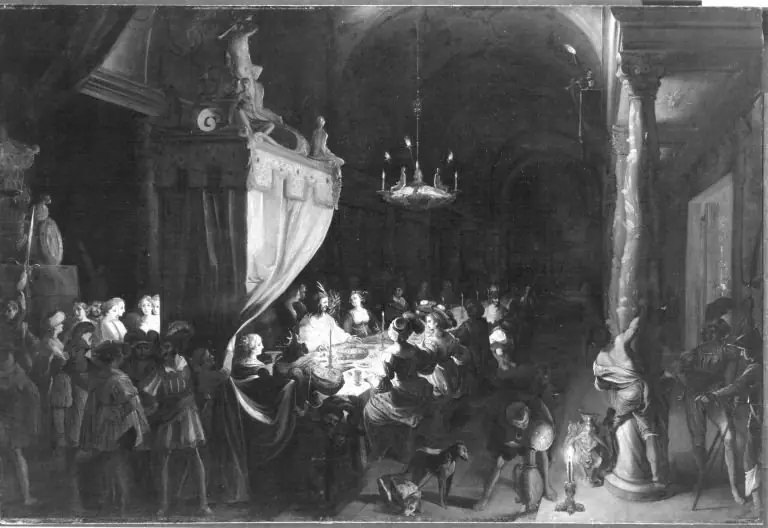 Das Gastmahl des Belsazar (zugeschrieben)
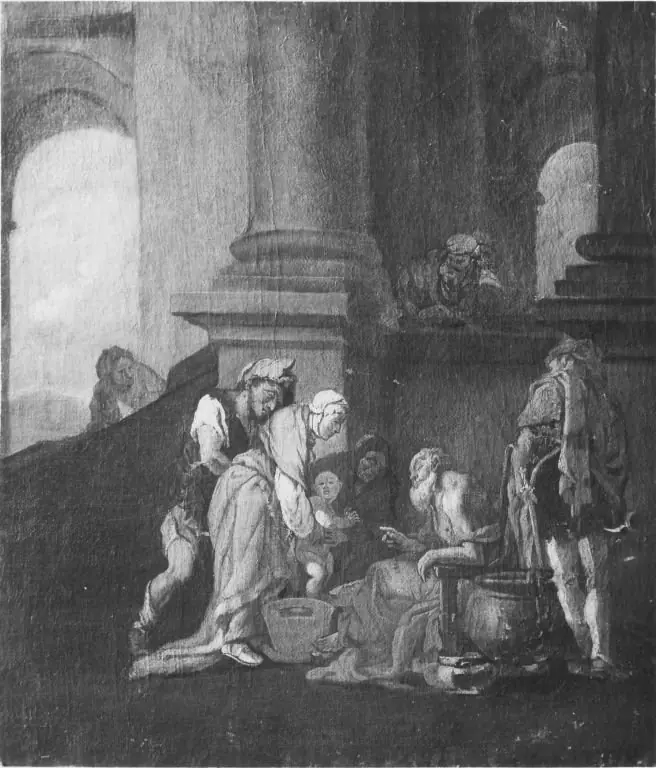 Der blinde Wahrsager
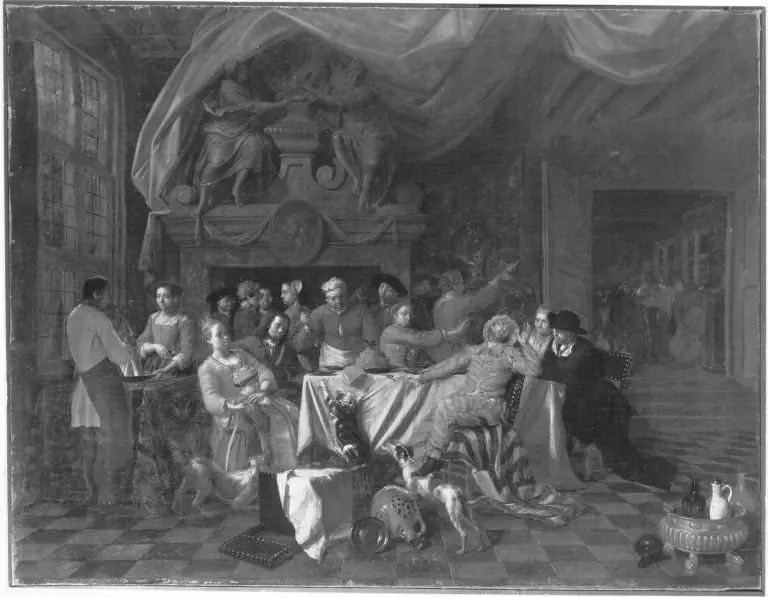 Karneval
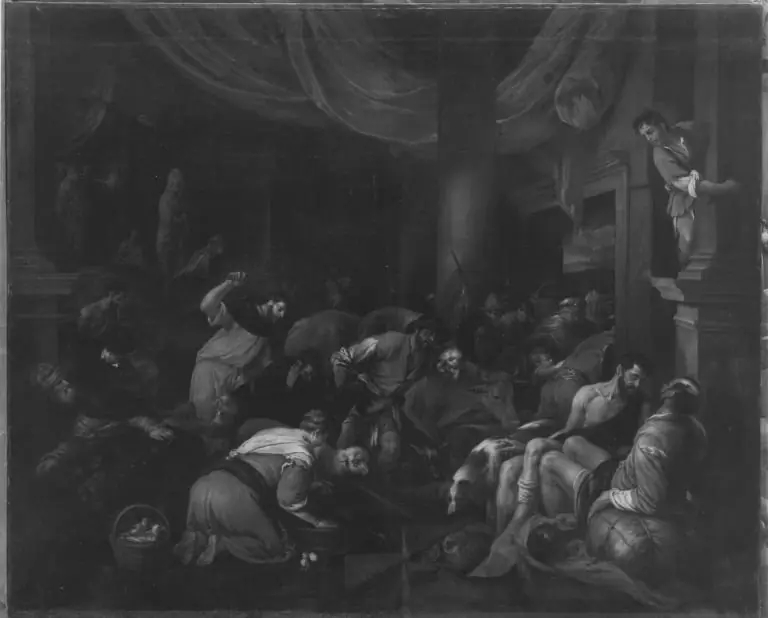 Vertreibung der Wechsler aus dem Tempel (Kopie nach)
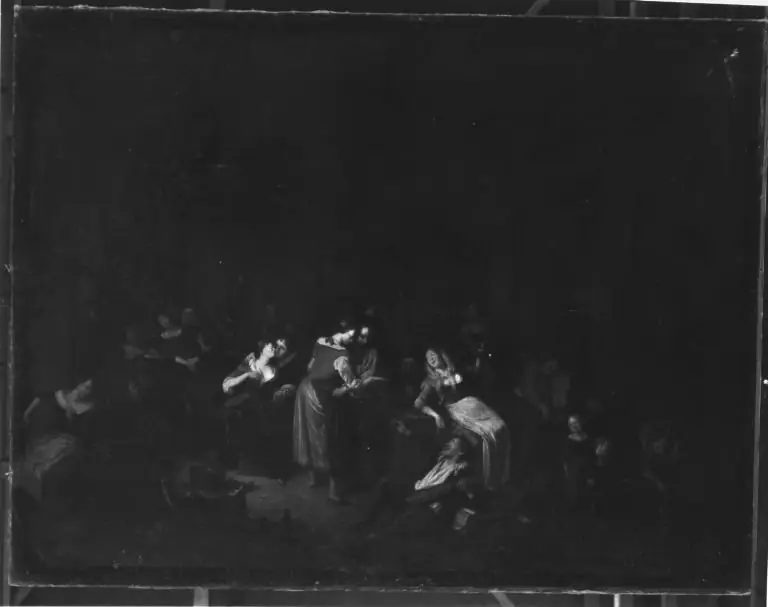 Lustige Gesellschaft