Artwork
The Continence of Scipio
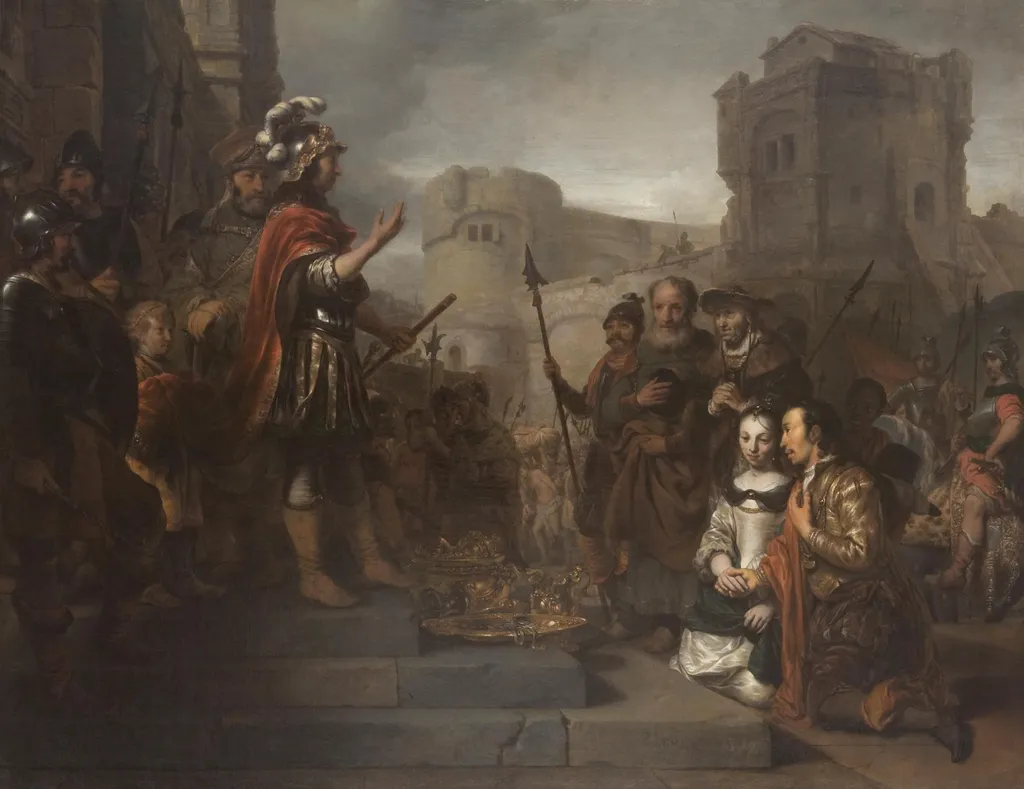
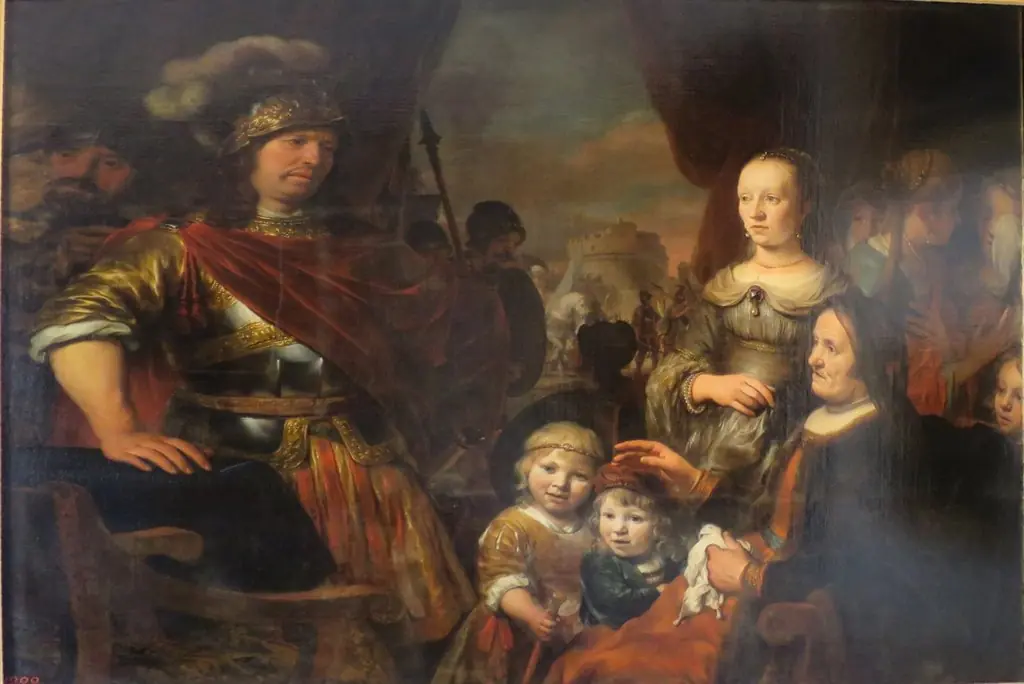
The Continence of Scipio is an oil painting by the Dutch Golden Age artist Gerbrand van den Eeckhout. It dates from 1659 and is held in the collection of the Philadelphia Museum of Art.
About this work
Overview
The painting reflects his interest in moral themes drawn from antiquity, rendered with careful attention to gesture and spatial composition.
Painted in 1659 by Gerbrand van den Eeckhout, this oil-on-canvas work portrays a moment from Roman history involving Scipio Africanus. As a pupil of Rembrandt and a noted figure in the Dutch Golden Age, van den Eeckhout specialized in historical narratives. The painting reflects his interest in moral themes drawn from antiquity, rendered with careful attention to gesture and spatial composition. It is now part of the Philadelphia Museum of Art’s permanent collection.
Subject & Meaning
The scene depicts Scipio Africanus returning a captured young woman to her betrothed, an act of restraint that contrasted with the expected brutality of war. The kneeling woman, her hands clasped, and the surrounding figures—soldiers, officials, and the fiancé—emphasize the moral weight of the moment. Scipio’s raised hand and commanding posture convey authority tempered by mercy, framing the event as a lesson in civic virtue and self-control.
Technique & Style
Van den Eeckhout employs chiaroscuro to model the figures with soft, directional light, a hallmark of Rembrandtesque influence. The red cape of Scipio draws the eye amid muted tones, while the architectural backdrop suggests depth without overwhelming the human drama. Facial expressions and body language are carefully calibrated to communicate psychological nuance, and the composition directs attention to the central gesture of restitution.
History & Provenance
Commissioned during the height of the Dutch Golden Age, the painting reflects contemporary interest in classical ethics as models for civic life. Van den Eeckhout, active in Amsterdam, produced several versions of this subject, but the 1659 iteration is the most fully realized. It entered the Philadelphia Museum of Art’s collection in the early 20th century, having passed through private European collections prior.
Context
In mid-17th-century Holland, classical history paintings served as vehicles for moral instruction, aligning with republican ideals of leadership and restraint. Scipio’s story, drawn from Roman historians like Livy, resonated with Dutch elites who valued discipline and justice over conquest. Van den Eeckhout’s treatment aligns with broader trends in Dutch historiography, where antiquity was reinterpreted through a Protestant ethical lens.
Legacy
Though less widely known than works by Rembrandt or Vermeer, van den Eeckhout’s *The Continence of Scipio* exemplifies the Dutch engagement with classical virtue. Its preservation in a major American museum underscores its role in transmitting early modern moral narratives. The painting remains a reference point for studies on the intersection of history, ethics, and visual culture in the Northern Renaissance tradition.
Own this work as a print
Artist & collection
Artist
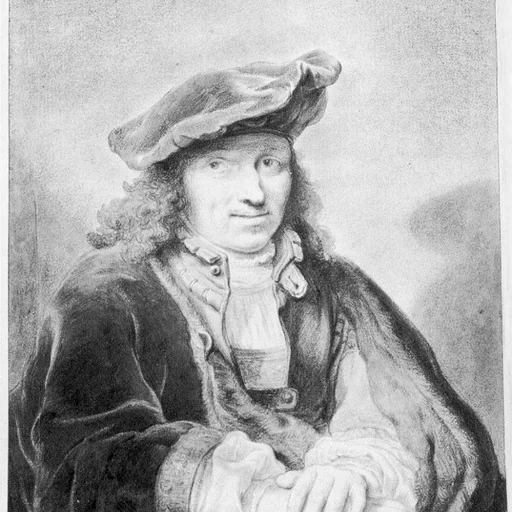
Gerbrand van den Eeckhout (19 August 1621 – 29 September 1674) was a Dutch Golden Age painter and a favourite student of Rembrandt. He was also an etcher, an amateur poet, a collector and an adviser on art.

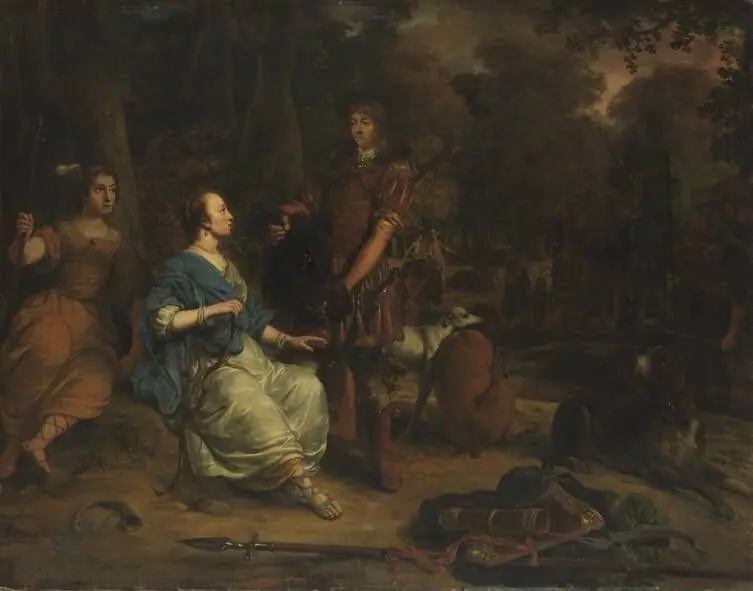
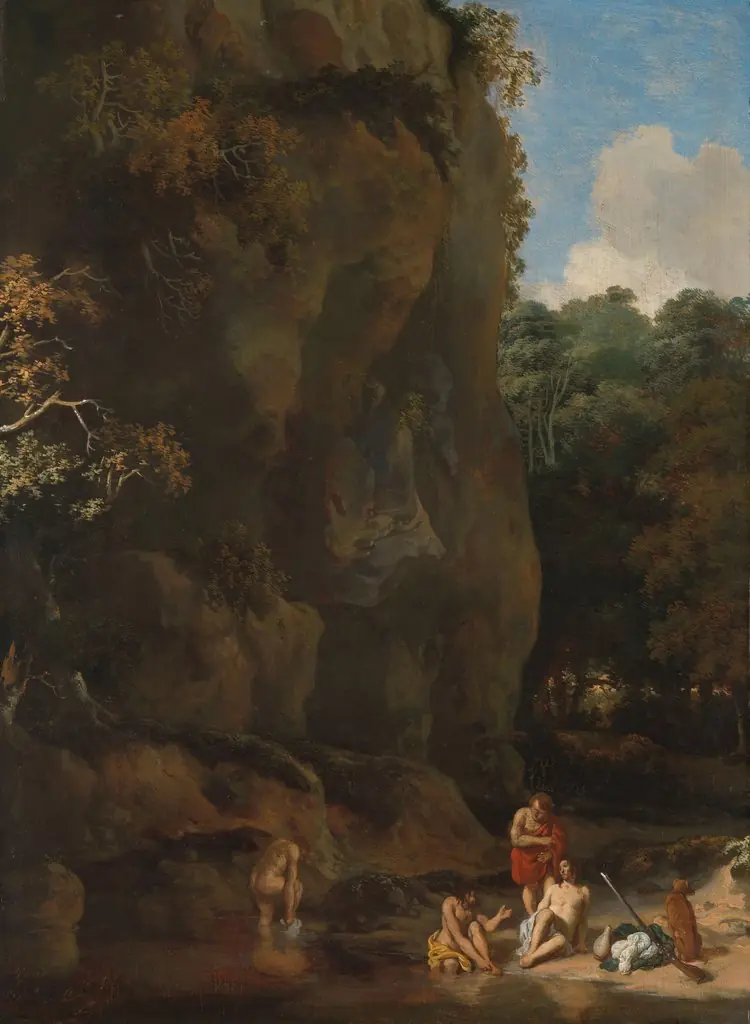
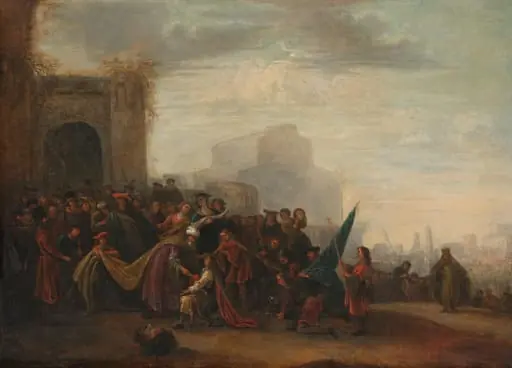 Saul Welcoming David after his Victory over Goliath
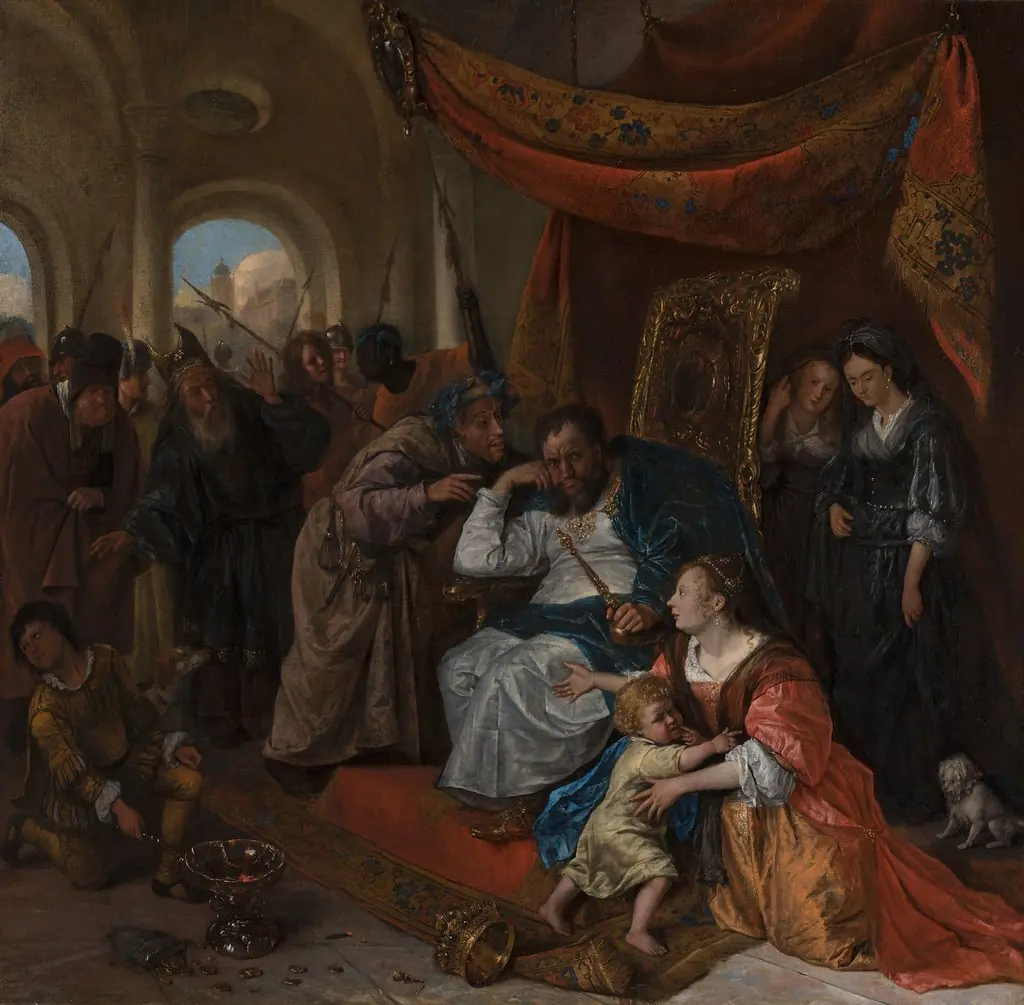 Moses and Pharaoh’s Crown
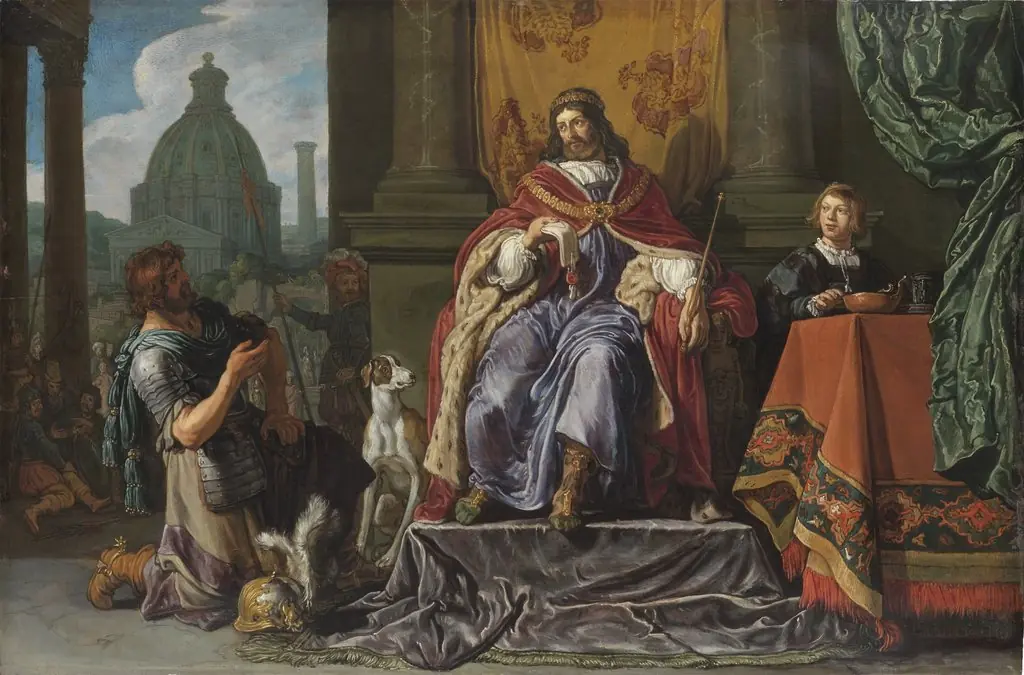 David Gives Uriah a Letter for Joab
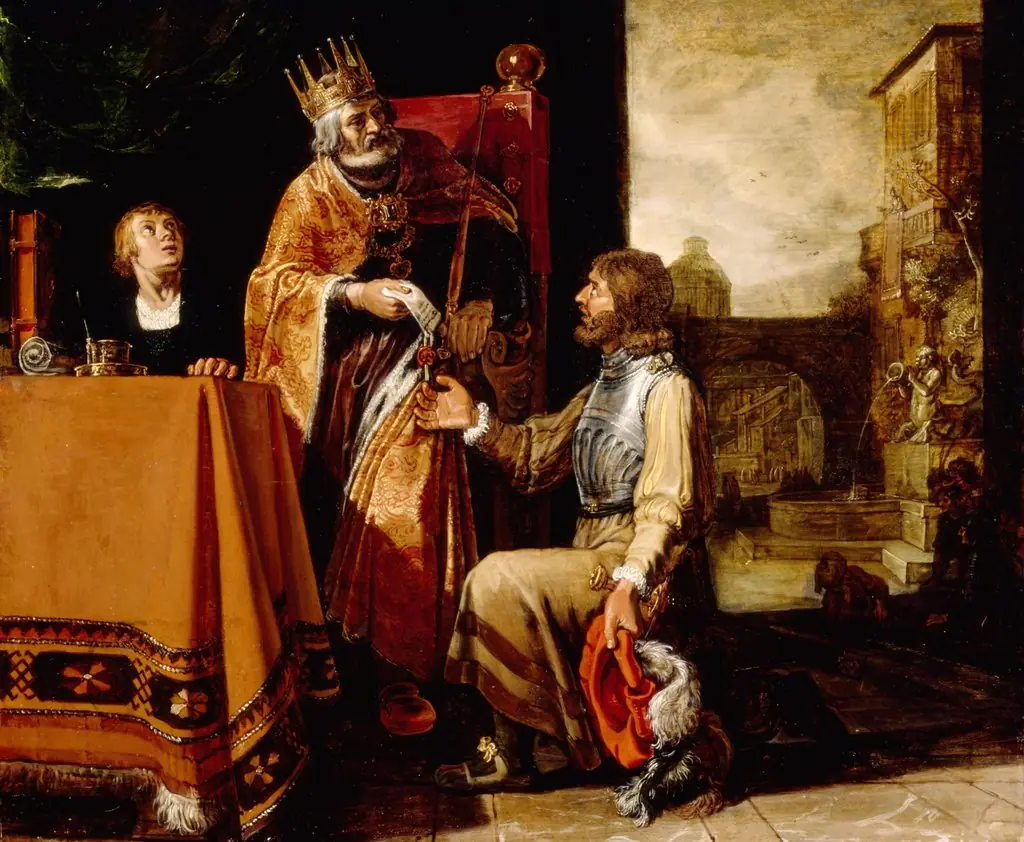 King David Handing the Letter to Uriah
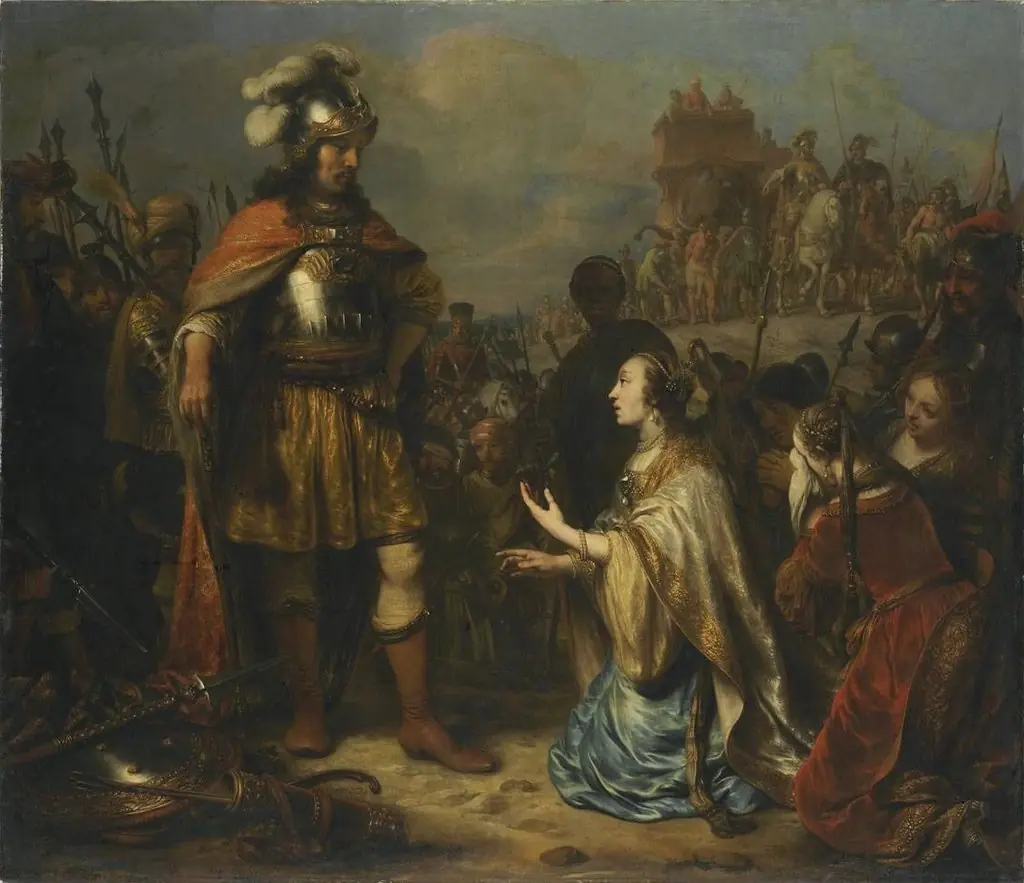 Alexander und die Frauen des Darius
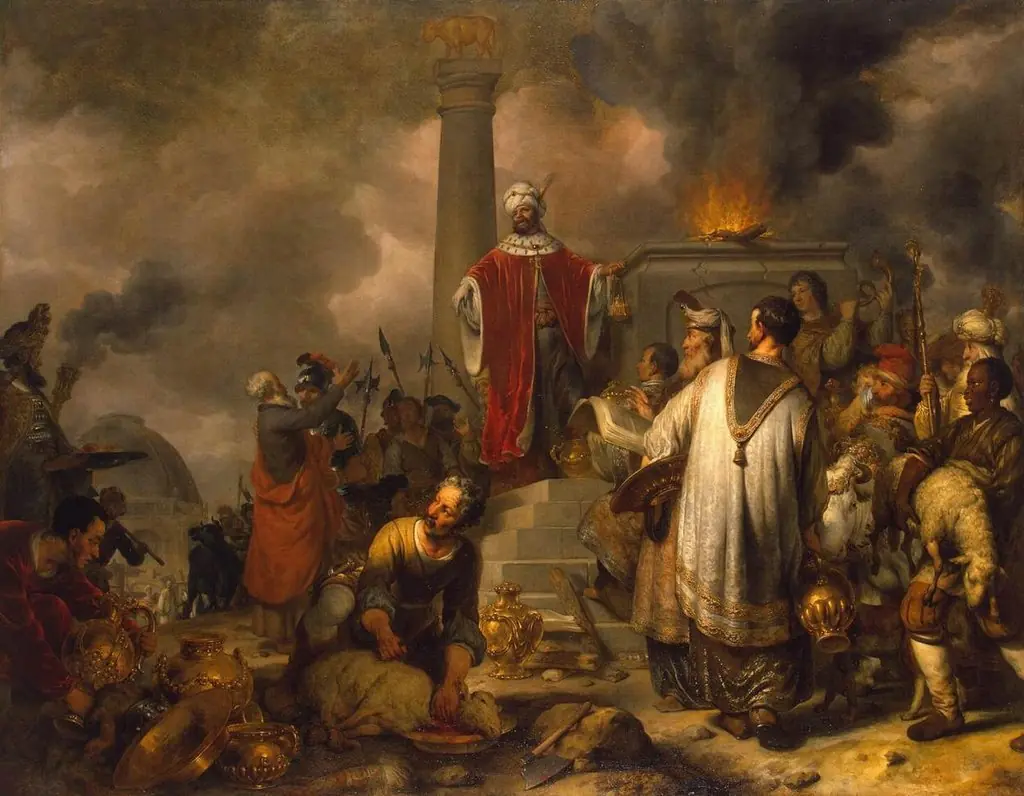 Jeroboam's Sacrifice at Bethel
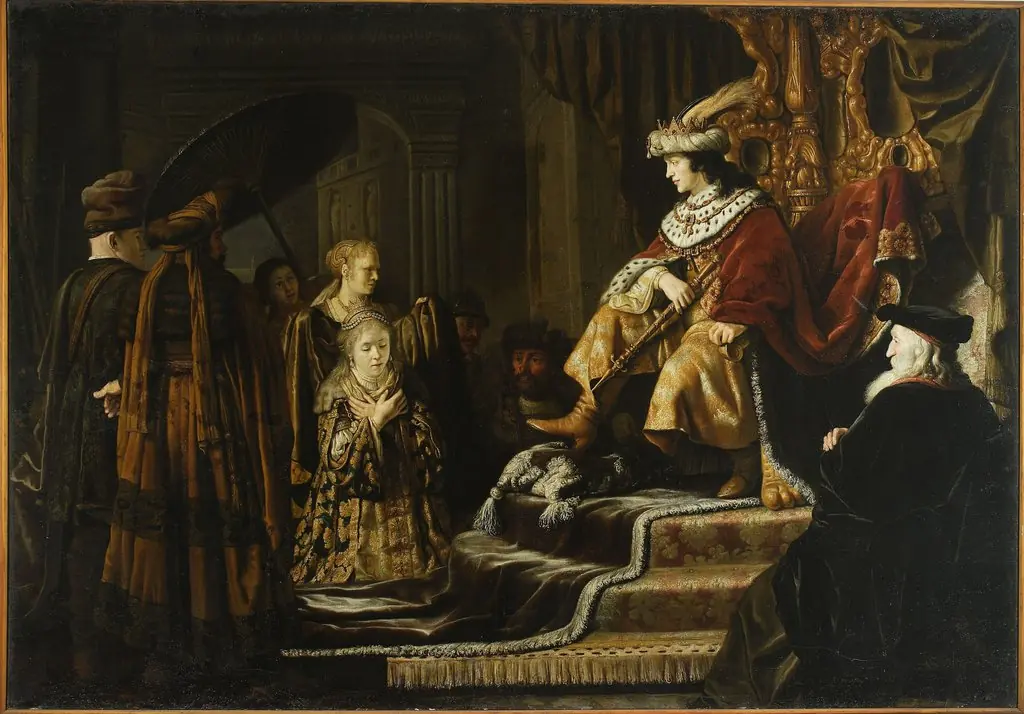 Esther before Ahasuerus (Esther 2:16)
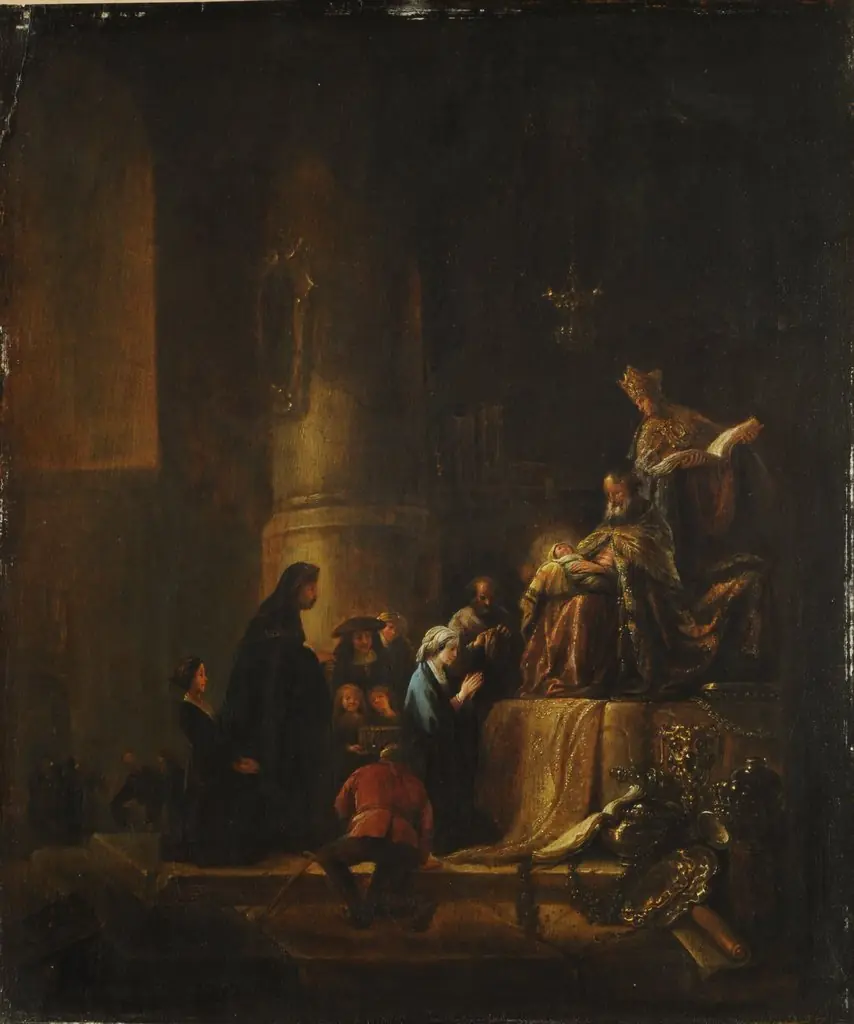 Presentation to the temple
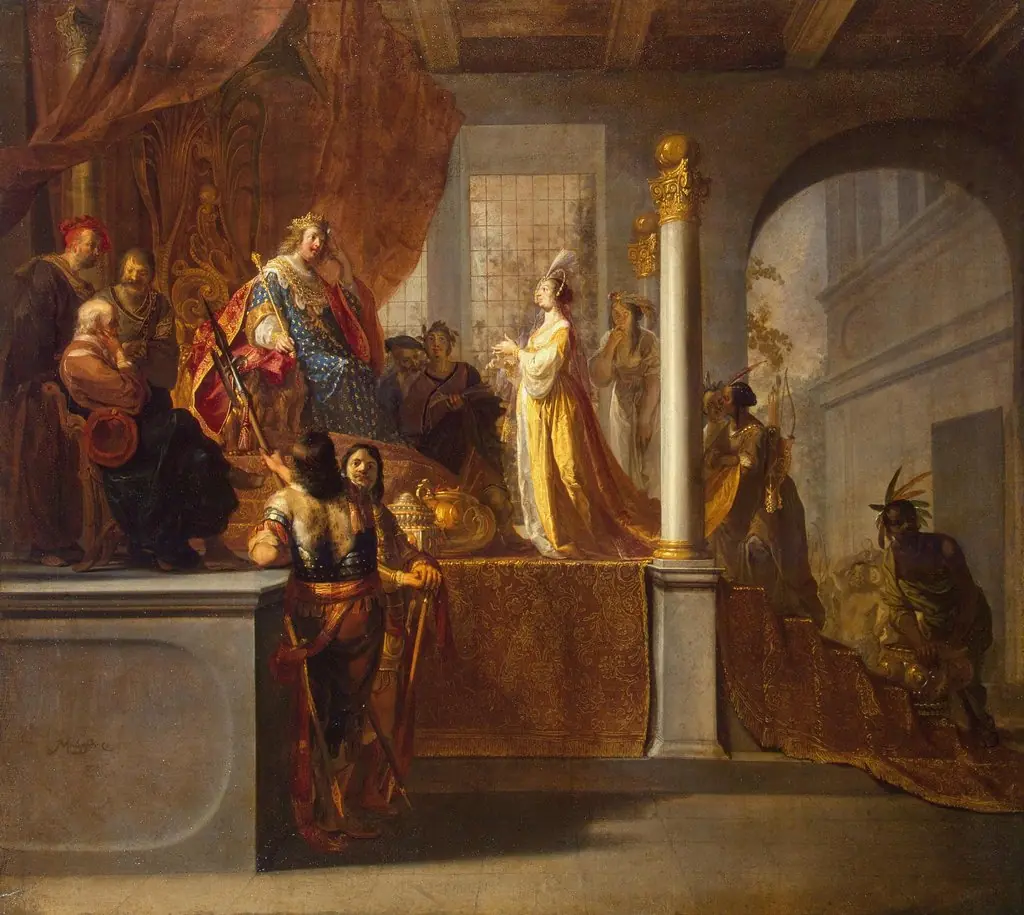 Queen of Sheba before Solomon