Artwork
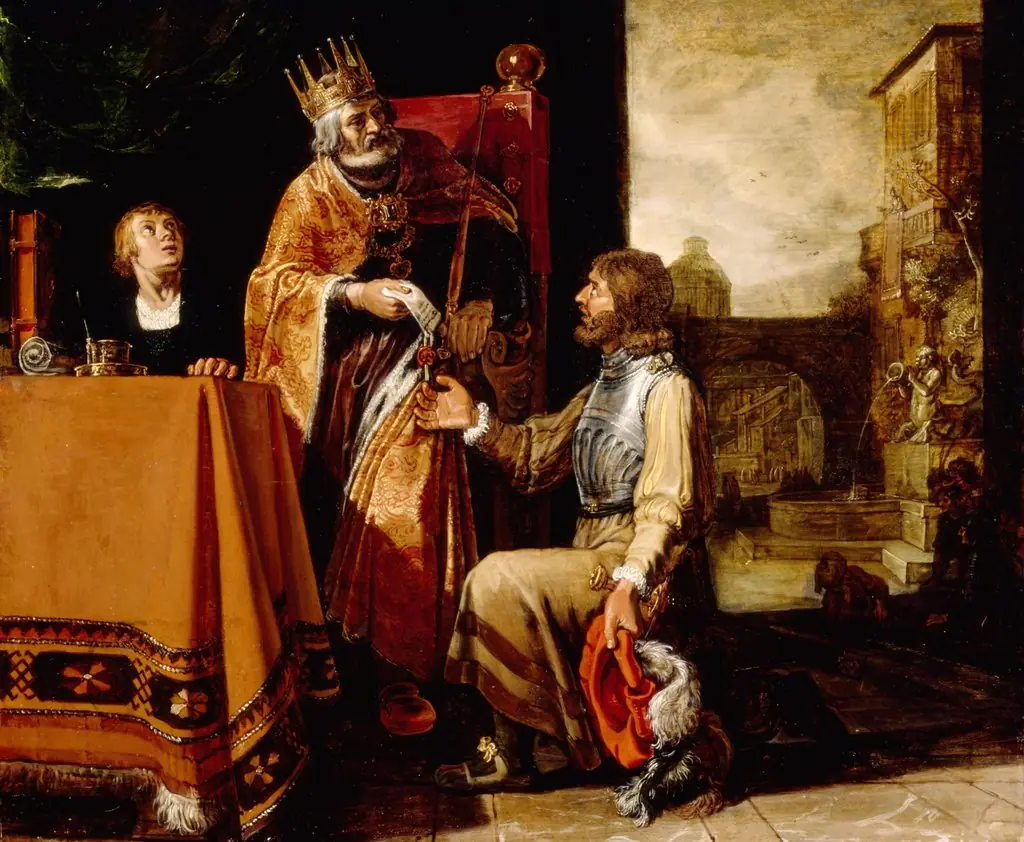
David Gives Uriah a Letter for Joab
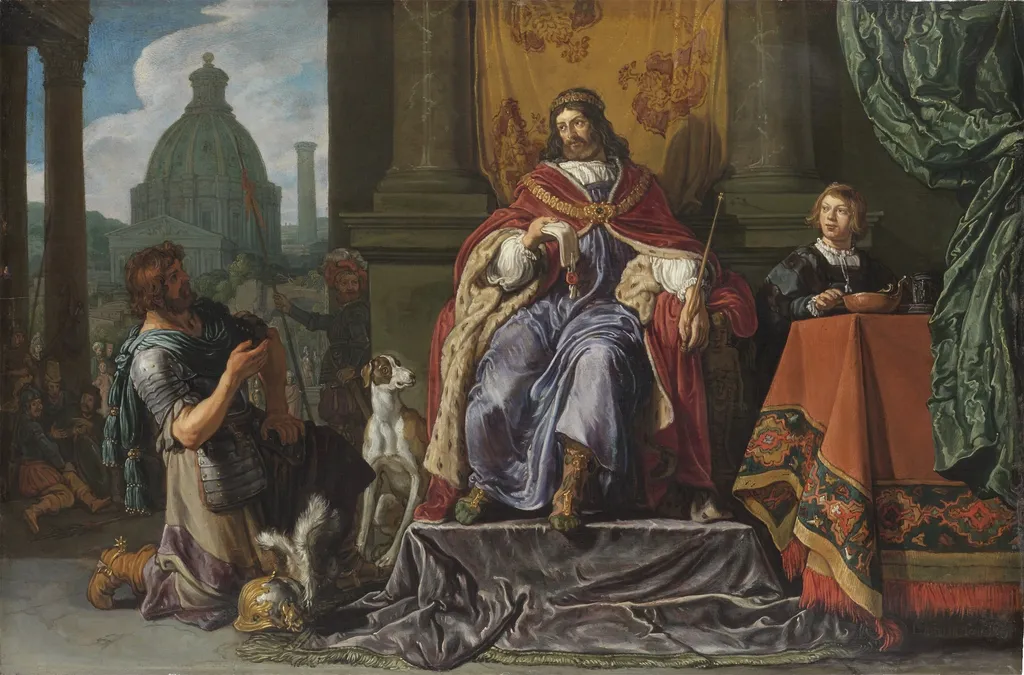
David Gives Uriah a Letter for Joab is an oil painting by the Dutch Golden Age artist Pieter Lastman. It dates from 1619 and is held in the collection of the Mauritshuis.
About this work
Overview
Lastman, a Dutch artist known for narrative precision, captures King David’s quiet command as he entrusts a sealed letter to Uriah.
Painted in 1619 by Pieter Lastman, this oil-on-canvas work illustrates a moment from the biblical Book of Samuel. Lastman, a Dutch artist known for narrative precision, captures King David’s quiet command as he entrusts a sealed letter to Uriah. The scene unfolds in a classical interior, with architectural elements framing the figures and a distant city visible through a window, grounding the moment in both sacred text and contemporary Dutch visual culture.
Subject & Meaning
The painting portrays King David instructing Uriah to deliver a letter to General Joab, a message that will lead to Uriah’s death. David, seated on a throne, holds the letter and a scepter, symbols of his authority, while Uriah, kneeling, receives it with apparent loyalty. The contrast between David’s composed demeanor and Uriah’s unawareness underscores the moral tension of betrayal cloaked in duty, a theme resonant in biblical and early modern political discourse.
Technique & Style
Lastman employs oil paint with careful attention to texture and light, using chiaroscuro to model the figures against the stone architecture. Facial expressions and gestures are rendered with psychological nuance, particularly in the contrast between David’s distant gaze and Uriah’s attentive posture. The rich fabrics of the royal robes—deep red and purple—stand out against the muted tones of the interior, enhancing the scene’s solemnity and spatial depth.
History & Provenance
Created during Lastman’s mature period, the painting reflects his role as a key figure in Dutch historical painting before Rembrandt’s rise. It remained in private collections in the Netherlands for centuries before entering a public museum. Its survival through multiple ownerships speaks to its enduring recognition as a significant example of early 17th-century Dutch biblical narrative art.
Context
In early 17th-century Amsterdam, biblical subjects were favored by patrons seeking moral and intellectual depth in art. Lastman’s work aligned with this trend, drawing from printed engravings and theological commentaries. The inclusion of a distant cityscape with a dome may reference Jerusalem, subtly reinforcing the biblical setting while reflecting Dutch familiarity with Mediterranean architecture through trade and travel.
Legacy
Lastman’s approach to biblical drama influenced a generation of Dutch painters, including Rembrandt, who studied under him. This painting exemplifies the shift from stylized religious imagery toward psychologically grounded storytelling. Though less widely known today, it remains a touchstone for understanding how Dutch artists translated sacred narratives into intimate, human-scale scenes grounded in observable reality.
Own this work as a print
Artist & collection
Artist
Pieter Lastman (1583–1633) was a Dutch painter. Lastman is considered important because of his work as a painter of history pieces and because his pupils included Rembrandt and Jan Lievens. In his paintings Lastman paid…

 Queen of Sheba before Solomon
 The Magnanimity of Scipio Africanus
 A Feast
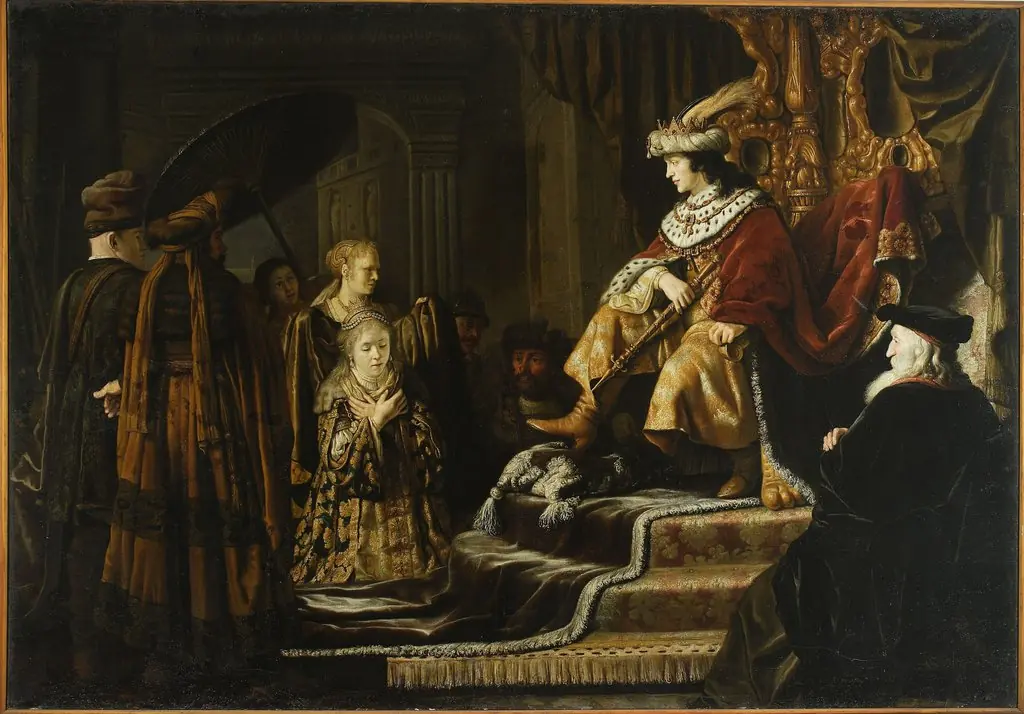 Esther before Ahasuerus (Esther 2:16)
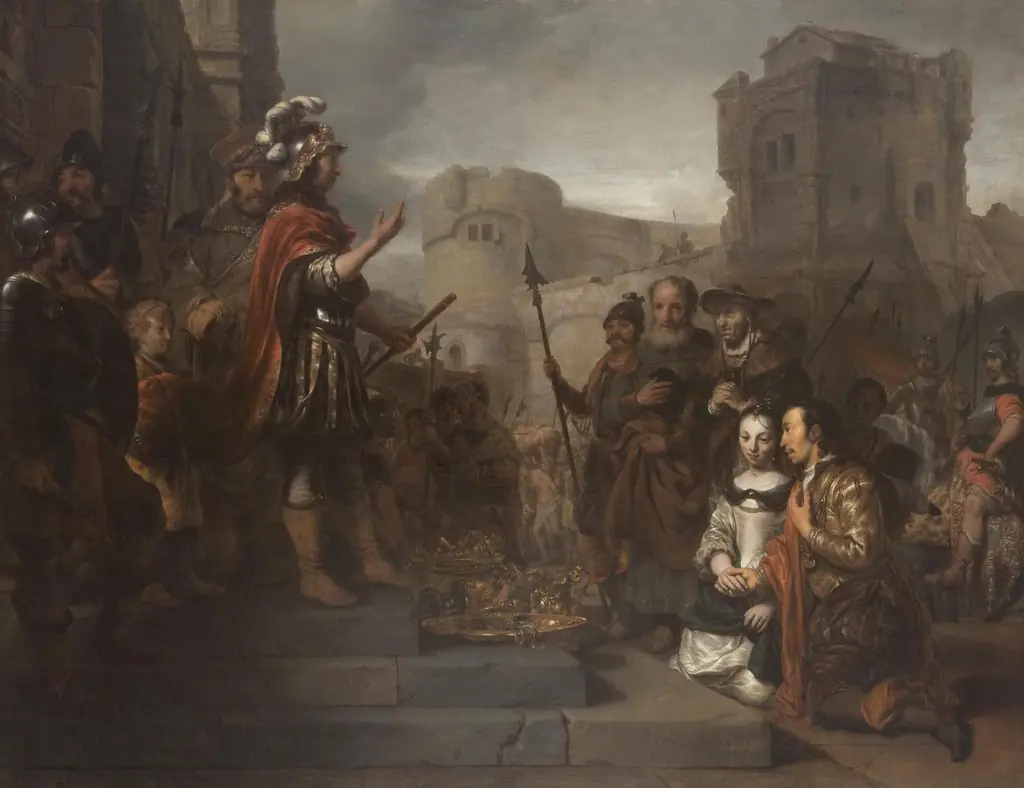 The Continence of Scipio
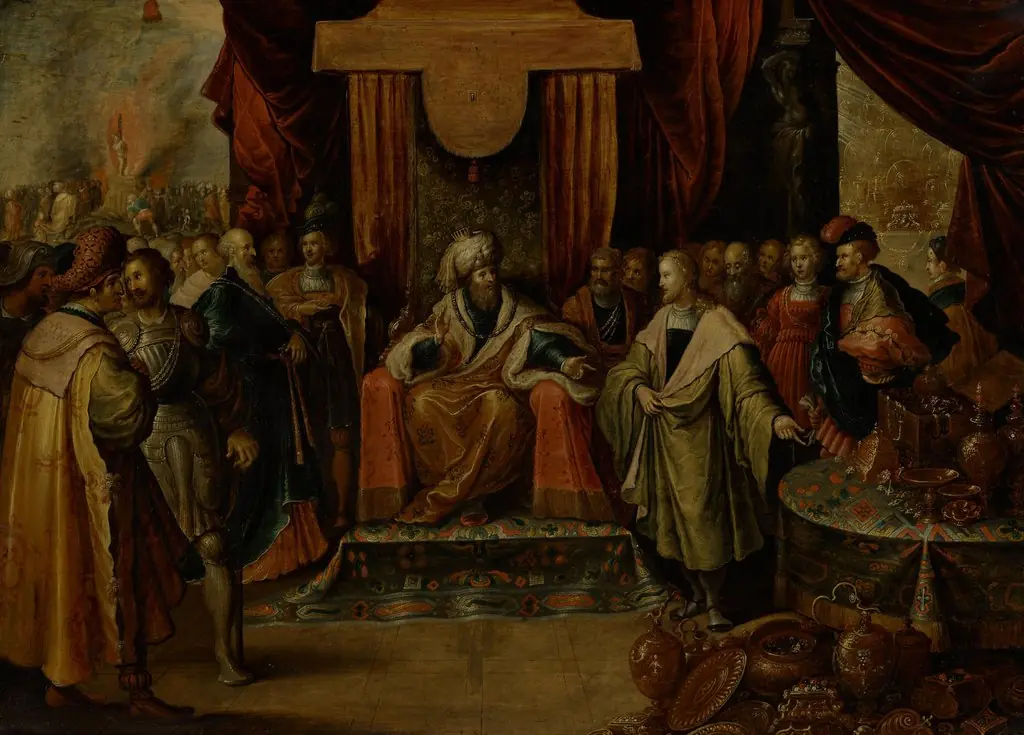 Solon und Krösus
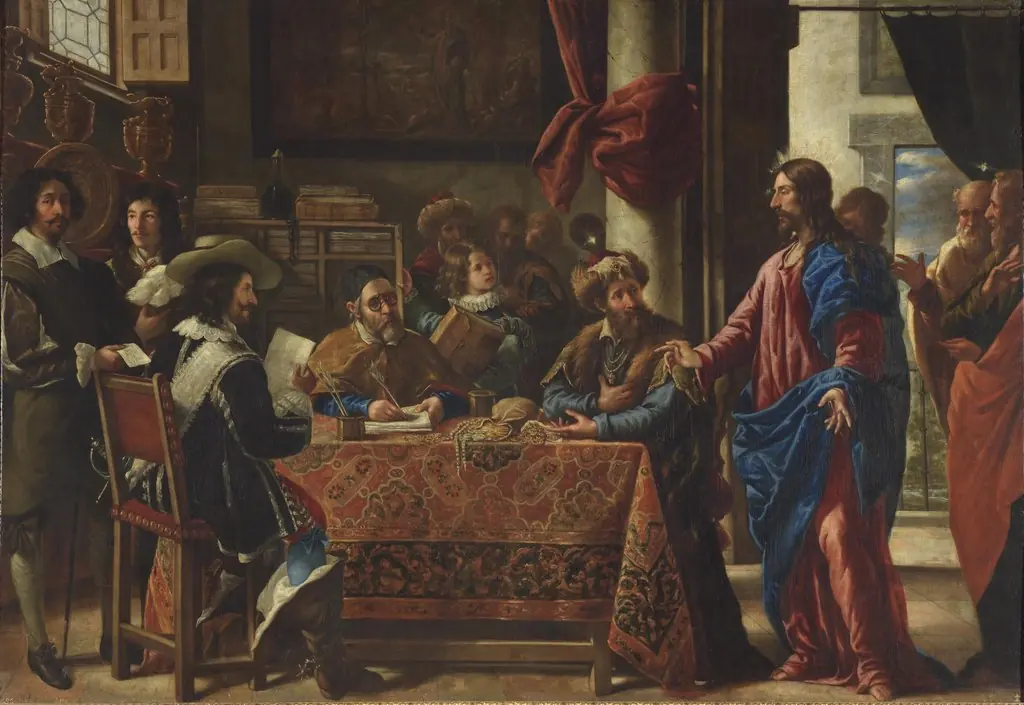 The Calling of Saint Matthew
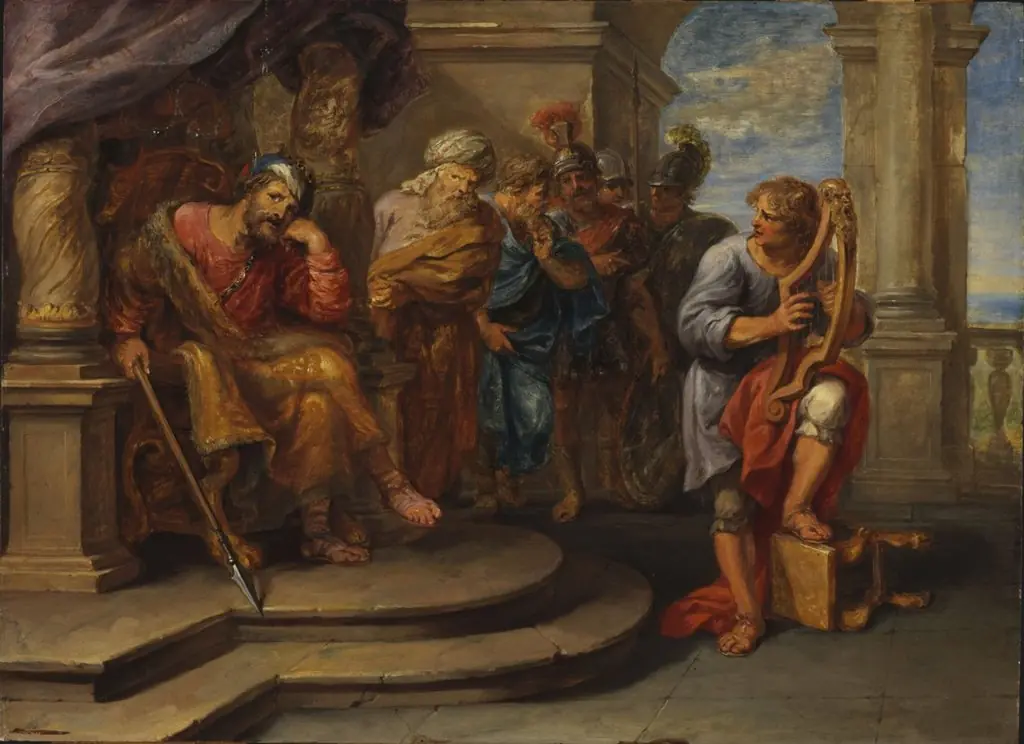 David Playing the Harp for King Saul
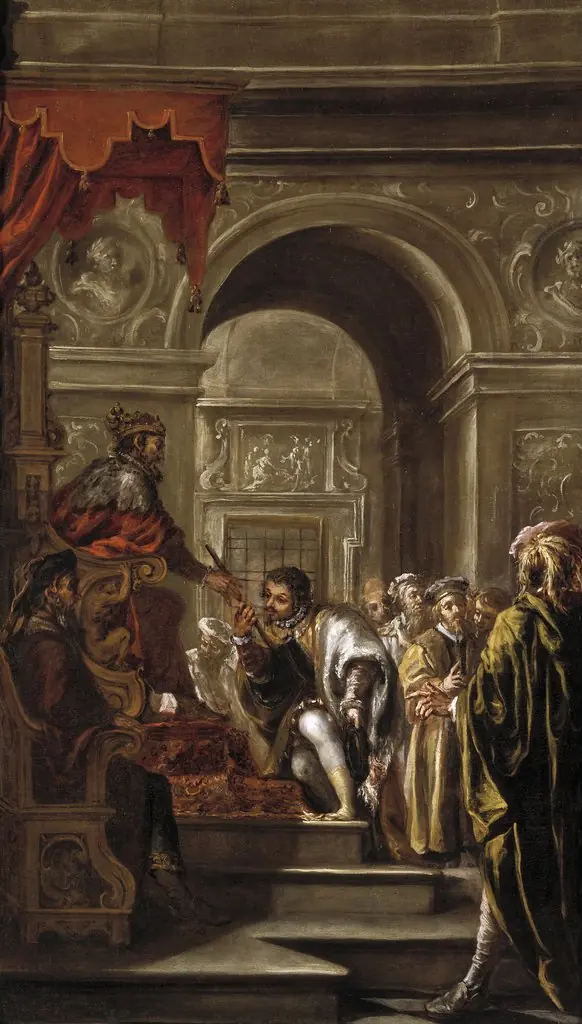 Saint Ambrose appointed Governor of Liguria and Emilia
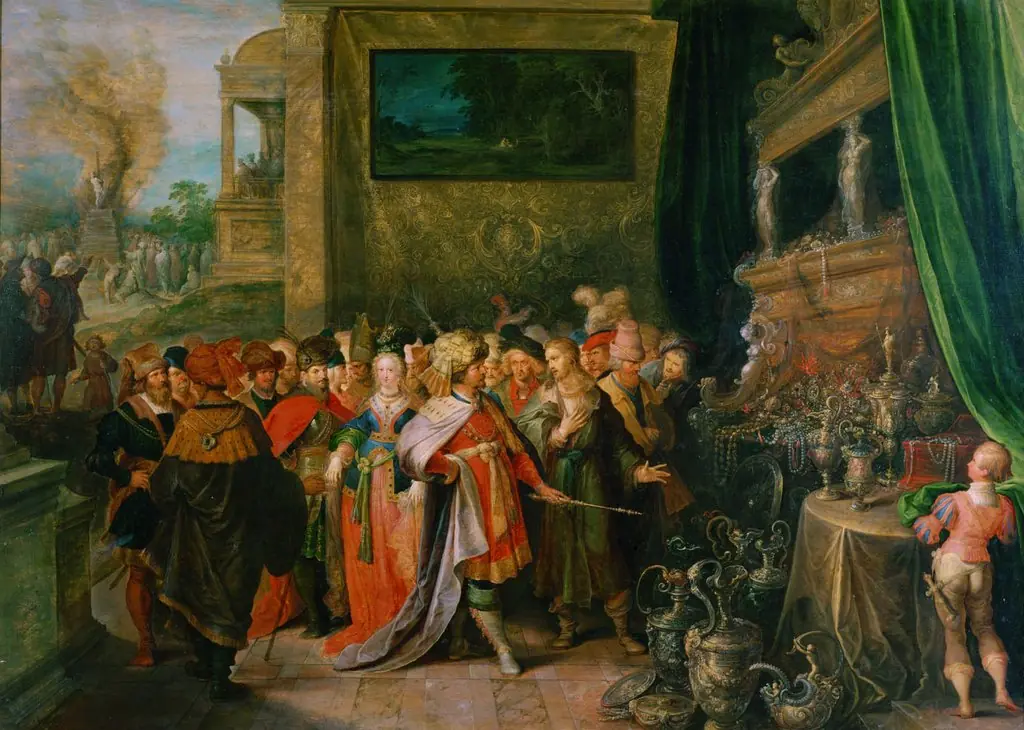 Croesus displays his treasures to Solon
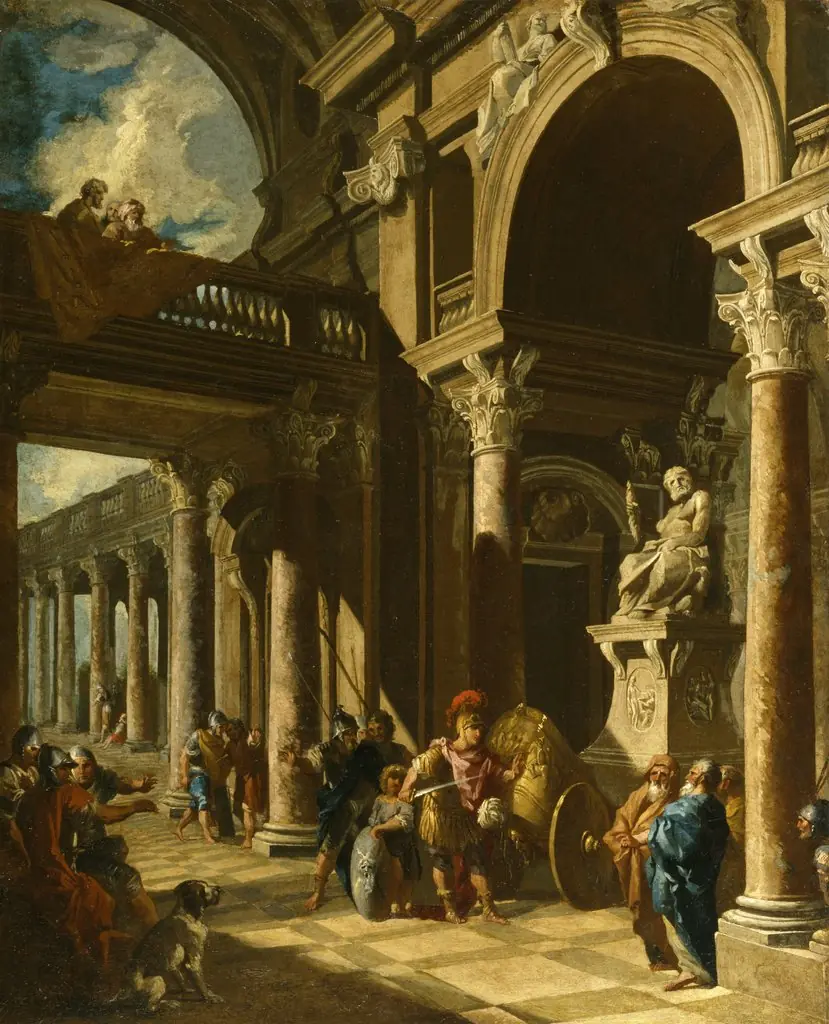 Alexander the Great Cutting the Gordian Knot
 King David Handing the Letter to Uriah