Artwork
High Mountains
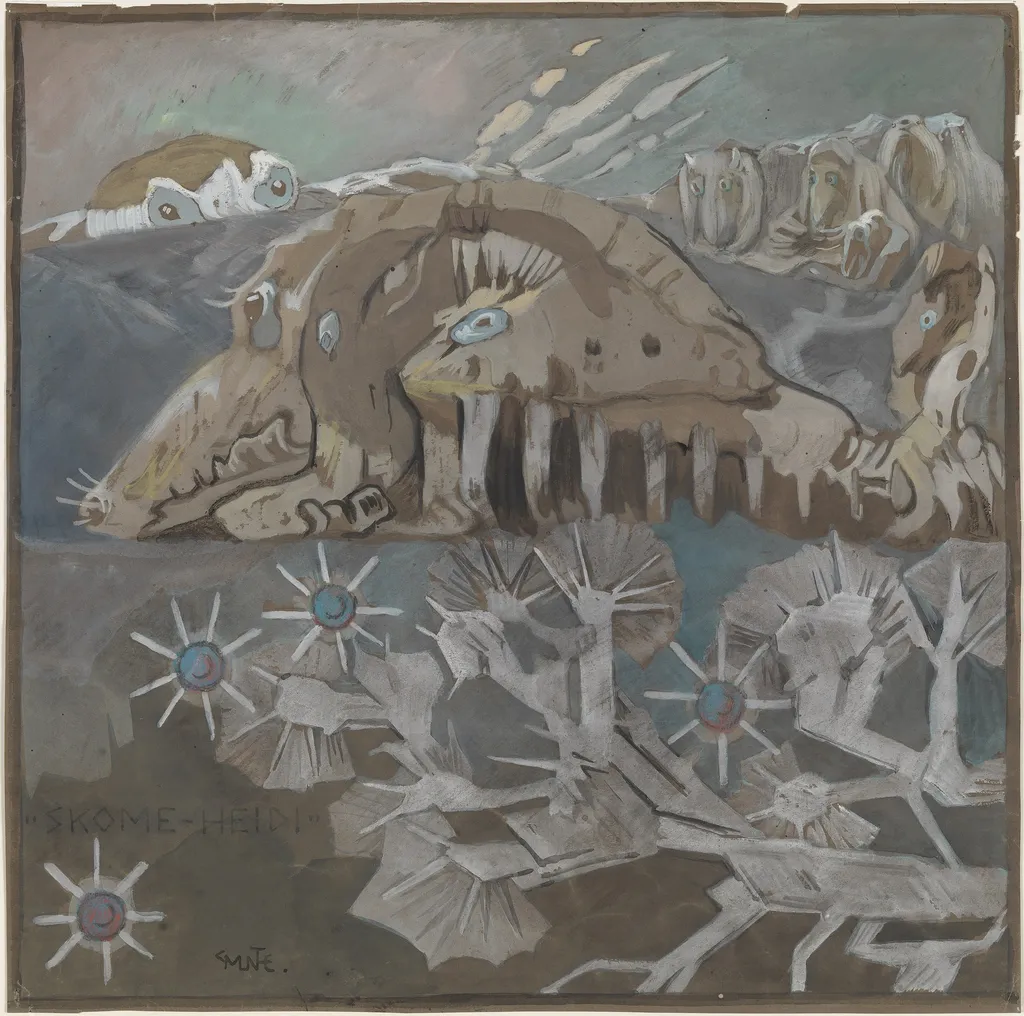
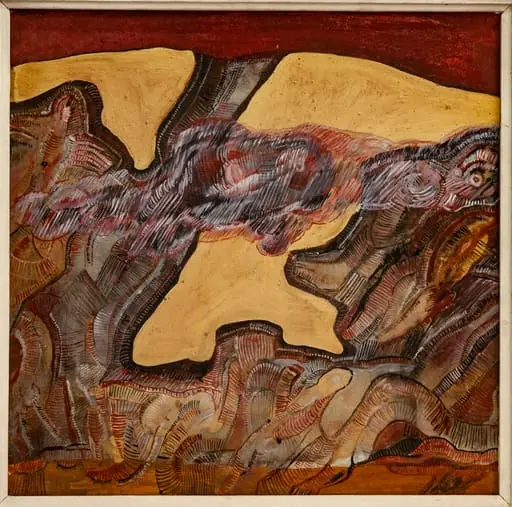
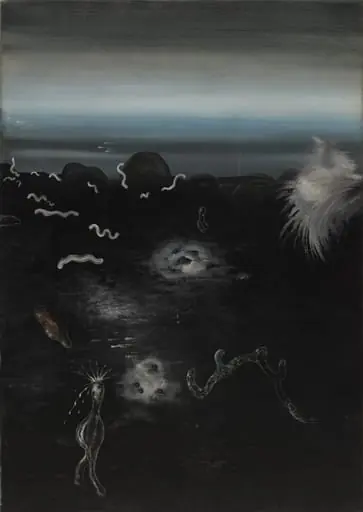
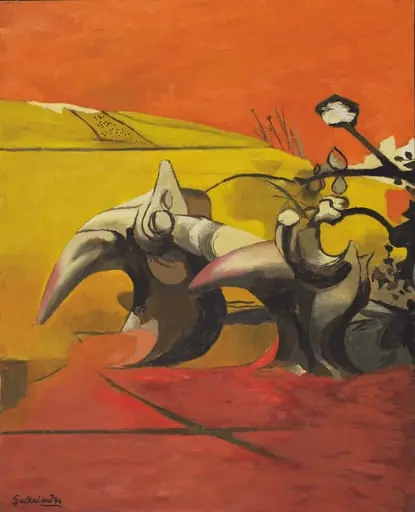
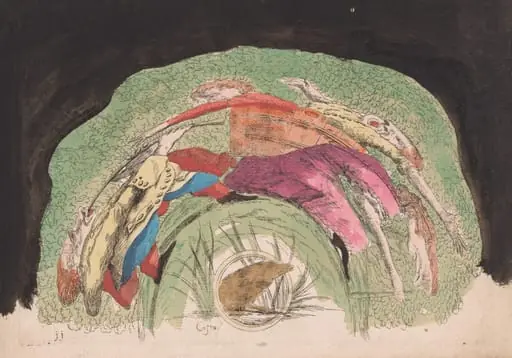
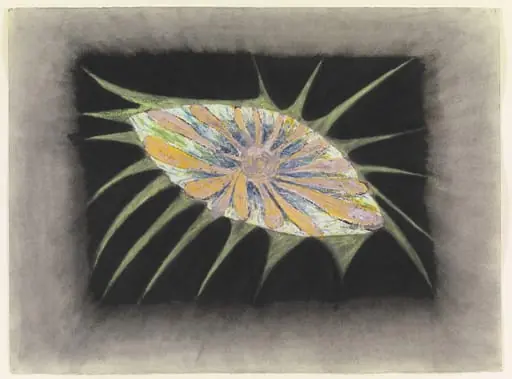
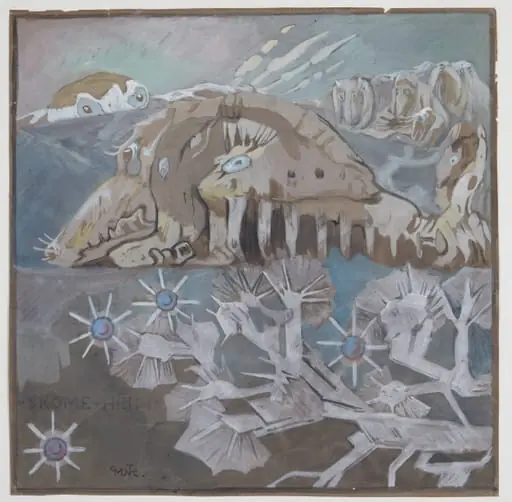
High Mountains is an unspecified painting by the Post-Impressionist artist Gerhard Munthe. It dates from 1893 and is held in the collection of the Statens Museum for Kunst.
About this work
Overview
Though not a direct imitation of French post-impressionism, it adapts the movement’s focus on emotional resonance through color and simplified form.
Painted in 1893 by Norwegian artist Gerhard Munthe, *High Mountains* is a landscape work rooted in the post-impressionist tradition. Though not a direct imitation of French post-impressionism, it adapts the movement’s focus on emotional resonance through color and simplified form. The painting resides in Statens Museum for Kunst in Copenhagen, reflecting Munthe’s role in shaping a distinct Nordic visual language during a period of national artistic awakening.
Subject & Meaning
The painting presents a rugged, elevated Norwegian terrain, stripped of human figures or narrative detail. Rather than documenting a specific location, Munthe conveys the weight and stillness of mountainous nature. The composition suggests solitude and endurance, aligning with late 19th-century Scandinavian ideals of nature as a spiritual and cultural anchor, distinct from romanticized pastoral scenes.
Technique & Style
Munthe employed bold, flattened planes of color and angular brushwork to define rock faces and ridges. His palette favors muted blues, grays, and earth tones, with subtle shifts in hue to suggest depth and light. Forms are abstracted, not rendered realistically; contours are sharp and deliberate, emphasizing structure over atmospheric effect, a hallmark of his move away from naturalism.
History & Provenance
Created during Munthe’s mature period, *High Mountains* was acquired by Statens Museum for Kunst shortly after its completion. It was among the first Norwegian works to be recognized for its stylistic independence from Danish academic norms. The painting’s inclusion in the museum’s permanent collection affirmed its significance in Norway’s emerging national art identity.
Context
In the 1890s, Norwegian artists sought to define a visual identity separate from Swedish and Danish influences. Munthe’s work contributed to this effort by integrating folk motifs and northern topography with modernist tendencies. *High Mountains* emerged alongside broader cultural movements that valorized rural landscapes as symbols of authentic national character.
Legacy
The painting influenced later Norwegian modernists who embraced abstraction and symbolic landscape. While Munthe is better known for illustration, *High Mountains* remains a key example of his painterly innovation. It helped establish that Nordic nature could be interpreted through formal experimentation, not just realism, paving the way for 20th-century abstraction in Scandinavian art.
Artist & collection
Artist
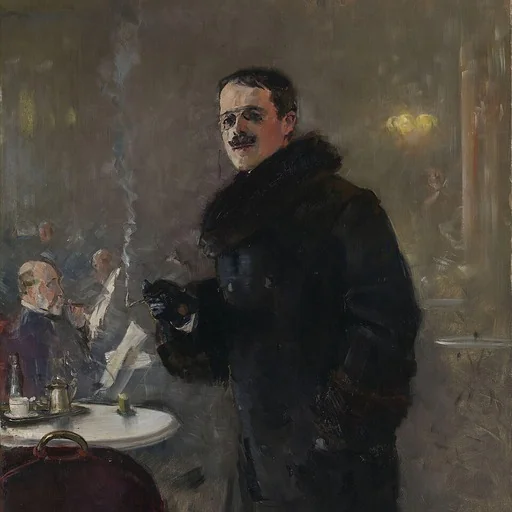
Gerhard Peter Frantz Munthe (19 July 1849 in Elverum, Hedmark – 15 January 1929 in Lysaker, Bærum) was a Norwegian painter and illustrator.