Artwork
Untitled
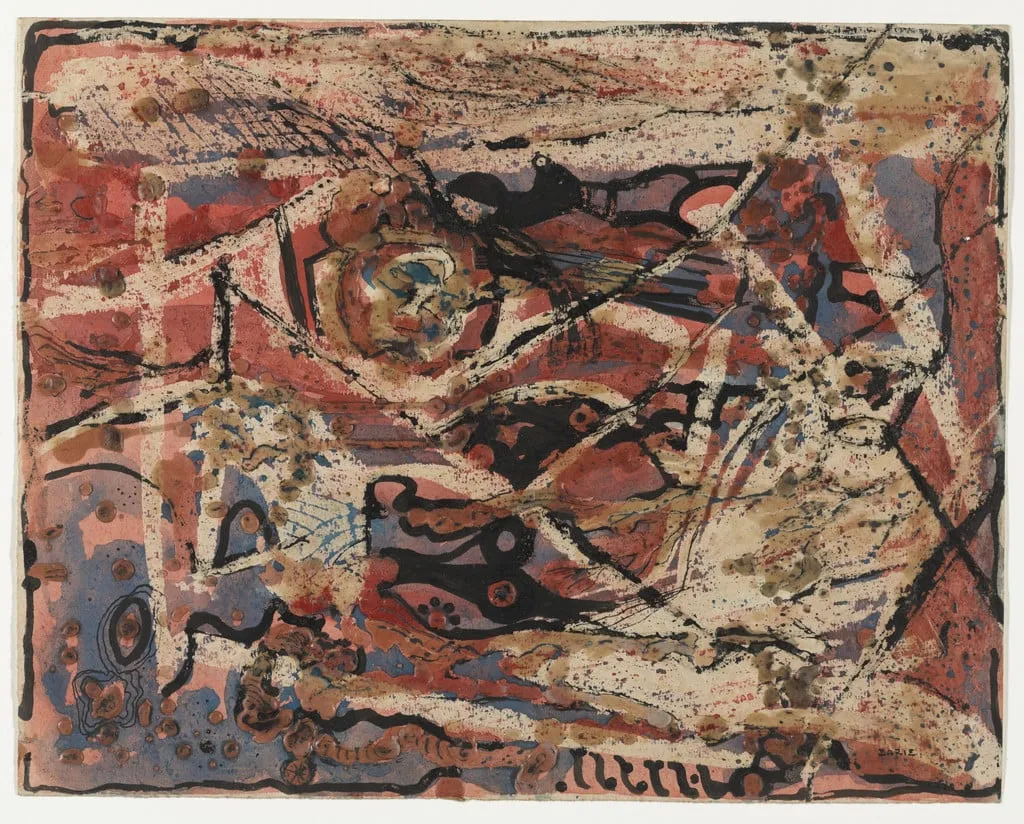
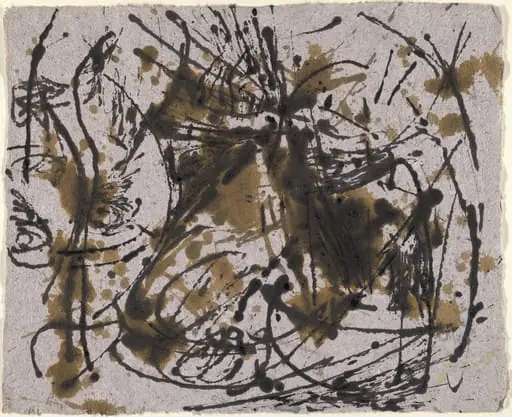
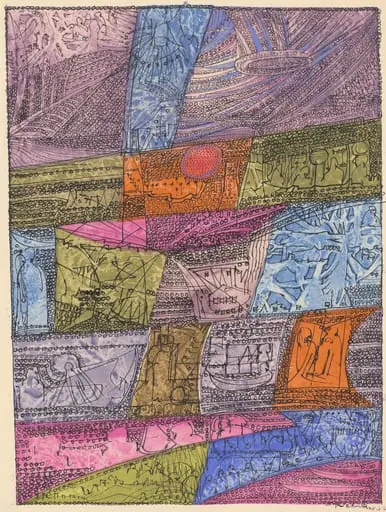
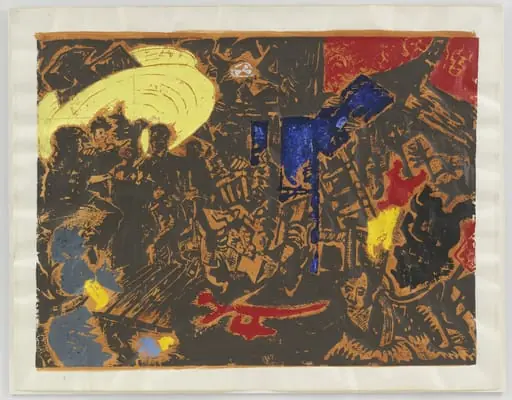
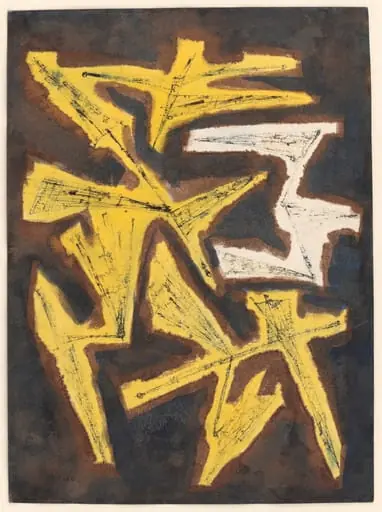
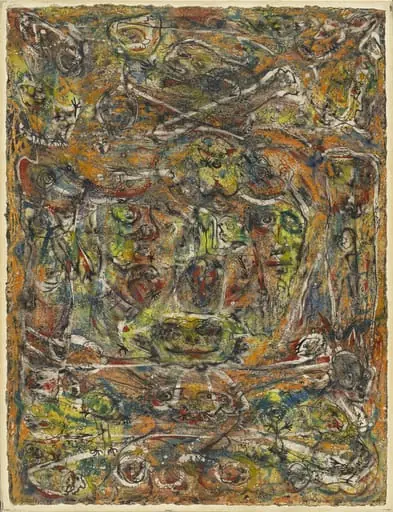
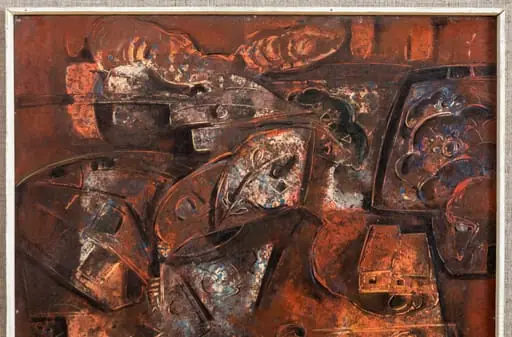
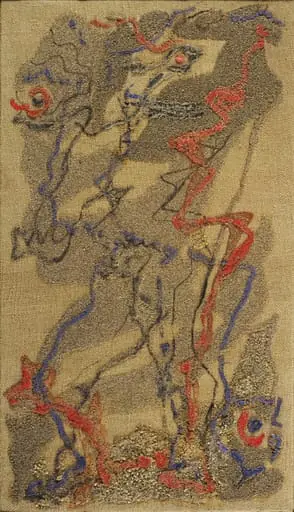
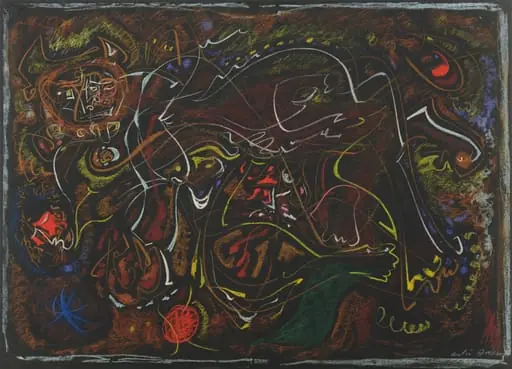
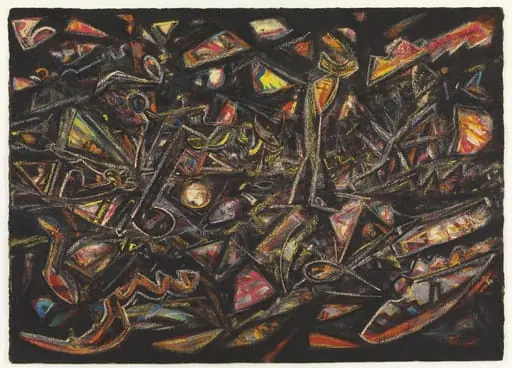
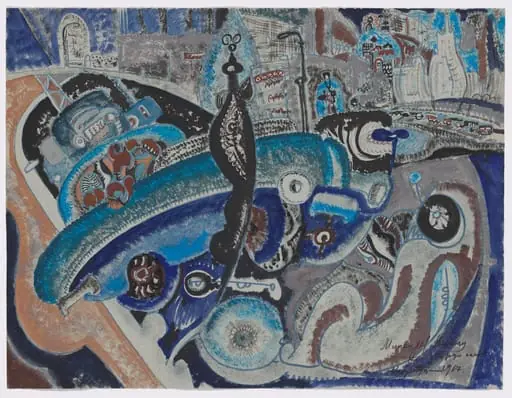
Untitled is a gouache drawing by Sandu Darie. It dates from 1946 and is held in the collection of the Museum of Modern Art.
About this work
Overview
Created in 1946, this drawing by Sandu Darie combines gouache, ink, and wax on paper, producing a layered, tactile surface. Its raw, non-idealized appearance reflects postwar experimentation with materiality and gesture. The work is part of The Museum of Modern Art’s collection, where it represents a moment when artists in Eastern Europe explored abstraction beyond formal conventions.
Subject & Meaning
No identifiable figures or scenes are present. The composition resists narrative, instead emphasizing physical intervention—scratching, smearing, and layering—as a form of expression. The chaotic interplay of color and texture suggests emotional intensity or inner turmoil, aligning with broader postwar concerns about fragmentation and resilience.
Technique & Style
Gouache was applied thickly in places, then partially scraped away to reveal the paper beneath. Wax was used to resist or mute pigment, creating uneven transitions. Ink lines cut sharply across the surface, while broad strokes of red, blue, and brown clash and bleed into one another. The result is a surface that feels both built and dismantled, deliberate yet urgent.
History & Provenance
The work was made in Romania shortly after the end of World War II, during a period of political and cultural upheaval. It entered The Museum of Modern Art’s collection in the mid-20th century, likely through acquisitions focused on emerging European modernisms. Its provenance remains largely undocumented beyond its exhibition history in the museum.
Context
In the late 1940s, Romanian artists like Darie navigated shifting state expectations around art, balancing personal expression with socialist realism’s demands. This work’s abstract, non-representational approach quietly defied official norms, aligning with broader European tendencies toward material experimentation and emotional immediacy in the war’s aftermath.
Legacy
Though not widely exhibited, the piece contributes to understanding how non-Western artists engaged with abstraction outside dominant narratives. Its emphasis on process and material over composition influenced later generations interested in the physicality of drawing and the limits of control in artistic production.
Artist & collection