Artwork
Wagoner Climbing a Hill (Roulier montant une cote)
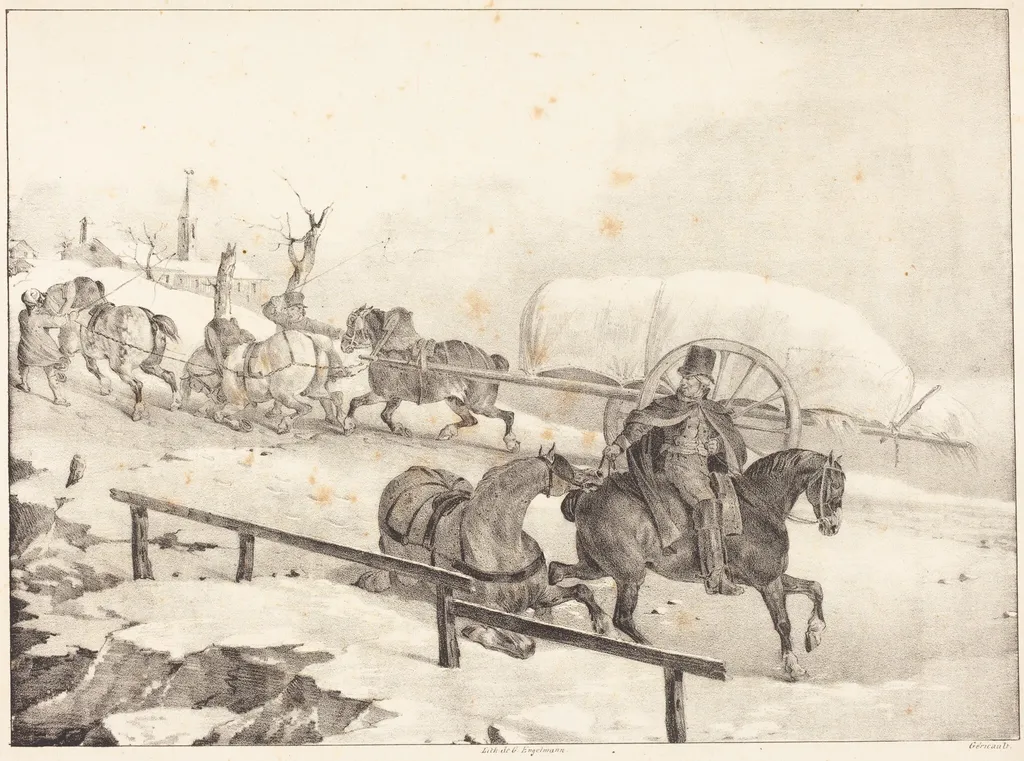
Wagoner Climbing a Hill (Roulier montant une cote) is an ink print by the Romanticist artist Théodore Géricault. It dates from 1823 and is held in the collection of the National Gallery of Art.
About this work
Overview
As one of Géricault’s later graphic works, it reflects his sustained interest in physical exertion and the dignity of manual labor.
Created in 1823 by Théodore Géricault, *Wagoner Climbing a Hill* is a lithograph that captures a rural laborer and his horse hauling a heavy cart up a steep incline. As one of Géricault’s later graphic works, it reflects his sustained interest in physical exertion and the dignity of manual labor. Unlike his grand historical scenes, this piece focuses on an unidealized moment of everyday toil, rendered with quiet intensity through the medium of lithography.
Subject & Meaning
The image portrays a solitary wagoner and his straining horse engaged in arduous ascent, emphasizing effort over narrative. Géricault avoids melodrama, instead conveying resilience through posture and weight. The scene elevates an ordinary rural task into a study of endurance, aligning with Romanticism’s interest in human struggle against nature and circumstance, without romanticizing poverty or heroism.
Technique & Style
Géricault employed lithography, a relatively new print medium at the time, to achieve tonal depth and expressive line work. He used chalk and ink directly on stone, allowing for fluid, gestural marks that mimic the texture of dirt, fabric, and muscle. The composition is tightly cropped, focusing attention on the figures’ exertion, while the stark contrast between dark forms and pale ground enhances the sense of physical resistance.
History & Provenance
Produced in 1823, the lithograph emerged during Géricault’s post-*Raft of the Medusa* period, when he turned increasingly to graphic art and studies of labor. It was likely made for private circulation rather than public exhibition. The work entered institutional collections in the late 19th century, where it was recognized for its technical innovation and empathetic portrayal of working-class life.
Context
In early 19th-century France, industrialization and social change heightened awareness of laborers’ conditions. Géricault’s interest in this subject paralleled broader cultural shifts, including the rise of realism in literature and the growing visibility of rural workers in public discourse. His lithographs, including this one, offered a counterpoint to academic idealism by grounding art in observable, unvarnished reality.
Legacy
Though less known than his large-scale paintings, this lithograph influenced later artists drawn to social realism and the expressive potential of printmaking. Géricault’s use of lithography to depict ordinary labor helped legitimize the medium as a vehicle for serious artistic inquiry, paving the way for 19th-century printmakers who sought to document the lives of the working class with dignity and precision.
Artist & collection
Artist
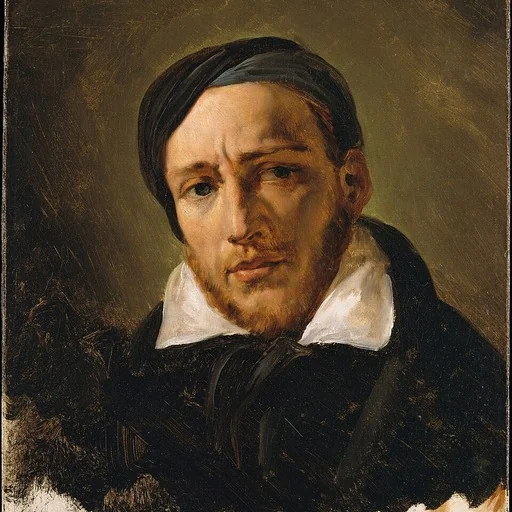
Jean-Louis André Théodore Géricault (French: ; 26 September 1791 – 26 January 1824) was a French painter and lithographer.

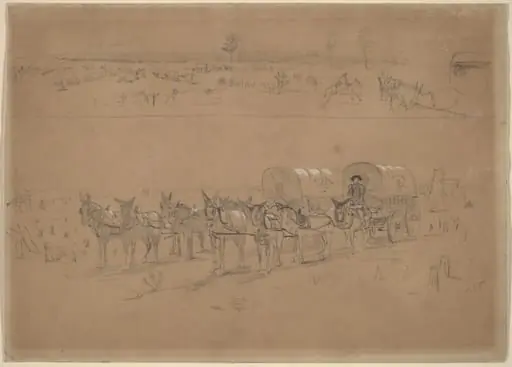 Supply Train
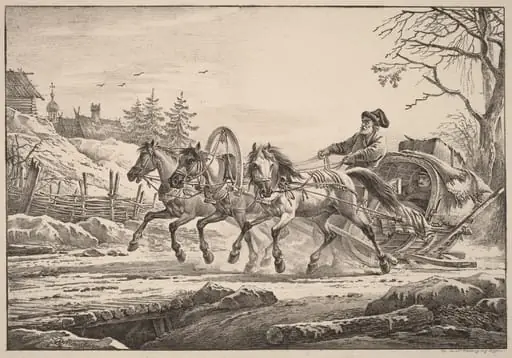 A Hired Coachman in Winter
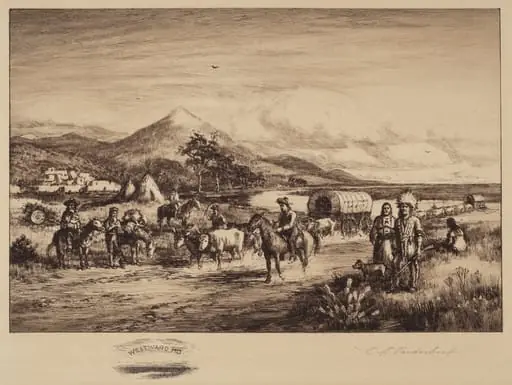 Westward Ho
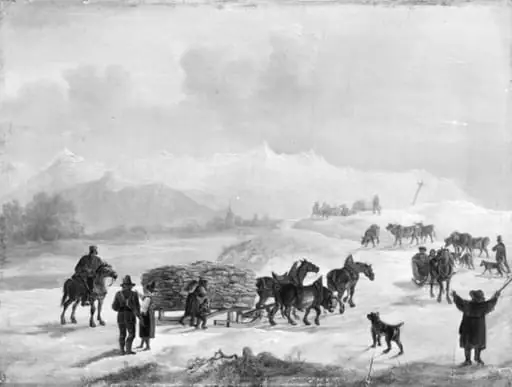 Slædefart i de bajerske bjerge
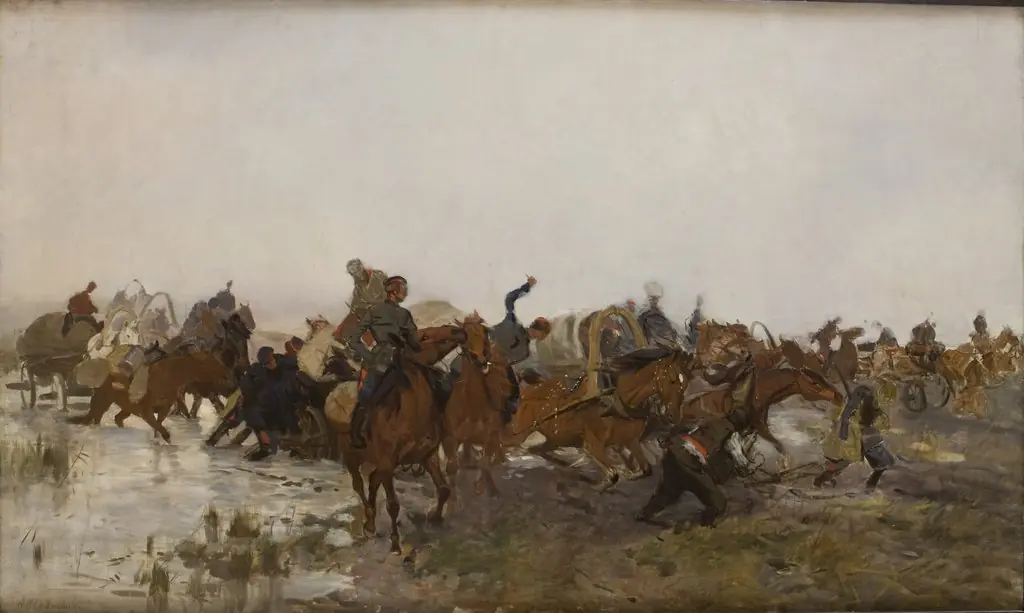 Cossacks in the March
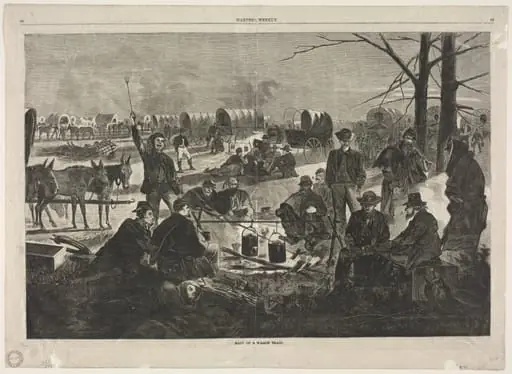 Halt of the Wagon Train
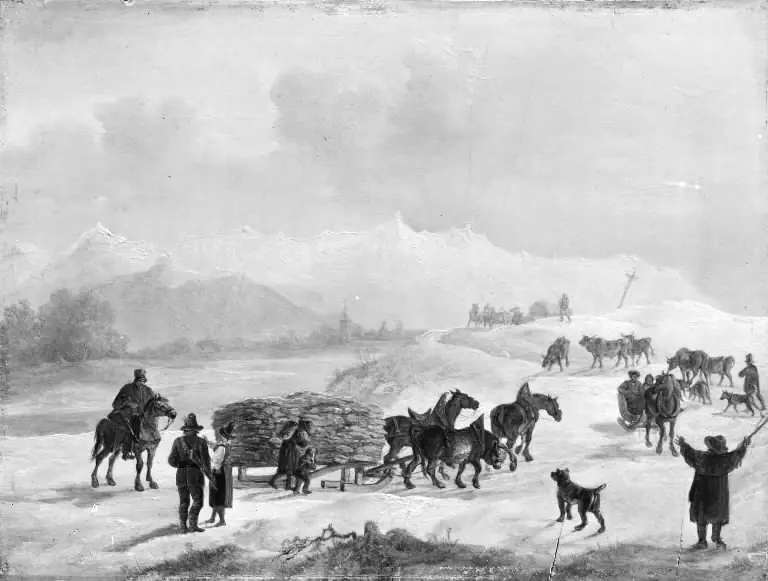 Slædefart i de bajerske bjerge
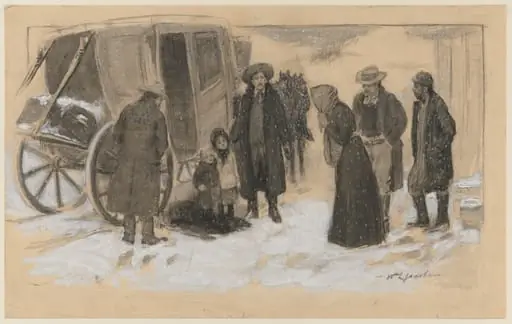 Sketch for "Christmas on the River"
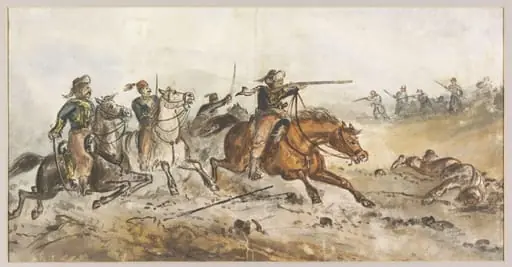 Turkish irregular cavalry charging Russian infantry
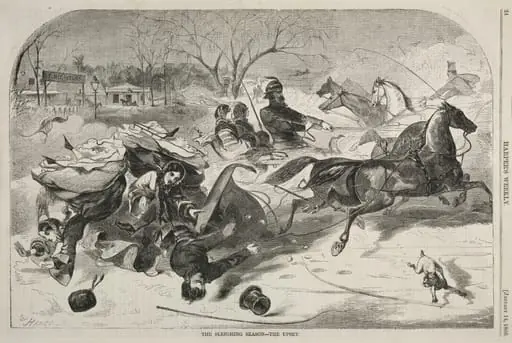 The Sleighing Season - The Upset
![Supply Train and Mules [verso], by Winslow Homer](https://artifactworldgallery.com/img/winslow-homer--supply-train-and-mules-verso--df0e839ddd22c8a2-w320.webp) Supply Train and Mules [verso]
Supply Train and Mules [verso]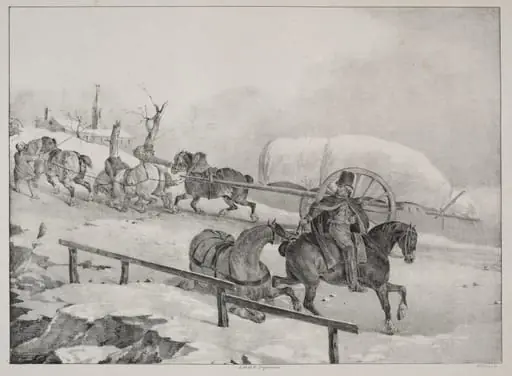 Wagoner Climbing a Hill