Artwork
Westward Ho
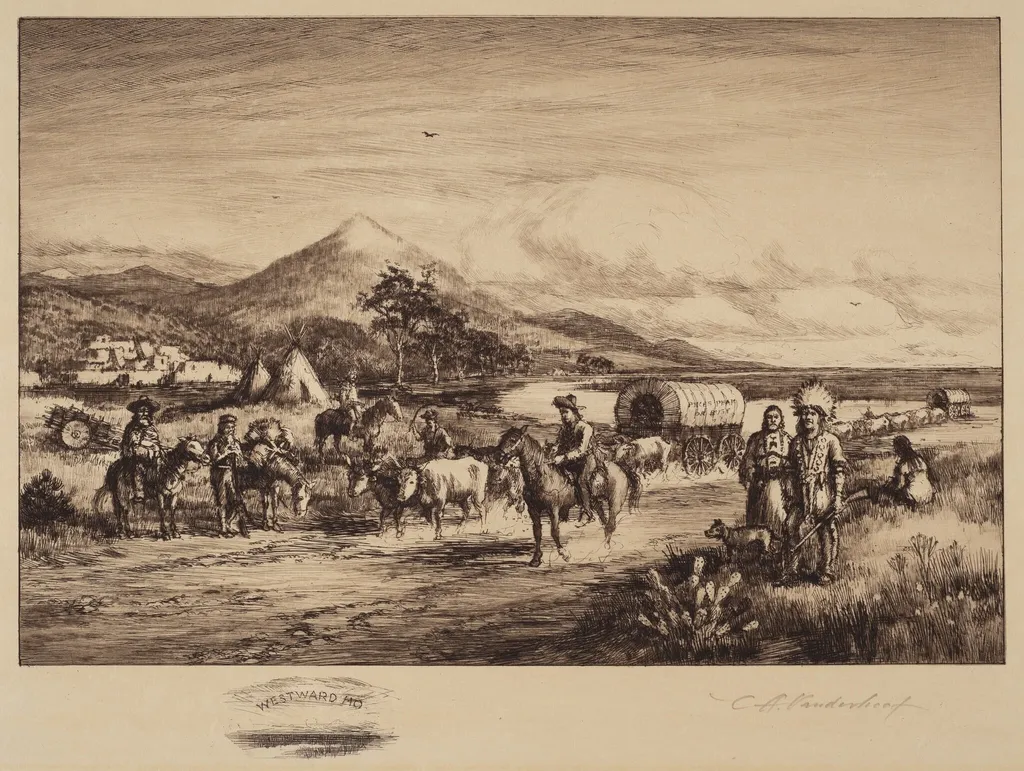
Westward Ho is an ink print by the Impressionist artist Charles A. Vanderhoof. It dates from 1884 and is held in the collection of the National Gallery of Art.
About this work
Overview
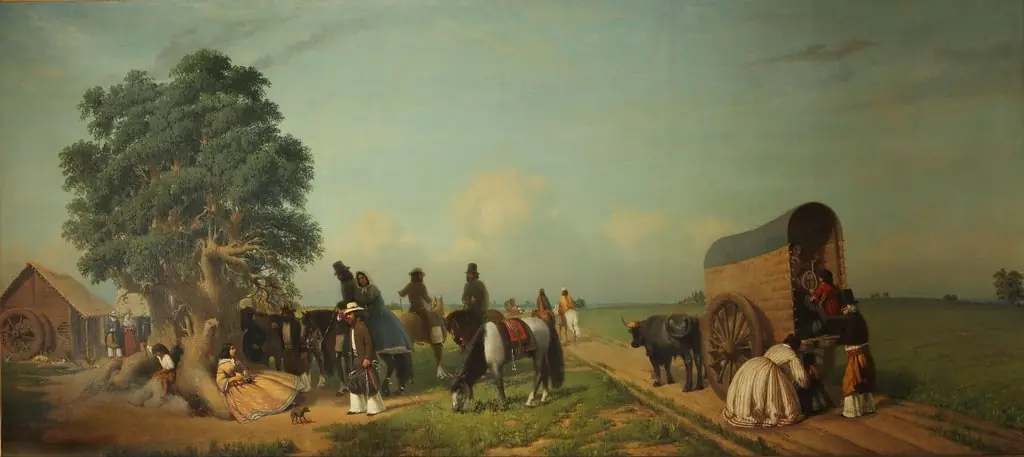
Westward Ho is an etching produced around 1884 by American artist Charles A. Vanderhoof. Executed in the traditional intaglio technique, the print presents a panoramic view of a western frontier scene, rendered in fine line work characteristic of late‑19th‑century American printmaking.
Subject & Meaning
The composition gathers a small caravan moving across a broad landscape: riders on horseback, a pulled wagon, and a solitary teepee set against distant hills and mountains. The arrangement suggests a moment of migration or travel, evoking the westward expansion that shaped the United States during the period.
Technique & Style
Vanderhoof employed delicate cross‑hatching and varied line density to model forms and convey atmospheric perspective. The tonal gradations create depth, while the crisp outlines of the figures contrast with the softer, sketch‑like rendering of the distant terrain, reflecting a realist approach to the frontier subject.
History & Provenance
Created circa 1884, the etching was likely issued as part of a series of western-themed prints that circulated in the United States and Europe. It has appeared in several private collections and was documented in early 20th‑century catalogues of American prints, though its exact ownership trail remains partially unrecorded.
Context
During the 1880s, American artists increasingly turned to western motifs, responding to public fascination with frontier life. Vanderhoof’s work aligns with this trend, offering a visual narrative that complements contemporary literature and photography documenting the nation’s expansion.
Artist & collection


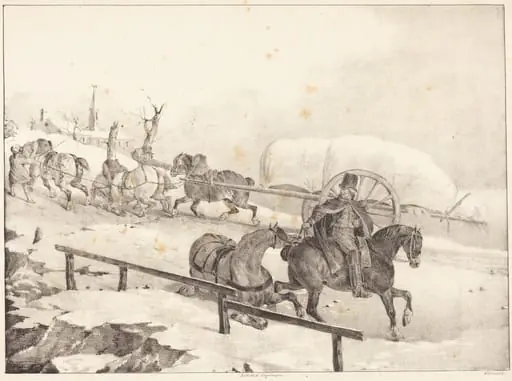 Wagoner Climbing a Hill (Roulier montant une cote)
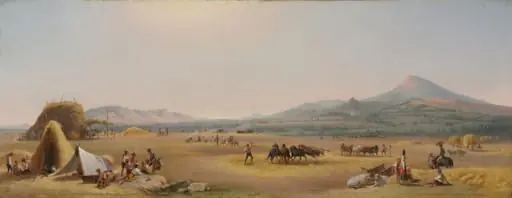 Harvest on the Roman Campagna
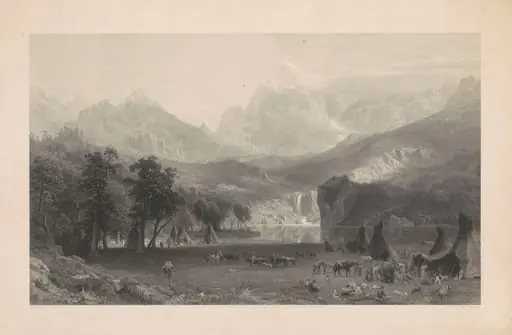 The Rocky Mountains
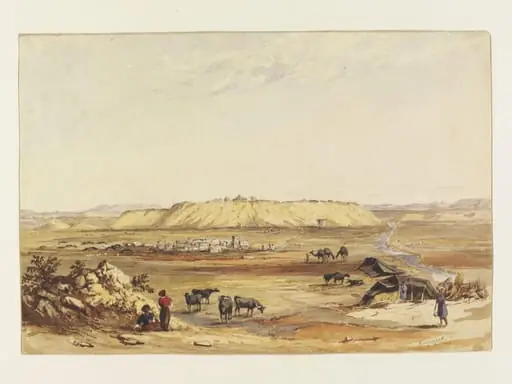 Kouyunjick
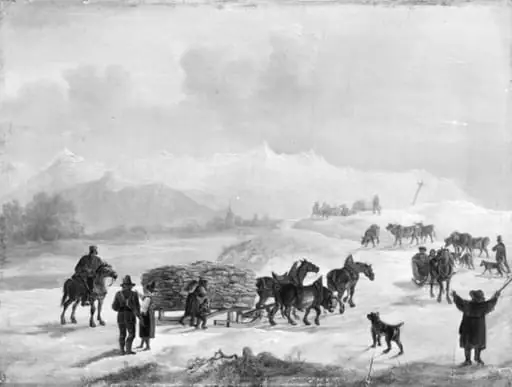 Slædefart i de bajerske bjerge
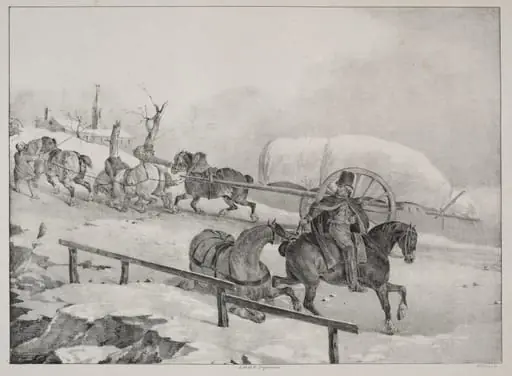 Wagoner Climbing a Hill
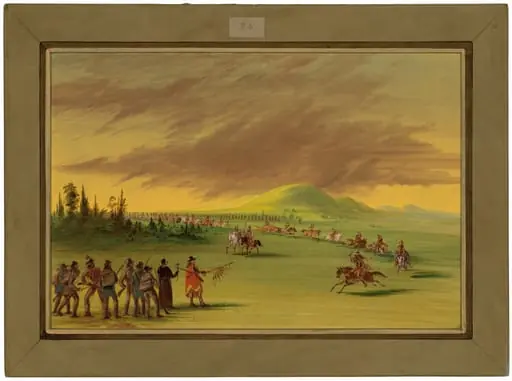 La Salle Meets a War Party of Cenis Indians on a Texas Prairie. April 25, 1686
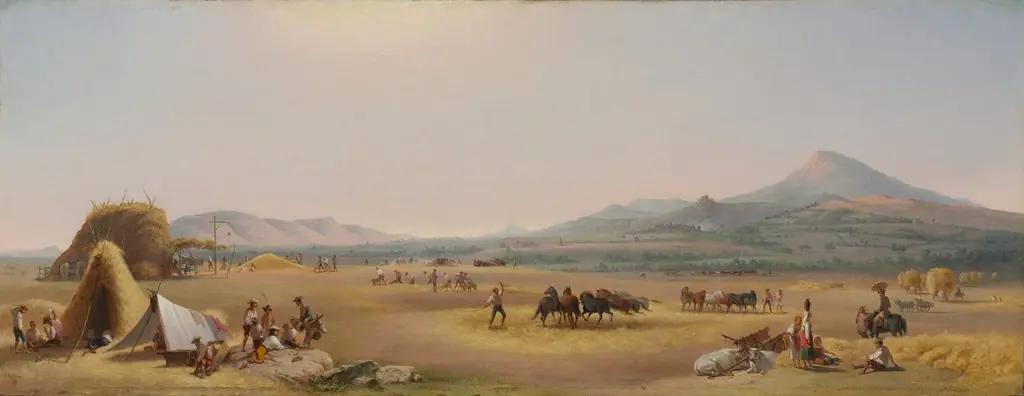 Harvest on the Roman Campagna
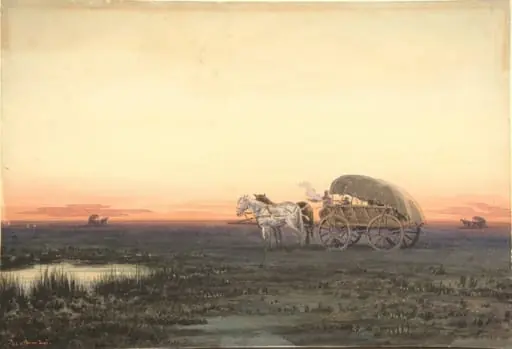 Vânătoare în Bărăgan
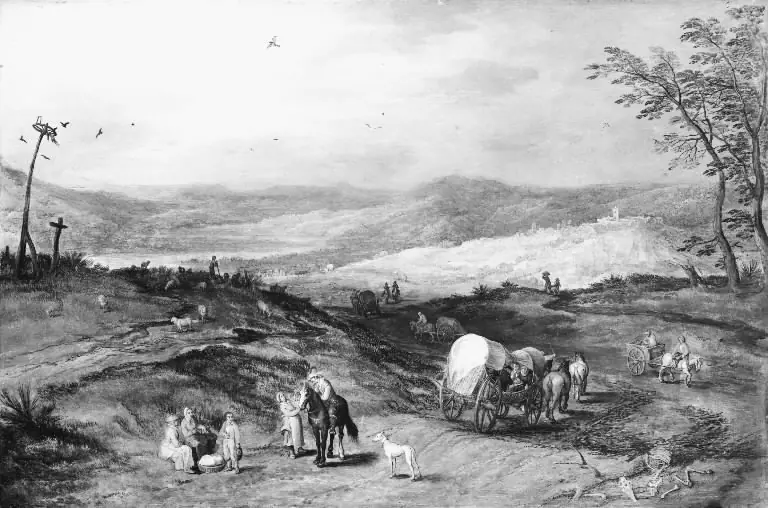 Landscape with a Road Leading Past a Place of Execution
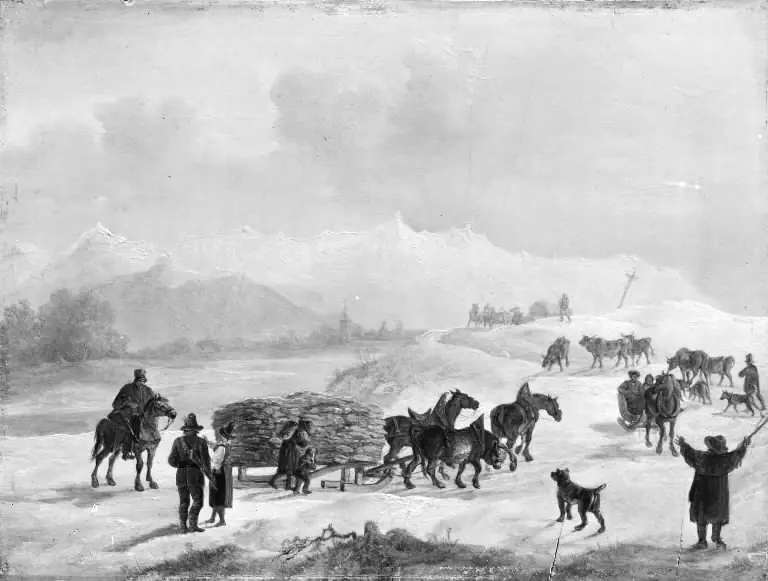 Slædefart i de bajerske bjerge
 Un alto en el campo