Artwork
Italian Joust of Peace
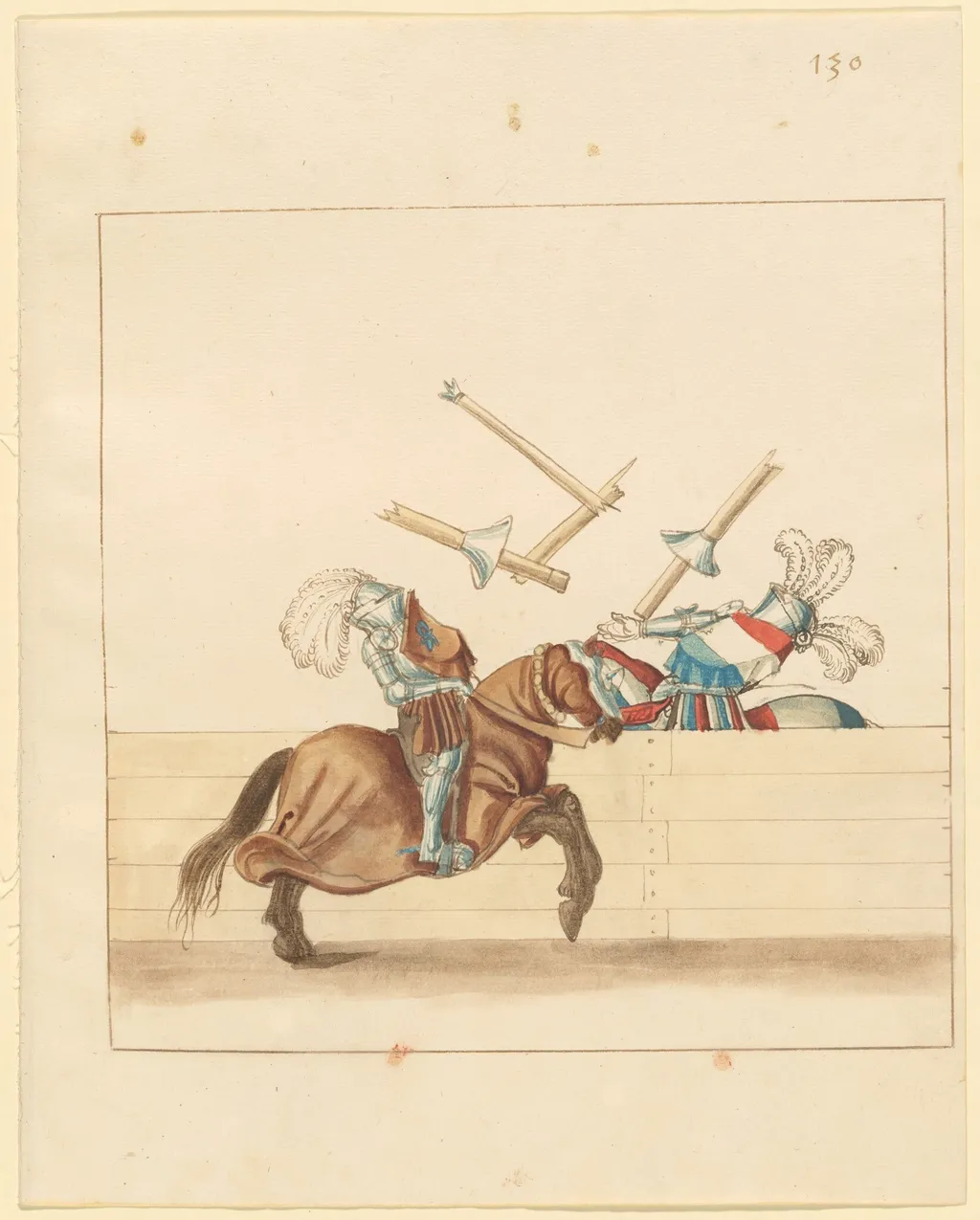
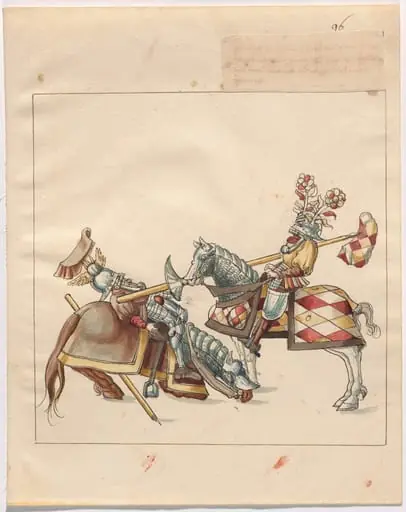
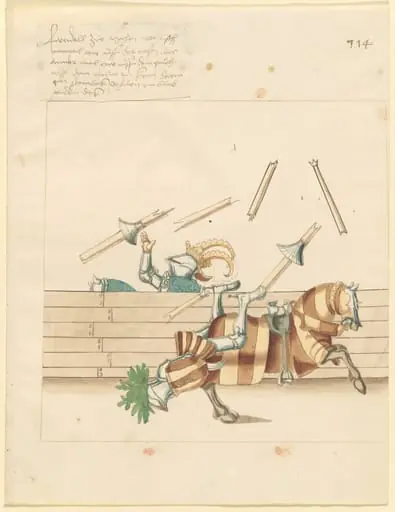
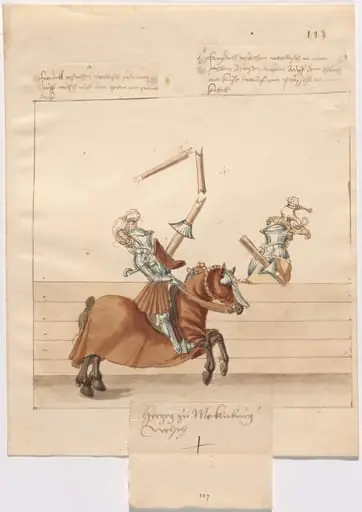
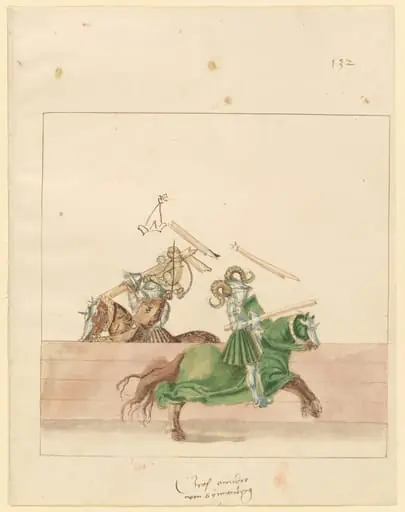
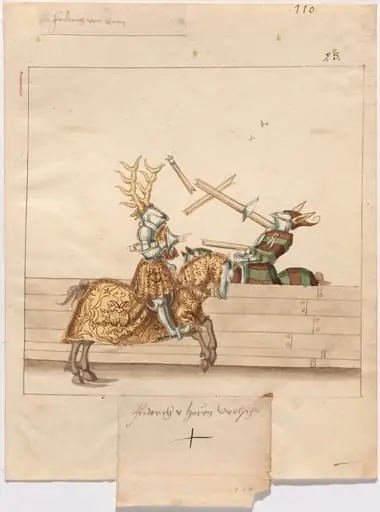
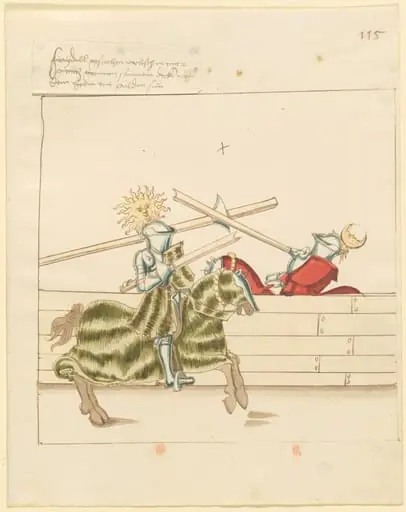
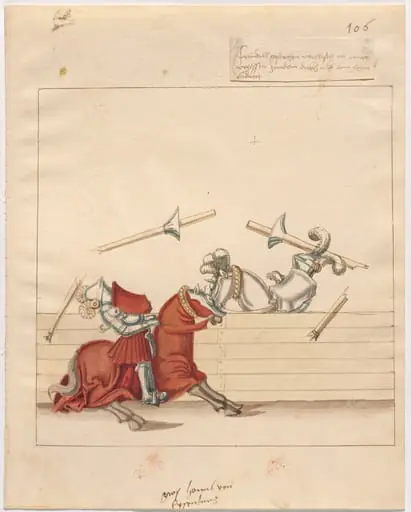
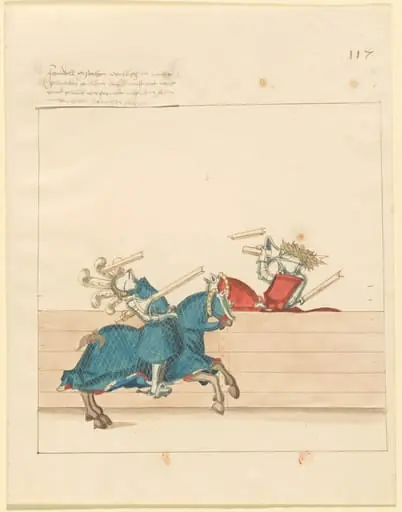
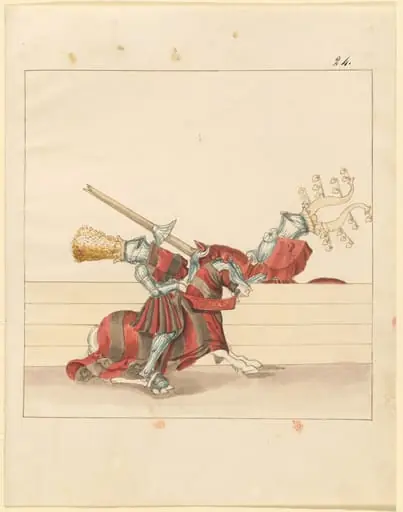
Italian Joust of Peace is an ink drawing by the Renaissance artist German 16th Century. It dates from 1514 and is held in the collection of the National Gallery of Art. This drawing, created by a German artist in the 16th century, captures a moment from a ceremonial joust.
About this work
Overview
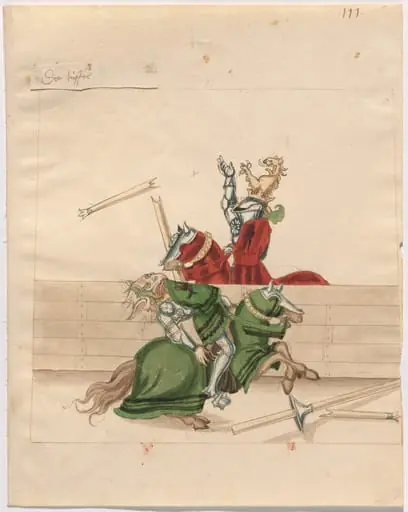
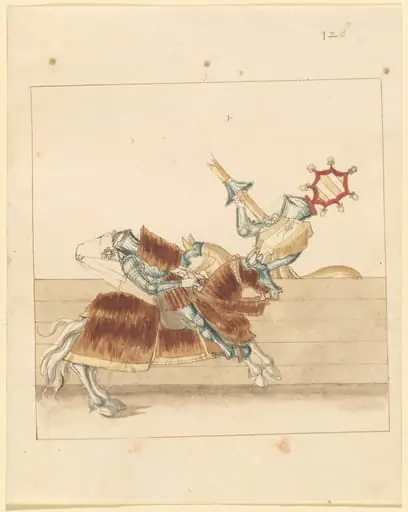
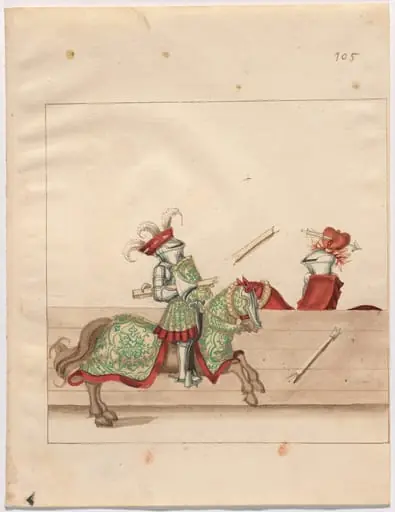
This drawing, created by a German artist in the 16th century, captures a moment from a ceremonial joust. Executed in pen and brown ink with watercolor over leadpoint on laid paper, it portrays two armored riders locked in combat. The composition emphasizes precision and restraint, with subtle washes of color enhancing the metallic surfaces without overwhelming the underlying draft.
Subject & Meaning
The scene depicts a formal joust, likely intended as a display of chivalric ritual rather than violent conflict. The splintered lance suggests a controlled, regulated contest, consistent with peace tournaments held in Renaissance Italy. The elaborate armor and composed horses reflect the ceremonial nature of such events, where honor and skill were prioritized over destruction.
Technique & Style
The artist employed leadpoint for initial outlines, then refined the forms with pen and ink before applying thin watercolor glazes. This layered approach preserved the clarity of the drawing while adding depth to the armor and fabric. The restrained palette of browns and muted tones enhances the sense of quiet tension, avoiding theatricality in favor of observational detail.
History & Provenance
The work is held in the collection of the National Gallery of Art in Washington, D.C. Its origins trace to a German artist active in the early 1500s, likely influenced by Italian courtly culture. The drawing’s survival suggests it was valued as a study or record of contemporary equestrian pageantry, though its original commission remains undocumented.
Context
During the 16th century, jousts were increasingly staged as symbolic displays of nobility, especially in Italy, where martial traditions merged with humanist ideals. German artists often traveled to observe these events, producing detailed sketches as both documentation and artistic exercise. This work reflects the cross-cultural exchange of visual and ceremonial practices across Europe.
Legacy
The drawing stands as a quiet testament to the precision of Northern Renaissance draftsmanship. Its technical discipline and restrained emotion distinguish it from more flamboyant depictions of combat. It contributes to the understanding of how artists recorded and interpreted chivalric rituals, preserving the aesthetics of a fading medieval tradition through careful observation.
Artist & collection

Artist
A German artist from the late 1500s drew lively scenes of knights clashing in parades and mock battles.

![Abraham Entertaining the Angels [verso], by German 16th Century](https://artifactworldgallery.com/img/german-16th-century--abraham-entertaining-the-angels-verso--69d1b25f4eba0a53-w320.webp)