Artwork
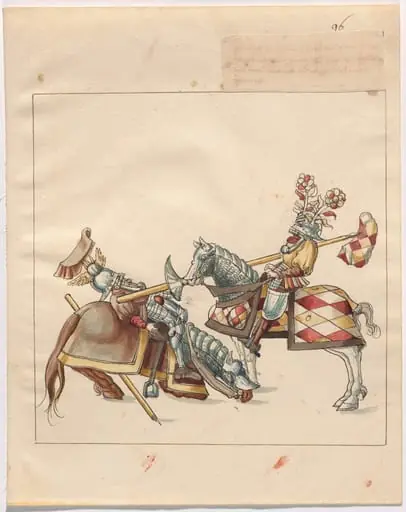
Italian Joust of Peace
Italian Joust of Peace is an ink drawing by the Renaissance artist German 16th Century. It dates from 1514 and is held in the collection of the National Gallery of Art.
About this work
Overview
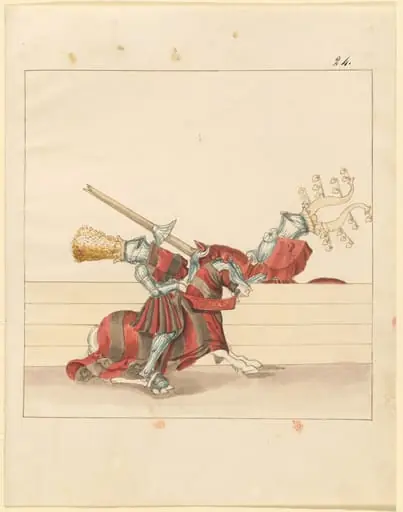
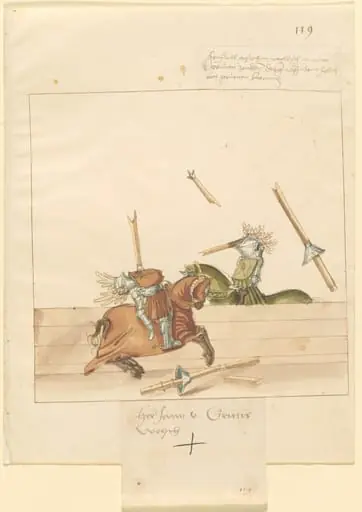
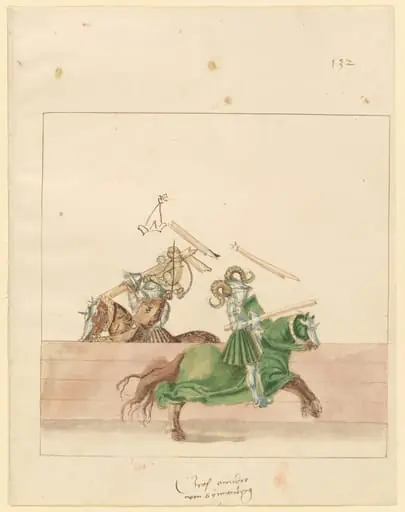
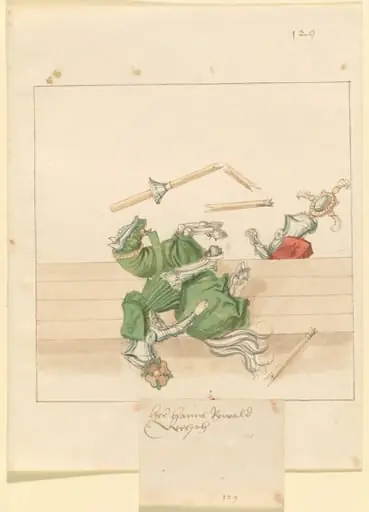
Italian Joust of Peace is a 16th‑century drawing executed in pen and brown ink with watercolor glazing over leadpoint on laid paper. The work measures the dramatic encounter of two mounted knights whose lances meet in a formal joust. It is part of the collection of the National Gallery of Art in Washington, D.C.
Subject & Meaning
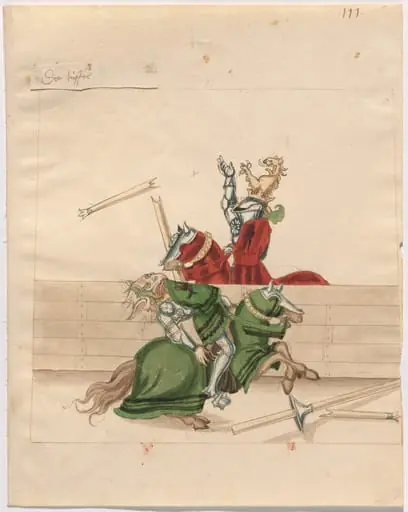
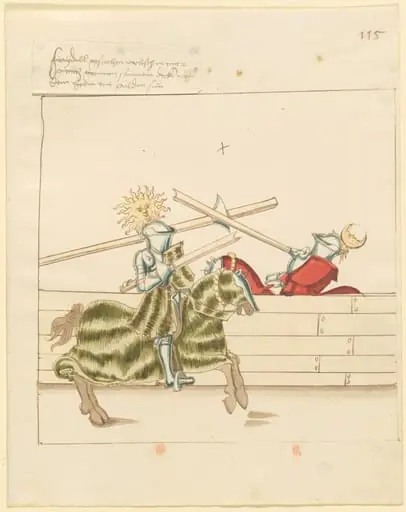
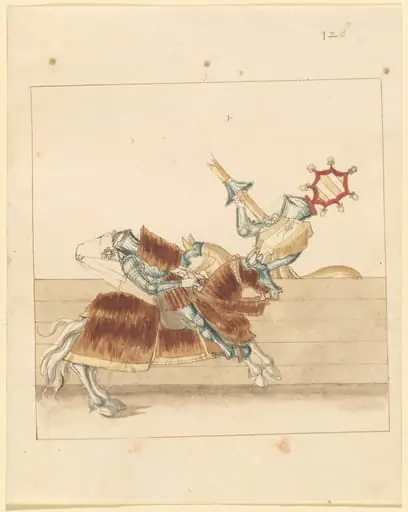
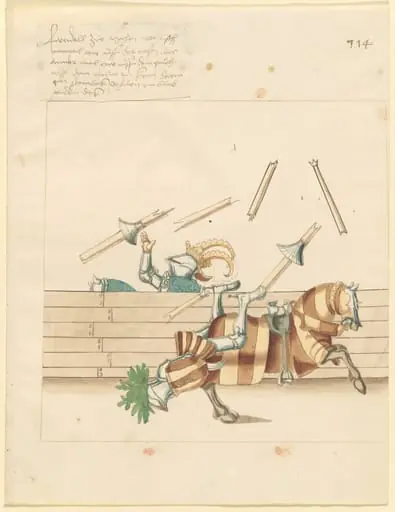
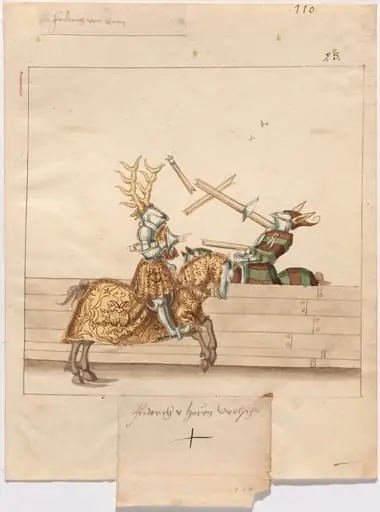
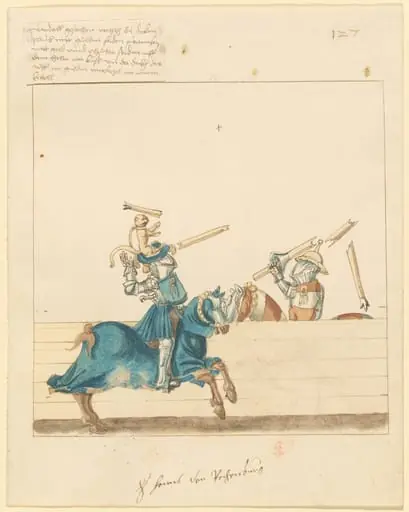
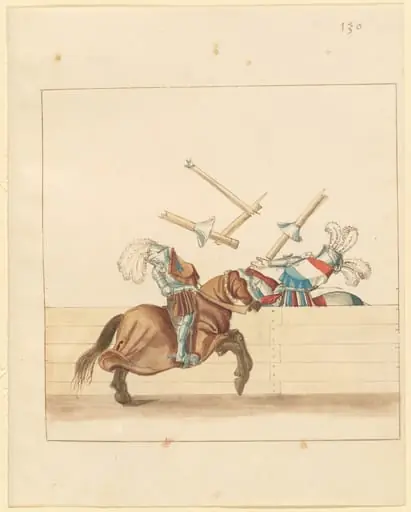
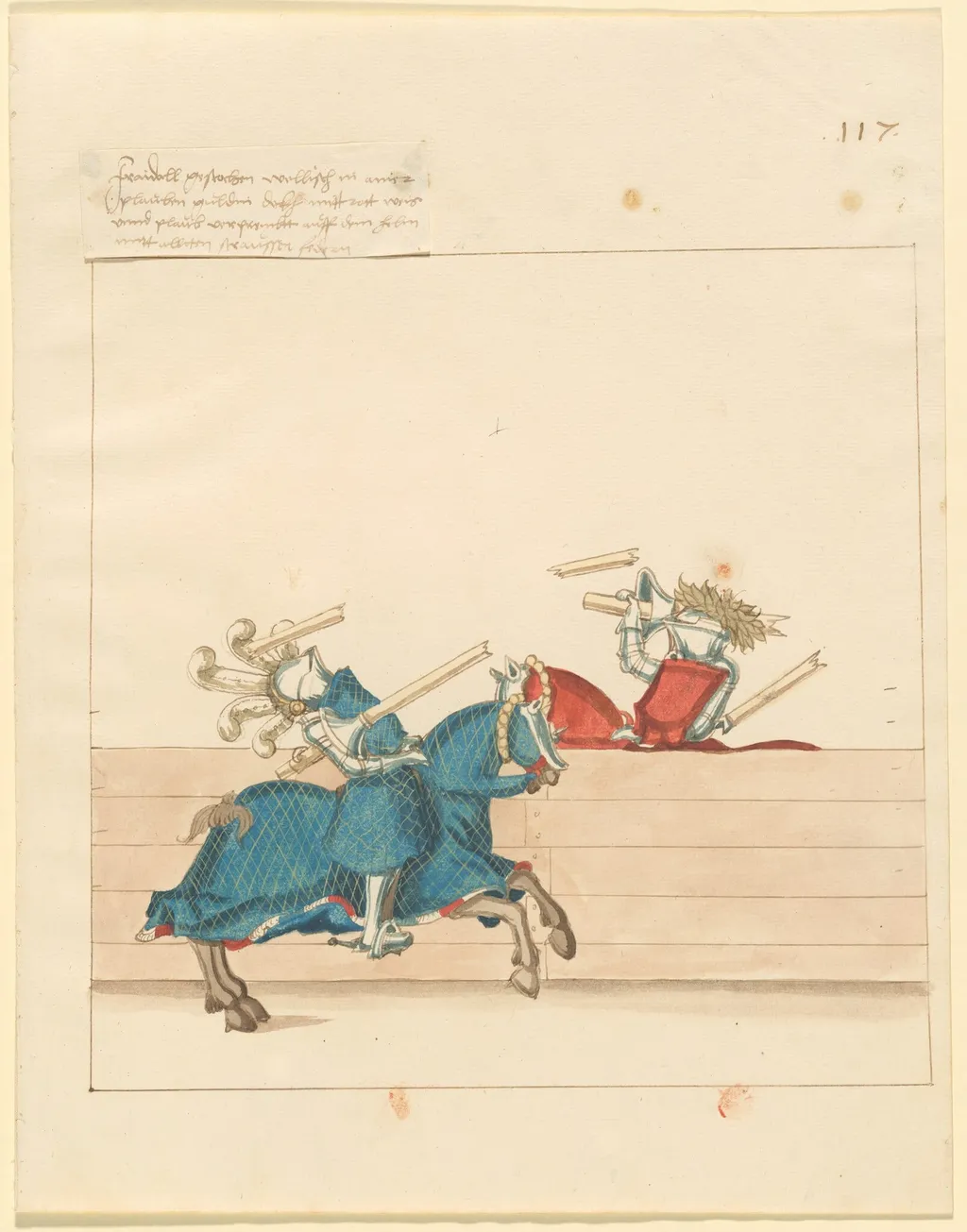
The composition presents two heavily armored riders, each on a horse adorned with gold‑patterned trappings, locked in a lance clash.
The composition presents two heavily armored riders, each on a horse adorned with gold‑patterned trappings, locked in a lance clash. One lance is shown breaking against the opponent’s shield, emphasizing the controlled, ceremonial nature of the contest. The title and the peaceful resolution implied by the scene suggest the joust functions as a diplomatic means of settling disputes rather than a battlefield engagement.
Technique & Style
The artist combined fine pen work with brown ink to define figures and armor, then applied successive translucent watercolor layers to achieve a luminous effect on the gilded details. This glazing technique enhances the reflective quality of the gold motifs on both armor and horse harnesses, while the leadpoint underdrawing provides a delicate structural framework typical of German draftsmanship of the period.
History & Provenance
Created by an unidentified German artist active in the 1500s, the drawing entered the National Gallery of Art’s holdings through acquisition in the 20th century. Its provenance prior to museum ownership is not fully documented, but the work has been cited in scholarly surveys of Northern European depictions of chivalric sport.
Context
Although the armor and decorative motifs are characteristic of Italian Renaissance styles, the drawing’s German origin reflects a cross‑cultural exchange in artistic conventions during the early modern era. Such hybrid visual language illustrates how Northern artists incorporated Italianate aesthetics while preserving their own technical approaches to drawing and watercolor.
Artist & collection

Artist
A German artist from the late 1500s drew lively scenes of knights clashing in parades and mock battles.

![Abraham Entertaining the Angels [verso], by German 16th Century](https://artifactworldgallery.com/img/german-16th-century--abraham-entertaining-the-angels-verso--69d1b25f4eba0a53-w320.webp)