Artwork
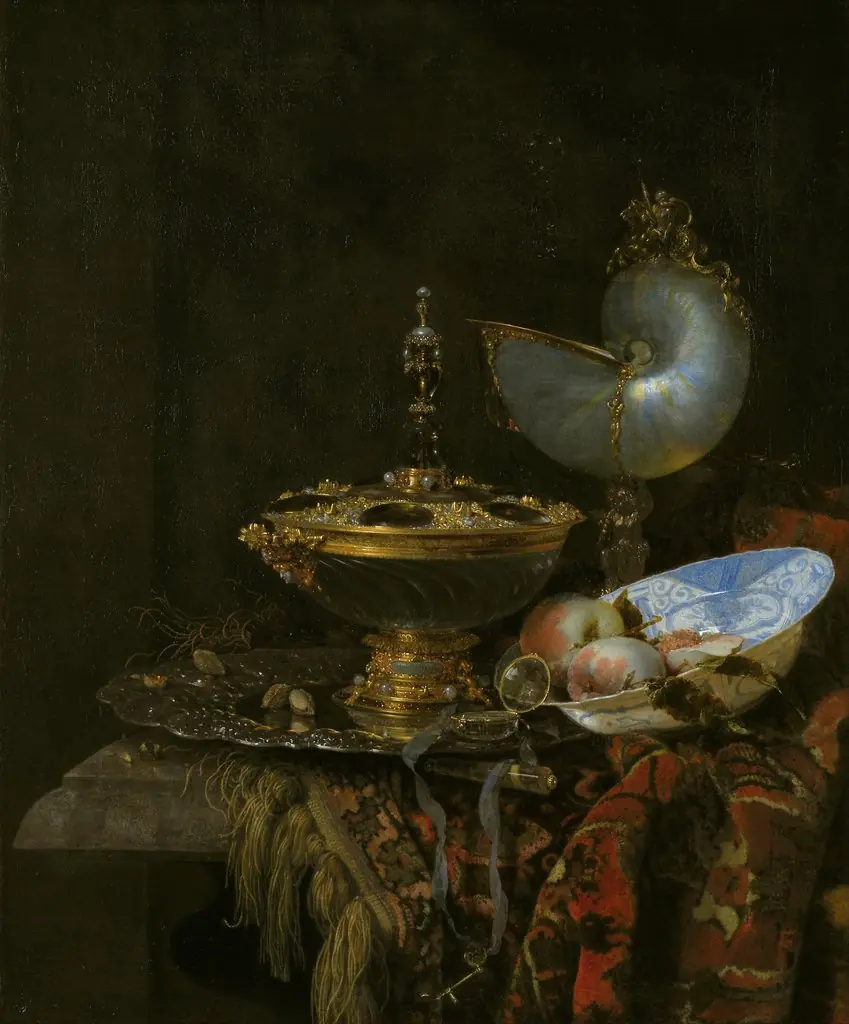
Still life with a nautilus cup
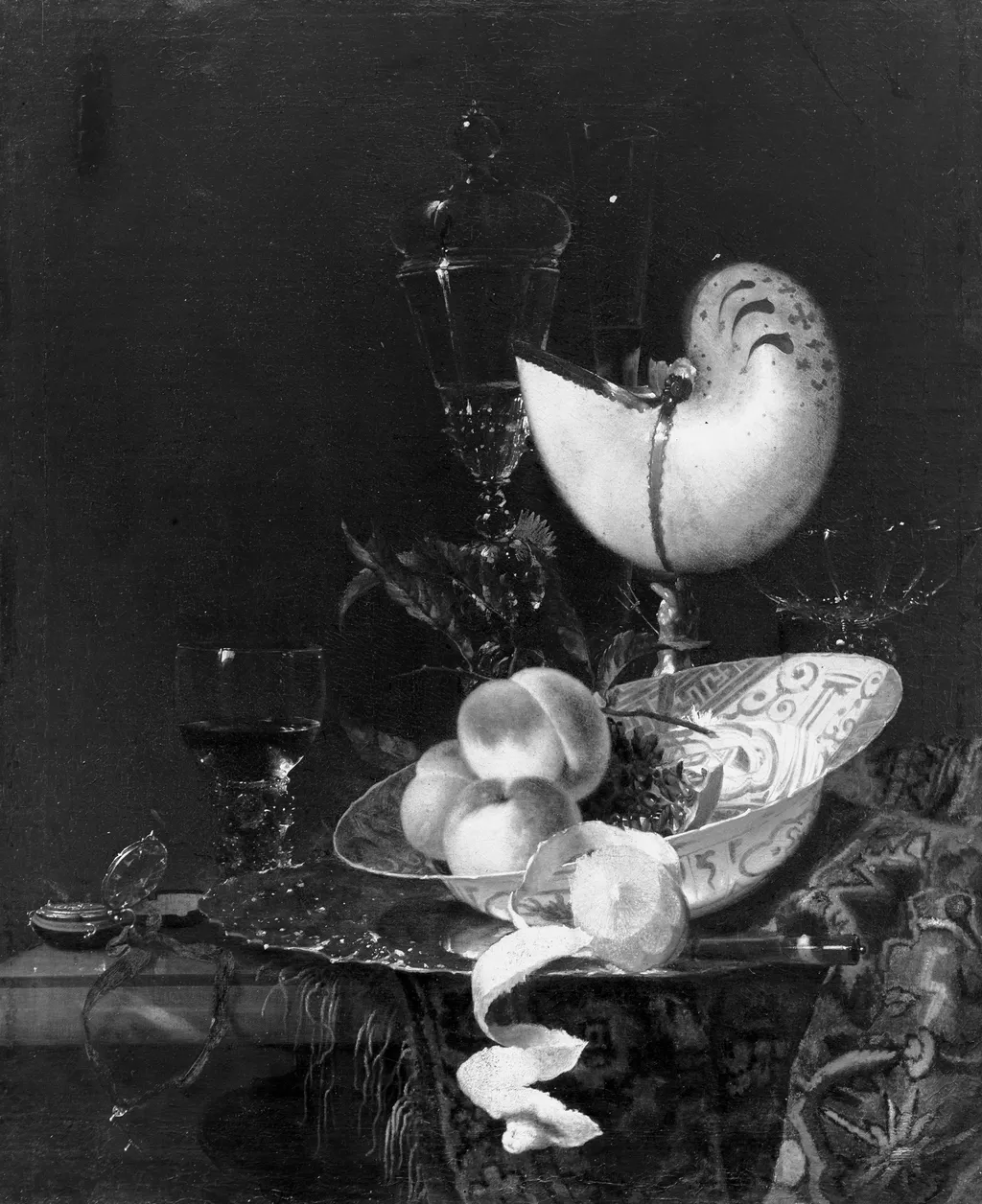
Still life with a nautilus cup is a paint painting by the Dutch Golden Age artist Willem Kalf. It dates from 1660 and is held in the collection of the Gemäldegalerie Berlin.
About this work
Overview
Painted in 1660 by Willem Kalf, this still life presents a quiet moment of luxury and transience. Executed in oil, the composition centers on a nautilus shell cup, a peach-filled bowl, and a shattered glass vessel, all rendered with meticulous precision against a deep, shadowed backdrop. The work exemplifies the Dutch Golden Age’s fascination with material abundance and subtle decay.
Subject & Meaning
The objects—exotic nautilus cup, ripe peaches, broken glass—suggest both wealth and impermanence. The nautilus, imported from distant seas, symbolizes global trade; the peaches, delicate and ripe, hint at fleeting beauty. The fractured glass introduces disruption, a quiet reminder of vulnerability amid opulence. Together, they evoke a meditation on the ephemeral nature of pleasure.
Technique & Style
Kalf employs fine brushwork to capture the glossy sheen of the cup’s surface, the fuzzy skin of the peaches, and the sharp edges of broken glass. Light falls subtly across the objects, enhancing texture and volume. The dark background isolates the still life, focusing attention on the interplay of materials and the quiet tension between order and rupture.
History & Provenance
The painting entered the collection of the Gemäldegalerie in Berlin in the 19th century, where it remains today. It was likely acquired during a period of renewed interest in 17th-century Dutch art. Its documented history is modest, but its stylistic consistency with Kalf’s known works confirms its attribution and places it among his mature output from the 1660s.
Context
In mid-17th-century Amsterdam, wealthy merchants collected rare objects from Asia, Africa, and the Americas, which became staples in still-life painting. Kalf’s works responded to this culture of global exchange and conspicuous consumption. While other artists emphasized abundance, Kalf introduced quiet tension—suggesting that luxury carries its own fragility.
Legacy
Kalf’s approach influenced later still-life painters through his restrained elegance and psychological depth. Rather than mere display, his compositions invited contemplation. Today, *Still life with a nautilus cup* is studied for its technical mastery and its nuanced commentary on materialism, continuing to resonate within art historical discourse on Dutch visual culture.
Artist & collection
Artist
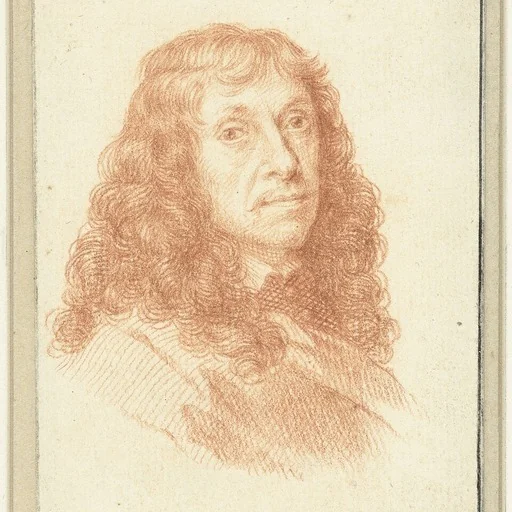
Willem Kalf (1619 – 31 July 1693) was one of the most prominent Dutch still-life painters of the 17th century, the Dutch Golden Age.

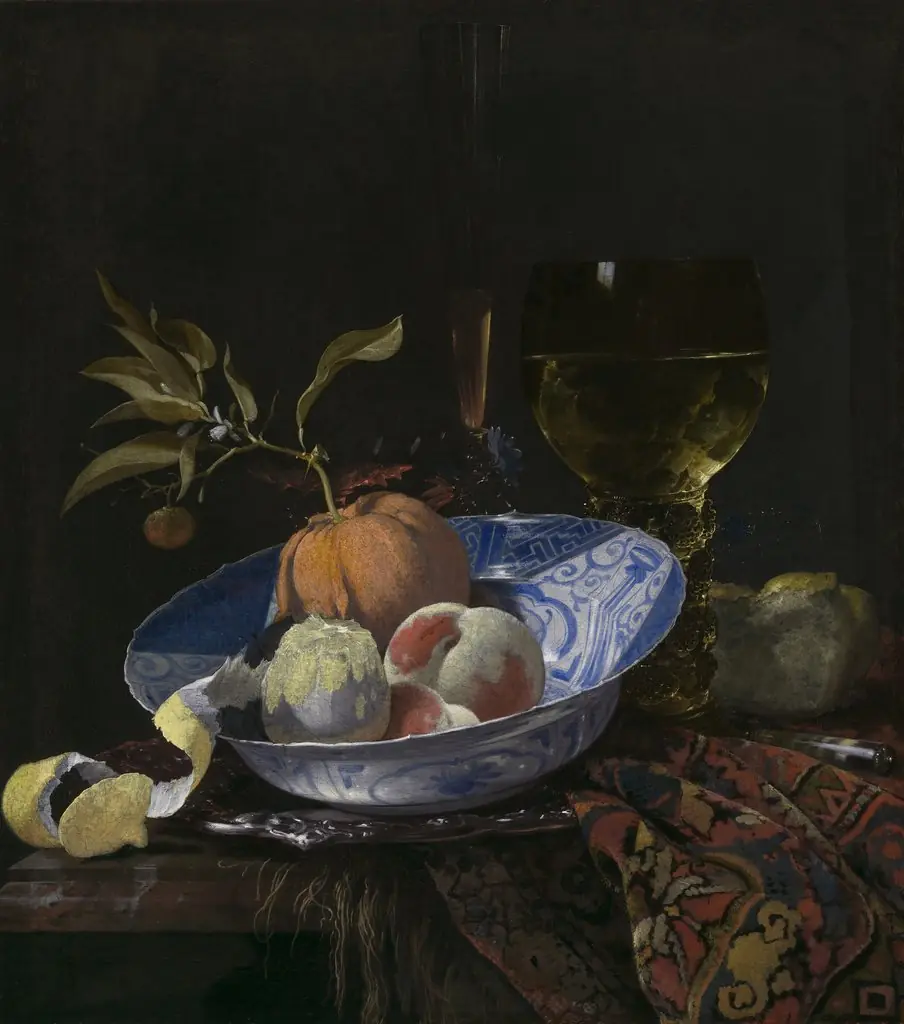
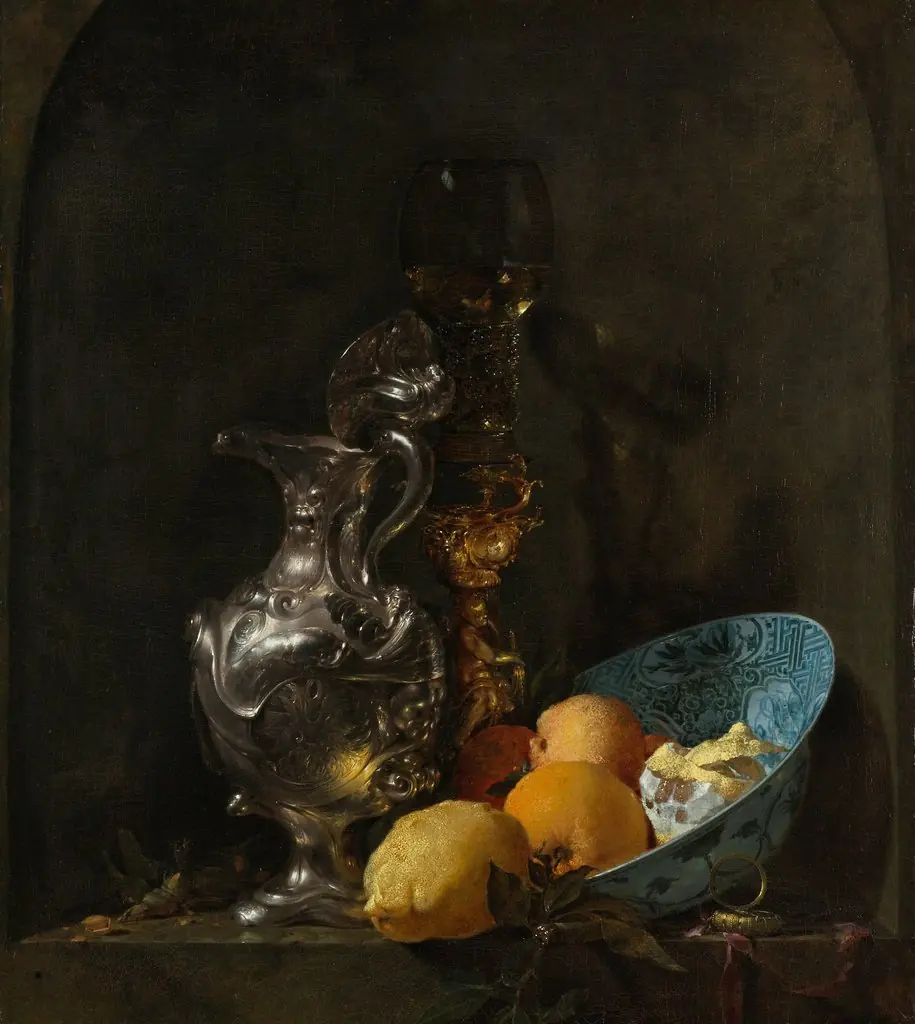
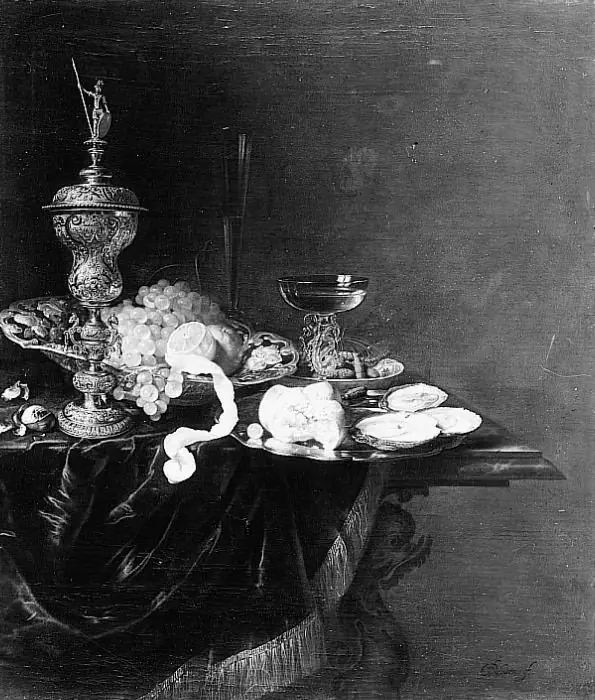 Still life with Akelei covered beaker dish of grapes, lemon and wine glasses
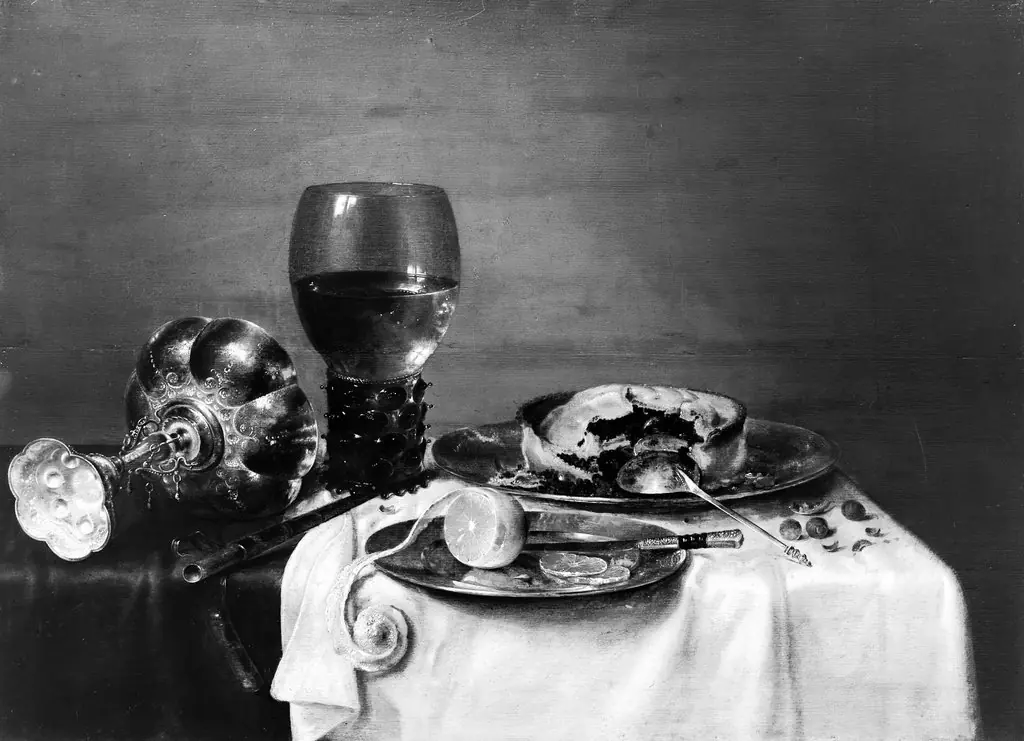 Stilleben mit Römer
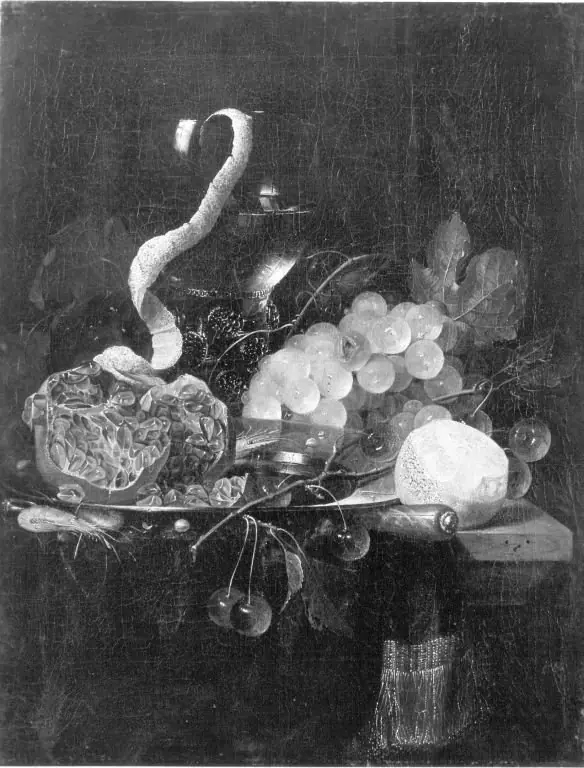 Früchtestück
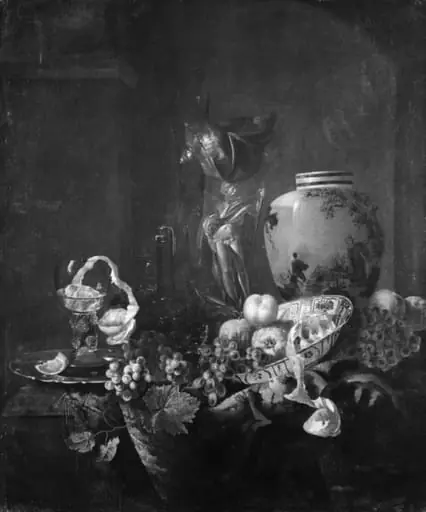 Flower Piece
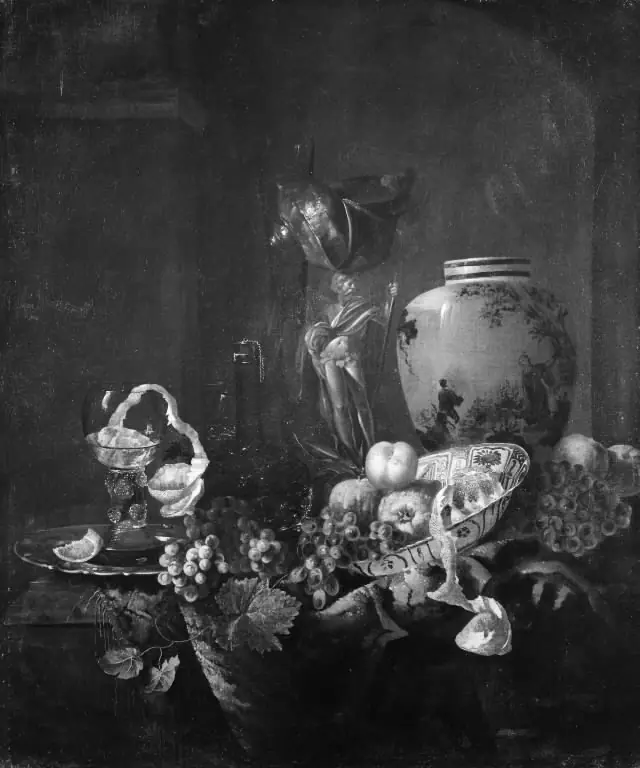 Flower Piece
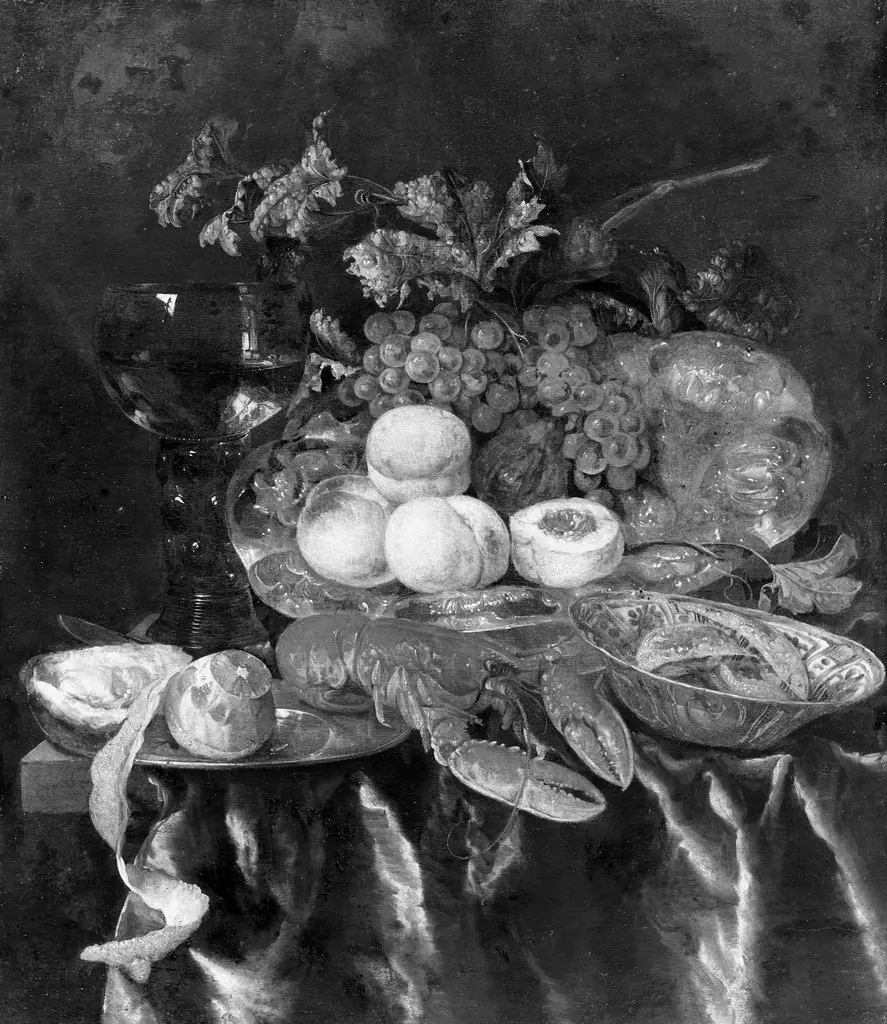 Still life with lobster, fruit, peeled lemon, rummer, silver dish and faience dish on a dark tablecloth
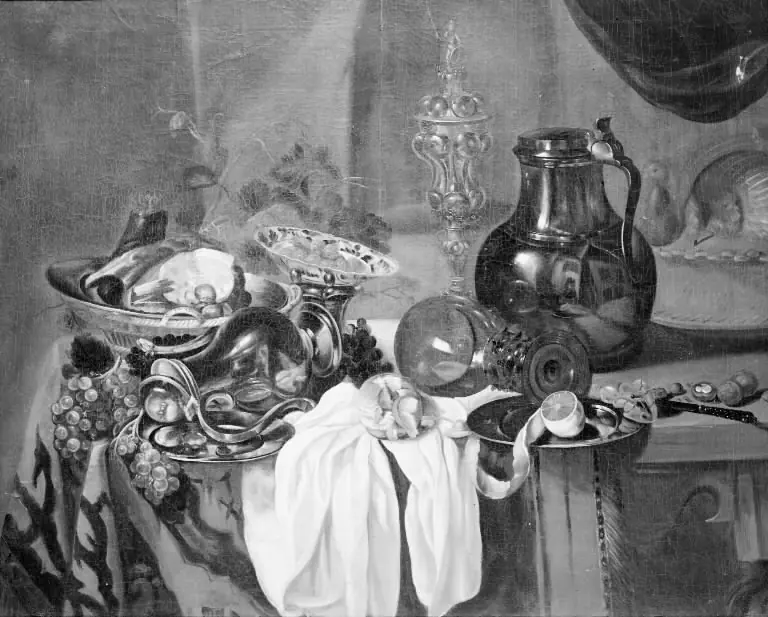 A Jug, Fruit, Food and other Things on a Table
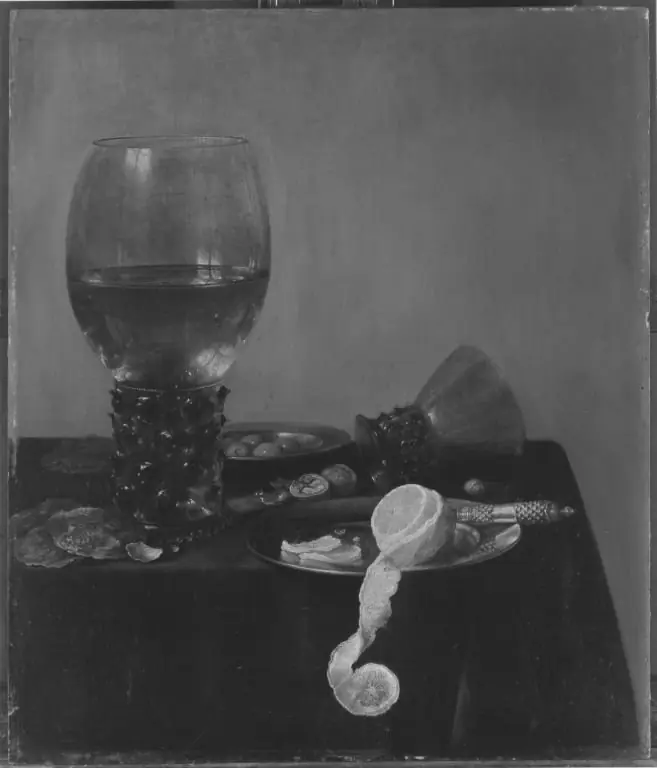 Still life with rummer, oysters, lemon and olives
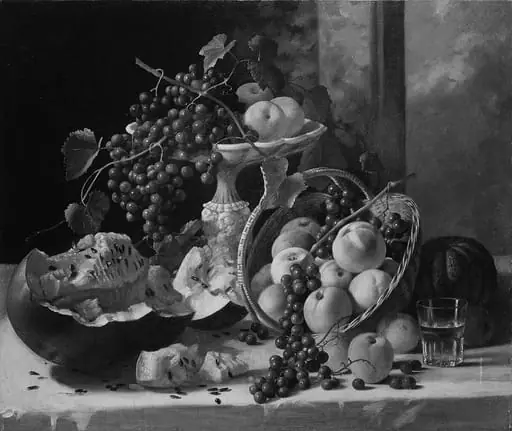 Still Life with Fruit