Artwork
Still life with rummer, oysters, lemon and olives
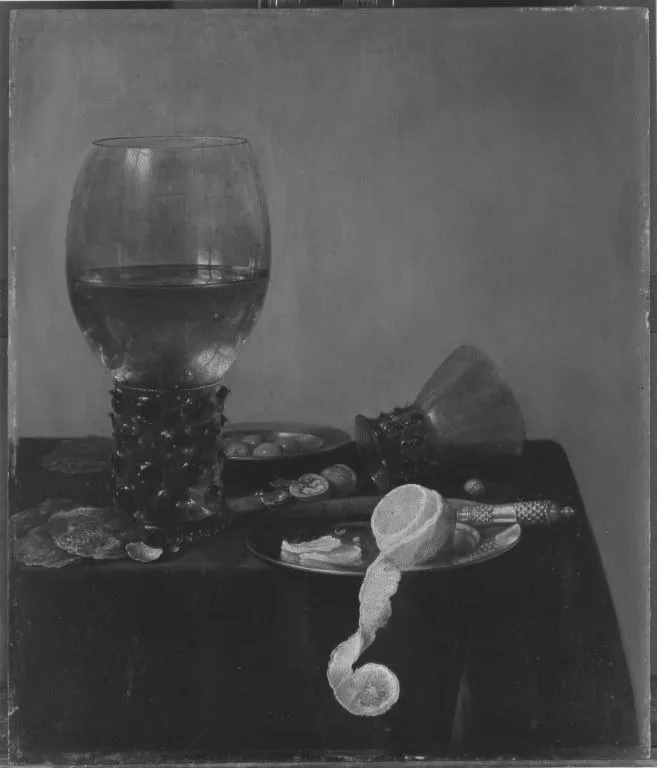
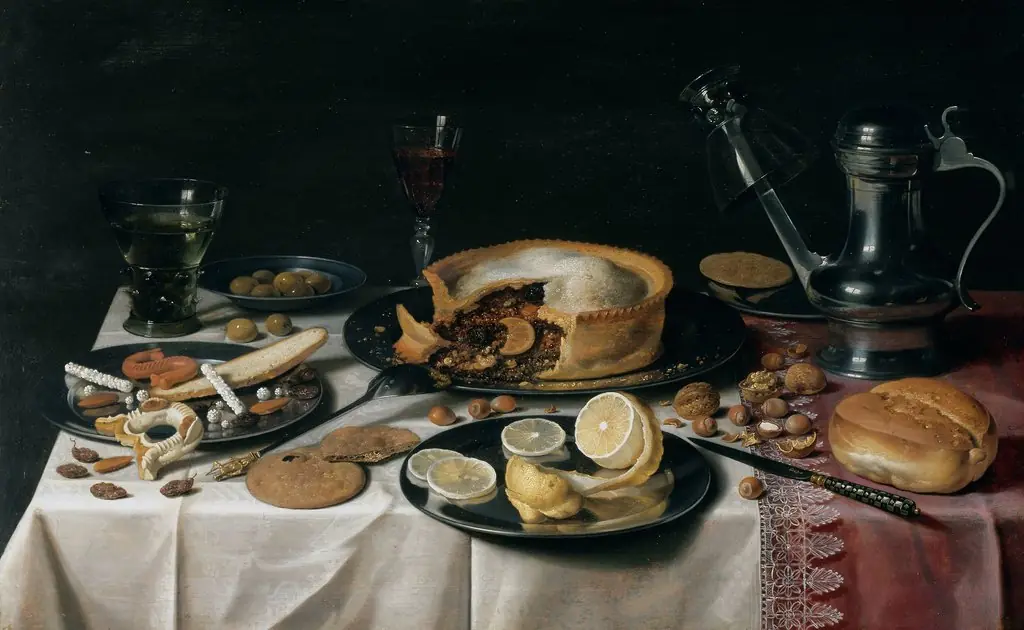
Still life with rummer, oysters, lemon and olives is an oil painting by the Dutch Golden Age artist Pieter Claesz. It dates from 1636 and is held in the collection of the Bavarian State Painting Collections.
About this work
Overview
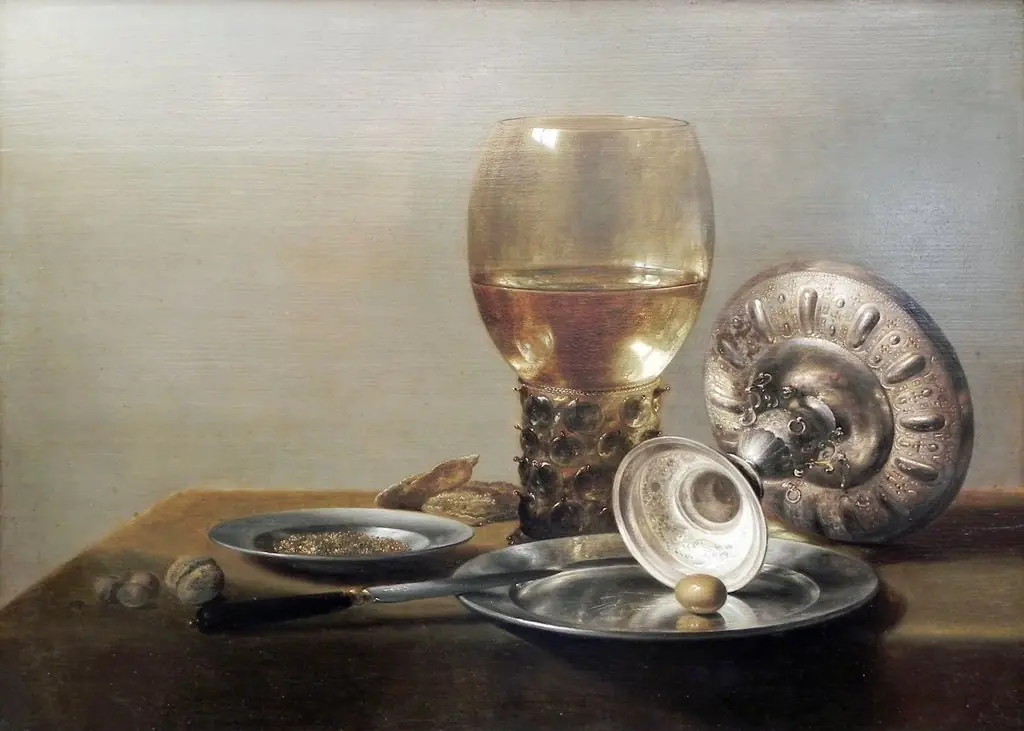
Pieter Claesz’s 1636 oil painting, Still life with rummer, oysters, lemon and olives, presents a modest tabletop arrangement rendered with meticulous attention to material detail. The work is part of the collection of the Alte Pinakothek in Munich, where it exemplifies the Dutch still‑life tradition of the early seventeenth century.
Subject & Meaning
The composition gathers a transparent drinking glass, a handful of oysters on a shallow dish, a lemon wedge, and scattered olives, accompanied by a silver spoon and a small funnel beside a dark pitcher. Such objects, common in Dutch banquet settings, invite contemplation of transience and the sensory pleasures of food and drink, themes often explored in the period’s vanitas still lifes.
Technique & Style
Claesz employs a pronounced chiaroscuro, allowing the glossy surfaces of glass and polished metal to capture bright highlights while the tabletop recedes into deep shadow. This contrast creates a convincing sense of volume and spatial depth, emphasizing the tactile qualities of each item and reinforcing the painter’s skill in rendering varied textures within a restrained palette.
History & Provenance
Created in 1636, the painting entered the Alte Pinakothek’s holdings as part of the museum’s extensive Dutch collection, acquired during the nineteenth‑century expansion of its European galleries. Its provenance reflects the broader interest of German collectors in Dutch genre and still‑life works, which were valued for both their aesthetic finesse and their moral undertones.
Artist & collection
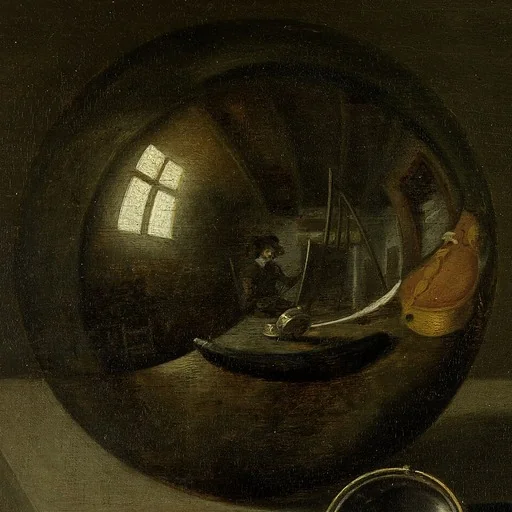
Artist
Pieter Claesz was born in 1596 or 1597 in Berchem, near Antwerp, and moved to Haarlem in the Dutch Republic around 1620.

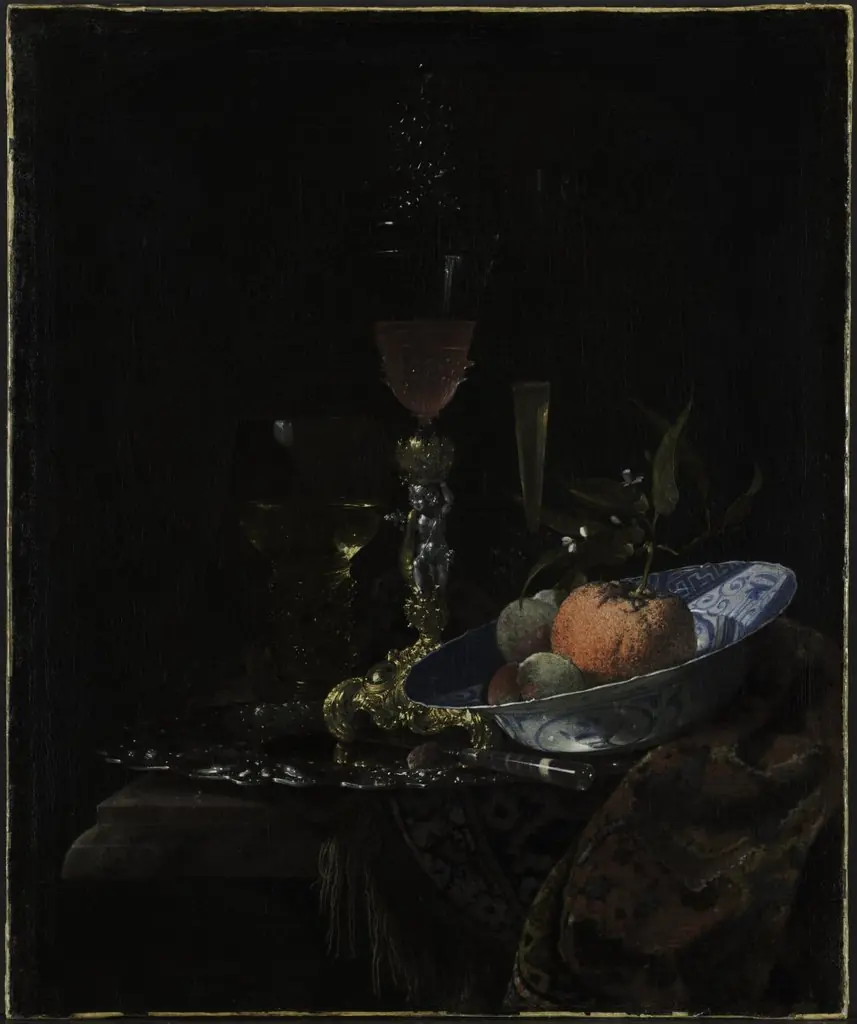 Wineglass and a Bowl of Fruit
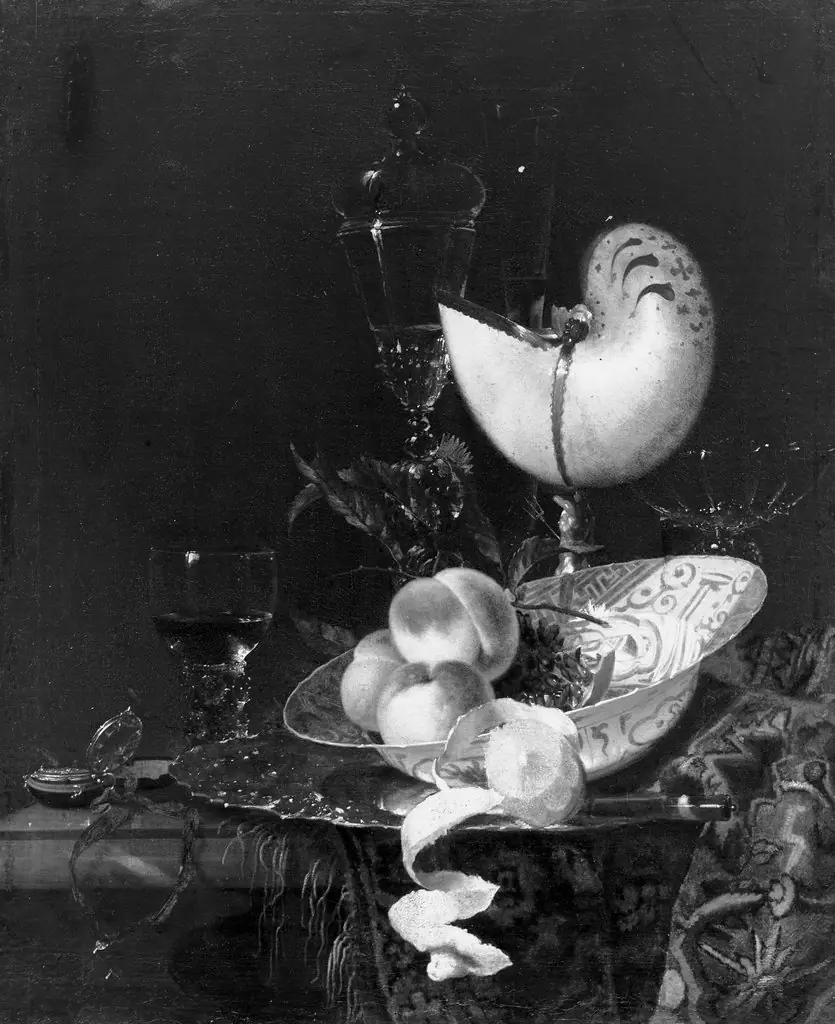 Still life with a nautilus cup
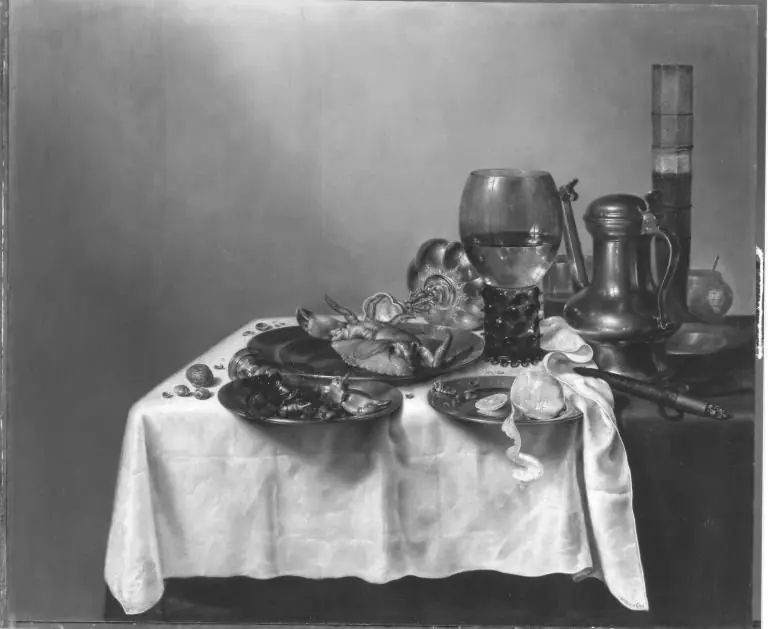 Still life with passglass, Jan Steen pitcher and roemer
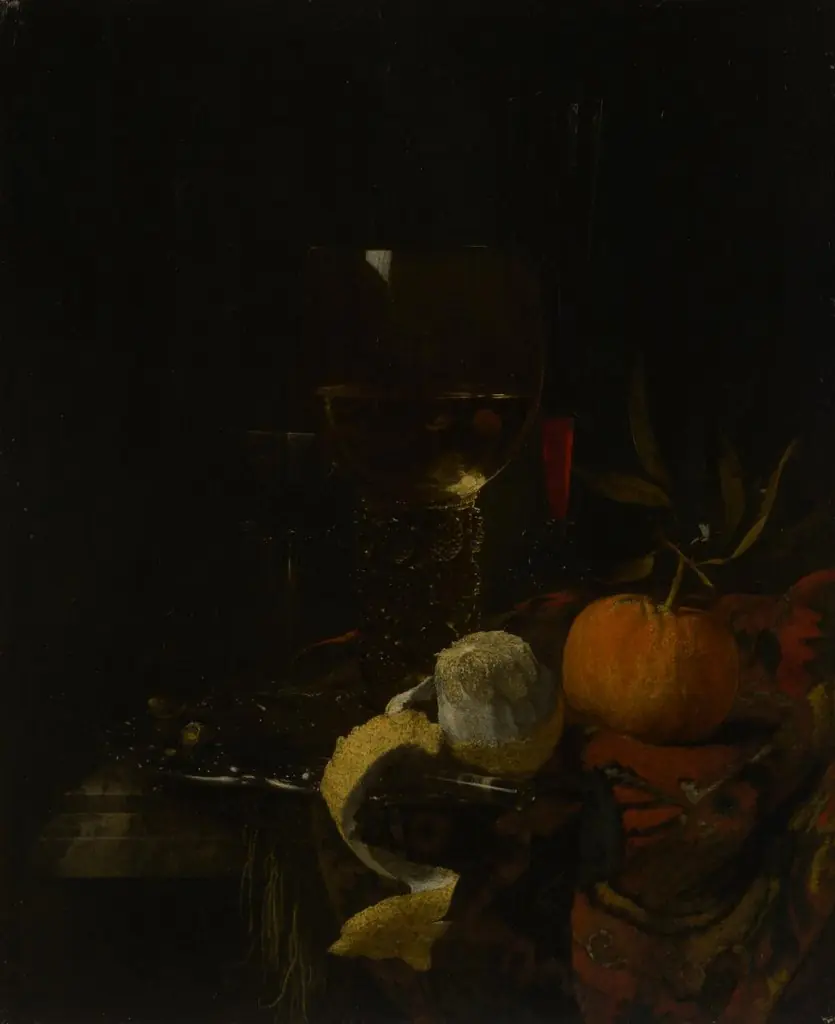 Still life with glasses and fruit
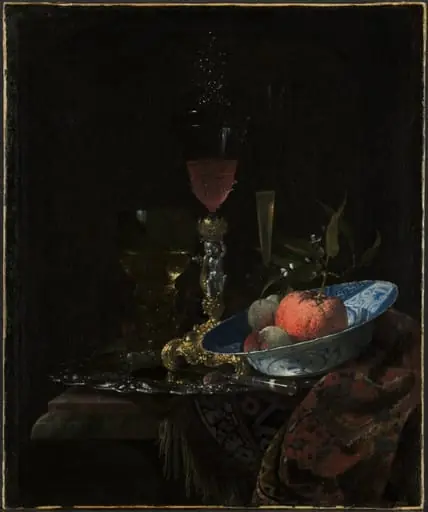 Wineglass and a Bowl of Fruit
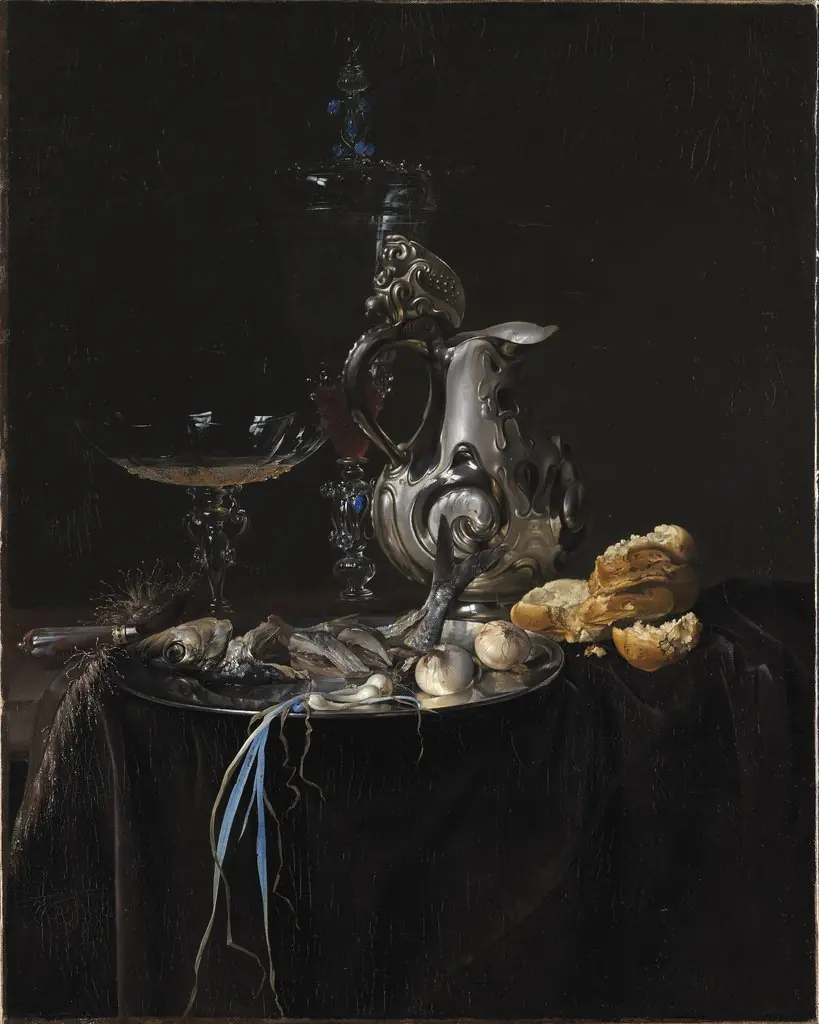 Still Life. Breakfast Piece with a Silver Jug
 Pronk Still Life with a Chinese Sugar Bowl
 Still Life with Lemon Peel
 Still life. Breakfast Piece in a Stone Niche