Artwork
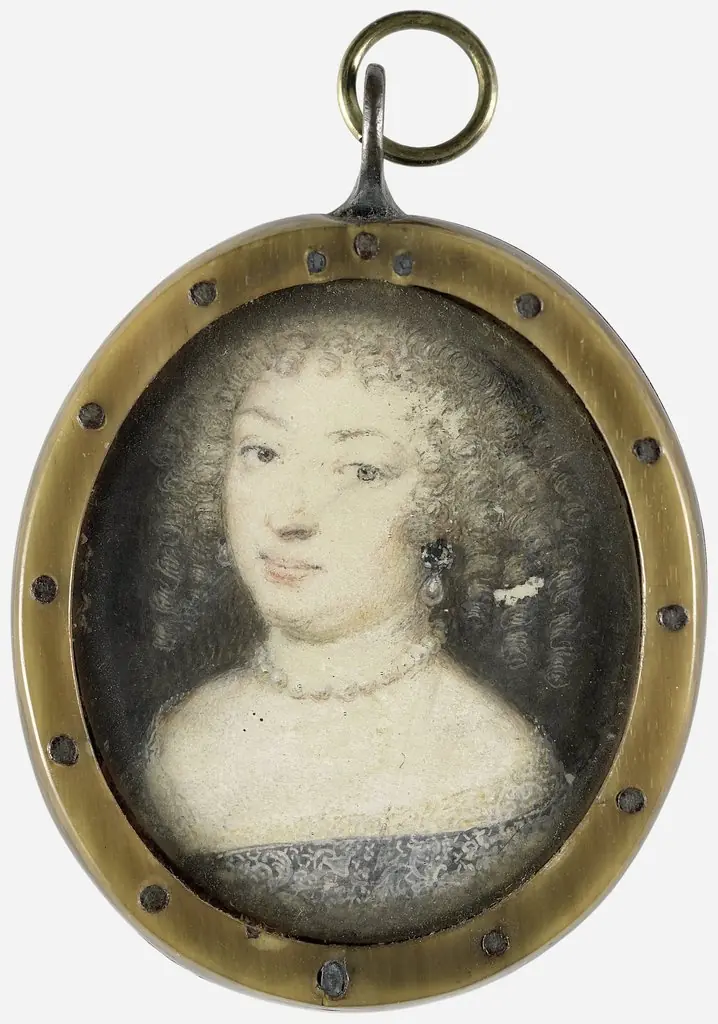
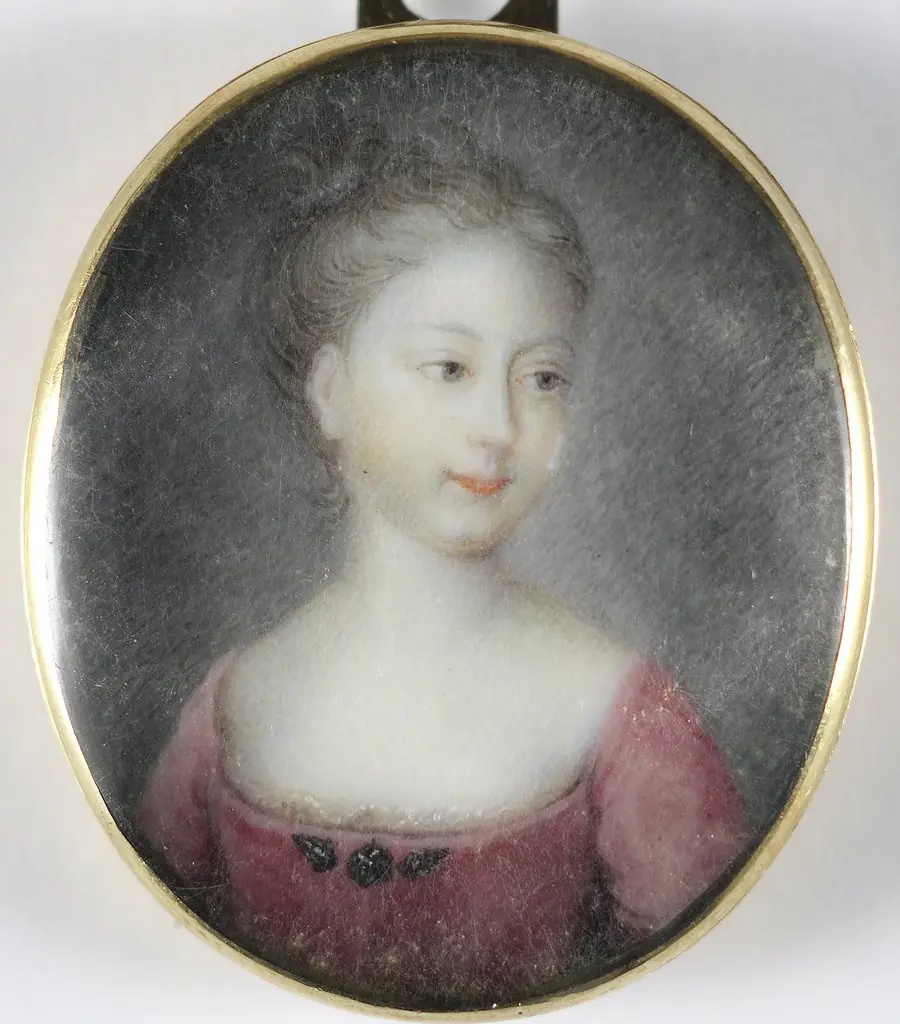
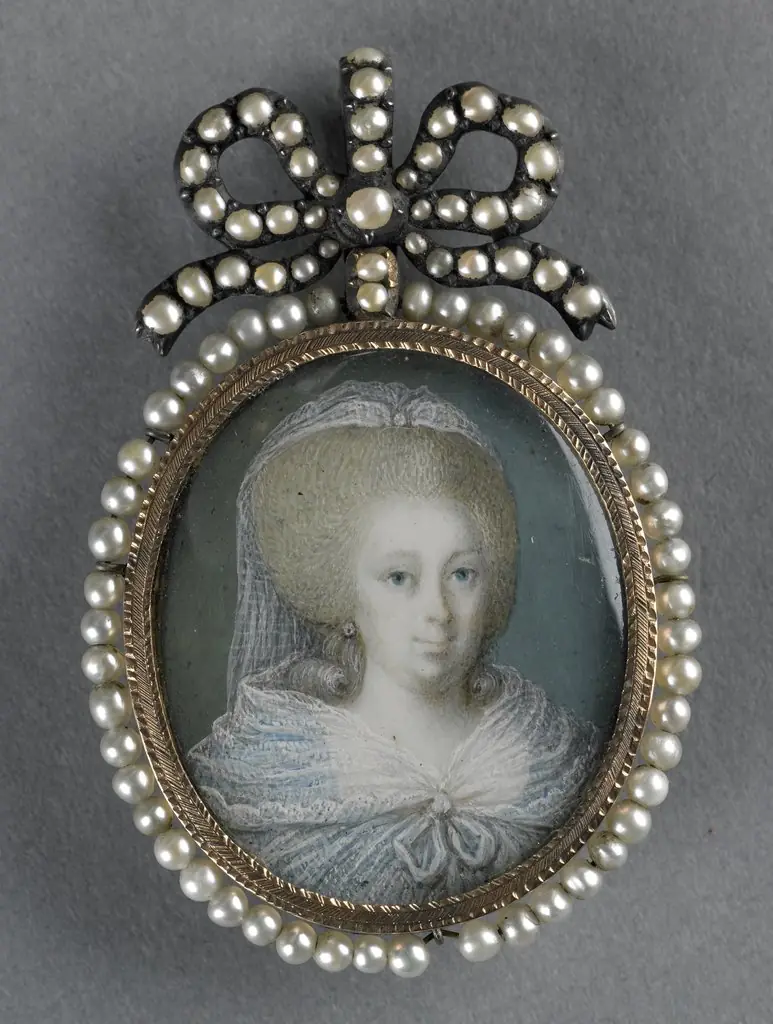
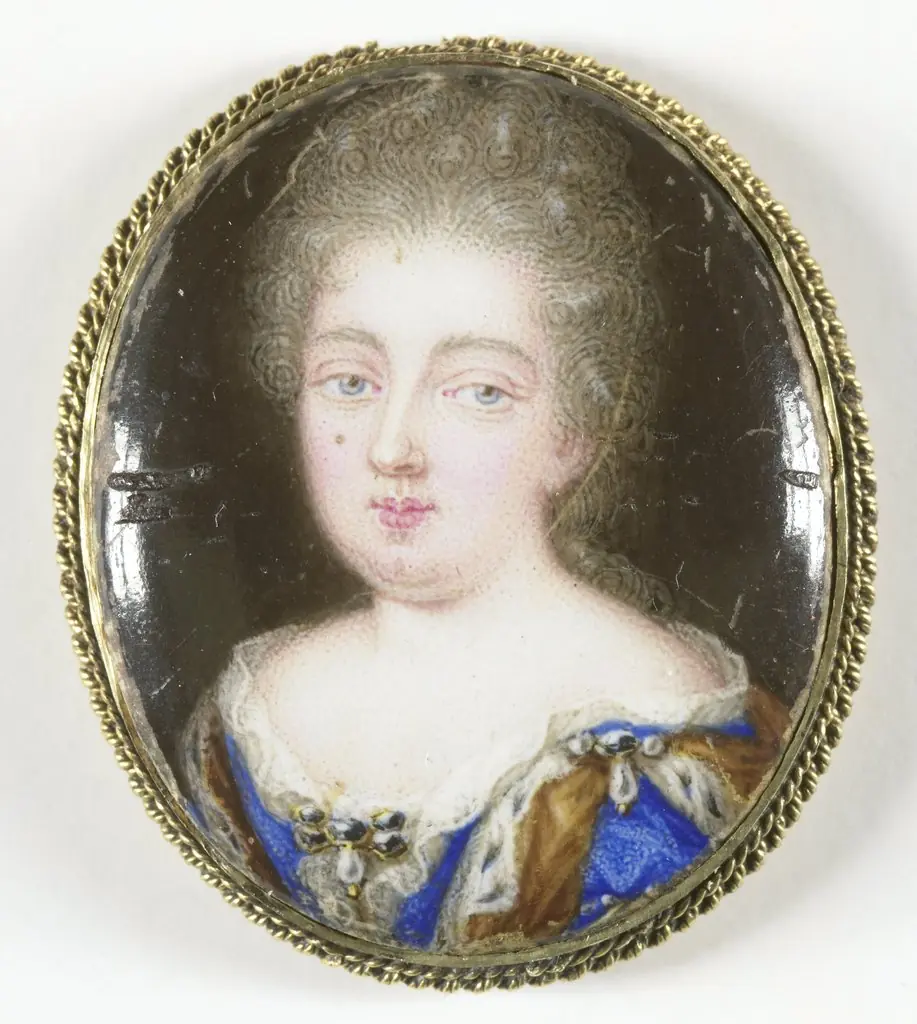
Anna Hanover (1709-59). Wife of Prince William IV
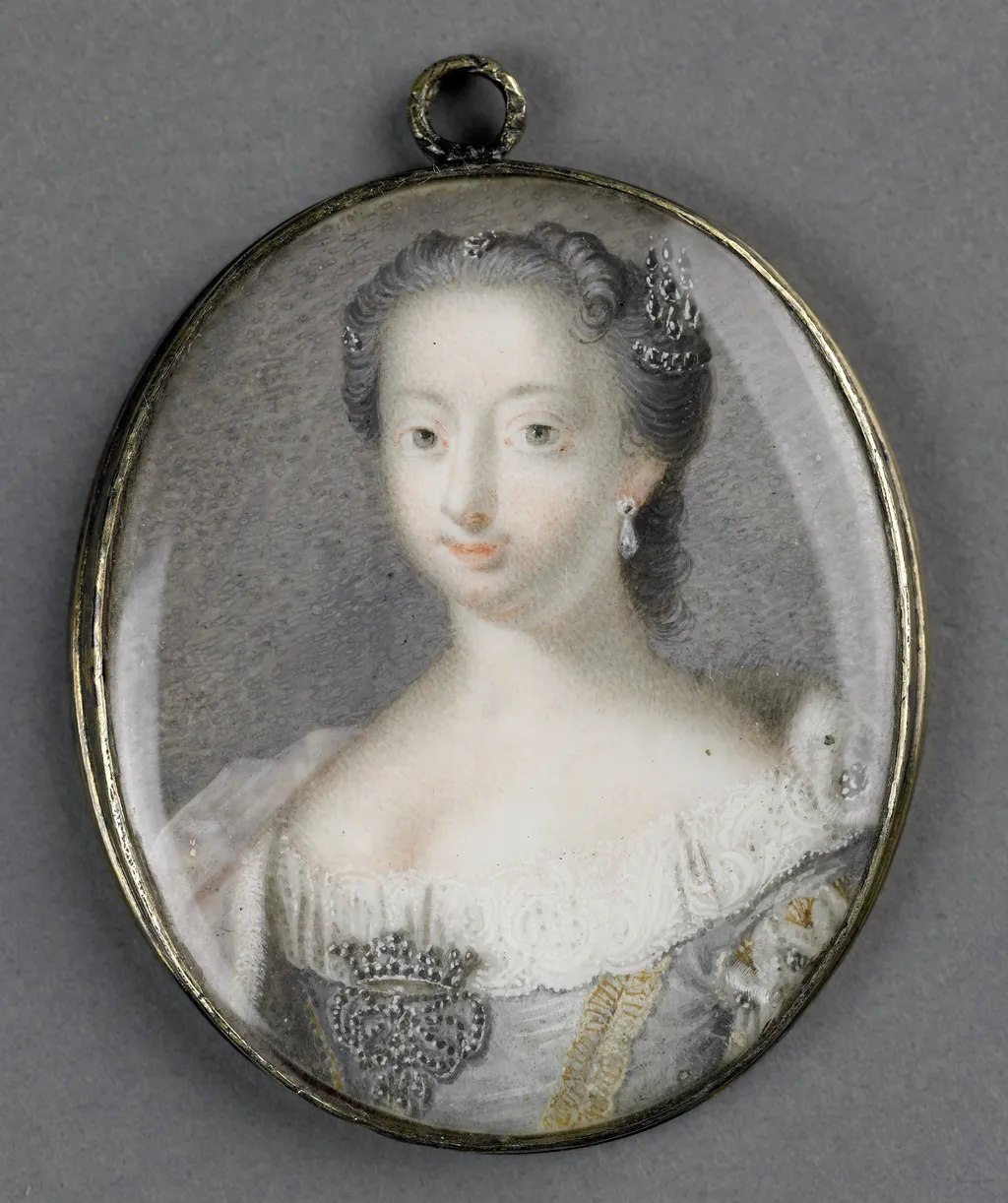
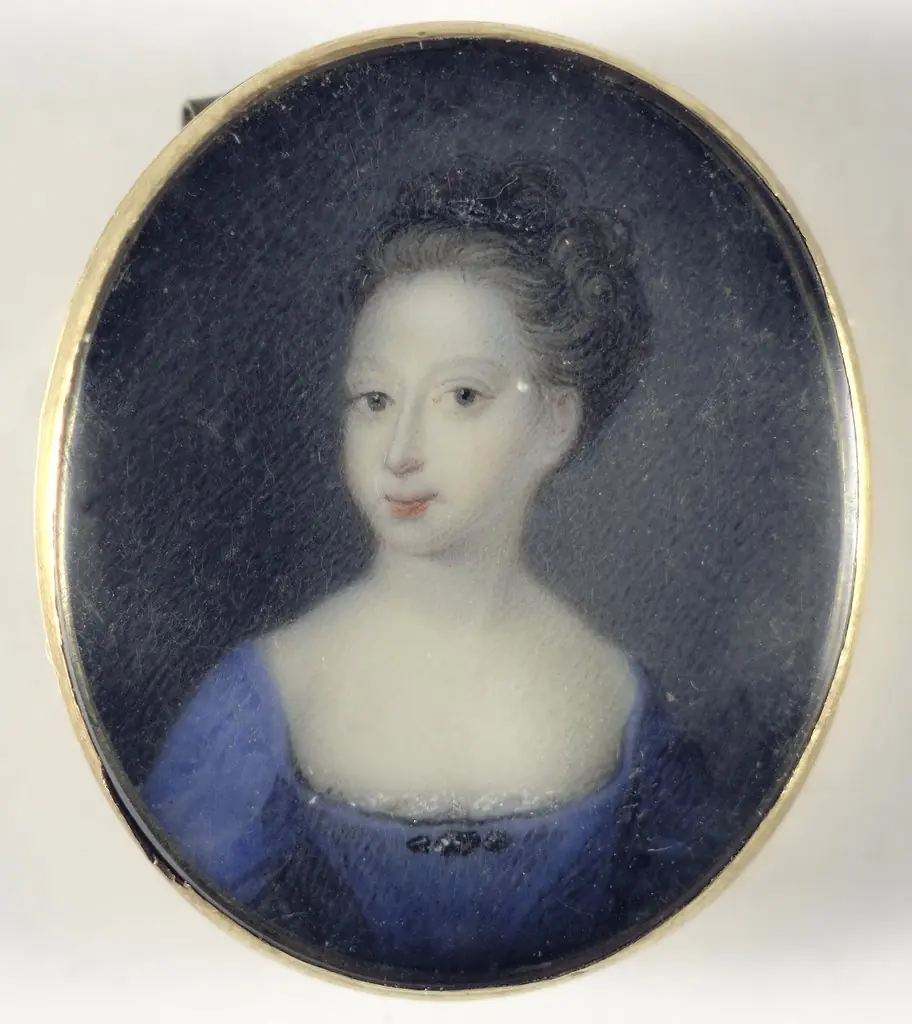
Anna Hanover (1709-59). Wife of Prince William IV is an ivory painting by the Rococo painting artist Gerrit Kamphuysen. It dates from 1756 and is held in the collection of the Rijksmuseum.
About this work
Overview
Created in 1756 by the Dutch artist Gerrit Kamphuysen, this small oval portrait is carved from ivory and is part of the Rijksmuseum’s collection. It presents Anna Hanover, known as Anne, Princess Royal and Princess of Orange, who lived from 1709 to 1759.
Subject & Meaning
The work portrays Anna Hanover as a dignified figure, her light skin and softly flushed cheeks emphasized by delicate shading. Her dark hair is arranged in an updo with a few loose curls, framing a serene expression that reflects the conventions of 18th‑century aristocratic portraiture.
Technique & Style
Kamphuysen employed the medium of ivory, allowing for a subtle, muted palette where colors appear softened and slightly faded. The carving features gentle gradations of tone to model the face, while the simple white dress with a lace collar and dark neckline ribbon is rendered with fine, precise lines.
History & Provenance
The ivory portrait has remained in the Netherlands, eventually entering the Rijksmuseum’s holdings, where it is displayed as part of the museum’s representation of Dutch portraiture from the mid‑18th century.
Context
During the mid‑1700s, ivory carving was a favored medium for intimate, portable portraits of high‑status individuals. Kamphuysen’s work aligns with this tradition, offering a personal yet formal representation of a member of the House of Orange‑Nassau.
Artist & collection
Artist
Dutch artists in the 1700s often painted tiny portraits on ivory for keepsakes. Gerrit Kamphuysen made more than 50 of these, mostly small ovals worn as lockets or attached to snuffboxes. In the Gallery you’ll find…