Artwork
Still Life with Pumpkin, Pears and Walnuts
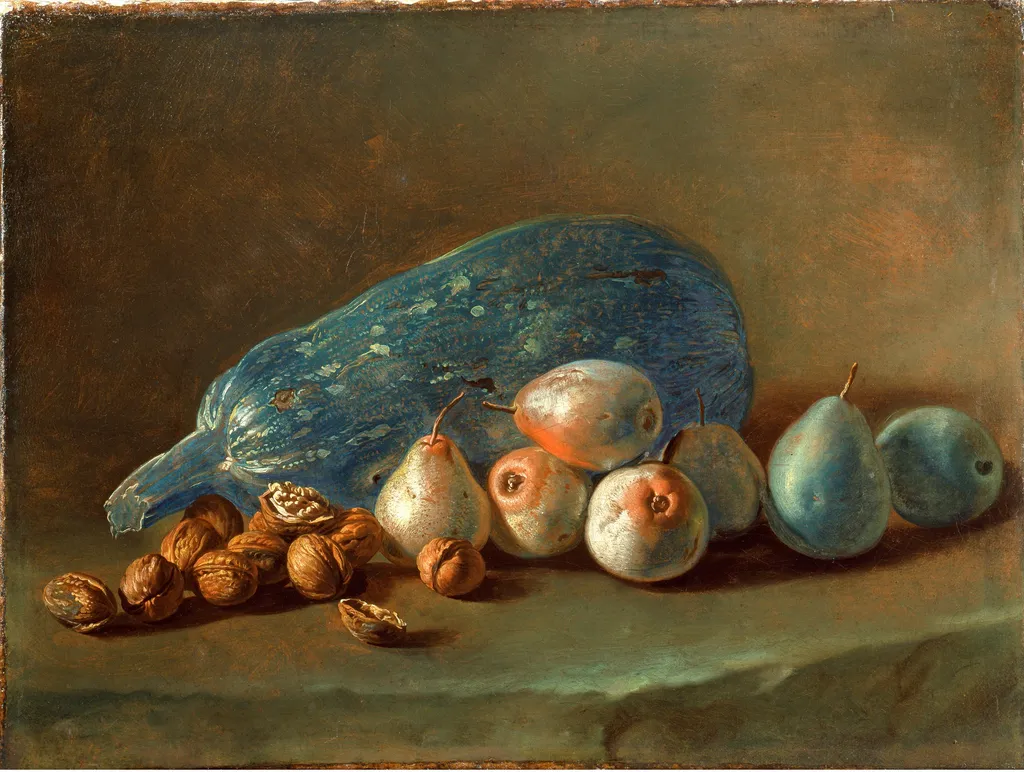
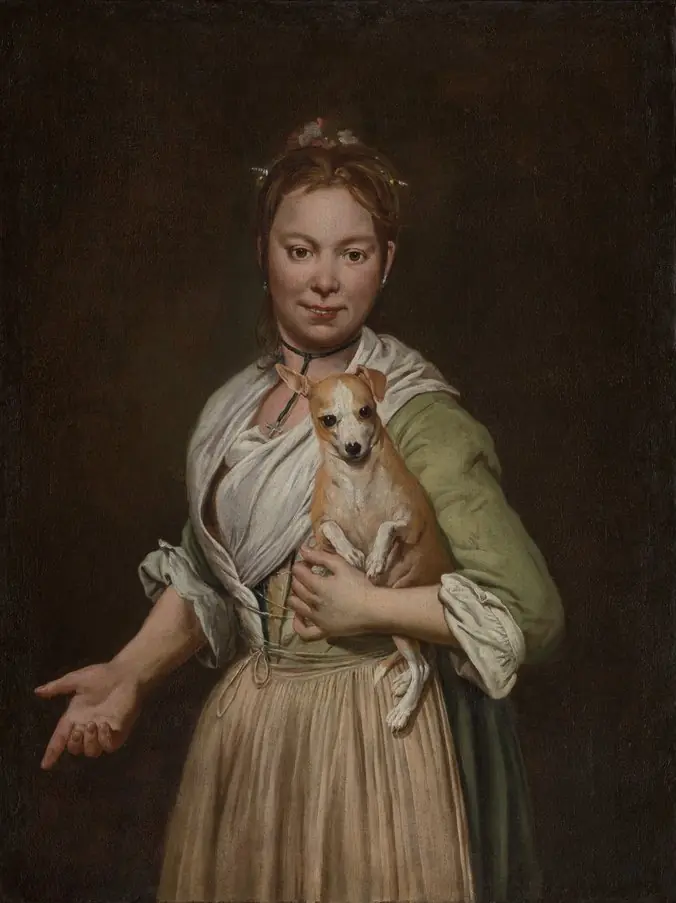
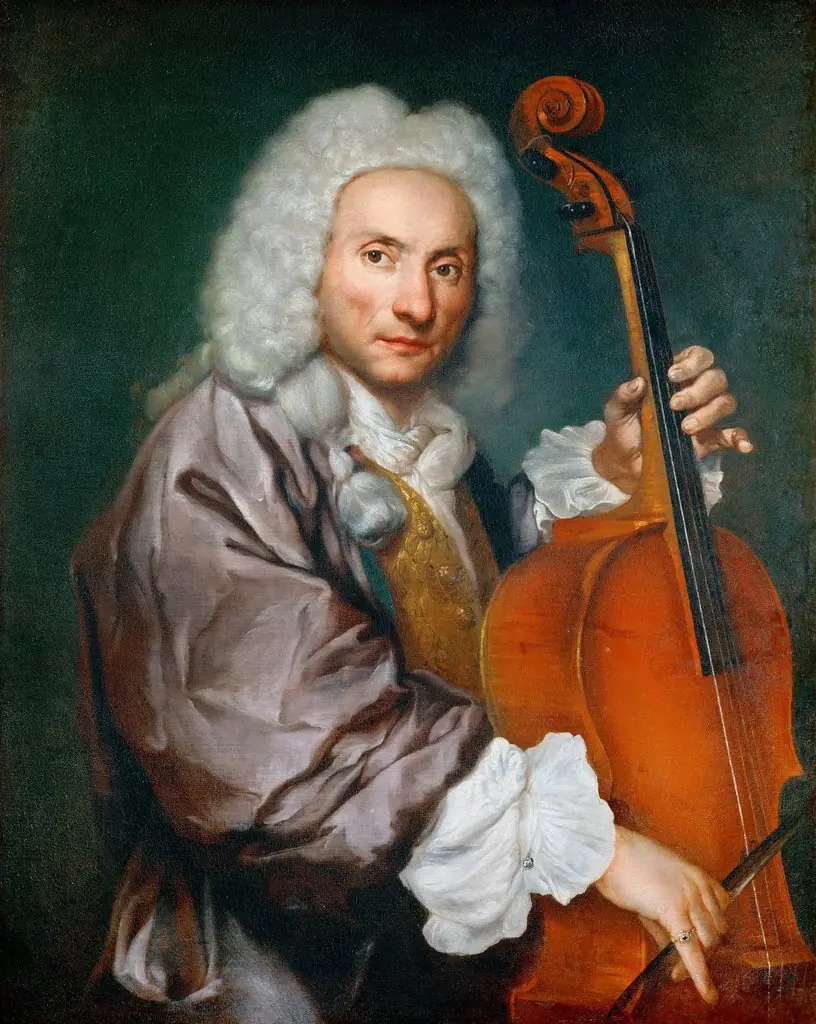
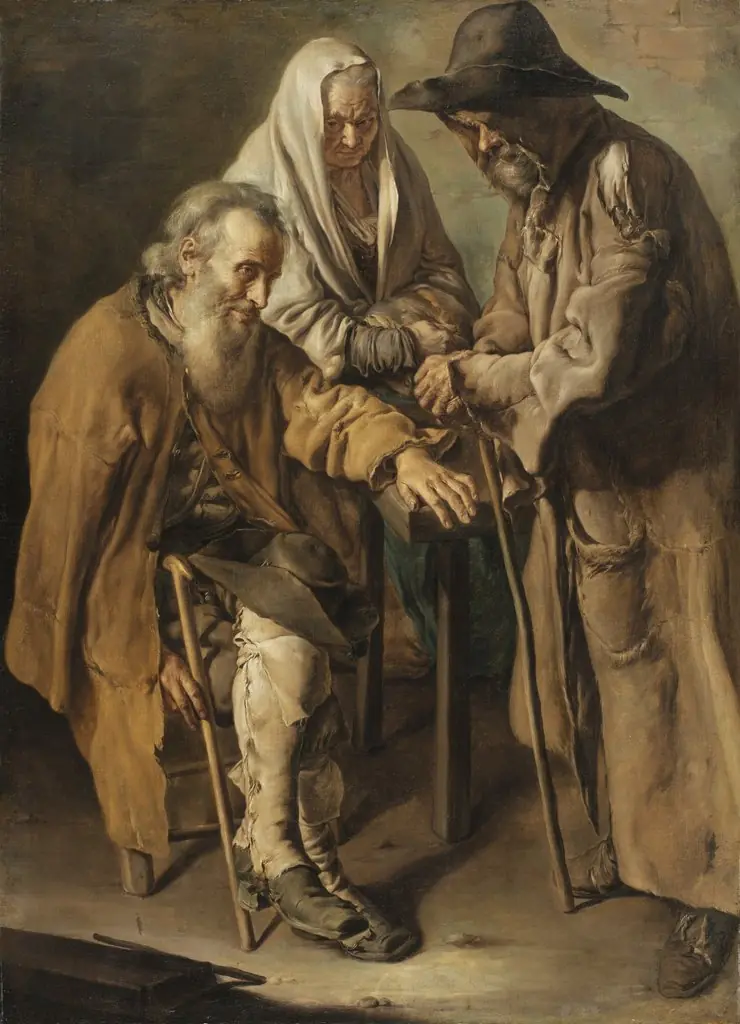
Still Life with Pumpkin, Pears and Walnuts is an unspecified painting by the Rococo painting artist Giacomo Ceruti. It dates from 1750 and is held in the collection of the Pinacoteca di Brera.
About this work
Overview
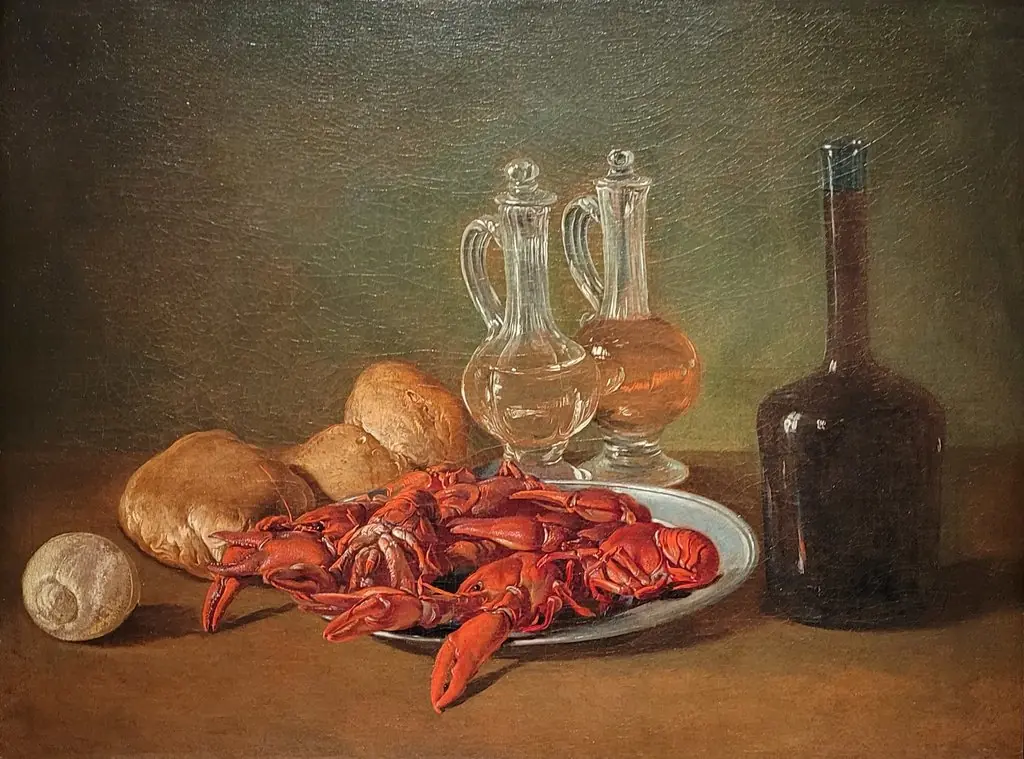
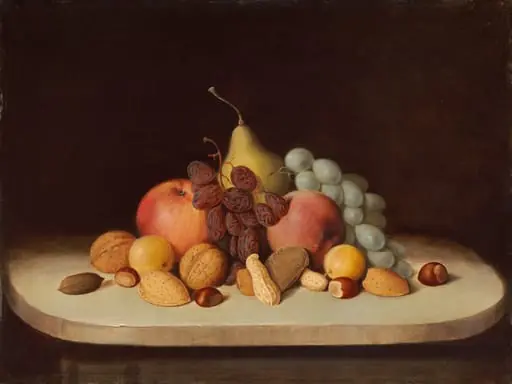
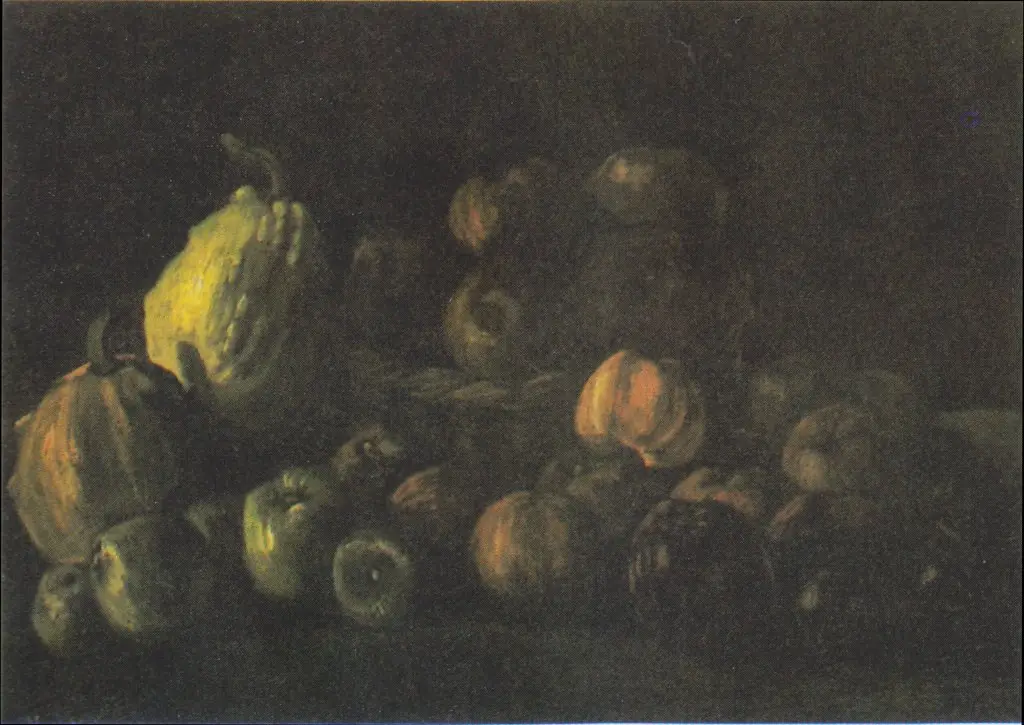
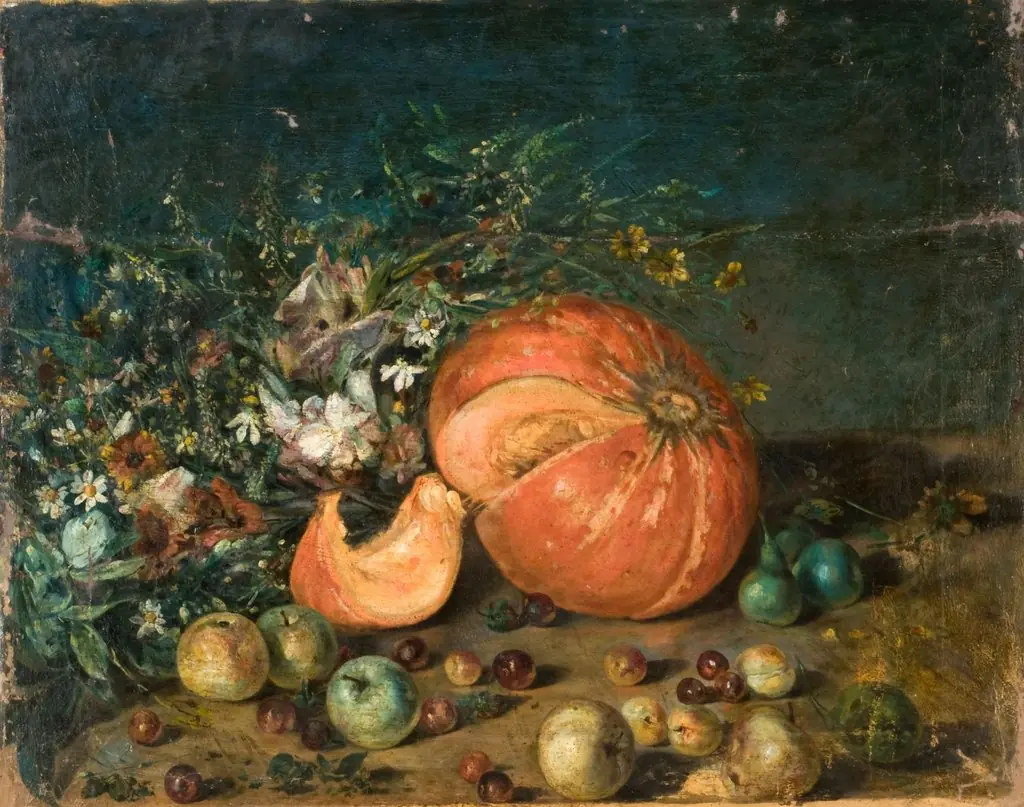
Painted around 1750 by Giacomo Ceruti, this still life presents a modest arrangement of a pumpkin, pears, and walnuts on a plain surface.
Painted around 1750 by Giacomo Ceruti, this still life presents a modest arrangement of a pumpkin, pears, and walnuts on a plain surface. Ceruti, active in Northern Italy during the late Baroque era, favored unadorned, everyday objects over grand or mythological themes. The composition’s quiet order and restrained palette reflect his commitment to observing the ordinary with precision and dignity, avoiding theatricality in favor of quiet presence.
Subject & Meaning
The objects—pumpkin, pears, and walnuts—are common agricultural produce, chosen not for rarity but for their tactile presence. Their placement suggests a momentary pause, as if gathered from a kitchen or harvest. There is no symbolic allegory; instead, the painting elevates the mundane through careful observation. The arrangement implies a quiet reverence for the material world, rooted in the lived experience of rural and domestic life in 18th-century Lombardy.
Technique & Style
Ceruti employed subtle chiaroscuro to model the forms, using soft gradations of light to define the pumpkin’s dimpled skin and the pears’ rounded contours. The walnuts, scattered loosely at the base, are rendered with textured detail that suggests their rough shells. The muted brown background recedes without distraction, allowing the natural hues of the fruit and nuts to emerge with quiet intensity. Brushwork is precise but unobtrusive, prioritizing material truth over decorative flourish.
History & Provenance
The painting has been part of the Pinacoteca di Brera’s collection since at least the 19th century, likely acquired as part of broader efforts to preserve regional artistic heritage. Its attribution to Ceruti aligns with his known output from the 1740s–1760s, a period when he increasingly focused on still lifes after earlier genre scenes. No significant alterations or restorations are documented, preserving its original tonal balance and surface integrity.
Context
While Rococo aesthetics favored ornament and elegance elsewhere in Europe, Ceruti’s work in Lombardy diverged toward sober realism. His still lifes emerged alongside a growing interest in empirical observation, influenced by scientific illustration and the rise of bourgeois taste for unidealized domestic scenes. This painting reflects a regional counterpoint to the ornate styles of Venice or Paris, emphasizing restraint and material authenticity over display.
Legacy
Ceruti’s still lifes, including this one, contributed to a quieter tradition of Italian realism that anticipated 19th-century naturalism. Though less celebrated than his genre paintings, these works demonstrate a consistent dedication to the dignity of ordinary things. Their influence is seen in later artists who sought to portray the physical world without embellishment, grounding still life in observation rather than symbolism.
Own this work as a print
Artist & collection
Artist
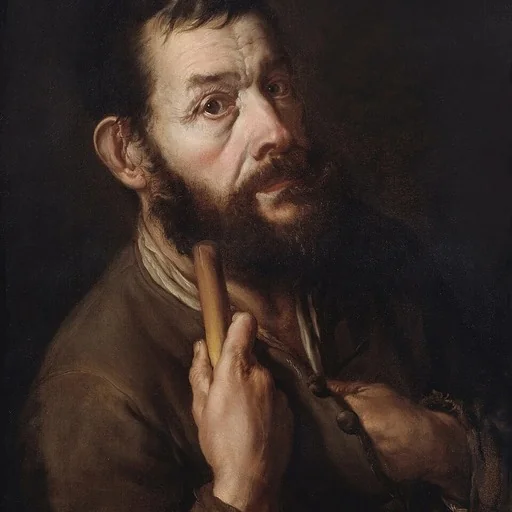
Giacomo Antonio Melchiorre Ceruti (13 October 1698 – 28 August 1767) was an Italian late Baroque painter, active in Northern Italy.