Artwork
Group of Beggars
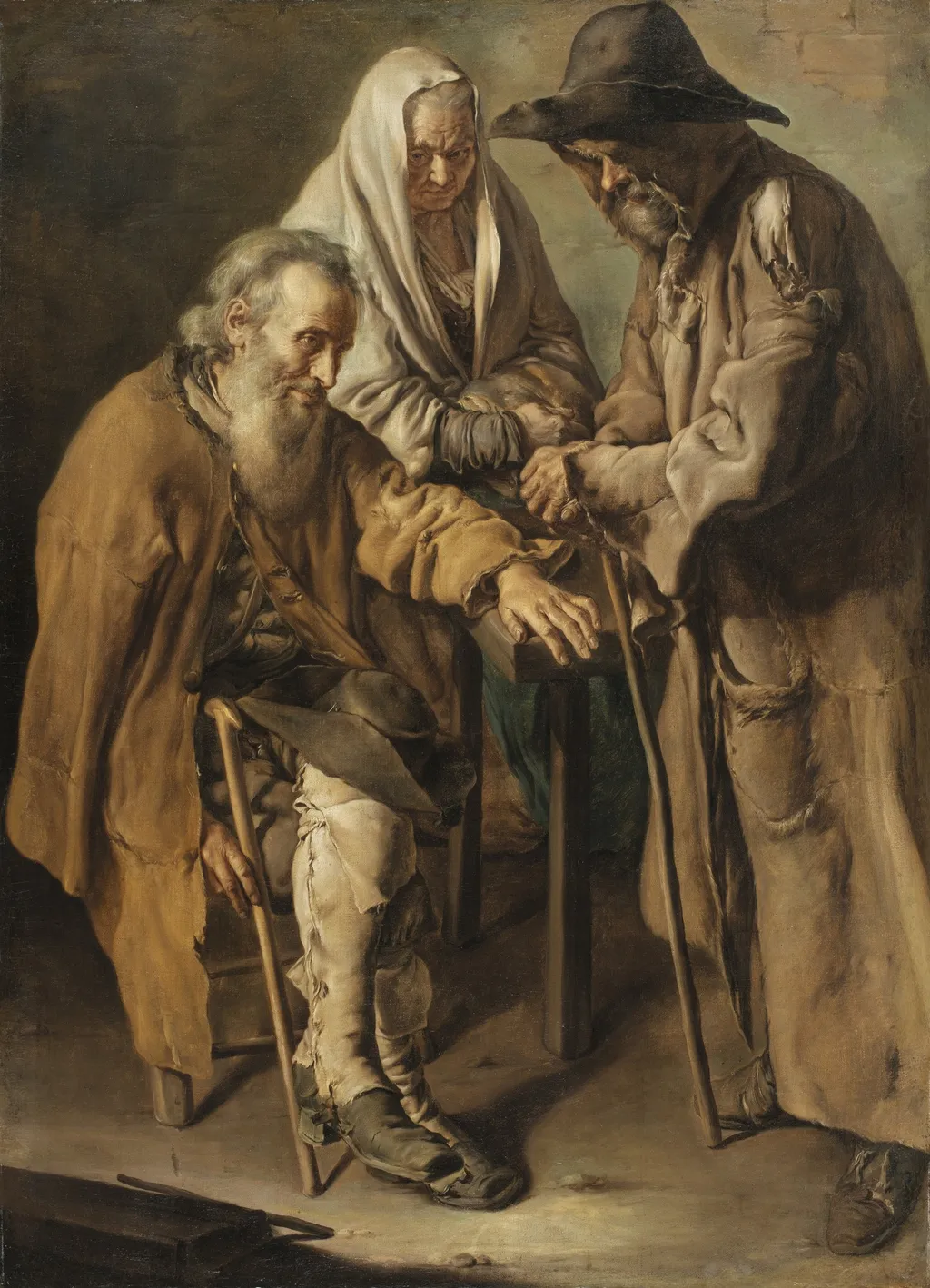
Group of Beggars is an unspecified painting by the Rococo painting artist Giacomo Ceruti. It dates from 1737 and is held in the collection of the Thyssen-Bornemisza Museum.
About this work
Overview
Painted in 1737 by Giacomo Ceruti, known as Pitocchetto, this canvas depicts a quiet gathering of three impoverished individuals.
Painted in 1737 by Giacomo Ceruti, known as Pitocchetto, this canvas depicts a quiet gathering of three impoverished individuals. Part of a larger series of genre scenes, the work reflects Ceruti’s sustained focus on the lives of society’s marginalized. Rendered in oil on canvas, it belongs to the collection of the Museu Nacional d'Art de Catalunya and exemplifies his commitment to portraying everyday hardship without embellishment.
Subject & Meaning
The painting presents three beggars—two standing, one seated—at a modest table. Their postures and attire suggest exhaustion and deprivation. One figure holds a cane, another wears a worn hat; all bear the physical marks of age and privation. Ceruti avoids moralizing or romanticizing, instead offering a direct, unadorned record of survival. The absence of narrative drama invites contemplation of their silent endurance.
Technique & Style
Ceruti employs chiaroscuro to model forms with subtle gradations of light and shadow, enhancing the three-dimensionality of faces and hands. The dark, undefined background isolates the figures, focusing attention on their textures—tattered fabric, weathered skin, and worn footwear. Brushwork is precise yet unpolished, prioritizing authenticity over decorative flourish, aligning with his rejection of Rococo idealism in favor of sober realism.
History & Provenance
Created during Ceruti’s active years in Northern Italy, the painting emerged from a body of work that documented laborers and the destitute with unusual consistency for its time. It entered the Museu Nacional d'Art de Catalunya’s collection through documented acquisitions in the 19th or early 20th century, preserving its original condition. Its survival as part of a cohesive series underscores its significance within Ceruti’s oeuvre.
Context
In a period dominated by ornate Rococo aesthetics, Ceruti’s focus on the poor stood in stark contrast. While other artists idealized aristocratic life, he turned his gaze to urban and rural underclasses, influenced by regional traditions of moral realism. His work reflects broader social conditions in 18th-century Lombardy, where poverty was widespread and often ignored by official art.
Legacy
Ceruti’s unflinching depictions of poverty prefigured later realist movements in 19th-century Europe. Though little known beyond regional circles during his lifetime, his paintings gained recognition in the 20th century as early examples of empathetic social documentation. Today, *Group of Beggars* remains a touchstone for studies of art’s role in representing marginal lives with dignity and precision.
Own this work as a print
Artist & collection
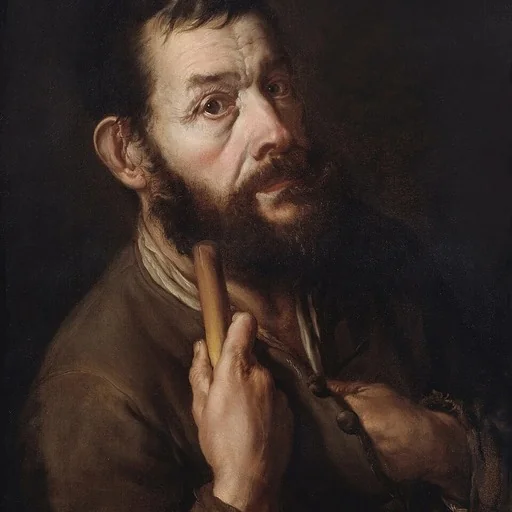
Artist
Giacomo Antonio Melchiorre Ceruti (13 October 1698 – 28 August 1767) was an Italian late Baroque painter, active in Northern Italy.

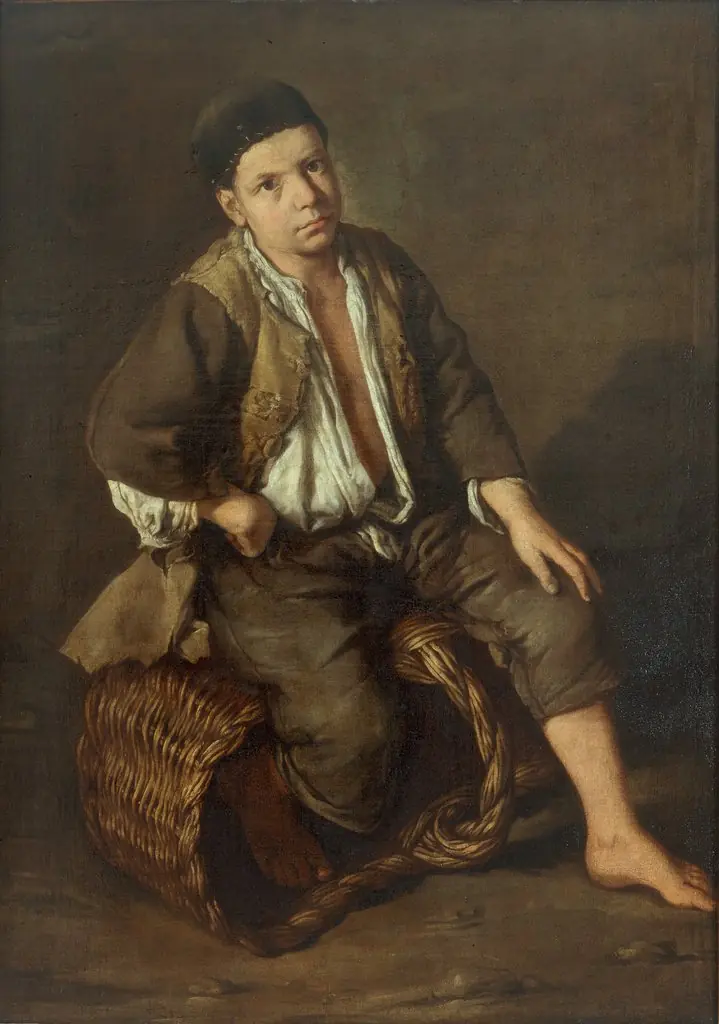
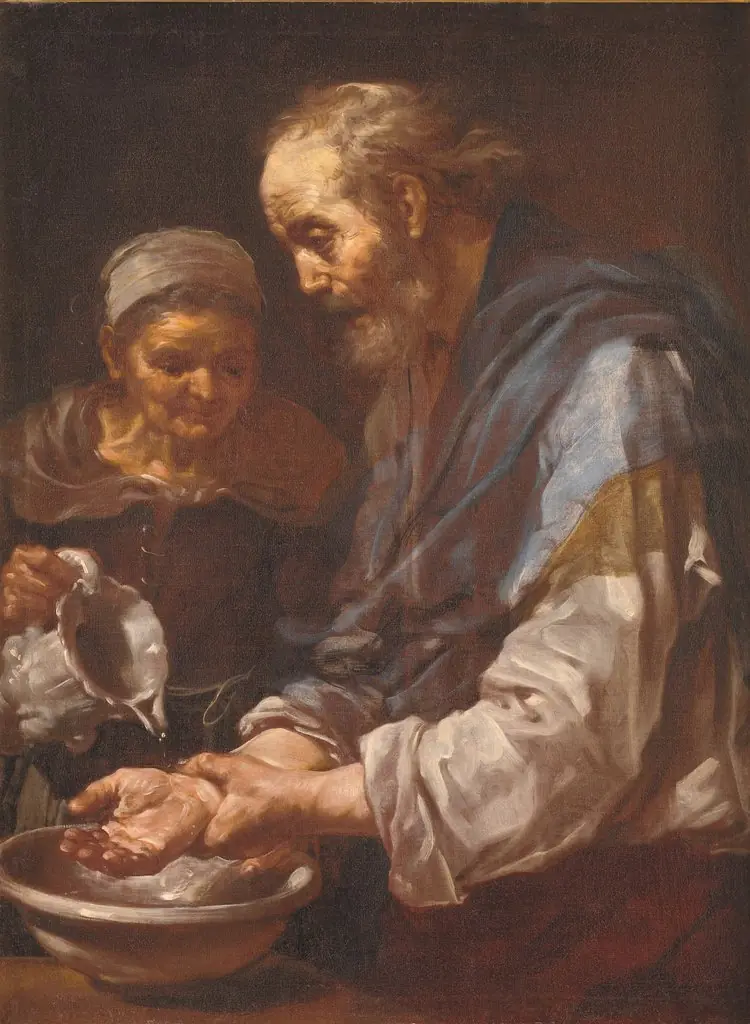 Gammel mand, der vasker hænder
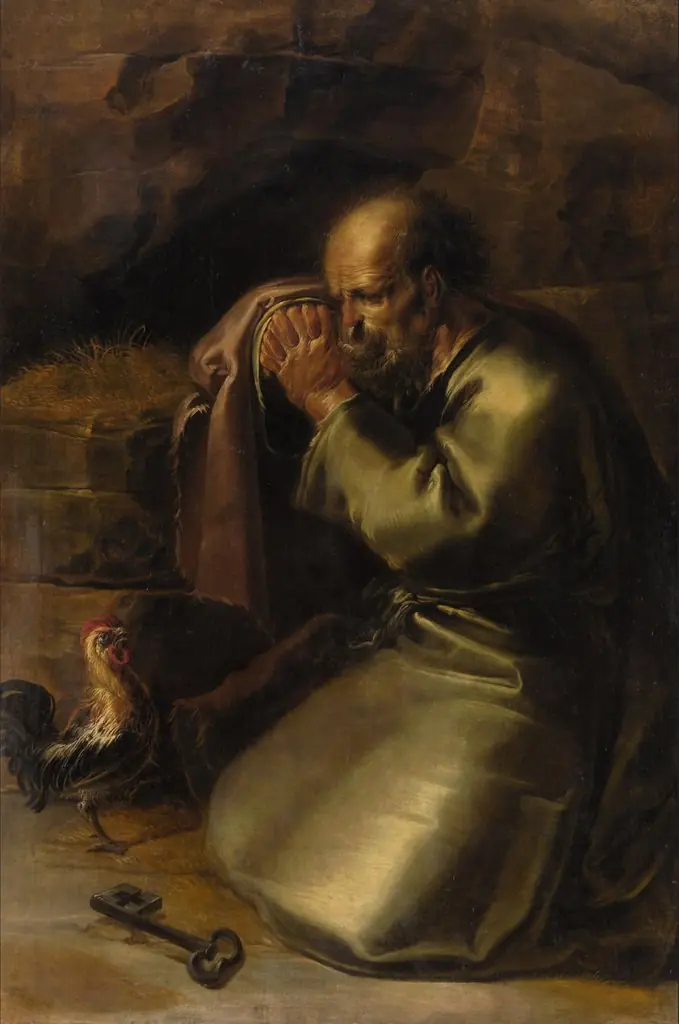 Denial of Saint Peter
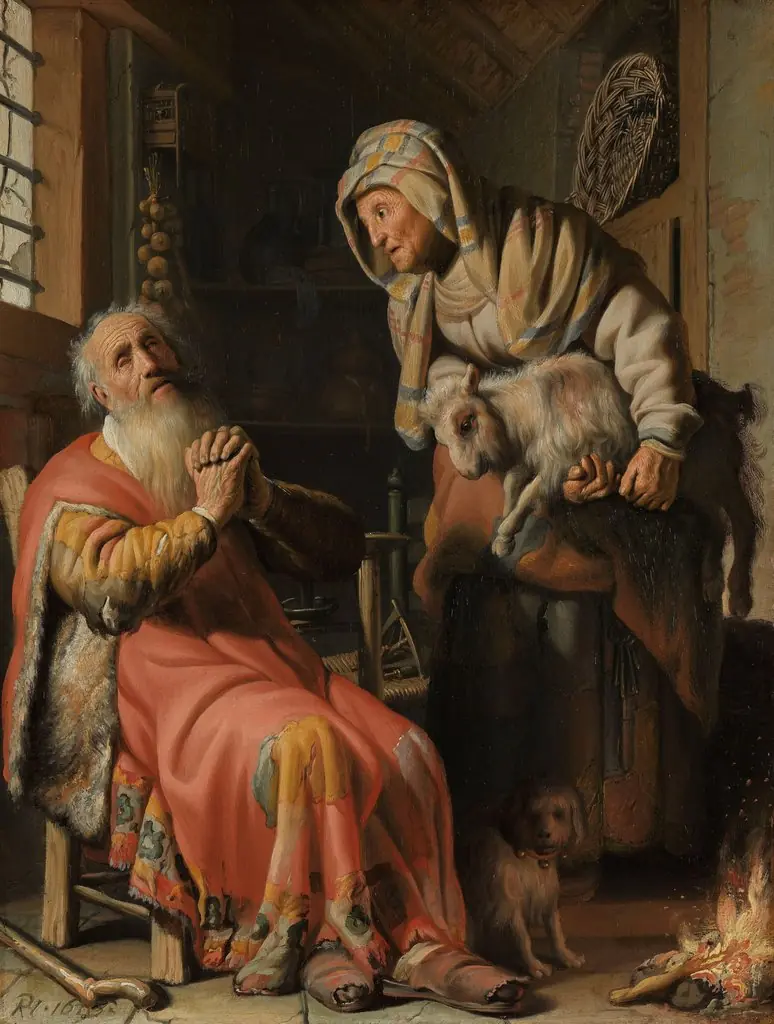 Tobit and Anna with the Kid
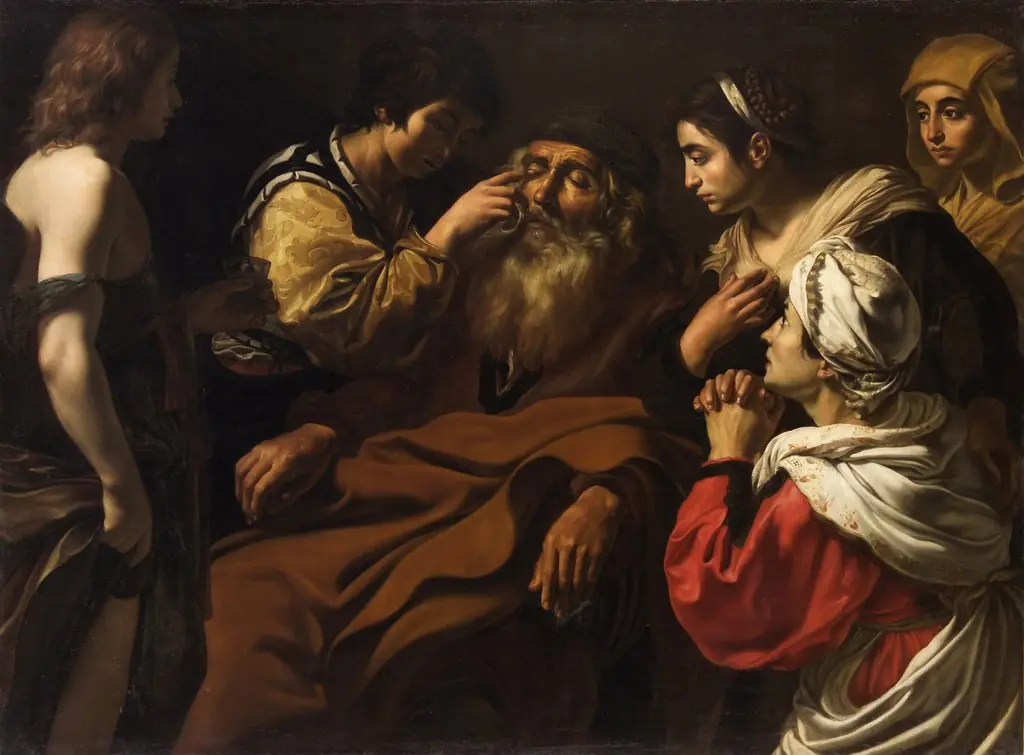 Tobias Heals his Blind Father
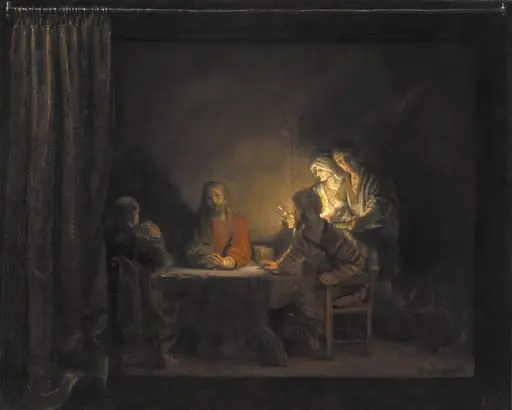 Supper at Emmaus
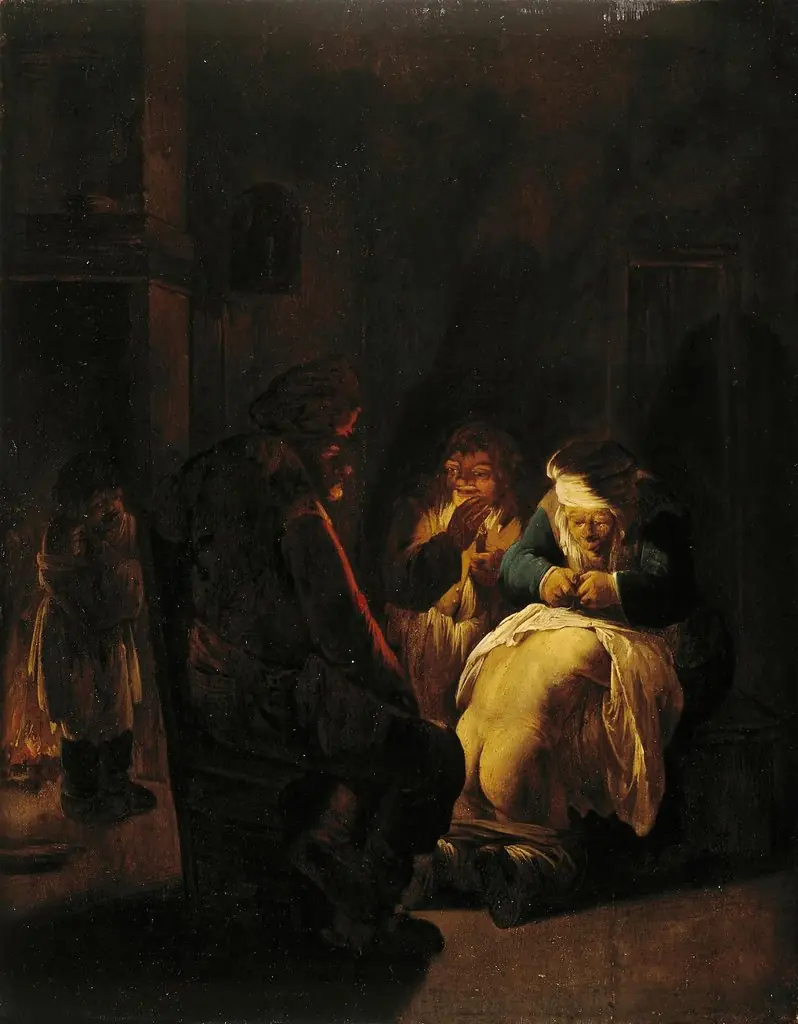 Peasants in the Interior (Family Scene)
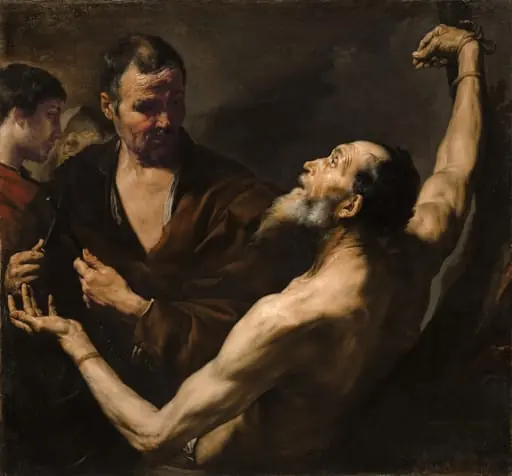 The Martyrdom of Saint Bartholomew
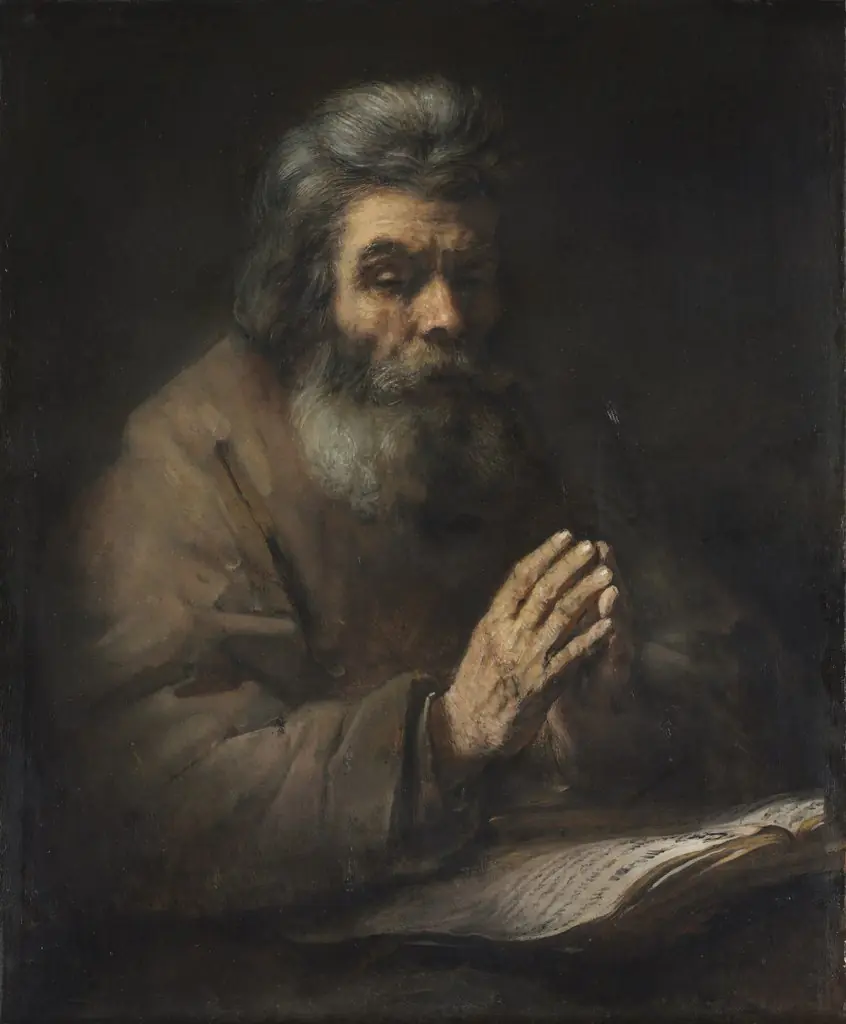 An Elderly Man in Prayer
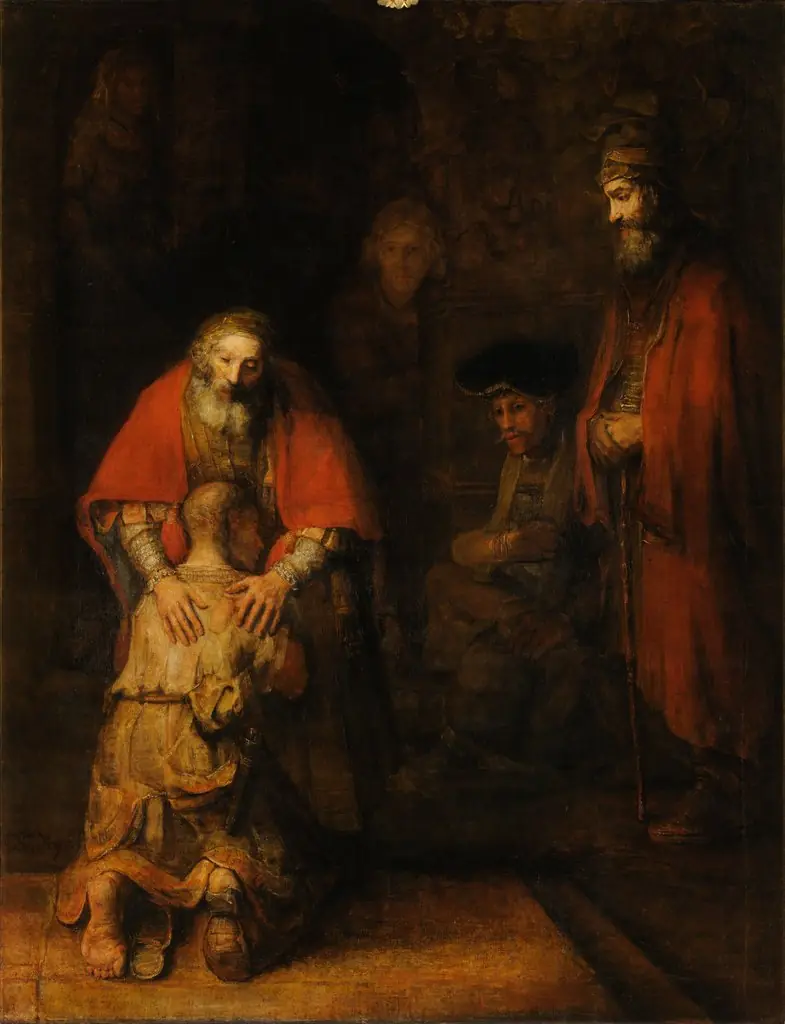 The Return of the Prodigal Son
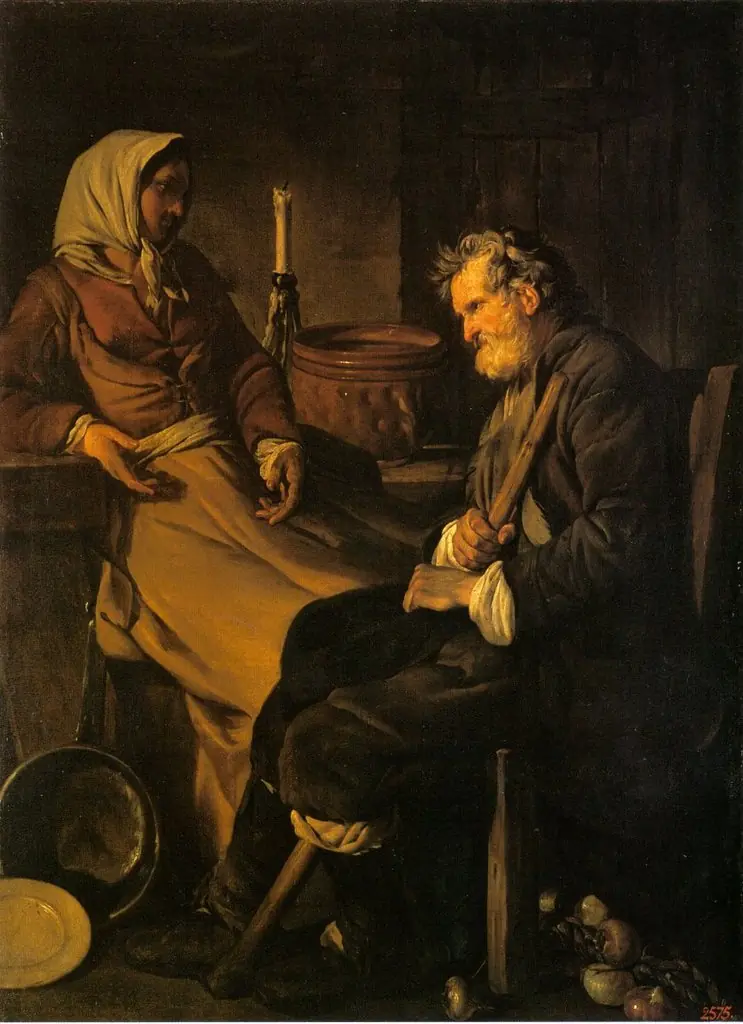 Old Man in the Kitchen
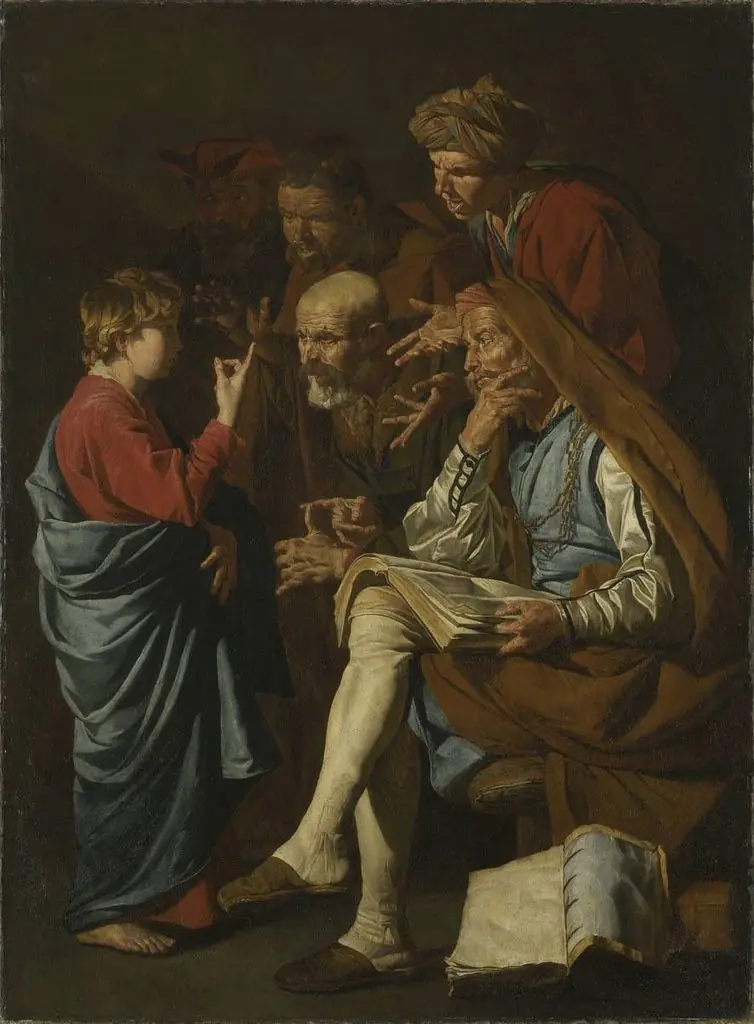 Christ among the docters
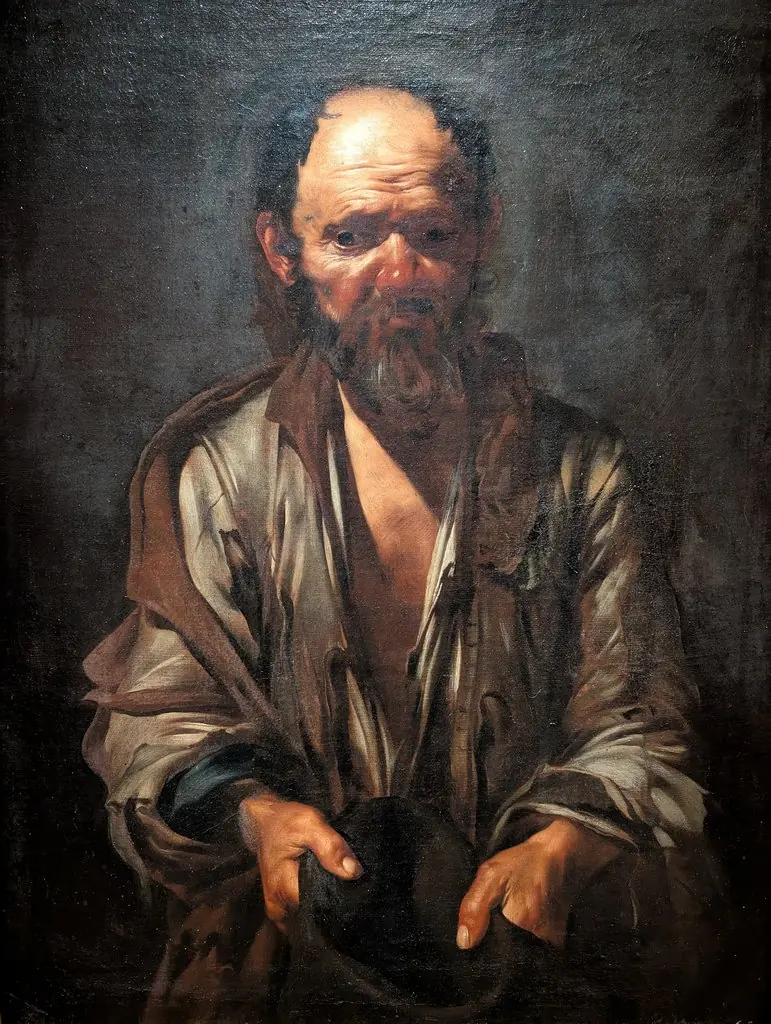 A Beggar