Artwork
Scene in the Kitchen
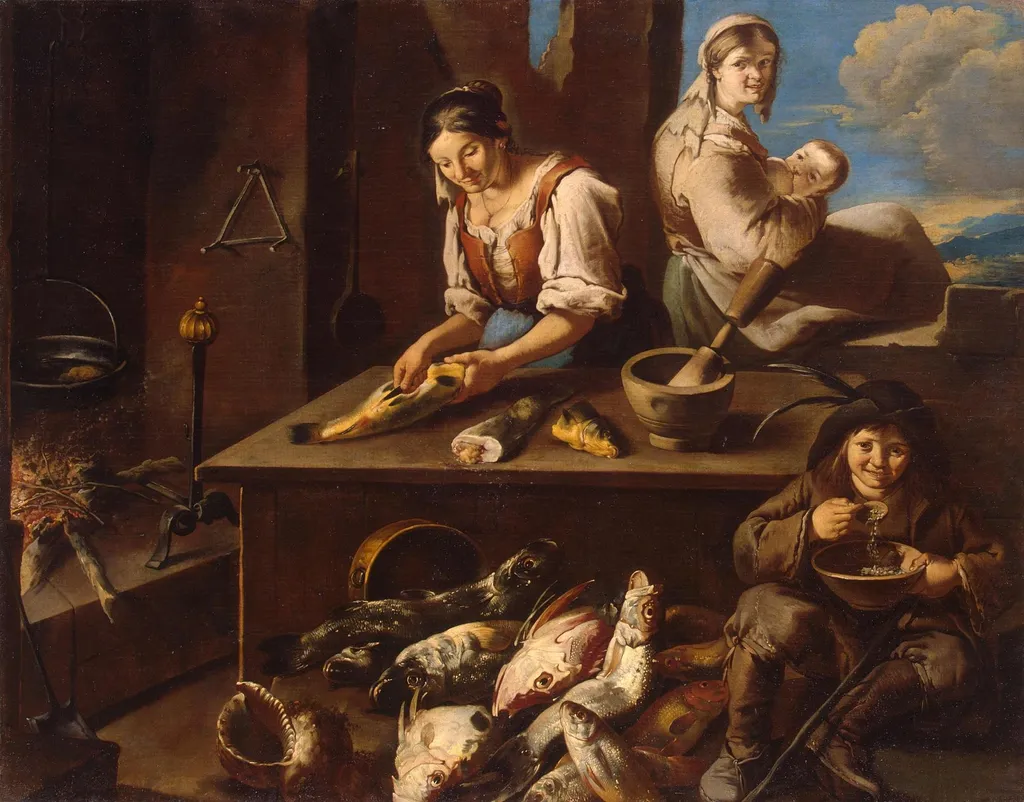
Scene in the Kitchen is an oil painting by the Rococo painting artist Giacomo Francesco Cipper. It dates from 1720 and is held in the collection of the Hermitage Museum.
About this work
Overview
Scene in the Kitchen, created in 1720 by Giacomo Francesco Cipper (Il Todeschini), is an oil painting depicting a serene domestic interior. Active in Milan from 1696 to 1736, Cipper's work aligns with the Rococo movement.
Subject & Meaning
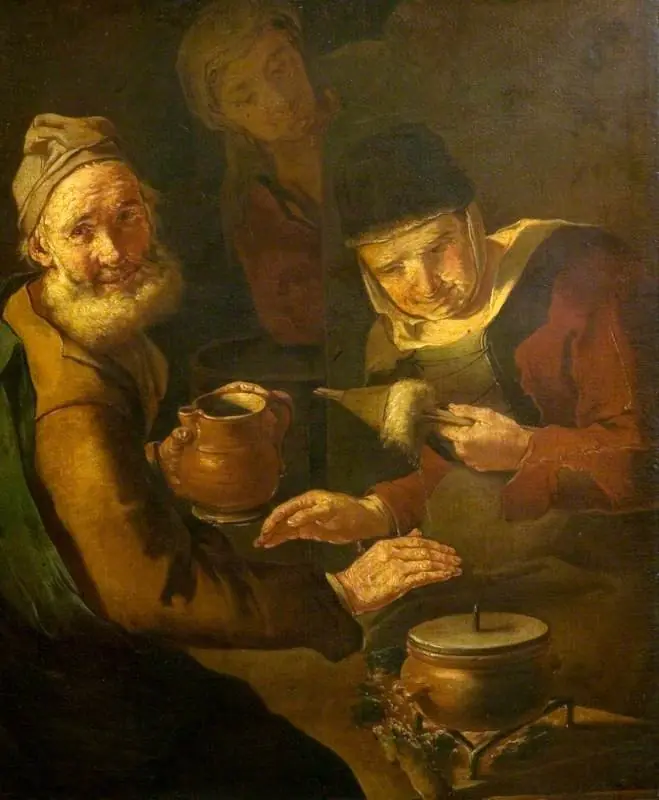
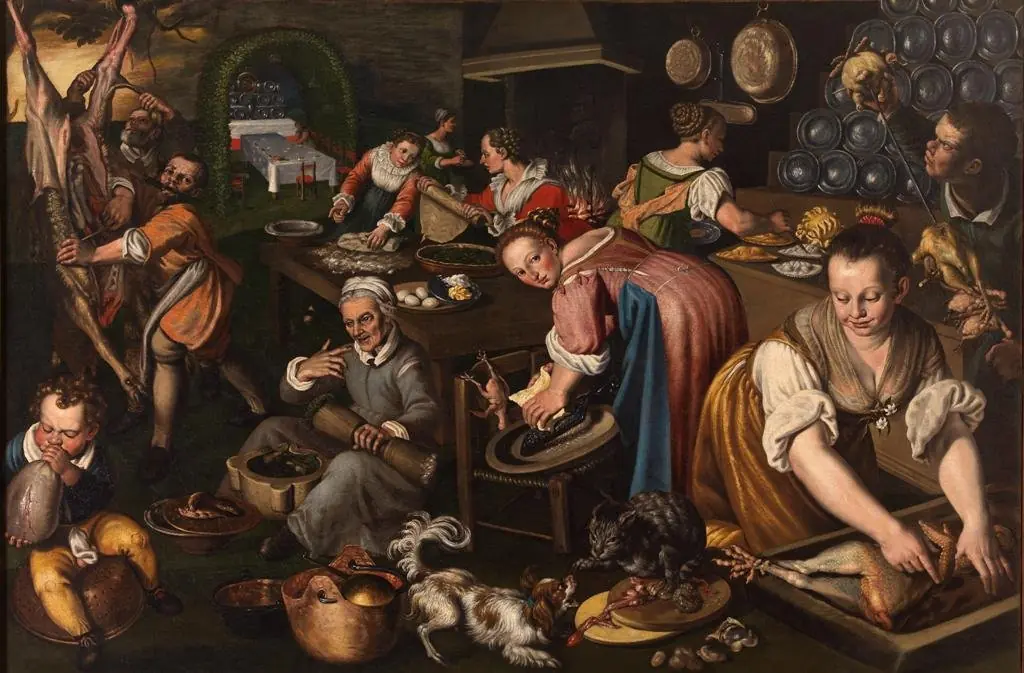
The painting captures a quiet moment in a kitchen, featuring three women, a child, and a young boy eating from a bowl. Central figures engage in everyday tasks: one prepares fish, another tends to a baby. The scene conveys a sense of ordinary, unassuming family life.
Technique & Style
Cipper employs chiaroscuro to create depth and volume, guiding the viewer's eye into the dimly lit space. The contrast between light and shadow, set against a cluttered yet tranquil kitchen backdrop, underscores the Rococo emphasis on intimate, naturalistic scenes.
History & Provenance
Attributed to 1720, the painting's provenance details are not specified here, though it is characteristic of Cipper's Milanese period output.
Context
As a Rococo work, Scene in the Kitchen reflects the movement's focus on domestic intimacy and everyday life, contrasting with the grandeur of Baroque art. Its subjects and setting offer a glimpse into 18th-century household routines.
Legacy
While not individually renowned, the painting contributes to the broader understanding of Rococo's emphasis on mundane, emotionally nuanced interiors, influencing later artists in their depiction of domesticity.
Own this work as a print
Artist & collection
Artist
Giacomo Francesco Cipper, also known as Il Todeschini, (Feldkirch, 1664 - Milan, 1736) was an Austrian painter in Milan from 1696 to 1736.